Key Takeaways
- The gender gap manifests as a shortage of biographies for women and non-binary people.
- Systemic bias often hides in the "notability" guidelines used by editors.
- Efforts like Women in Red are fighting to close the gap through targeted editing.
- The debate revolves around whether the platform can ever be truly neutral given its volunteer base.
The Invisible Wall: What is the Gender Gap?
When we talk about the gender gap on Wikipedia, we aren't just talking about a few missing names. We are talking about a massive disparity in representation. For a long time, the community of editors has been overwhelmingly male. This creates a feedback loop: because men write the entries, they tend to write about things they find interesting or important, which often means other men.
This imbalance leads to a phenomenon where women are often described by their relationship to men rather than their own achievements. You'll see a female scientist listed as "the wife of X" before her own PhD is mentioned. This isn't necessarily a conscious effort to erase women, but it's a result of Systemic Bias, where the existing structures and habits of a group create an unfair outcome for others. If the people deciding what is "important" all share the same perspective, the resulting encyclopedia reflects a narrow slice of human experience.
The Battle Over Notability
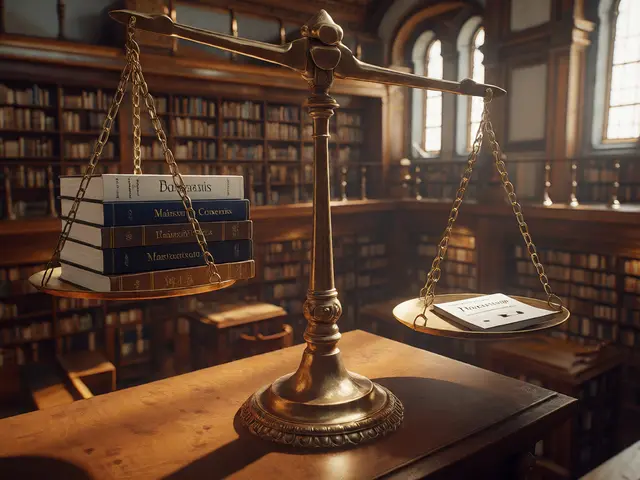
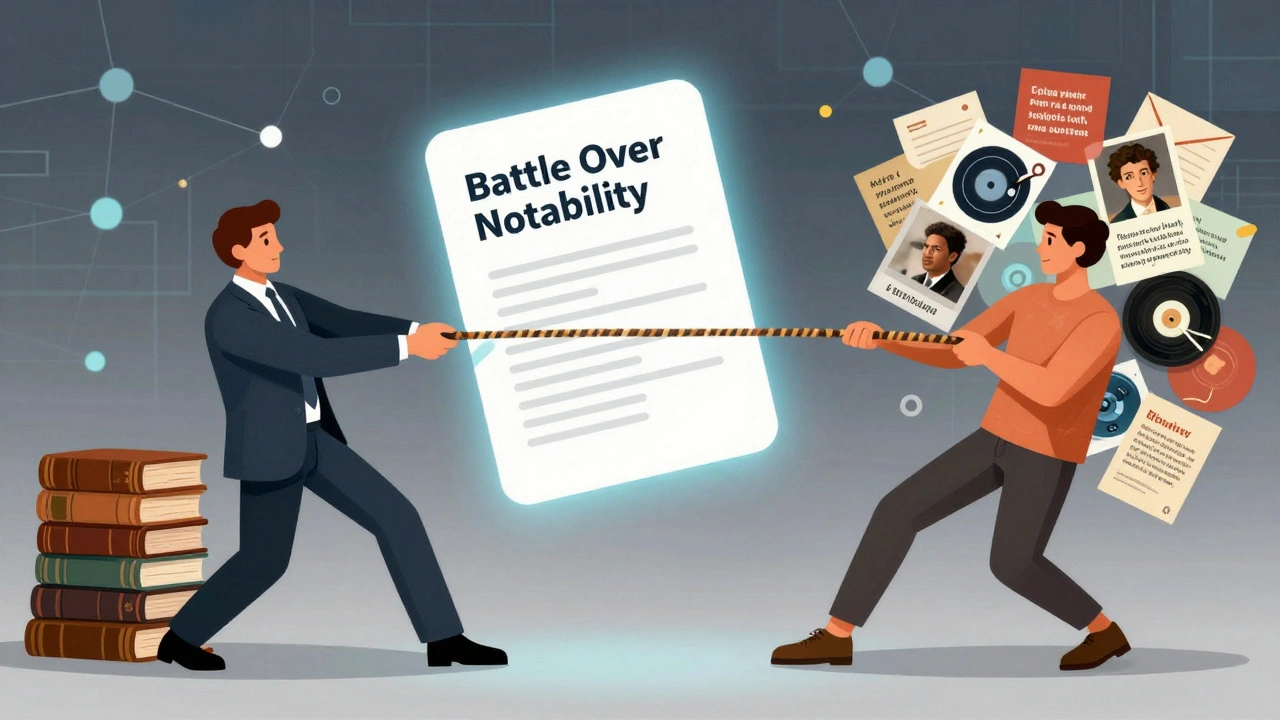
The most heated debates on the platform center around Notability, which is the set of guidelines used to determine if a person or topic deserves their own page. In theory, notability is based on "significant coverage in reliable sources." On paper, that sounds fair. In practice, it's a trap.
Think about it this way: if women have been historically ignored by historians and journalists, they won't have as many "reliable sources" written about them. If a Wikipedia editor then rejects a biography because there aren't enough sources, they aren't just following a rule-they are reinforcing the very historical erasure that caused the gap in the first place. It's a circular logic that keeps marginalized voices off the platform.
For example, a male politician from the 19th century might have three mediocre biographies in old books, making him "notable." A female poet from the same era might have been globally influential but never had a formal biography written because of the social norms of the time. Under strict notability rules, the man gets a page and the woman doesn't. This sparks fierce content disputes between editors who want to strictly follow the rules and those who believe the rules need to evolve to ensure equity.
| Strict Traditionalists | Equity Advocates |
|---|---|
| Focus on existing source volume. | Focus on historical context and impact. |
| Rules prevent "vanity pages." | Rules perpetuate historical erasure. |
| Neutrality means following the manual. | Neutrality requires active correction of bias. |
Who is Actually Editing?
To understand why these biases persist, we have to look at the demographics of the editors. For years, the data has shown that the vast majority of contributors are men from the Global North. When a small, homogenous group controls the flow of information, they bring their own blind spots. This isn't just about gender; it's about geography, class, and language.
The environment can also be hostile. Many women and non-binary editors report being treated with more suspicion than their male counterparts. A male editor might be seen as "rigorous" for questioning a source, while a female editor doing the same might be labeled as "aggressive" or "difficult." This cultural friction leads to burnout, causing many diverse editors to leave the platform, which only makes the gap wider.
Closing the Gap: The Women in Red Movement
It's not all bad news. There are organized efforts to tear down these walls. One of the most successful is Women in Red, a project dedicated to creating pages for women who are currently just "red links" (links to pages that don't exist yet). Instead of waiting for the system to change, these editors are proactively finding missing figures in science, art, and politics and building their biographies from the ground up.
These initiatives do more than just add pages. They challenge the community to rethink how they source information. They push for the inclusion of non-traditional sources, like oral histories or specialized archives, which often hold the only records of women's contributions. By flooding the system with high-quality entries for women, they are effectively shifting the baseline of what is considered "notable."
The Paradox of Neutrality
Wikipedia's core tenet is the Neutral Point of View, or NPOV. But the current debate is whether "neutrality" is actually possible. If the existing world is biased, is a "neutral" reflection of that world also biased? If you simply report the number of sources available, you are reporting a biased history.
Critics of the strict NPOV approach argue that for the encyclopedia to be truly accurate, it must be actively anti-biased. This means deliberately seeking out underrepresented voices and giving them the space they deserve. The tension here is between "neutrality as a mirror" (reflecting the world as it is) and "neutrality as a balance" (ensuring all perspectives are represented). Most of the current content disputes on the platform are essentially a fight between these two philosophies.

Beyond the Binary: Non-Binary and Trans Representation
The conversation has also expanded beyond the male/female divide. The representation of Non-Binary and transgender individuals is another frontier of systemic bias. These entries are often targets for vandalism or "edit wars," where users repeatedly change the gender or pronouns of a subject to align with their own beliefs rather than the subject's identity.
This highlights a deeper issue: the platform's reliance on consensus. When a community reaches a consensus based on a shared prejudice, the truth gets buried. The fight for accurate gender representation for trans people is less about the amount of content and more about the accuracy and respect of that content. It's a battle for the right to define oneself in the digital record.
Why does the gender gap on Wikipedia still exist in 2026?
The gap persists because of a combination of an overwhelmingly male editor base and rigid notability guidelines. Since historical records are themselves biased toward men, using those records as the sole criteria for notability creates a cycle where women remain underrepresented.
What are "red links" and why do they matter?
A red link is a link to a page that hasn't been created yet. For projects like Women in Red, these links serve as a "to-do list" of missing biographies. Turning a red link into a blue one means a person's legacy has been officially documented on the site.
Can anyone help close the gap?
Yes. Anyone can create an account and start editing. The best way to help is to find notable women or non-binary people who lack pages, find reliable sources about them, and create a draft. Joining existing edit-a-thons is also a great way to get started with support.
Is the gender gap only about the number of articles?
No. It's also about the quality and framing of the content. This includes the use of biased language, the omission of professional achievements in favor of personal details, and the lack of representation in high-traffic "featured" articles.
How does systemic bias differ from individual bias?
Individual bias is one person's prejudice. Systemic bias is built into the rules and processes. In Wikipedia's case, the "notability" rule is a systemic bias because it favors those who were already favored by the traditional publishing and academic industries.
What Happens Next?
The future of Wikipedia depends on whether it can move from being a "mirror of the world" to a "curator of knowledge." If the platform continues to rely strictly on legacy sources, the gender gap will never truly close because the archive of human history is fundamentally broken.
The path forward involves diversifying the editor base and updating the guidelines to account for historical bias. We are seeing a slow shift toward more inclusive sourcing, but the resistance remains strong. For the average reader, the best move is to stay critical. When you notice a gap in information, don't assume the person wasn't important-assume the system failed to record them.