The Paradox of Decentralized Control
Most companies handle bad press by gathering their executives in a boardroom and drafting a single, polished statement. The Wikimedia Foundation can't do that. Why? Because they don't actually control the content of Wikipedia. The site is run by a global community of volunteers. If a journalist writes that a specific page is biased, the Foundation can't just "fix" it without violating the core tenet of community governance. This creates a unique tension. When negative press hits, the Foundation often has to explain to the world that they are the landlords, not the authors. This distinction is critical. If they stepped in to edit pages during a PR crisis, they would be accused of censorship. If they stay silent, they look indifferent. Their strategy revolves around defending the *process* rather than the specific *content*.Common Triggers for Negative Press
Negative coverage usually falls into a few predictable buckets. The most frequent is the "unreliable source" narrative, where a high-profile person discovers a mistake on their own bio page and goes to the press. Then there are the systemic bias accusations-claims that the site leans too far in one political or cultural direction. Finally, there are the internal conflicts, like disputes over how the Foundation spends its massive endowment. Take, for example, the recurring debates around gender gaps in contributors. When reports highlight that a vast majority of editors are male, the Foundation doesn't deny the data. Instead, they lean into the problem. They use the negative press as a springboard to launch initiatives like the Gender Gap Project. By acknowledging the flaw and presenting a concrete plan to fix it, they turn a critique into a mission statement.The Wikimedia Playbook for Media Response
When a crisis breaks, the Foundation generally follows a specific sequence of actions to neutralize the heat. They don't hide behind "no comment" because that usually fuels more speculation in the tech and journalism world.- Rapid Fact-Checking: They first determine if the negative claim is about a technical failure (like a server crash) or a content issue. Technical failures get a direct apology and a timeline for the fix.
- The "Process" Pivot: If the press is attacking a specific article, the response focuses on the Wiki-governance model. They explain how the "Talk" pages work and how community consensus is reached.
- Transparency Reports: To counter claims of secrecy, they rely on public data. Providing raw numbers often shuts down vague accusations of "hidden agendas."
- Directing Traffic to the Community: They often point journalists toward the actual editors. This shifts the narrative from "The Foundation failed" to "The community is debating this."

Comparing Traditional PR vs. The Wikimedia Approach
To understand why this works, you have to see how it differs from a standard corporate PR machine. A company like Apple or Google controls their narrative with an iron fist. Wikimedia operates more like a diplomatic mission.| Feature | Corporate PR (Standard) | Wikimedia Foundation |
|---|---|---|
| Control | Centralized and strict | Decentralized and community-led |
| Primary Goal | Protect brand image/stock price | Protect the integrity of the knowledge process |
| Response Style | Polished, vetted statements | Transparent, process-oriented explanations |
| Conflict Resolution | Internal management/Legal | Public debate on Talk pages |
Managing the "Edit War" Narrative
One of the hardest things for a general audience to grasp is the concept of an "edit war." To a journalist, two people fighting over a sentence in a paragraph looks like chaos. To a Wikipedian, it's just how the site reaches the truth. When the media portrays these battles as a failure of the platform, the Foundation uses Media Relations experts to explain the concept of "Neutral Point of View" (NPOV). They argue that the conflict itself is proof that the system is working-different perspectives are clashing until a verifiable, cited middle ground is found. By framing the chaos as "collaborative refinement," they change the emotional tone of the story from one of instability to one of rigor.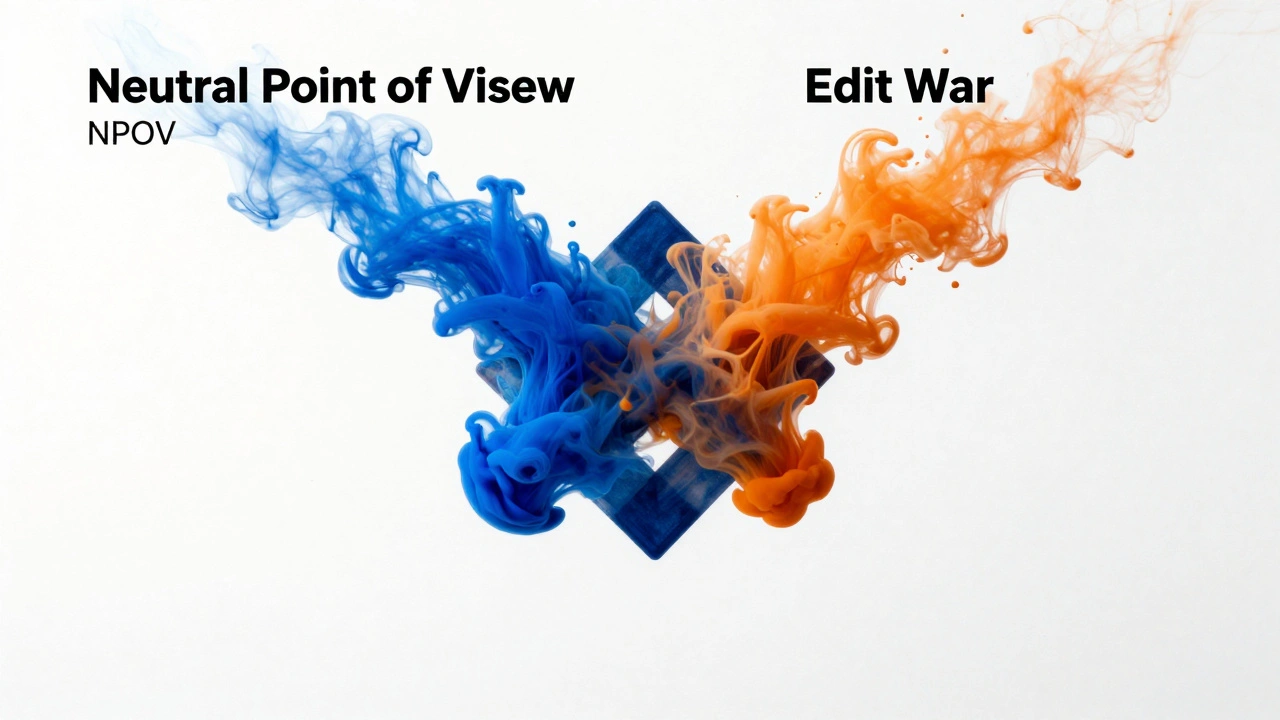
The Role of the Community as a Shield
Interestingly, the most effective part of Wikimedia's crisis communication isn't actually coming from the Foundation's paid staff. It's coming from the Wikipedia Community. When a major newspaper publishes a factual error about how Wikipedia works, thousands of editors often swarm the comments section or write rebuttal pieces. This organic defense is far more powerful than any press release. It proves that there is a passionate, global army of people who believe in the project. The Foundation's job is simply to provide the infrastructure and the high-level talking points, while the users provide the grassroots credibility. This synergy allows the organization to survive scandals that would sink a traditional company.Avoiding the "Ivory Tower" Trap
There is a danger, however, in becoming too detached. When the Foundation makes decisions about its multi-billion dollar endowment or shifts its focus toward "Knowledge Equity," the community sometimes turns on them. This is a different kind of crisis-internal rather than external. To handle this, they use a strategy of radical openness. They publish detailed budgets and hold public consultations. When they are accused of being out of touch, they don't send a lawyer; they host a Q&A session. They understand that in a project built on transparency, the only way to fight a negative narrative is with more information, not less.Does the Wikimedia Foundation edit Wikipedia pages during a PR crisis?
Generally, no. The Foundation maintains a strict separation between its administrative duties and the content of the encyclopedia. Editing pages to solve a PR problem would violate the community's trust and the site's neutral point of view policies. They focus on explaining the process rather than changing the content.
How does the Foundation handle lawsuits regarding defamation on Wikipedia?
The Foundation typically relies on legal protections like Section 230 in the US, which protects platform providers from being held liable for content posted by third-party users. Their communication strategy emphasizes that the content is user-generated and subject to community oversight.
What is NPOV and why is it important for their PR?
NPOV stands for Neutral Point of View. It is the cornerstone of Wikipedia's content policy. In a crisis, the Foundation uses NPOV to explain that the goal isn't to find one "absolute truth," but to represent all significantly held views fairly and without bias.
How do they react when a celebrity complains about their page?
They usually point the celebrity toward the community guidelines. They encourage the use of "requesting a change" through a neutral third party rather than claiming the Foundation can simply delete a sentence. This reinforces the idea that the site is governed by rules, not by the whims of the organization.
Does the Foundation employ a traditional PR firm?
While they have internal communications and media relations teams, their approach is fundamentally different from a corporate PR firm. They prioritize transparency and community engagement over image curation and "spin."