On December 1st each year, thousands of Wikipedia contributors around the world pause their editing to celebrate something unusual: birthdays of people listed in Wikidata. It’s not about cake or candles-it’s about honoring the lives of real people whose stories might otherwise vanish into obscurity. These aren’t celebrities. They’re teachers, scientists, activists, artists, and local historians-people who made a difference in their communities and now live on in structured data.
What Happens During Wikidata Birthday Events?
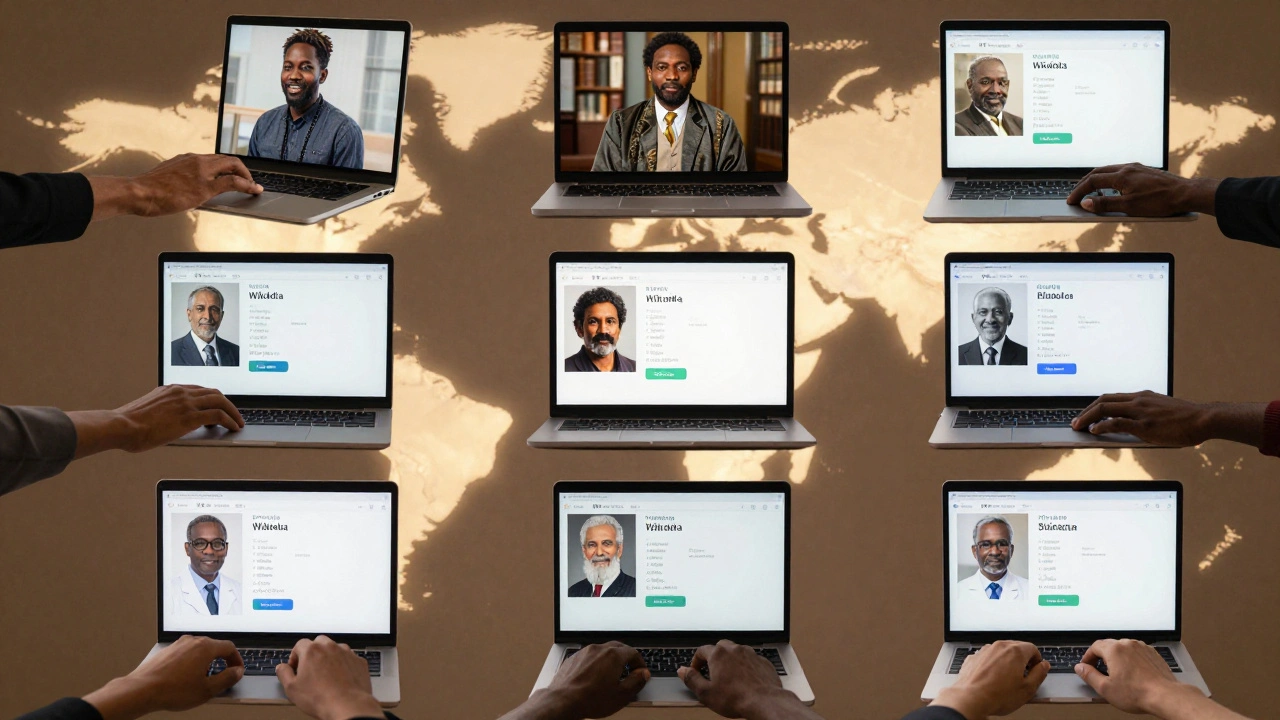
On December 1, volunteers gather online to check Wikidata entries for people born on that day. They look for missing birth dates, incomplete biographies, or missing connections to places, occupations, or achievements. Then they fix them. One contributor in Nairobi adds a birthplace to a Kenyan poet. Someone in Berlin updates the occupation of a 19th-century German botanist. A student in Mexico City links a local educator to their published works. These aren’t big edits. But they add up.
Since 2019, this has become an annual tradition. The event started as a quiet experiment by a group of German Wikipedians who noticed how many notable people had incomplete data. They picked December 1 because it’s close to the end of the year-when editors have more free time-and because it doesn’t clash with major holidays. Now, over 3,000 people from 78 countries participate. The event has no formal organizers, no prizes, no sponsors. Just people who care about accuracy in public knowledge.
Why Wikidata? Why Birthdays?
Wikidata is the behind-the-scenes database that powers Wikipedia’s infoboxes, search results, and language links. It holds over 110 million items-each one a unique entity like a person, place, book, or event. For people, it stores birth and death dates, gender, nationality, occupations, and relationships to other entities. But a lot of this data is incomplete, especially for non-Western figures or historical individuals.
Birthday events work because they’re simple. Everyone understands birthdays. They’re concrete. You don’t need to know what a “P373” property code is to know that someone was born on December 1, 1923. Finding missing birthdays becomes a puzzle: Who was born on this day? Do we have their name? Their country? Their contribution? If not, you fix it. It’s editing with purpose.
And it’s effective. In 2024 alone, contributors added over 42,000 new birth dates to Wikidata during the event. That’s more than 115 per hour, around the clock. For every person added, there’s a chance their story gets picked up by Wikipedia, a school project, or a museum exhibit. One woman in Poland, after adding the birth date of a forgotten female engineer from 1912, found her name on a plaque in her hometown two months later.
Who Gets Added?
The rule is simple: if someone is notable enough to have a Wikipedia page, they should have a Wikidata item with a birth date. But the event often uncovers people who don’t have Wikipedia pages yet. That’s where things get interesting.
Last year, a contributor from India found the birth record of a woman who ran the first all-women’s textile cooperative in Madurai in the 1950s. She had no Wikipedia page, but her name appeared in a digitized newspaper archive. The contributor added her to Wikidata, tagged her with the occupation “social entrepreneur,” and linked her to the cooperative’s entry. Within weeks, someone in Chennai wrote a short Wikipedia article about her. Now she’s searchable in 12 languages.
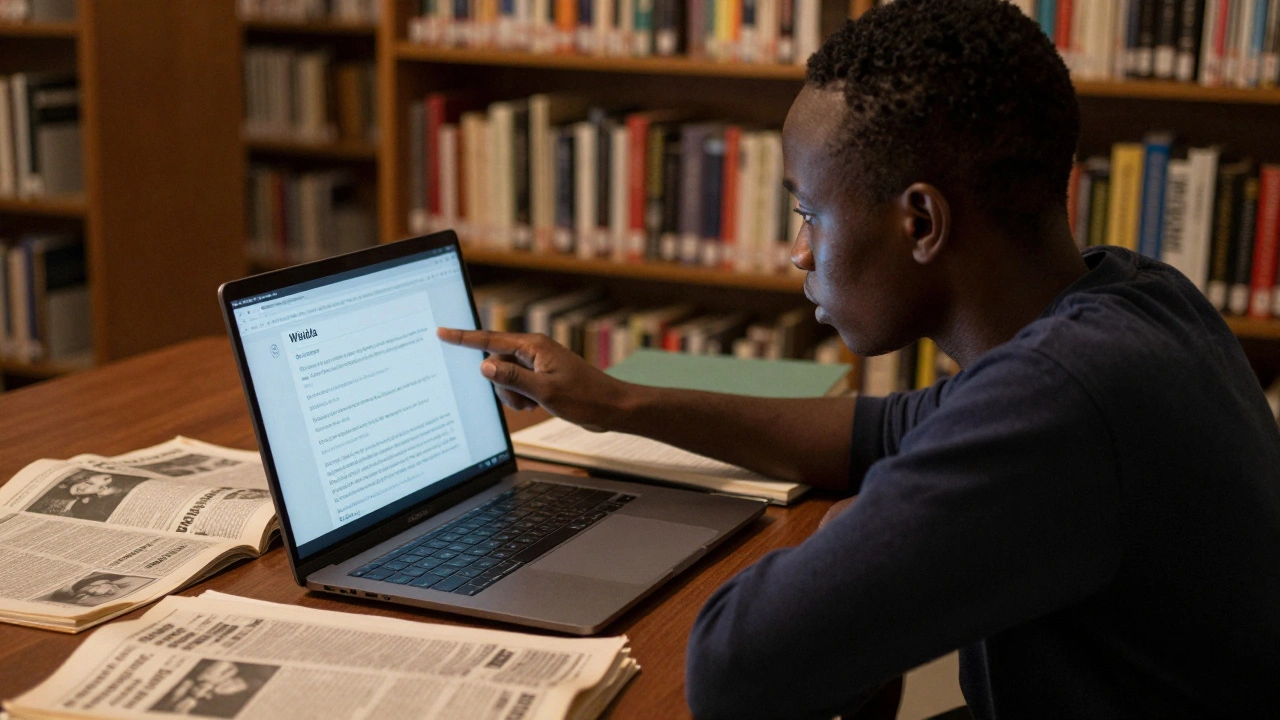
There’s no gatekeeping. You don’t need to be an expert. You don’t need to know how to code. You just need access to a reliable source-a digitized book, a government archive, a university thesis, even a family obituary published online. The community has a clear guideline: if it’s verifiable, it belongs in Wikidata.
How to Join the Celebration
You don’t have to wait for December 1 to get involved. The tools are free, open, and designed for beginners.
- Go to Wikidata.org and create a free account.
- Search for someone you know was born on December 1-maybe a local historian, a relative, or someone from your town.
- If their entry is missing a birth date, find a reliable source (a book, a website from a museum, a newspaper archive).
- Click “Edit,” add the date using the property “date of birth” (P569), and cite your source.
- Optional: Add their occupation (P106), country of citizenship (P27), or other details if you have them.
There’s no pressure to do it all. Adding one birth date counts. Fixing one missing occupation counts. The event thrives on small, consistent actions.
Many new contributors start by using the “Birthday Bot” tool, which suggests people with missing birth dates based on Wikipedia articles. Others join the Discord server or Telegram group where volunteers share tips and celebrate each other’s edits. There’s even a yearly leaderboard showing who added the most entries-but no one wins. The reward is seeing your name in the edit history of a life that might have been forgotten.
Impact Beyond the Data
The real power of these events isn’t just in the numbers. It’s in who gets remembered.
In 2023, a group of contributors from Ghana added over 800 birth dates of people who helped build the country’s education system after independence. Many were women. Many had never been listed in any digital archive before. After the edits, a university in Accra reached out to use the data for a public exhibit. A teacher in Kumasi started using Wikidata entries in her history class. Students began researching their own grandparents’ connections to these figures.
This is how open knowledge grows-not from top-down projects, but from bottom-up care. One edit at a time, people who were erased by colonial records, ignored by mainstream histories, or lost to time are being restored. Wikidata doesn’t just store facts. It rebuilds memory.
What’s Next?
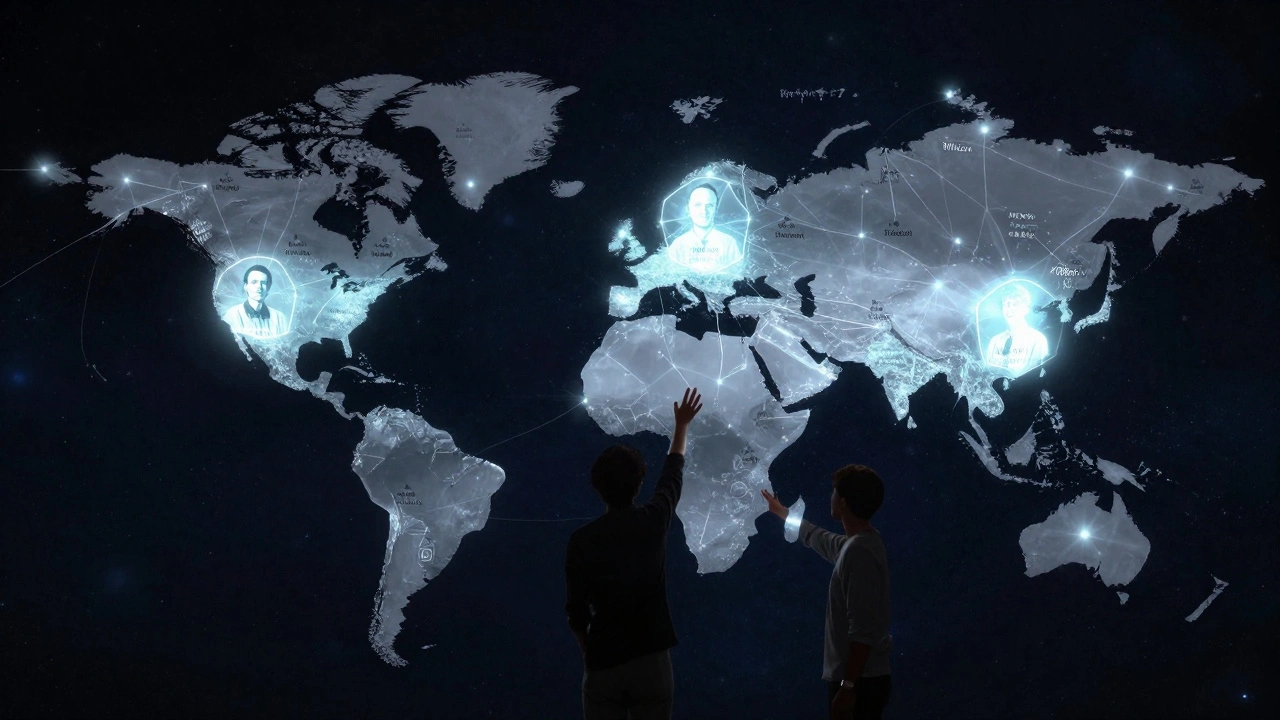
The event is expanding. In 2025, organizers launched “Wikidata Birthdays: Local Voices,” a pilot project that encourages contributors to focus on people from underrepresented regions-rural communities in Southeast Asia, Indigenous leaders in Latin America, elders in African oral history traditions. The goal: make sure the data reflects the world, not just the parts of it that have been documented by Western institutions.
There’s also a growing movement to link these entries to public libraries and school curricula. In Estonia, a national education initiative now includes a module on how to use Wikidata to research local history. In Canada, a public library in Winnipeg offers monthly “Wikidata Repair Days” where seniors learn to add birth dates of community members who helped build the city.
The next milestone? Making Wikidata the default source for birth data in digital archives. Right now, museums, genealogy sites, and historical societies still rely on scattered, proprietary databases. But if Wikidata becomes the central, open source for verified biographical data, it could change how history is accessed forever.
Why This Matters
Every person added to Wikidata is a small act of resistance against forgetting. In a world where algorithms decide what’s visible and what’s not, these edits are a way to say: they mattered. They lived. They worked. They changed things. And now, their names are part of the public record.
You don’t need to be a historian. You don’t need to be a tech expert. You just need to care enough to look up someone’s birth date and type it in. That’s how knowledge becomes shared. That’s how memory becomes collective.
December 1 is coming. Will you be there?
What is Wikidata and how is it different from Wikipedia?
Wikidata is a free, open database that stores structured data used by Wikipedia and other projects. While Wikipedia has articles written in natural language, Wikidata holds facts like birth dates, occupations, and relationships between people, places, and things. It’s the backbone that helps Wikipedia articles stay accurate across 300+ languages.
Do I need to be a Wikipedia editor to join the birthday event?
No. You only need a free Wikidata account. The event welcomes anyone who can find a reliable source for a birth date. Many participants have never edited Wikipedia before. The tools are simple, and the community offers help for beginners.
Can I add birthdays for living people?
Yes, but only if the person is notable and their birth date is publicly documented in reliable sources like official biographies, news articles, or government records. Privacy matters-never add personal data without a verifiable public source.
What if I can’t find a reliable source for a birth date?
Don’t guess. Wikidata requires citations. If you can’t find a source, leave the entry as is or note the gap on the talk page. It’s better to wait than to add unverified information. The community values accuracy over speed.
Is this event only on December 1?
The main celebration is on December 1, but edits happen year-round. Many contributors use the event as a starting point and keep adding birth dates throughout the year. The tools and community support are always available.
How do I know if a person is notable enough for Wikidata?
A person is notable if they have a Wikipedia article in any language, or if they’re mentioned in multiple independent, reliable sources like books, academic papers, or major news outlets. You don’t need fame-just documented impact in their field or community.