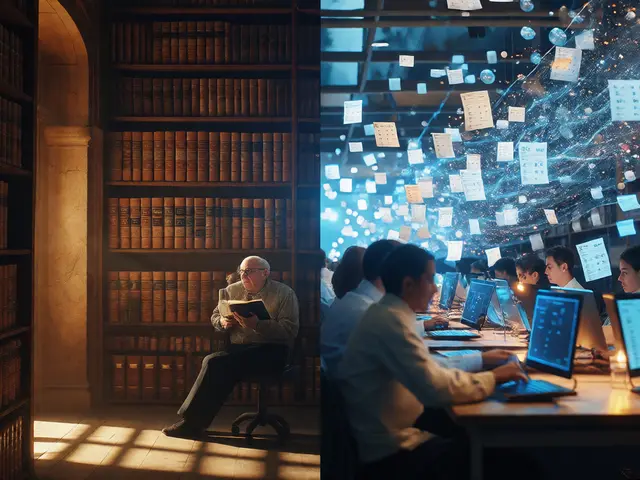
Wikipedia isn’t just a website-it’s a living library built by millions of volunteers. But every year, tens of thousands of new editors join, and most vanish within days. Why? Because they’re thrown into a maze of policies, templates, and edit wars without a map. The good news? Wikipedia has built-in tools designed exactly for this problem. These aren’t fancy apps or AI assistants-they’re simple, free, and powerful features that turn first-time contributors into confident editors.
Start with the Welcome Mat: The New Editor Dashboard
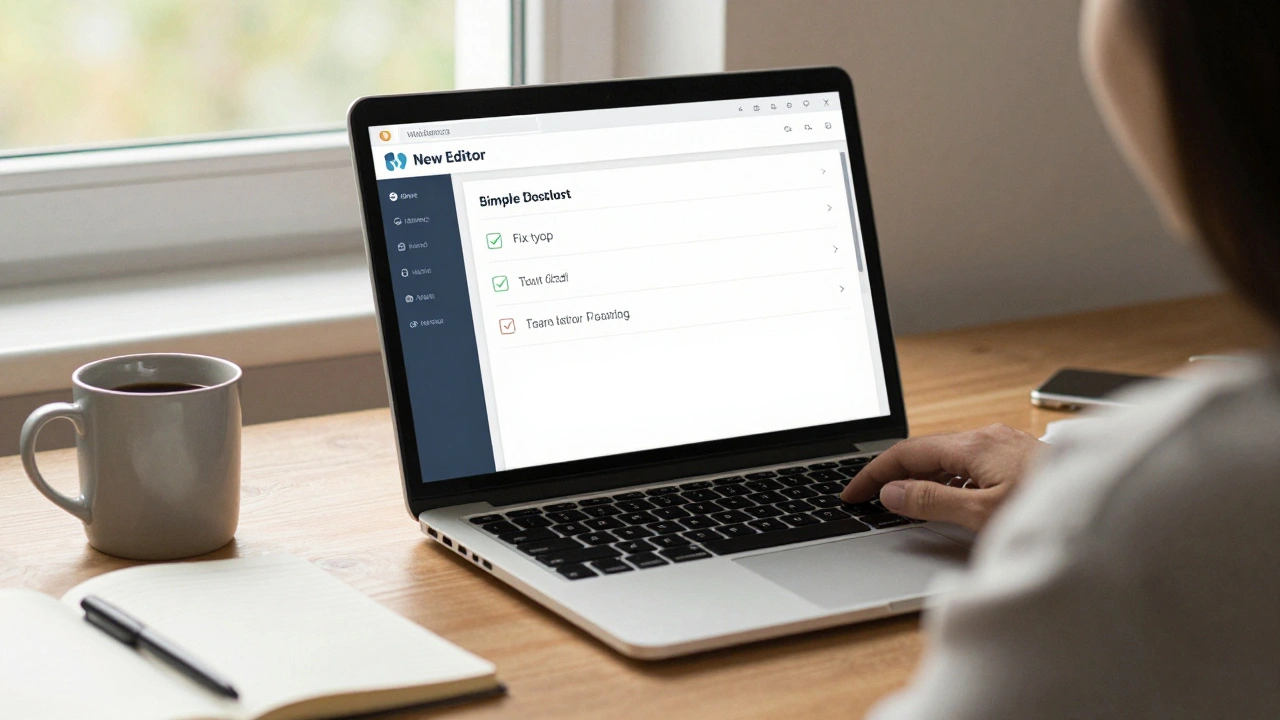
When someone creates a Wikipedia account, they’re automatically enrolled in the New Editor Dashboard. This isn’t a pop-up or a banner-it’s a full interface built into the site. It shows a personalized to-do list based on what kind of edits they’ve made so far. Did they fix a typo? The dashboard suggests three more articles with similar issues. Did they add a citation? It prompts them to learn how to format references properly.
The dashboard doesn’t overwhelm. It gives one task at a time. In 2024, Wikipedia’s internal data showed that editors who completed just three tasks from the dashboard were 47% more likely to make a second edit within a week. That’s the magic of micro-learning: small wins build confidence. You don’t need to know all the rules to start. You just need to know the next step.
Use the Tutorial System: Learn by Doing
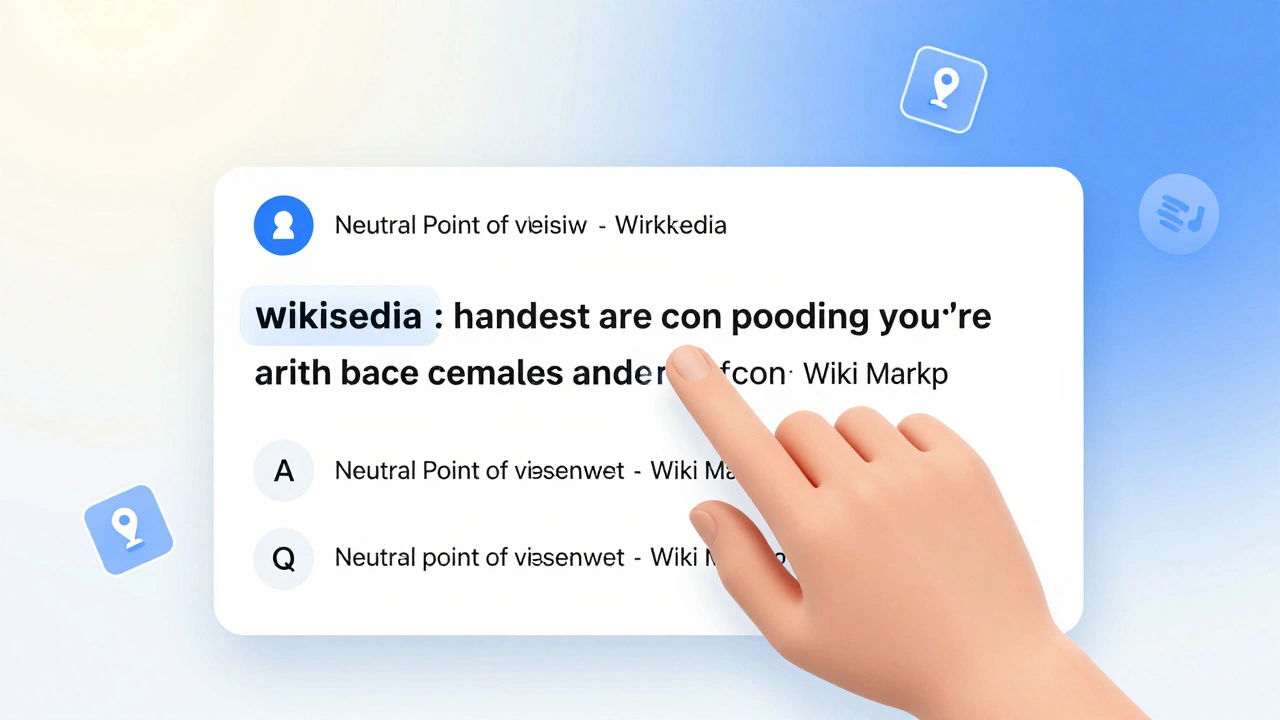
Wikipedia’s interactive tutorials are the closest thing to a guided tour of the site. There are five core ones: Editing Basics, Citing Sources, Neutral Point of View, Wiki Markup, and Dealing with Conflict. Each takes 10-15 minutes. You don’t read about them-you practice them.
In the Editing Basics tutorial, you’re given a sandbox article. You’re asked to bold a word, add a link, and fix a broken reference. The system checks your work in real time. If you link a term that doesn’t exist, it shows you how to create a red link. If you add a source without a URL, it explains why that’s not enough. There’s no penalty for mistakes. You can reset and try again.
Over 1.2 million people completed at least one tutorial in 2024. Of those, 68% made their first live edit within 24 hours. That’s the power of learning while doing. You’re not memorizing rules-you’re learning how they work in practice.
Tap Into the Mentor Network: Teahouse and Help Desk
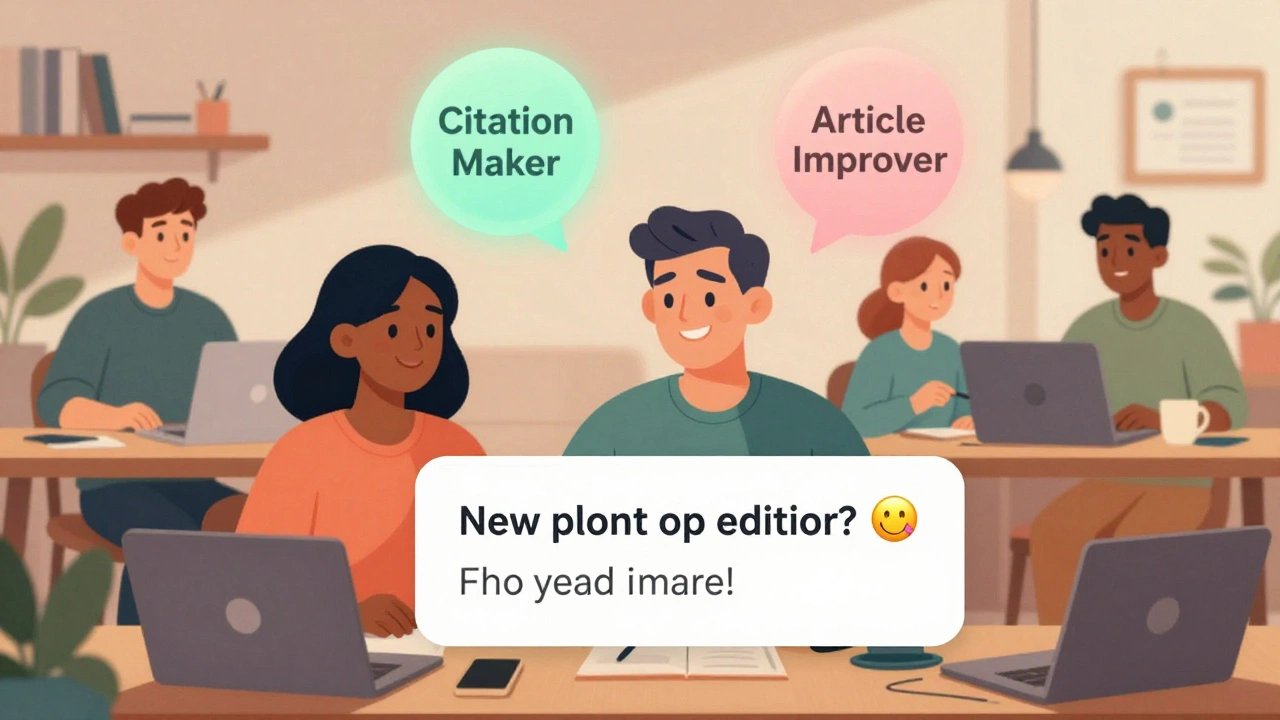
Wikipedia doesn’t have customer support. But it does have something better: a community of volunteer mentors. The Teahouse is a live chat room for new editors. It’s not a forum. It’s not a comment section. It’s a real-time space where experienced editors answer questions like, “How do I fix this citation?” or “Why was my edit reverted?”
Teahouse volunteers don’t just fix your edit-they explain why. They link you to policy pages. They show you examples. And they never say, “Read the manual.” They say, “Here’s what I’d do.”
There’s also the Help Desk, a text-based Q&A board where you can post a question and get a reply within hours. Unlike Reddit or Stack Overflow, responses here are moderated for tone. You won’t be mocked for asking a “simple” question. In fact, the most common phrase you’ll see is: “Great question-thanks for asking.”
Track Progress with the Edit Counter and Badge System
Wikipedia doesn’t reward you with points or levels. But it does give you visible milestones. Every editor gets an Edit Counter-a simple number that tracks how many edits you’ve made. It’s not public by default, but you can turn it on in your preferences.
Beyond that, there are achievement badges. Not flashy ones. Real ones. Like the “Citation Maker” badge for adding 50 verified references. Or the “Article Improver” for expanding five stub articles beyond 1,000 words. These aren’t trophies. They’re proof you’ve learned something.
These tools work because they turn abstract effort into concrete progress. You don’t feel like you’re just editing. You feel like you’re building something. And that’s what keeps people around.
Use the Visual Editor: No Code Needed
For years, Wikipedia was known for its confusing wikitext. Brackets, pipes, asterisks-it looked like code. But the Visual Editor changed that. Now, you can edit like you’re using Word. Click a word. Bold it. Highlight a sentence. Add a link by selecting text and clicking “Link.” No memorizing syntax.
It’s not perfect. Sometimes it messes up templates. But for beginners? It’s a game-changer. In 2023, Wikipedia found that editors who started with the Visual Editor were 3x more likely to make a second edit than those who used wikitext right away. And after five edits, most switch to wikitext naturally-because they understand what it does.
Turn it on in your preferences. Use it for your first 10 edits. Then try wikitext. You’ll be surprised how much easier it feels.
Join a WikiProject: Find Your People
Wikipedia has over 2,000 WikiProjects. These are groups of editors focused on a topic: medicine, video games, local history, women in science. Joining one is like finding your tribe.
Each project has a talk page, a list of articles that need work, and often a mentor. You might join the “Women Writers” project and be assigned to expand a biography of a 19th-century poet. Someone will review your draft. They’ll suggest sources. They’ll help you fix tone. You’ll get feedback-not criticism.
Editors who join a WikiProject are 5 times more likely to stay active after six months. Why? Because they’re not editing in a vacuum. They’re part of a team with a shared goal.
What Happens When You Use These Tools Together?
Imagine a new editor: Maria. She signs up because she wants to fix a typo in an article about her hometown library. She uses the Visual Editor to make the change. The New Editor Dashboard suggests she add a source. She runs the “Citing Sources” tutorial. She finds a library website and adds it. The system gives her a badge. She checks the Teahouse and asks how to format the citation correctly. Someone replies with a link to a template. She edits again. Now she’s made five edits. She joins the “Local History” WikiProject. A veteran editor invites her to help update three more articles. Two weeks later, she’s writing her own draft.
This isn’t rare. It’s standard. The tools are designed to work in sequence. Each one lowers the barrier just enough so the next step feels possible.
Why Most New Editors Leave-And How to Avoid It
The biggest reason people quit? They feel ignored. Or worse-they get reverted without explanation. A single negative experience can make someone quit forever.
But here’s the truth: most reverts aren’t personal. They’re about policy. A good editor doesn’t just fix your edit-they explain why it was changed. That’s what the tools above are built for. They give you the context before you make a mistake.
Don’t start by writing a 2,000-word article. Start by fixing one sentence. Use the tutorial. Ask in the Teahouse. Join a WikiProject. Let the tools guide you. You don’t need to be an expert. You just need to be willing to learn one step at a time.
What Comes Next?
After your first 20 edits, you’ll notice something: you’re not thinking about the rules anymore. You’re thinking about the content. You’re asking, “Is this accurate?” “Is this fair?” “Does this help someone?” That’s when Wikipedia stops being a website and becomes a mission.
The tools are there to get you there. Use them. They’re not optional. They’re the reason Wikipedia still grows-slowly, steadily, and with real people at the center.
Do I need to know how to code to edit Wikipedia?
No. Wikipedia’s Visual Editor lets you edit like you’re using a word processor. You can bold text, add links, and insert images without typing any code. Most new editors start with this tool. You only need to learn wikitext (the old formatting system) if you want to do advanced edits later-and even then, the system helps you learn it gradually.
What if my edit gets reverted?
Reversions happen, but they’re not personal. Often, it’s because a source is missing, the tone is biased, or the info is already covered elsewhere. Check the edit summary-it usually explains why. Use the Help Desk or Teahouse to ask for clarification. Most editors are happy to explain. This is part of learning, not punishment.
How long does it take to become a regular editor?
There’s no timeline. Some people make their first edit and never return. Others become regulars after five edits. It depends on how often you use the tools: the dashboard, tutorials, Teahouse, and WikiProjects. The key isn’t time-it’s engagement. If you complete one tutorial, ask one question, and join one project, you’re already on the path.
Can I edit Wikipedia on my phone?
Yes. The Wikipedia app has a built-in Visual Editor. You can fix typos, add citations, and upload photos directly from your phone. Many edits-especially for local history, current events, or corrections-are done on mobile. You don’t need a computer to contribute meaningfully.
Are there age restrictions to edit Wikipedia?
No. Wikipedia welcomes editors of all ages. There’s no formal age limit. However, users under 13 are advised to get parental permission due to privacy policies. Many students, teachers, and retirees are active contributors. What matters is your willingness to follow guidelines-not your age.
What’s the most common mistake new editors make?
Adding original research or personal opinions. Wikipedia isn’t a blog. It only includes information that’s already published in reliable sources. New editors often think, “I know this is true,” but unless it’s cited from a book, article, or official site, it can’t stay. The tutorials and mentors help you learn this early.
Start small. Use the tools. Ask questions. You’re not just editing a website-you’re helping build a public resource that millions rely on every day.