Imagine you’re browsing a popular online encyclopedia late at night. You see a new article about a local politician that appeared an hour ago. The tone is oddly aggressive, the facts are slightly off, and the user who created it has never edited before. Is this a passionate newcomer making mistakes, or is it the same troll from last week creating a new account to harass the subject? Most regular readers never think about how the platform solves this puzzle. But behind the scenes, a specialized group of trusted editors uses powerful tools to answer exactly these questions.
The CheckUser and Oversight functions are not just technical features; they are critical components of the Wikipedia governance model designed to balance open collaboration with user safety and privacy. If you’ve ever wondered how volunteers police millions of edits without turning into surveillance state agents, you need to understand who holds these keys and when they use them.
The Core Problem: Anonymity vs. Accountability
Wikipedia thrives on anonymity. You don’t need to provide your real name to edit. This freedom encourages participation but creates a massive loophole for abuse. Bad actors can create dozens of accounts (sockpuppets) to vote in disputes, harass specific users, or disrupt articles while hiding their identity. Regular administrators can block an IP address or a username, but they cannot see the hidden data linking those identities together.
This is where the distinction between public actions and private investigations becomes vital. The community agreed long ago that we shouldn’t sacrifice all privacy to catch vandals. Instead, we limit access to sensitive data to a small, vetted group. These groups are the CheckUsers and Oversighters. They operate under strict guidelines because mishandling their powers could destroy trust in the project’s neutrality.
What Exactly Does a CheckUser Do?
A CheckUser is a volunteer editor granted special permissions to inspect non-public information associated with user accounts. Specifically, they can view the IP addresses and User Agents used during editing sessions. Why does this matter? Because if two different usernames edit from the same IP address within minutes of each other, there’s a strong likelihood they are the same person.
CheckUsers do not have free rein. They cannot simply browse IPs out of curiosity. They must have a valid reason, typically categorized as:
- Blocking evasion: Determining if a blocked user returned under a new name.
- Vandalism: Identifying coordinated attacks by multiple accounts from one source.
- User verification: Confirming that a user is who they claim to be (e.g., verifying a spokesperson).
When a CheckUser runs a query, they get a report showing the IP addresses and browser types. Crucially, they usually see hashed or truncated data rather than full raw logs, depending on the age of the edit. This layer of abstraction protects casual users whose IPs might change due to dynamic internet providers.
Oversight: The Nuclear Option for Sensitive Data
If CheckUser is about connecting dots, Oversight is about erasing footprints. Oversight allows selected editors to hide revisions entirely from public view. Unlike standard deletion, which leaves a log entry saying "page deleted," Oversight removes the content so thoroughly that even logged-in users cannot see what was removed unless they also have Oversight rights.
Why would you hide an edit? Usually, it involves personal data or legal liability. Think of cases involving:
- Doxxing: When someone posts a private home address or phone number.
- Libel: Content that could expose the Foundation to lawsuits.
- Harassment: Edits containing slurs or threats that violate core policies.
- CuPs: Short for "CheckUser Plus," referring to situations where both tools are needed simultaneously.
Oversighters act as the emergency brake. If a student’s embarrassing photo gets uploaded to their biography page, an Overighter can scrub it instantly. Without this tool, the damage might spread across mirrors and caches before a standard admin notices it.
Who Becomes a CheckUser or Overighter?
You don’t apply for these roles like a job. They are appointed through a rigorous Request for Comment (RfC) process. Candidates must demonstrate years of consistent, high-quality contribution. More importantly, they must show emotional stability and discretion. A single leak of private data can lead to immediate revocation of privileges.
The selection criteria focus heavily on trustworthiness. The community looks for editors who:
- Have no history of controversial blocking decisions.
- Understand the technical nuances of IP tracking and privacy laws.
- Are willing to undergo background checks by the Wikimedia Foundation.
- Commit to using the tools only when necessary, not as a first resort.
As of 2026, the number of active CheckUsers and Oversighters remains intentionally low. Keeping the pool small ensures consistency in decision-making and reduces the attack surface for potential data breaches.
The Balance Between Privacy and Openness
Critics often argue that giving volunteers access to IP addresses violates privacy principles. After all, in many jurisdictions, an IP address is considered personally identifiable information (PII). To mitigate this risk, the Wikimedia Foundation enforces strict retention policies. Non-public data is stored for limited periods-often just 90 days for full details, after which it is aggregated or discarded.
Furthermore, CheckUsers are bound by confidentiality agreements. They cannot share findings outside the project without explicit permission. If a CheckUser suspects criminal activity, such as child exploitation material, they coordinate with law enforcement through official channels rather than acting independently. This separation of powers keeps the encyclopedia focused on content, not policing.
| Feature | CheckUser | Oversight |
|---|---|---|
| Primary Goal | Identify sockpuppets and vandalism patterns | Hide sensitive or legally risky content |
| Data Accessed | IP Addresses, User Agents | Edit content, revision metadata |
| Visibility | Results visible only to CU team | Content hidden from all except OS team |
| Common Use Case | Blocked user returning with new account | Removing doxxed personal information |
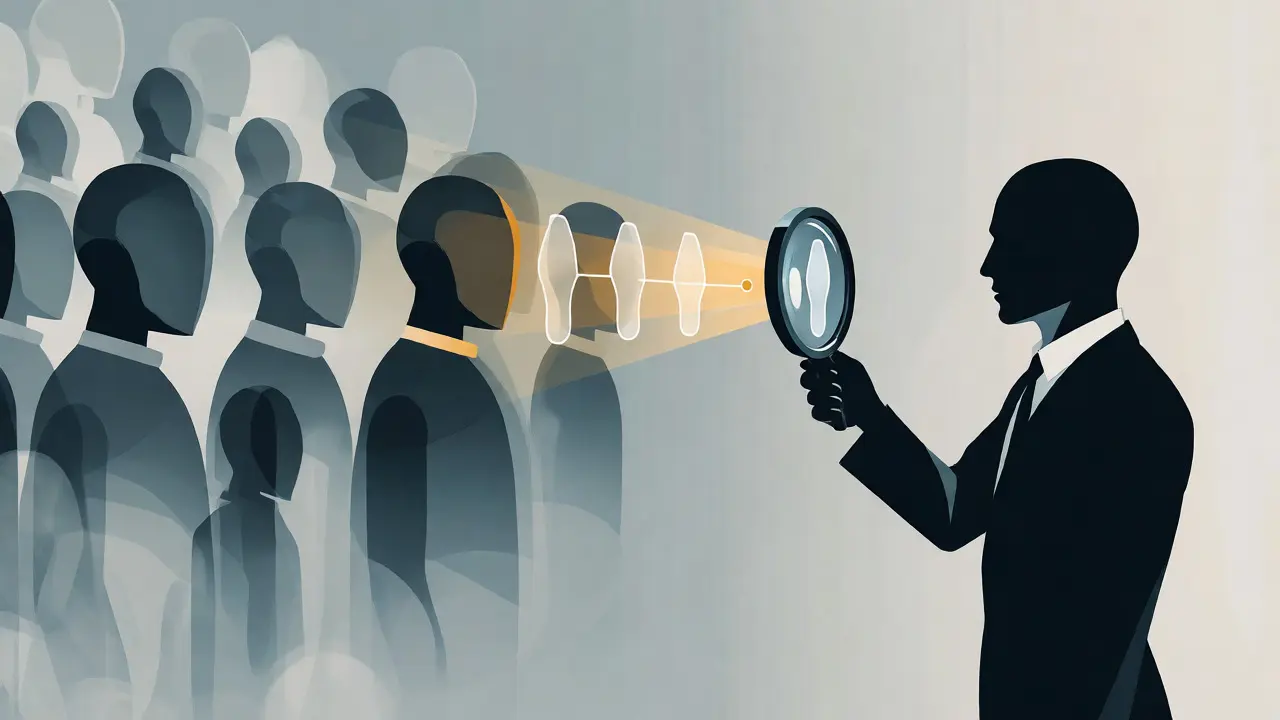
Real-World Scenarios: When Tools Get Used
Let’s look at a concrete example. Suppose a controversial political figure has an article that keeps getting vandalized with false quotes. Three different users add the same fake quote within ten minutes. A regular admin sees three separate names and blocks them individually. The next day, three more accounts appear. It’s whack-a-mole.
An admin requests a CheckUser investigation. The CU reveals that all six accounts originated from the same subnet in a university library. The CU confirms they are likely part of a coordinated campaign by a single individual using multiple devices. With this evidence, the admins can implement a range-block on that subnet, stopping the disruption efficiently. Without CU, the community might have wasted weeks debating whether these were genuine newcomers or trolls.
In another scenario, a celebrity’s death triggers a rush of edits. Someone uploads a graphic image of the body to the article. Within seconds, thousands of views accumulate. An Overighter spots it and hides the revision. The image disappears from the live page and recent changes. Casual browsers never know it existed, preserving the dignity of the deceased and preventing shock value clicks.
Challenges and Future Outlook
The landscape is shifting. As internet infrastructure evolves, identifying users via IP becomes harder. IPv6 adoption means more unique addresses, reducing the effectiveness of simple IP matching. Additionally, privacy regulations like GDPR in Europe and CCPA in California force stricter handling of data. CheckUsers must now navigate complex legal frameworks while maintaining operational speed.
There is also growing pressure to automate some aspects of oversight. Machine learning models can already flag potentially abusive language or doxxing patterns. However, automation lacks context. A machine might flag a medical term as inappropriate in a general article, whereas a human Overighter understands the clinical context. Therefore, human judgment remains irreplaceable.
For the average reader, the takeaway is simple: these tools exist to keep the encyclopedia usable. They prevent the platform from becoming a playground for bad faith actors while respecting the right to edit anonymously. Trust in these systems relies on transparency in process, even if the data itself remains private.
Can anyone request a CheckUser investigation?
No, not directly. Any editor can file a request on the CheckUser noticeboard, providing evidence of suspected sockpuppetry or vandalism. However, a certified CheckUser must review the request and decide if it meets the policy criteria before running the actual technical check. Frivolous requests are quickly dismissed to prevent resource waste.
Does Oversight delete my entire edit history?
Not necessarily. Oversight typically hides specific revisions that contain problematic content. Your other contributions remain visible. If an entire page is oversighted, it might be restored later once the sensitive issue is resolved. The goal is surgical removal of harmful data, not erasure of the contributor's work.
How long is IP data stored by CheckUsers?
The retention period varies based on global privacy standards and local laws. Generally, full IP logs are kept for short durations (e.g., 90 days), while aggregated data may persist longer. Once the retention window closes, the specific link between an edit and an IP address is permanently lost, ensuring long-term privacy protection.
Are CheckUsers paid employees of the Wikimedia Foundation?
Most CheckUsers and Oversighters are unpaid volunteers who have earned the trust of the community. While the Wikimedia Foundation provides the software infrastructure and handles legal compliance, the individuals wielding these tools are typically experienced community members dedicated to the project's integrity.
What happens if a CheckUser abuses their power?
Abuse of tools leads to swift consequences. The Arbitration Committee or the Board of Trustees can revoke CheckUser or Oversight status immediately. In severe cases involving legal violations, the individual may face bans from the project. Transparency reports published annually help hold the system accountable.