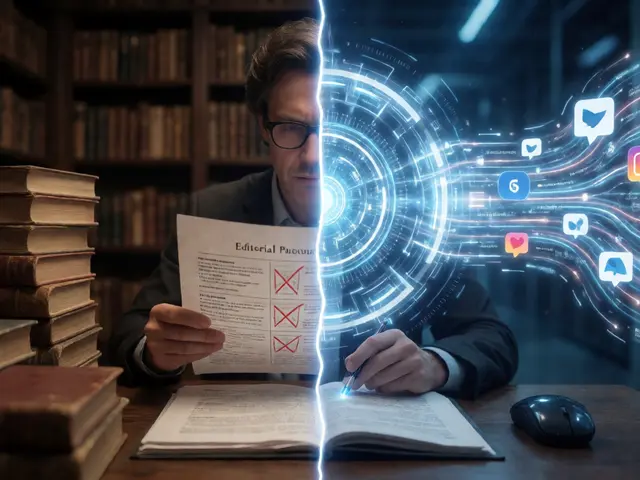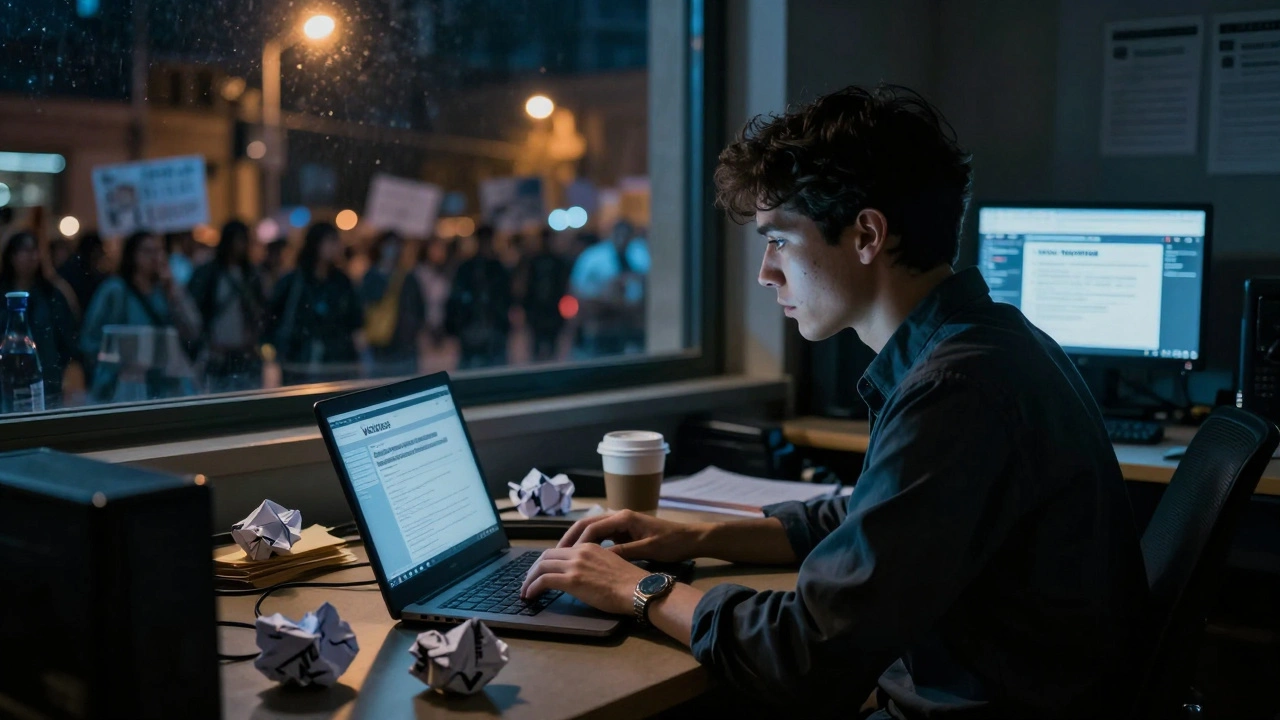
Wikipedia doesn’t write its own news. It depends on what’s published elsewhere. That’s why press freedom isn’t just a political ideal-it’s the backbone of accurate, trustworthy content on the platform. If journalists can’t report without fear, Wikipedia’s sources dry up. And when sources are weak, the whole encyclopedia becomes shaky.
Wikipedia Needs Independent Journalism to Work
Wikipedia’s policy on reliable sources is simple: use what reputable outlets publish. But what makes an outlet reputable? It’s not size, not fame, not even traffic. It’s whether the newsroom operates without censorship, pressure, or financial coercion. A newspaper owned by a government that jails reporters doesn’t count as reliable-even if it has millions of readers. A small independent blog with transparent sourcing and corrections policies? That might.
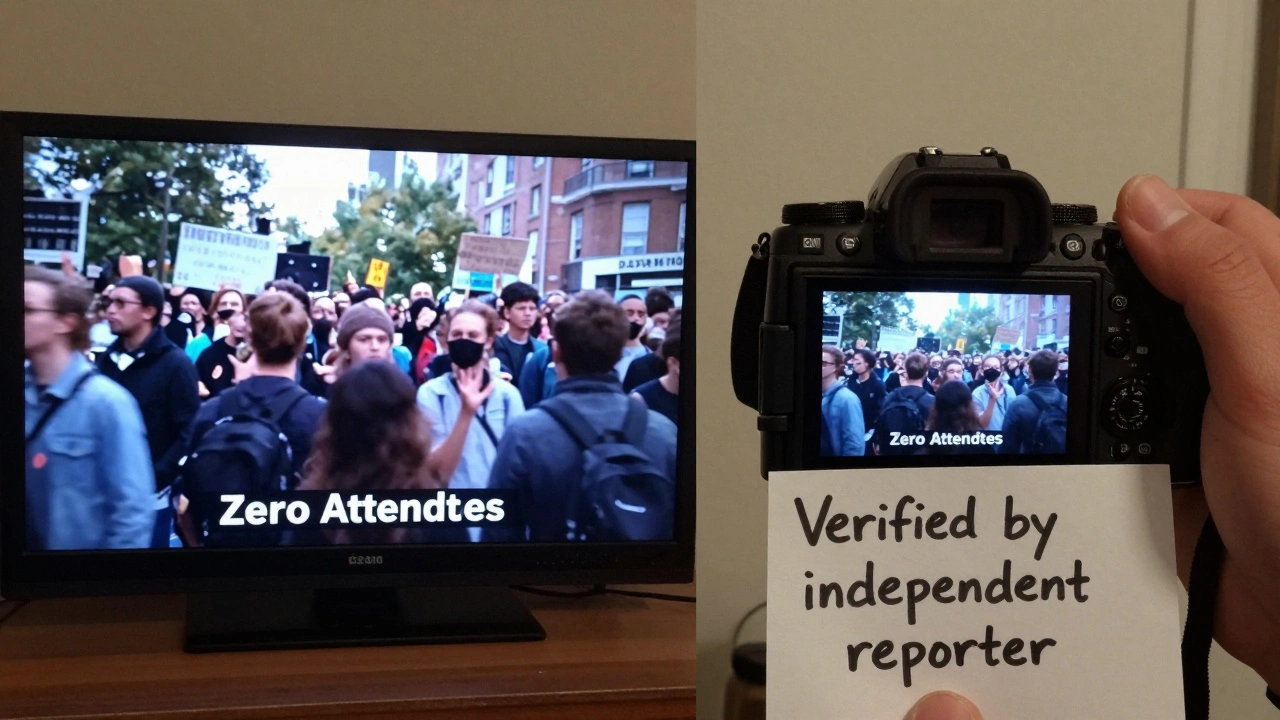
Think about it: if a journalist in Belarus is forced to write that a protest had zero attendees when hundreds were arrested, Wikipedia can’t use that report. But if a reporter in Poland risks their job to publish verified footage of those arrests, that’s the kind of source Wikipedia needs. The platform doesn’t have reporters on the ground. It relies on others to do the digging. Without press freedom, those stories either don’t exist-or they’re lies dressed as facts.
How Censorship Shows Up in Wikipedia Articles
When press freedom is restricted, Wikipedia editors see the effects in real time. Take China. Wikipedia articles about Tiananmen Square, Tibet, or the Uyghur population often lack depth because major Chinese outlets don’t report on these topics openly. Editors are left with only state-approved sources, which are either too vague or outright false. Some editors try to patch gaps with academic papers or NGO reports, but those aren’t always accessible or up to date.
In Russia, after the invasion of Ukraine, state media began calling it a “special military operation.” Wikipedia editors had to reject those terms as unreliable. They turned to international outlets like BBC, Reuters, and independent Russian media in exile. But those sources are often blocked inside Russia, making it harder for local editors to verify details. The result? Articles become incomplete, biased, or outdated.
Even in countries with strong press traditions, pressure can sneak in. In the U.S., corporate ownership has led some major outlets to avoid critical reporting on powerful industries. When that happens, Wikipedia articles on climate change, pharmaceutical pricing, or labor rights can become skewed toward corporate talking points. Editors notice. They flag it. But without independent journalism to counterbalance it, the bias sticks.
What Makes a News Source Reliable on Wikipedia?
Wikipedia doesn’t care if a news outlet is old, big, or popular. It cares about three things: independence, transparency, and accountability.
- Independence: Does the outlet answer to advertisers, politicians, or owners who want a specific story told? Or do they report based on evidence?
- Transparency: Do they name sources? Disclose conflicts? Correct mistakes publicly?
- Accountability: If they get something wrong, do they admit it? Or do they bury corrections?
For example, The Guardian publishes detailed corrections pages and names its sources. That’s why Wikipedia editors trust it. Fox News, on the other hand, has a history of spreading false claims without correction. Even though it has high viewership, Wikipedia treats it as unreliable for factual claims-not because of political bias, but because of documented failures in accountability.
Even local newspapers matter. A small-town paper that covers city council meetings, publishes meeting minutes, and corrects errors? That’s a goldmine for Wikipedia editors writing about local history, school budgets, or zoning laws. But if that paper gets bought by a chain that cuts reporting staff, those articles start to rot.
The Global Picture: Where Press Freedom Is Strongest and Weakest
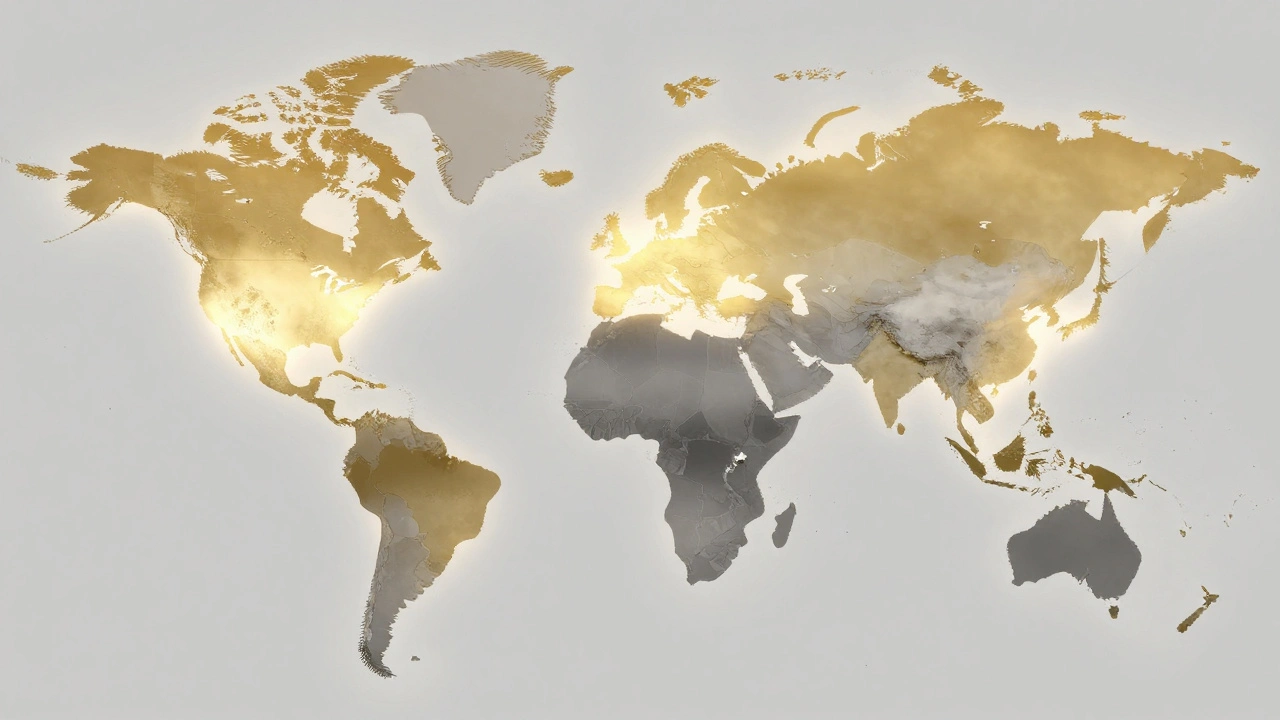
According to Reporters Without Borders’ 2025 index, countries with the highest press freedom-like Norway, Denmark, and New Zealand-also have the most complete and accurate Wikipedia articles. Their journalists report openly. Their governments don’t interfere. Their outlets correct errors quickly. Wikipedia thrives there.
In contrast, countries like North Korea, Eritrea, and Turkmenistan have zero press freedom. Wikipedia articles on those nations are thin, outdated, and often rely on foreign diplomats or defectors as sources. That’s not because editors are lazy. It’s because there’s no local journalism to draw from.
Even in places like India and Turkey, where press freedom is declining, Wikipedia editors struggle. Journalists are arrested. Websites are blocked. Sources disappear. Editors have to rely on archived snapshots, foreign media, or leaked documents. The quality drops. The time to update articles grows. And misinformation fills the gaps.
What Happens When Journalists Are Silenced
When a journalist is fired for reporting truth, it doesn’t just hurt them. It hurts every Wikipedia reader who relies on that outlet. A single reporter’s dismissal can erase months of documented research from the public record.
In 2024, a team of investigative reporters at a major U.S. news outlet was laid off after publishing a series on pharmaceutical kickbacks. Their work was cited in dozens of Wikipedia articles. Once the outlet stopped updating, those articles became stale. Editors tried to replace them with new sources-but no other outlet had the same depth. For six months, the articles remained outdated. People kept reading them as if they were current.
This isn’t rare. It’s happening everywhere. As newsrooms shrink and journalists are pressured to avoid controversy, Wikipedia becomes a museum of fading truth. The more press freedom declines, the more Wikipedia becomes a patchwork of half-truths and gaps.
Why This Matters to Everyone
Wikipedia is the first place most people go to learn about anything. A student researching climate policy. A voter checking a candidate’s record. A parent looking up a drug’s side effects. They trust it because it looks neutral. But neutrality isn’t magic. It’s built on real journalism.
If you care about knowing the truth, you care about press freedom. You can’t have reliable Wikipedia without reliable news. And you can’t have reliable news without journalists who can speak without fear.
Wikipedia doesn’t just reflect the world. It reflects the health of journalism. When reporters are free, Wikipedia shines. When they’re silenced, Wikipedia stumbles. And when Wikipedia stumbles, the public loses.
What You Can Do
You don’t need to be a journalist or an editor to help. Here’s what actually works:
- Support independent media. Subscribe to local newspapers, donate to nonprofit newsrooms, or share their stories.
- Report censorship. If you see a news site blocked or a journalist arrested, share it. Awareness matters.
- Contribute to Wikipedia. If you have access to reliable sources, help update articles. Even small edits help.
- Call out misinformation. If you see a Wikipedia article based on state propaganda or corporate PR, flag it. Editors listen.
Press freedom isn’t just about protecting reporters. It’s about protecting what everyone else reads, learns, and believes. Wikipedia depends on it. So do you.
Can Wikipedia be trusted if the news sources are biased?
Wikipedia doesn’t trust any single source. It requires multiple reliable sources to confirm facts. If one outlet is biased, editors look for others that contradict or support it. The goal isn’t neutrality-it’s accuracy through verification. A biased source can still be used if it’s cited alongside others that balance it out.
Why does Wikipedia reject state-run media as reliable sources?
State-run media often serve government narratives rather than report facts. They rarely correct errors, rarely name independent sources, and rarely challenge official claims. Wikipedia’s standards require transparency and accountability-qualities that are systematically absent in state-controlled outlets. That’s why they’re excluded, not because of politics, but because of process.
Do Wikipedia editors fact-check the news sources they use?
No-editors don’t verify facts independently. They rely on the reputation and track record of the source. That’s why the quality of Wikipedia depends entirely on the quality of journalism. If a source has a history of accuracy, editors trust it. If it’s known for spreading misinformation, they avoid it. Wikipedia is a mirror of the media ecosystem.
Can citizen journalism or blogs be used on Wikipedia?
Only in rare cases. Personal blogs, social media, or YouTube videos are generally not reliable. But if a blogger has a proven track record of accurate reporting-like a long-time investigative YouTuber who cites documents and interviews experts-they may be accepted. The key is verifiability and consistency, not popularity.
What happens to Wikipedia articles in countries with no press freedom?
Articles become incomplete, outdated, or dominated by foreign sources. Editors do their best with what’s available-academic papers, UN reports, exile media-but gaps remain. In extreme cases, articles are locked to prevent edit wars or propaganda insertion. The result is a version of history that’s partial, delayed, or filtered through outsiders.