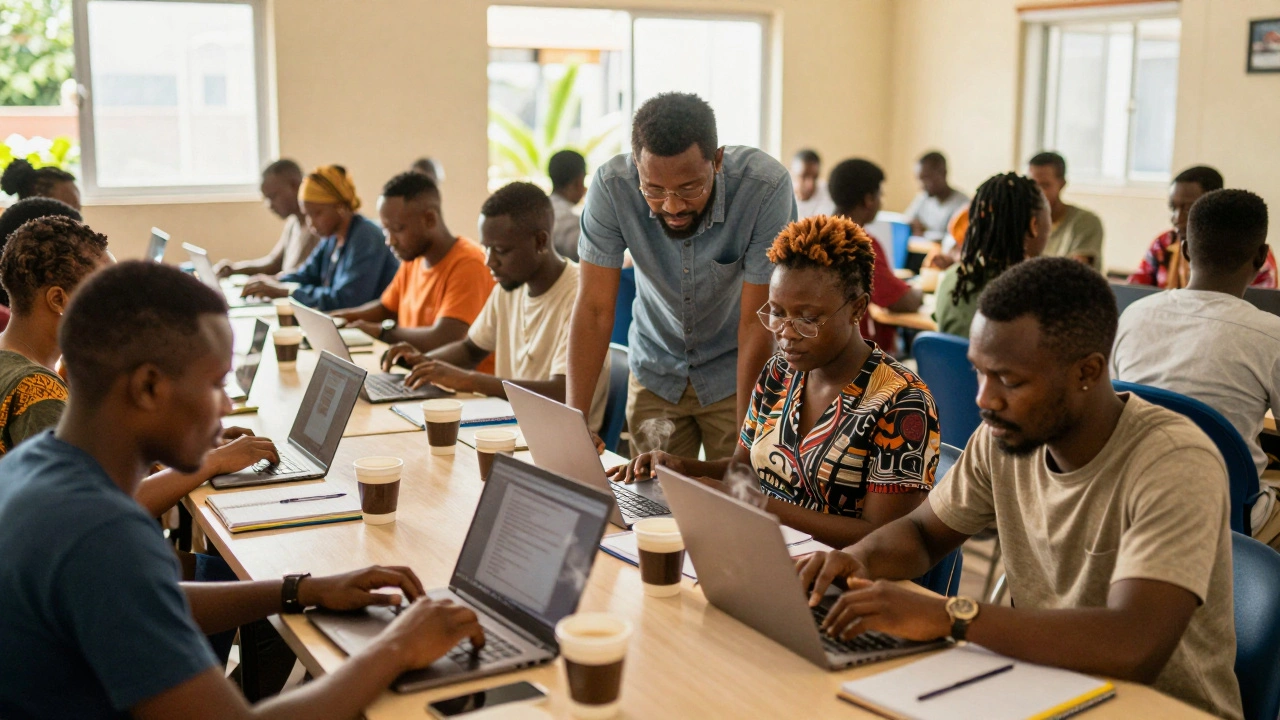
Imagine walking into a community center in Lagos, Nairobi, or Lima. The room is buzzing with laptops, the smell of coffee is in the air, and people are typing furiously. They aren’t coding apps or designing websites. They are writing about their own neighborhoods on Wikipedia, the free online encyclopedia that anyone can edit. This isn’t just a study group. It’s an edit-a-thon.
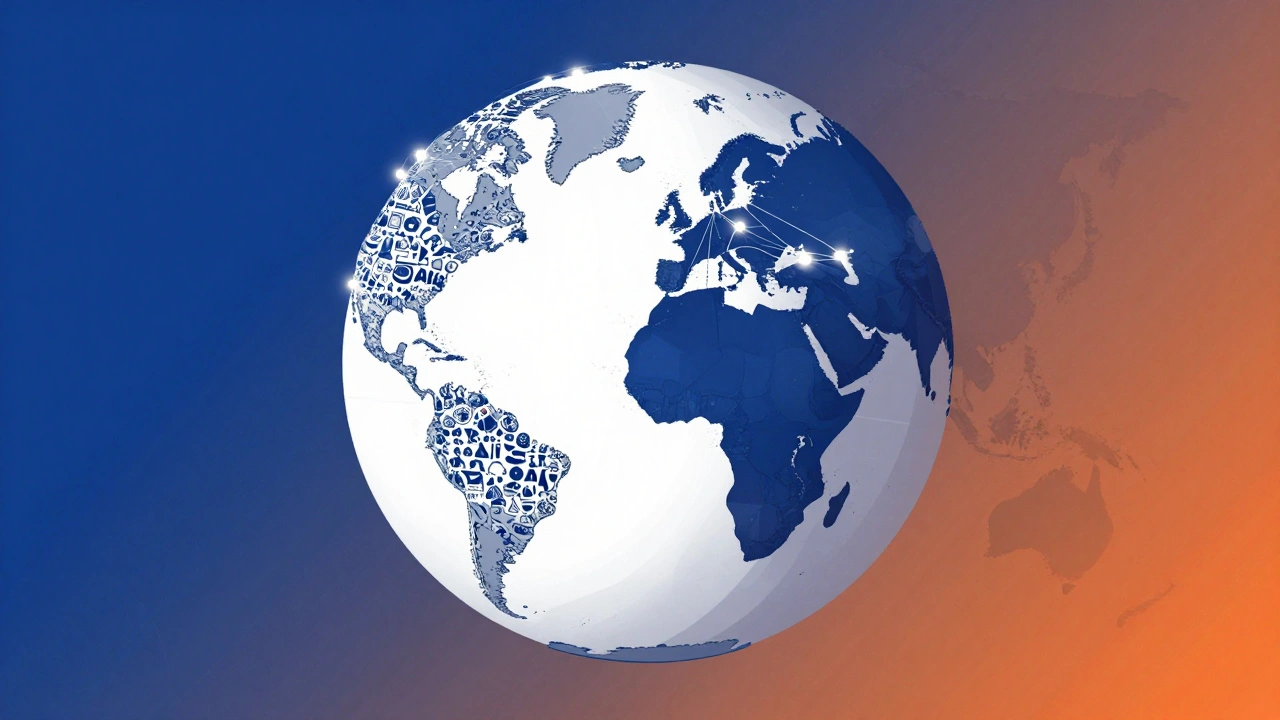
For years, Wikipedia has faced a well-documented problem: its content reflects the interests of English-speaking users in North America and Europe far more than it represents the rest of the world. Regional edit-a-thons are changing this. These localized events bring together editors from specific geographic areas to write articles in their native languages, filling gaps in coverage for local history, culture, and notable figures.
If you’re looking to understand how these grassroots movements work, why they matter for multilingual Wikipedia, and how you can start one yourself, you’ve come to the right place. We’ll break down the mechanics, the impact, and the practical steps involved in building a sustainable local editing community.
The Core Problem: Who Gets Written About?
Let’s be honest about the current state of the encyclopedia. If you search for a famous scientist from Silicon Valley, you’ll find a detailed biography with references, images, and infoboxes. Search for a equally influential scholar from a rural town in Ghana or Peru, and you might find nothing at all. Or worse, a short stub written by someone who doesn’t know the subject well.
This imbalance exists because Wikipedia relies on volunteer labor. People tend to write about what they know and care about. For decades, the majority of active editors lived in wealthy, urban, English-speaking countries. This created a systemic bias in the global knowledge base.
Regional edit-a-thons tackle this head-on. By organizing events in specific cities or regions, organizers ensure that the people most qualified to write about local topics are the ones doing the writing. A historian in Oaxaca knows the indigenous traditions better than an editor in London. A tech entrepreneur in Bangalore understands the local startup ecosystem better than one in New York. When you put those experts in a room together, the quality and quantity of local content skyrocket.
What Exactly Is an Edit-A-Thon?
An edit-a-thon is a collaborative event where participants gather-either physically or virtually-to create and improve Wikipedia articles over a set period, usually a day or a weekend. Think of it as a hackathon, but for human knowledge instead of software code.
Unlike casual editing, which happens alone at home, edit-a-thons provide structure and support. There’s usually a mentor or experienced editor on hand to answer questions. There’s a clear theme, such as "Women in Science" or "Local Heritage Sites." And there’s a sense of urgency and camaraderie that drives productivity.
Wikimedia chapters and independent groups organize these events globally. In 2025 alone, thousands of such events took place across Africa, Asia, Latin America, and Eastern Europe. The format is flexible enough to suit any community, from university libraries to public squares.
- Physical Events: Held in co-working spaces, universities, or libraries. Great for building face-to-face connections.
- Virtual Events: Hosted via Zoom or Discord. Allows for broader participation across time zones.
- Hybrid Models: Combine both approaches, offering local hubs with global coordination.
The goal isn’t just to produce articles. It’s to onboard new editors who will continue contributing long after the event ends. That retention rate is the true measure of success.
Why Multilingual Wikipedia Needs Local Focus
English Wikipedia is huge, with over 6 million articles. But it’s not the only game in town. There are more than 300 language editions of Wikipedia, from Spanish and German to Swahili and Yoruba. Many of these smaller editions have fewer than 10,000 articles. They struggle to attract consistent contributors.
Regional edit-a-thons are vital for these non-English editions. When a community gathers to write in Swahili, for example, they aren’t just translating existing English articles. They are creating original content that may never exist in English. They are documenting oral histories, local folklore, and regional politics that are invisible to the global mainstream.
This diversity strengthens the entire platform. It proves that knowledge isn’t monolithic. It shows that open knowledge looks different depending on where you stand. For instance, the Hausa Wikipedia edition has grown significantly thanks to targeted campaigns in Northern Nigeria, focusing on local leaders, literature, and geography.
Furthermore, working in your native language lowers the barrier to entry. You don’t need perfect English grammar to contribute valuable information. You just need to know your community. This democratization of contribution is key to decolonizing the internet’s knowledge infrastructure.
How to Organize a Successful Regional Edit-A-Thon
You don’t need a massive budget to start. You do need planning, passion, and persistence. Here is a step-by-step guide based on best practices from successful chapters worldwide.
- Define Your Theme: Don’t try to boil the ocean. Pick a narrow, compelling topic. "History of [Your City]" is better than "Everything." "Indigenous Languages of [Region]" is more actionable than "Culture."
- Find a Venue: Partner with a local library, university, or cultural center. Many institutions are eager to support digital literacy initiatives and will offer space for free.
- Recruit Mentors: You need at least one experienced editor to help troubleshoot technical issues and enforce guidelines. Reach out to the Wikimedia Foundation or local Wikimedia user groups for support.
- Promote Locally: Use social media, local newspapers, and community bulletin boards. Emphasize that no prior experience is needed. Everyone starts as a beginner.
- Prepare Training Materials: Create simple guides on how to create an account, use the visual editor, and cite sources. Keep it jargon-free.
- Provide Snacks: Seriously. Food keeps people happy and focused. Coffee, tea, and light meals go a long way.
On the day of the event, focus on onboarding. Walk newcomers through their first edit. Celebrate small wins. When someone creates their first article, take a screenshot and share it (with permission). This positive reinforcement builds confidence.
Measuring Impact Beyond Article Counts
It’s tempting to judge success by the number of articles created. Did we make 50 new pages? Great. But that metric misses the bigger picture. The real value lies in community growth and sustainability.
Look at these deeper indicators:
- New Editor Retention: How many participants made more than five edits in the month following the event?
- Content Longevity: Are the articles being deleted, or are they surviving peer review and vandalism?
- Diversity of Contributors: Did you attract women, students, elders, and professionals? A diverse editor base leads to a balanced perspective.
- Language Growth: For non-English editions, did the total article count increase by a significant percentage?
For example, a recent campaign in Colombia focused on writing biographies of Afro-Colombian activists. While only 30 articles were created, 80% of the new editors continued to contribute weekly. That’s a healthier outcome than a one-off burst of 100 articles from transient users.
Also, consider the indirect benefits. Participants often learn critical digital skills: research verification, citation management, and conflict resolution. These skills transfer to other areas of life and work.
Challenges and How to Overcome Them
Running an edit-a-thon isn’t without hurdles. Expect resistance, confusion, and logistical nightmares. Here’s how to handle them.
Conflict of Interest (COI): Sometimes participants want to write about themselves or their employers. This violates Wikipedia’s neutrality policy. Address this upfront. Train mentors to gently steer editors toward neutral topics. Explain that Wikipedia is not a marketing platform.
Vandalism and Reversion: New editors often panic when their work is reverted by bots or experienced users. Normalize this process. Explain that reverts are usually automated corrections for formatting or sourcing issues, not personal attacks. Teach them how to read edit summaries.
Sustainability: The post-event drop-off is real. To combat this, create local WhatsApp or Telegram groups for ongoing support. Schedule monthly check-ins. Recognize top contributors publicly. Make editing a social habit, not a one-time task.
Funding: Grants are available through the Wikimedia Foundation, but they take time to secure. Start small. Seek sponsorships from local businesses or educational grants. Even $200 can cover venue costs and snacks for a modest gathering.
| Feature | In-Person Event | Virtual Event |
|---|---|---|
| Cost | Higher (venue, food) | Lower (platform fees) |
| Reach | Local only | Global potential |
| Community Building | Strong (face-to-face) | Moderate (digital interaction) |
| Technical Support | Immediate (hand-holding) | Delayed (chat-based) |
| Best For | Building local networks | Niche topics or dispersed groups |
The Future of Local Knowledge
As we move further into the 2020s, the importance of hyper-local content is growing. AI tools can generate text, but they cannot replicate the nuanced understanding of a community’s lived experience. Human editors provide context, credibility, and cultural sensitivity that algorithms miss.
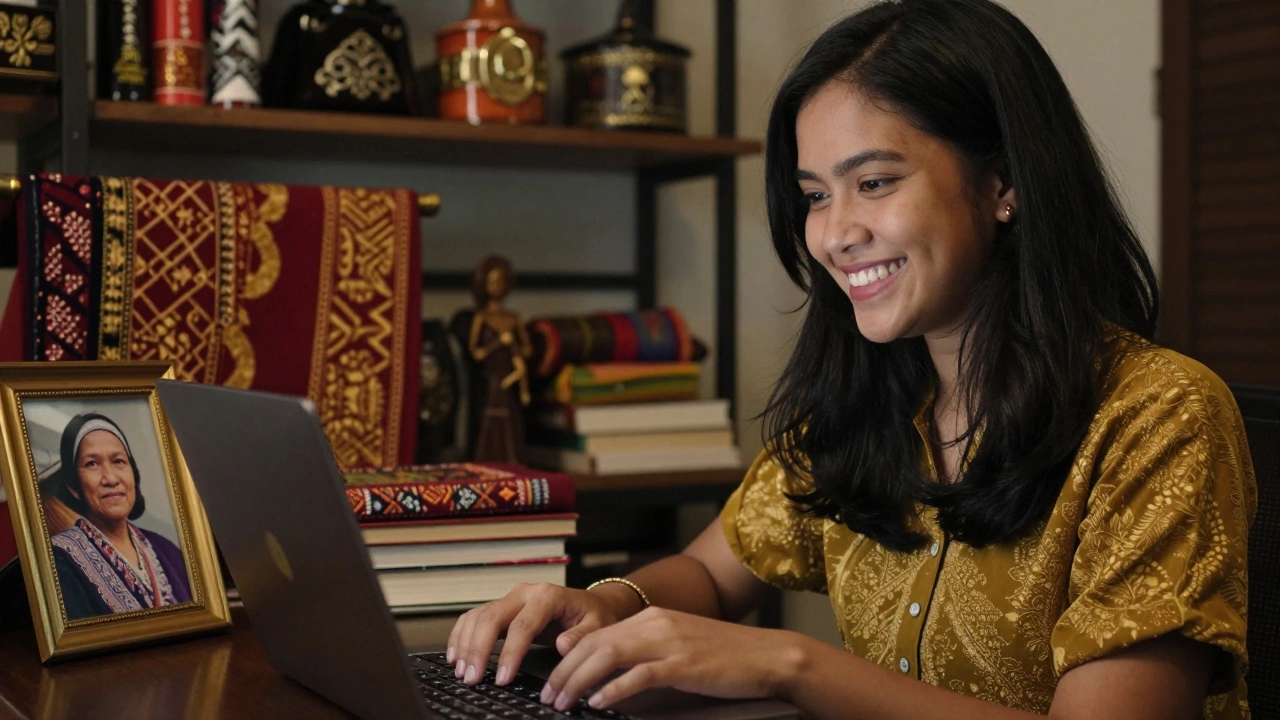
Regional edit-a-thons are not just about filling gaps in an encyclopedia. They are acts of digital sovereignty. They allow communities to define their own narratives, preserve endangered languages, and challenge dominant historical accounts. When a young woman in Jakarta writes about her grandmother’s role in the independence movement, she is reclaiming history.
The momentum is building. More universities are integrating Wikipedia editing into their curricula. More governments are recognizing open knowledge as a public good. The tools are getting easier to use. The barriers are coming down.
If you live in a region underrepresented on Wikipedia, you don’t have to wait for someone else to fix it. Gather your friends. Find a table. Open a laptop. Start typing. The next chapter of the world’s knowledge base could be written by you.
Do I need to be an expert to participate in an edit-a-thon?
No, you do not need to be an expert. You just need to be curious and willing to learn. Most edit-a-thons include training sessions for beginners. Experienced mentors are available to guide you through the process of researching, citing sources, and formatting articles. Your unique perspective as a local resident is often more valuable than formal expertise.
Can I get paid for editing Wikipedia?
No, Wikipedia editors are volunteers. Paying someone to edit Wikipedia violates the site's core principles of neutrality and unpaid contribution. However, some organizations offer stipends for travel or materials to facilitate participation, especially for underrepresented groups. The reward is the satisfaction of contributing to free knowledge.
How do I find an edit-a-thon near me?
You can search for upcoming events on the Wikimedia Foundation's event calendar or check with local Wikimedia chapters. University libraries and community centers often host these events. Social media hashtags like #EditAThon or #WikiProject can also help you discover local gatherings. If none exist, consider starting your own!
What happens if my article gets deleted?
Don't panic. Deletions are common for new articles, often due to lack of sources or notability concerns. Review the deletion notice carefully to understand the reason. You can often improve the article and request it be undeleted, or recreate it with better citations. Mentors at edit-a-thons can help you navigate this process and avoid future deletions.
Are edit-a-thons only for English Wikipedia?
Absolutely not. Edit-a-thons are held for Wikipedia editions in dozens of languages, including Spanish, French, Arabic, Swahili, and many others. In fact, regional edit-a-thons are crucial for growing non-English editions, as they encourage locals to contribute content in their native tongues, preserving linguistic diversity.