Key Takeaways
- Wikipedia transforms students from passive consumers into active contributors of knowledge.
- Integrating wiki-editing into courses helps bridge the gap between academic rigor and public accessibility.
- Digital humanities projects preserve cultural heritage by filling 'content gaps' in global history.
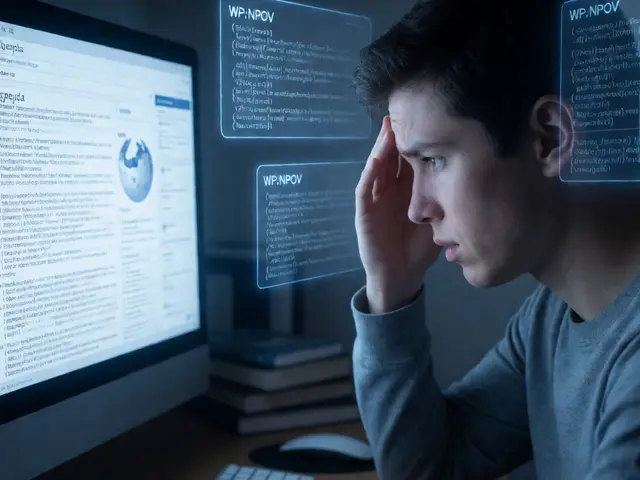
- Students develop critical thinking by navigating neutral point of view (NPOV) requirements.
Why Wikipedia Fits the Humanities
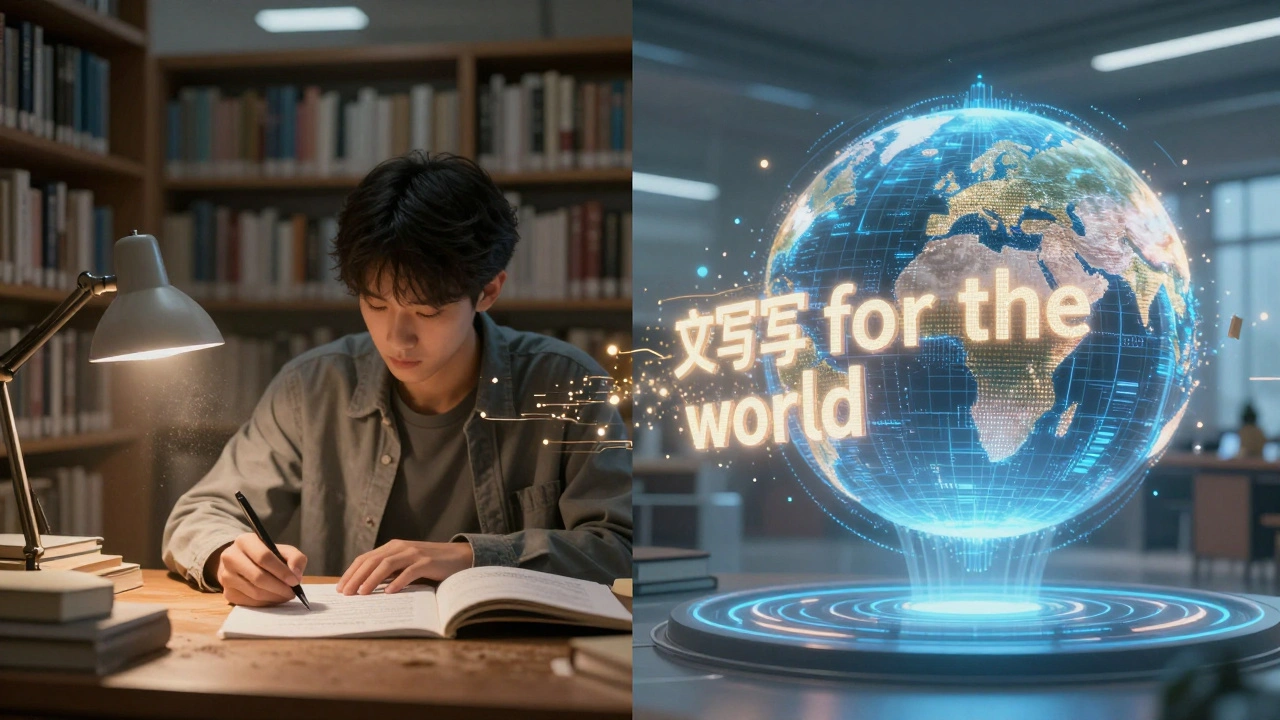
The humanities-covering history, philosophy, literature, and art-are all about interpretation and context. For too long, these subjects lived in ivory towers. Digital Humanities is a movement that brings these academic insights into the digital age. By using Wikipedia as a classroom tool, professors are teaching students how to synthesize complex information into something everyone can understand.
When a student writes for a wiki, they can't just use flowery language or make bold claims without a source. They have to master the art of the citation. In a traditional paper, a student might glide over a detail; on a wiki, a community of editors will challenge a claim within minutes if it isn't backed by a reliable source. This creates a high-stakes environment that actually mimics real-world professional research better than a private submission folder ever could.
Closing the Content Gaps in Global History
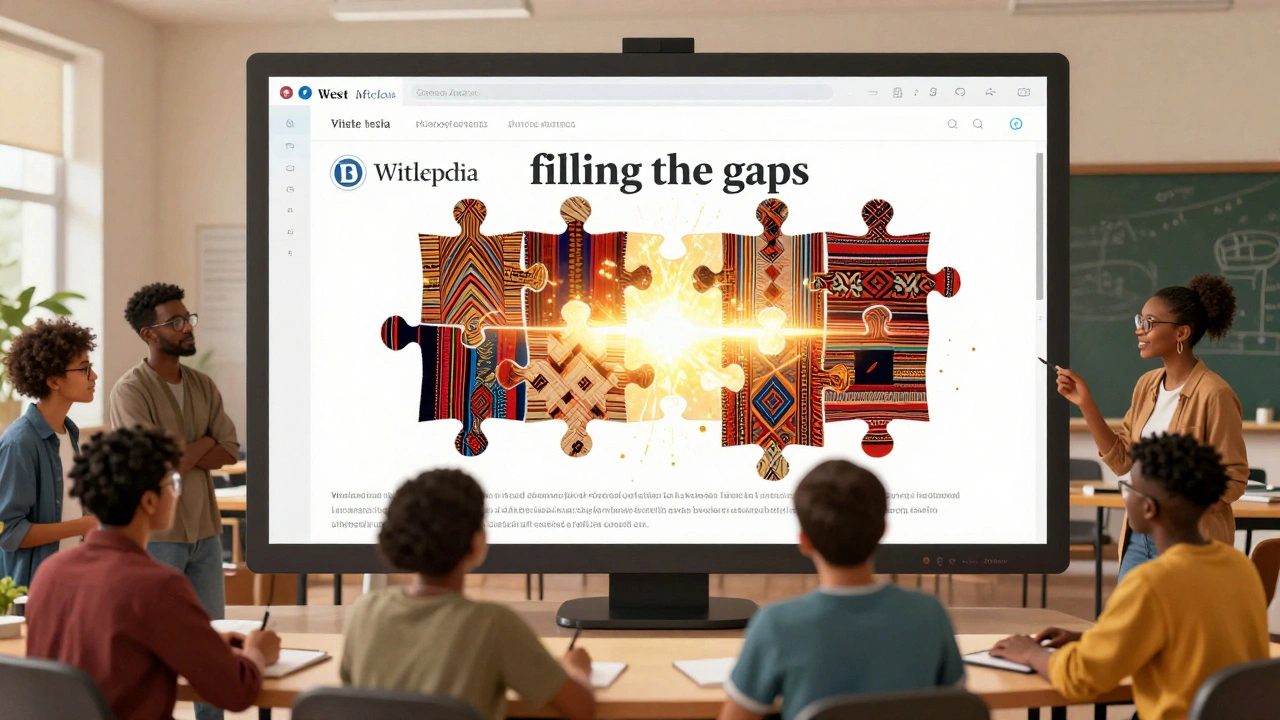
If you browse the encyclopedia, you'll notice a glaring problem: certain regions and cultures are wildly underrepresented. This is often called a content gap. For example, while there are endless pages on European monarchs, there might be only a handful of stubs for significant figures in Pre-Columbian Latin American history or West African philosophy. This is where humanities courses play a vital role.
By assigning students to identify and fill these gaps, educators are essentially performing an act of digital activism. When a history class in Mexico City spends a semester documenting local indigenous textiles or a philosophy class in Nairobi expands the entries on Ubuntu ethics, they aren't just doing homework. They are correcting the historical record. This process requires Cultural Heritage preservation, ensuring that marginalized voices aren't erased from the internet's collective memory.
The Learning Curve: From Essay to Wiki Entry
Moving from a standard academic paper to a wiki format isn't a simple copy-paste job. It requires a completely different mental framework. Students have to learn the Neutral Point of View (NPOV) policy, which is the gold standard for encyclopedic writing. In an essay, a student is often encouraged to take a strong, argumentative stance. On Wikipedia, that's a fast track to getting your work deleted.
The challenge is to move from "I believe" to "Sources state." This transition forces students to find multiple, independent, high-quality references. If a student wants to argue that a specific poet was influenced by a certain movement, they can't just say so; they need to find a peer-reviewed journal or a recognized biography that supports that claim. This is a masterclass in evidence-based writing.
| Feature | Academic Essay | Wikipedia Article |
|---|---|---|
| Audience | Single Professor | Global Public |
| Tone | Argumentative/Persuasive | Neutral/Descriptive |
| Feedback | Delayed (Weeks later) | Instant (Community edits) |
| Goal | Demonstrate knowledge for grade | Improve public knowledge base |
| Longevity | Archived in a folder | Living document |
Navigating the Social Dynamics of Open Knowledge
One of the most surprising parts of using Wikipedia education strategies is the social aspect. Students suddenly find themselves interacting with a global community of volunteers. They might find a seasoned editor from Germany or a librarian from India correcting their grammar or suggesting a better source. This can be jarring at first-most students are used to being the only person the teacher cares about-but it's an incredible lesson in collaborative work.
This collaboration is powered by the Wikimedia Foundation's ecosystem, which provides the infrastructure for these interactions. Students learn to use "Talk Pages," where they must negotiate and discuss changes before implementing them. They learn that knowledge isn't a static thing handed down by an authority figure, but a living, breathing agreement between people who care about the facts.
Practical Strategies for Educators
If you're a professor looking to integrate this into your curriculum, don't just tell students to "go write a page." That's a recipe for a mess. Instead, use a structured approach. Start with "Edit-a-thons"-intensive, timed sessions where students work together to improve a cluster of related articles. This reduces the intimidation factor and allows for immediate peer review.
Another effective method is the "Improvement Assignment." Instead of creating a new page from scratch, ask students to find a "C-class" or "Stub" article (Wikipedia's internal quality ratings) and bring it up to a "B-class" level. This teaches them how to analyze an existing text, identify what's missing, and conduct targeted research to fill those holes. It's much more manageable than starting from a blank page and prevents the creation of low-quality articles that get flagged for deletion.
Overcoming the 'Reliability' Stigma
Many old-school academics still shudder at the mention of Wikipedia in a classroom. The common fear is that students will just trust whatever they read without questioning it. However, the best way to fight this is to teach them how the "sausage is made." When students see how easily a page can be edited and how the community fights over a single comma, they naturally become more skeptical and critical of all online information.
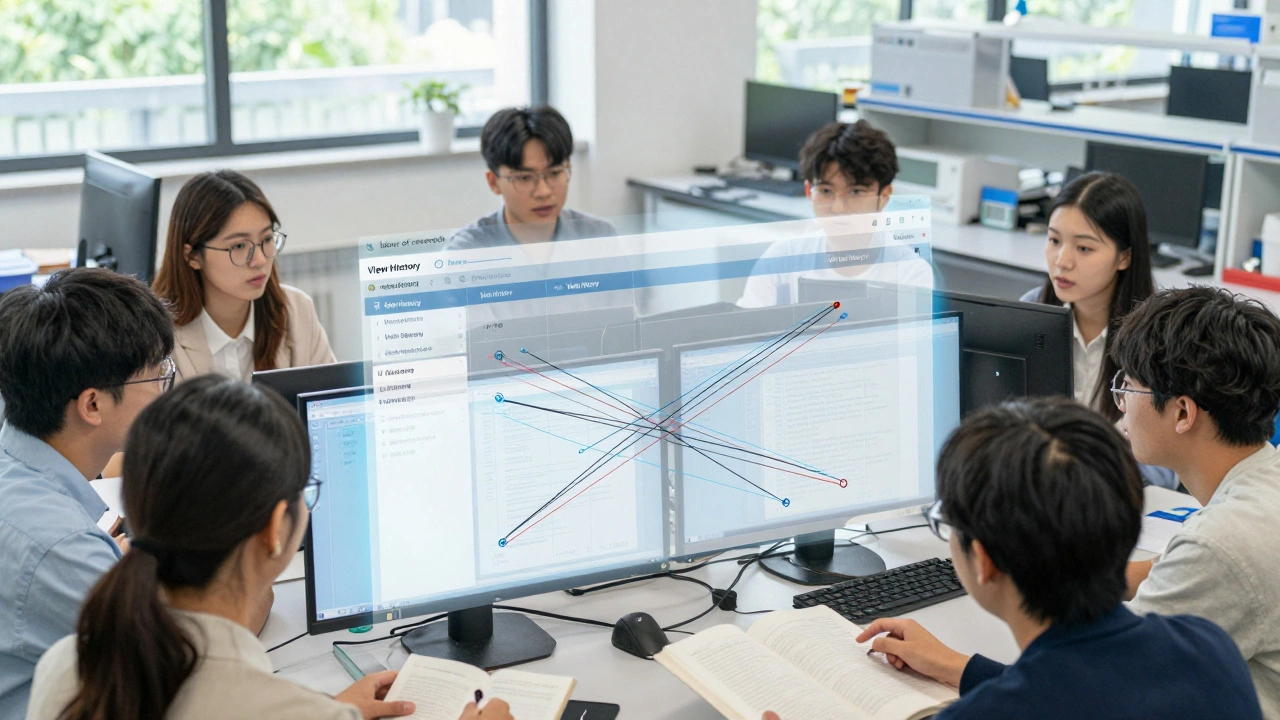
By teaching them to check the "View History" tab, professors can show students exactly how a narrative evolves. They can see the debates, the reverts, and the evidence-gathering process. This turns Wikipedia from a "source of truth" into a "laboratory for research." It teaches the most important skill of the 21st century: information literacy.
Is it ethically sound to give students grades for Wikipedia edits?
Yes, but you shouldn't grade based on whether the edit "stays" on the page. Since Wikipedia is community-moderated, an edit might be reverted for reasons beyond the student's control. Instead, grade the process: the research, the quality of the sources used, and the student's ability to engage in the Talk Page discussions. Focus on the academic effort rather than the final live state of the article.
What happens if a student's work is deleted by a Wikipedia admin?
This is actually a great teaching moment. If an admin deletes a page for "lack of notability" or "poor sourcing," the student should analyze the deletion log. Understanding why a professional editor found the work insufficient provides a level of objective feedback that a professor's red pen simply can't match. Use it as a catalyst for a second draft.
How do we handle plagiarism when writing for a wiki?
Wikipedia has incredibly strict rules against copyright infringement. Automated bots scan for duplicated text constantly. Students must be taught to paraphrase and cite. Because the risk of a "copyright takedown" is real and public, students are often more careful about plagiarism on Wikipedia than they are in a private essay.
Which humanities subjects benefit the most from this approach?
While all benefit, History, Art History, and Gender Studies see the most impact. These fields often have massive amounts of data that aren't yet digitized or are presented through a narrow lens. Creating entries for local historical figures or obscure artistic movements allows students to contribute something of genuine value to the world.
Do students need to be tech-experts to contribute?
Not at all. Wikipedia's "VisualEditor" works very similarly to a standard word processor. The real skill required isn't technical-it's the ability to research, synthesize information, and write clearly. The technical side is a small hurdle that can be cleared in a single introductory workshop.
Next Steps for Implementation
If you're ready to move forward, start by exploring the Wiki Education program, which provides a structured framework and tools specifically for educators. For students, the first step is creating an account and spending a week "lurking"-reading talk pages and seeing how experienced editors interact before making their first edit.
For those in specialized fields, consider partnering with a local museum or archive. Using primary sources from a physical archive to update a digital encyclopedia entry is the gold standard of the digital humanities. It connects the tangible past with the digital future, ensuring that history isn't just remembered, but is accessible to anyone with an internet connection.