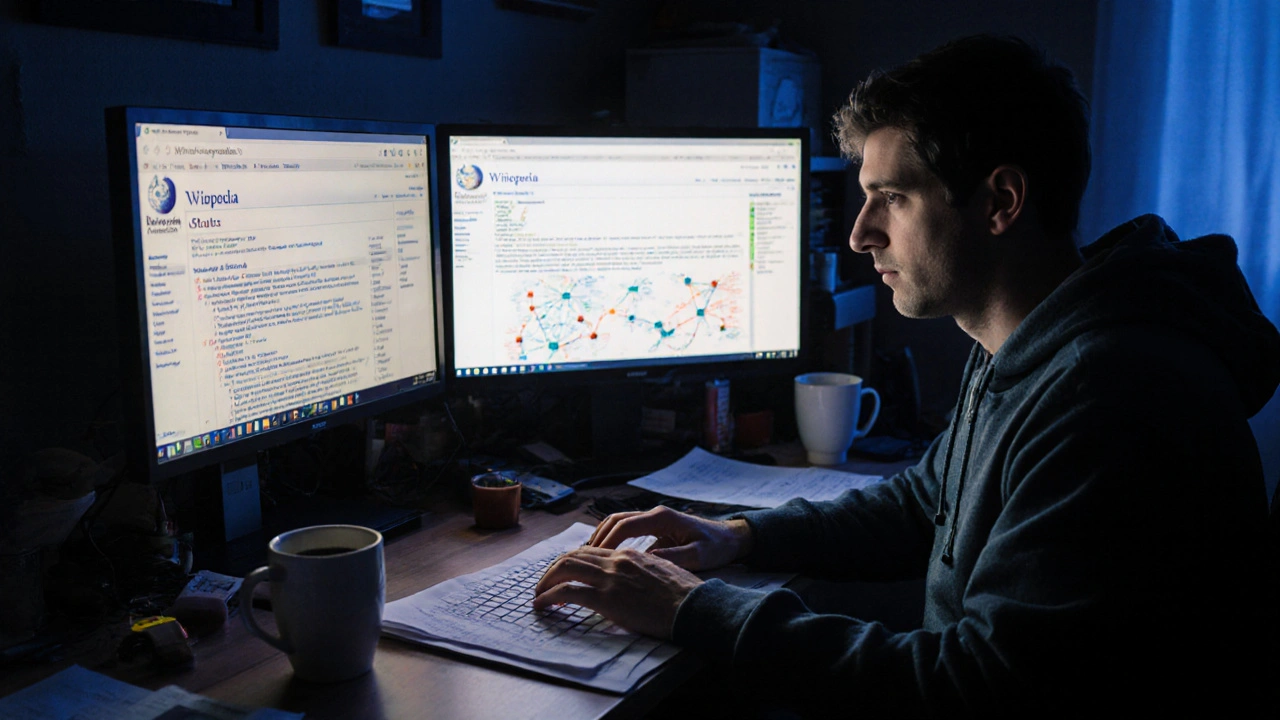
When Wikipedia goes down, the internet notices. Not because it’s the only source of knowledge, but because so many people rely on it-students, researchers, librarians, even casual browsers checking facts mid-conversation. And when the site flickers, stalls, or vanishes entirely, the first place the Wikipedia community turns isn’t Twitter or Reddit. It’s The Signpost.
What The Signpost Actually Is
The Signpost isn’t a news site in the traditional sense. It doesn’t have reporters on the ground or breaking alerts from corporate PR teams. It’s a volunteer-run newspaper written by Wikipedia editors, for Wikipedia editors. Launched in 2005, it’s been the official chronicle of the Wikipedia community for nearly two decades. It covers edit wars, policy changes, legal threats, and yes-outages.
Unlike commercial news outlets, The Signpost doesn’t chase clicks. It tracks what matters to the people who keep Wikipedia alive. When a server crash hits, it doesn’t just report the downtime. It explains why it happened, who’s fixing it, how long it might last, and what editors can do in the meantime. It’s the only place where you’ll find a detailed post-mortem from a Wikimedia Foundation engineer, written in plain language and posted within hours of the incident.
Why Outages Matter More Than You Think
A three-minute outage might seem minor. But when 1.5 billion people use Wikipedia monthly, even a short disruption has ripple effects. Students lose access to exam prep. Journalists can’t verify facts mid-deadline. Medical professionals can’t check drug interactions. And in countries with limited internet options, Wikipedia is often the only free, reliable source of information.
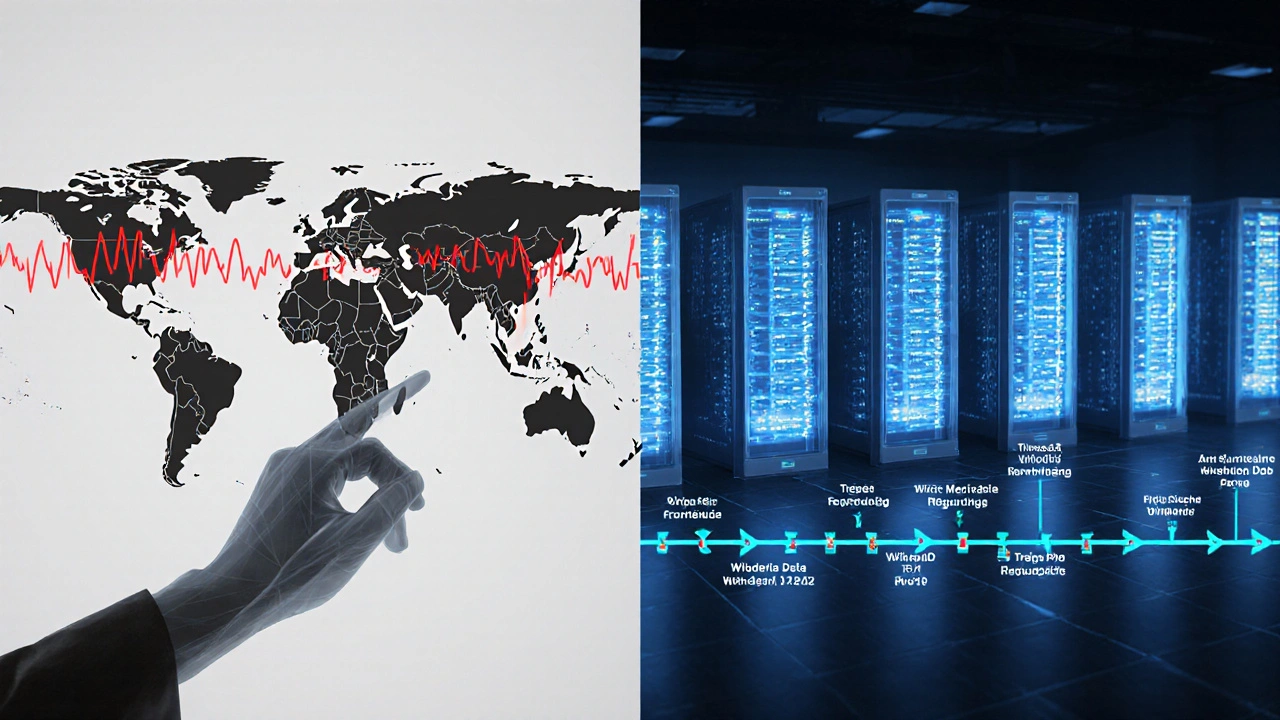
In January 2023, a misconfigured DNS update caused a 37-minute global outage. The Signpost didn’t just say “Wikipedia was down.” It published a timeline: when the change was pushed, which servers were affected, how the incident was detected by community monitoring tools, and the exact moment the site came back online. It included quotes from sysadmins, links to technical logs, and even a map showing which regions experienced partial outages.
That level of detail isn’t for techies. It’s for editors who need to know if their edits are being lost, if their talk page messages are stuck, or if they should pause their weekly article updates. The Signpost answers those questions before anyone else even knows they exist.
The Mechanics of Crisis Reporting
When an outage occurs, The Signpost doesn’t wait for a press release. It pulls data from public sources: the Wikimedia Foundation’s status page, the #wikimedia-operations IRC channel, GitHub commit logs, and community-run monitoring tools like Wikistats and Wikipedia Watch.
Volunteer editors-many of whom have been working on Wikipedia for over ten years-act as real-time reporters. One might be monitoring server response times. Another tracks edits being queued in the background. A third checks if bots are still running or if automated tools are failing. They don’t have corporate access. They use the same tools as anyone else. But they know where to look.
Within 15 minutes of an outage, The Signpost usually posts a brief update: “Wikipedia is currently unreachable. Engineers are investigating.” By 45 minutes, it’s a full report with context: “A caching layer failure in Eqiad caused increased error rates. Service restored after rolling back configuration changes.”
They don’t speculate. They don’t blame. They report what’s confirmed. And if something isn’t clear, they say so. “We do not yet know the root cause.” That honesty builds trust.
How It Differs From Mainstream Media
When CNN or The Verge reports a Wikipedia outage, they say: “Wikipedia is down. Experts say this could be a cyberattack.” That’s it. No follow-up. No technical depth. No insight into how it affects real users.
The Signpost does the opposite. It explains that Wikipedia runs on a distributed network of 1,200+ servers across six data centers. It notes that most outages are caused by human error-not hacking. It tells you that the Wikimedia Foundation doesn’t use cloud providers like AWS or Google Cloud. It runs its own infrastructure, which makes fixes slower but more reliable in the long run.
It also explains how editors adapt. During the 2023 outage, hundreds of users switched to mirror sites like Wikipedia Zero or cached versions on archive.org. The Signpost listed those alternatives and warned about their limitations: “Cached pages won’t show recent edits. Do not cite them in academic work.”
That’s not journalism. It’s community support.
The Unseen Impact
The real power of The Signpost during outages isn’t in the headlines. It’s in the quiet ways it keeps the community from fracturing.
When a site goes down, panic spreads. Editors worry their hard work is lost. New contributors think the project is dying. Long-time volunteers start arguing about who’s to blame. The Signpost stops that.
It doesn’t just report facts. It reduces uncertainty. It tells people: “This is normal. This happens. Here’s what’s being done. Here’s how you can help.”
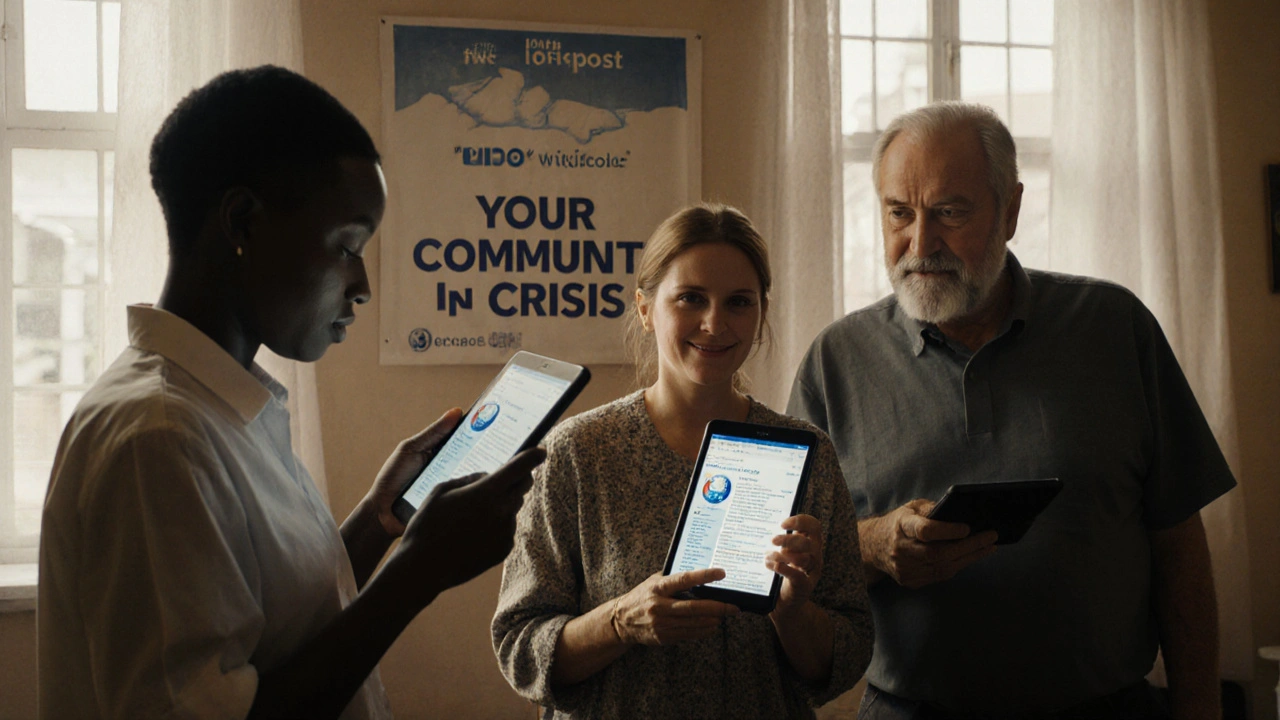
In 2021, during a 12-hour outage caused by a hardware failure in a Frankfurt data center, The Signpost published daily updates for three days. It included photos of engineers working overnight. It thanked volunteers who manually restored deleted pages from backups. It even shared a quote from a high school teacher in rural Kenya who wrote in: “My students couldn’t access their project sources. But your updates helped me explain why.”
That’s the kind of reporting that holds a community together.
What Happens After the Lights Come Back On
Most news outlets move on once the site is back up. The Signpost doesn’t.
Every major outage gets a full post-mortem. These aren’t corporate cover-ups. They’re open, detailed analyses. One report from 2022 included a diagram of the network topology that failed, a timeline of every action taken by the ops team, and a list of 14 preventive steps being implemented.
These reports are archived and linked from every future outage update. They’re used by new volunteers to understand how Wikipedia works under stress. They’re cited in university courses on digital infrastructure. They’re referenced by the Wikimedia Foundation when applying for grants to improve reliability.
And they’re written without a single corporate logo or advertisement.
Why This Model Can’t Be Copied
No other platform has anything like The Signpost. Reddit has mods. GitHub has status pages. Twitter has official accounts. But none combine transparency, community ownership, and journalistic rigor the way The Signpost does.
It’s not funded by ads. It doesn’t have editors paid by the hour. It’s sustained by the same people who write articles on Wikipedia-teachers, librarians, retirees, students-who show up because they care.
That’s why it works. When you know the person writing the outage report also edited the article on climate change you cited last week, you trust it. You don’t just read it. You believe it.
What You Can Do If Wikipedia Goes Down
If you’re a regular user and Wikipedia vanishes:
- Check status.wikimedia.org for official updates.
- Follow @WikimediaStatus on X (formerly Twitter) for real-time alerts.
- Visit archive.org/web/ and enter a Wikipedia URL to see the last saved version.
- Don’t panic. Most outages last under an hour.
- Consider donating to the Wikimedia Foundation if you can. Their infrastructure costs $100 million a year-and it’s all funded by small gifts.
And if you’re an editor? Read The Signpost. Even when nothing’s broken. It’s the best way to understand how Wikipedia really works.
Is The Signpost officially part of Wikipedia?
Yes, but not in the way most people think. The Signpost is hosted on Wikipedia’s servers, uses the same wiki software, and is written by registered editors. It’s not a corporate communications channel-it’s a community project endorsed by the Wikimedia Foundation. You can edit its pages just like any other Wikipedia article.
How often does Wikipedia actually go down?
Major outages-where the site is completely unreachable-are rare. Since 2015, there have been fewer than 15 full outages lasting more than 10 minutes. Minor slowdowns or regional issues happen more often, maybe once a month. Most are fixed in under 30 minutes thanks to redundant systems and rapid response teams.
Can I contribute to The Signpost?
Absolutely. Any registered Wikipedia editor can write for The Signpost. You don’t need to be an expert journalist. You just need to be observant, accurate, and willing to verify facts. Many of its best articles are written by new editors who noticed something unusual during an outage and decided to document it.
Does The Signpost report on outages caused by censorship or government blocks?
Yes. When countries like Turkey, Russia, or Iran block Wikipedia, The Signpost covers it with the same detail as a server failure. It tracks which pages are blocked, how users are bypassing the block, and whether the Wikimedia Foundation has issued official statements. It’s one of the few sources that treats censorship as a technical and human issue, not just a political one.
Why doesn’t Wikipedia just use a cloud provider to avoid outages?
Wikipedia avoids major cloud providers to maintain control over its data and avoid vendor lock-in. Running its own infrastructure gives it more flexibility during crises and keeps costs predictable. It’s more expensive and harder to manage, but it ensures Wikipedia stays independent. The trade-off is worth it for a project that values neutrality above all.