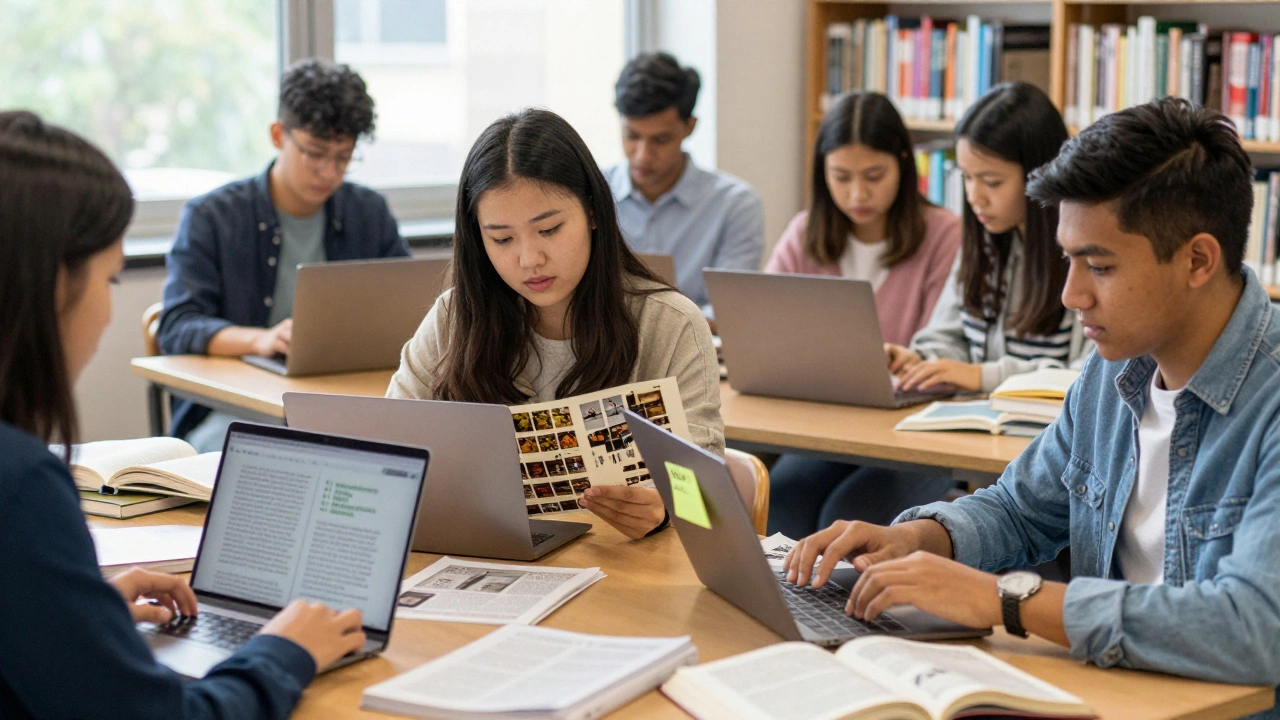
Every day, thousands of college students log in to Wikipedia not to research for a paper, but to edit it. They fix typos, add citations, rewrite biased sections, and sometimes create entire articles from scratch. These student editors aren’t paid. They don’t get course credit. Many don’t even tell their professors. But they’re one of the most consistent forces keeping Wikipedia alive and accurate.
Who Are These Student Editors?
Most student editors are between 18 and 24. They’re enrolled in courses ranging from history and sociology to computer science and journalism. Many are assigned to edit Wikipedia as part of a class - like when a professor replaces a traditional research paper with a Wikipedia article. But a surprising number show up on their own. A 2023 study from the Wikimedia Foundation found that over 60% of student editors started editing without any course requirement. They just saw something wrong and fixed it.
They’re not all from elite universities. Community colleges, state schools, and international institutions contribute just as much. In 2024, students from 147 countries made over 1.2 million edits to English Wikipedia. That’s more than 3,300 edits per day from students alone. And it’s not just about adding facts. They’re correcting misinformation - like fixing false claims about historical events, updating outdated statistics on public health, or removing promotional language from company pages.
What Do They Actually Do?
Student editors don’t just write. They do the quiet, messy work that keeps Wikipedia trustworthy. They track down primary sources - old newspaper archives, government reports, academic journals - and link them to claims. They rewrite vague or overly complex sentences into plain language. They add context to entries that assume too much prior knowledge. And they fight vandalism, often undoing edits that delete entire sections or insert fake quotes.
One student at the University of Wisconsin-Madison spent three months expanding the article on the 1970s Women’s Liberation Movement in the Midwest. She dug through microfilm at the campus library, interviewed retired activists, and added 17 new references. The article went from 800 words to over 3,200. It’s now one of the most cited pages on the topic.
Another student at Arizona State University noticed that the Wikipedia page for “climate change denial” had no mention of the fossil fuel industry’s funding of disinformation campaigns. He added five paragraphs with sources from investigative reports and academic papers. His edit was later flagged by a veteran editor for being too detailed - but kept after a week-long discussion on the talk page.
These aren’t rare cases. A 2025 analysis of 50,000 student edits showed that 78% improved the reliability of content. Only 12% were reverted as vandalism or low-quality. The rest were kept, often with minor tweaks.
The Hidden Challenges
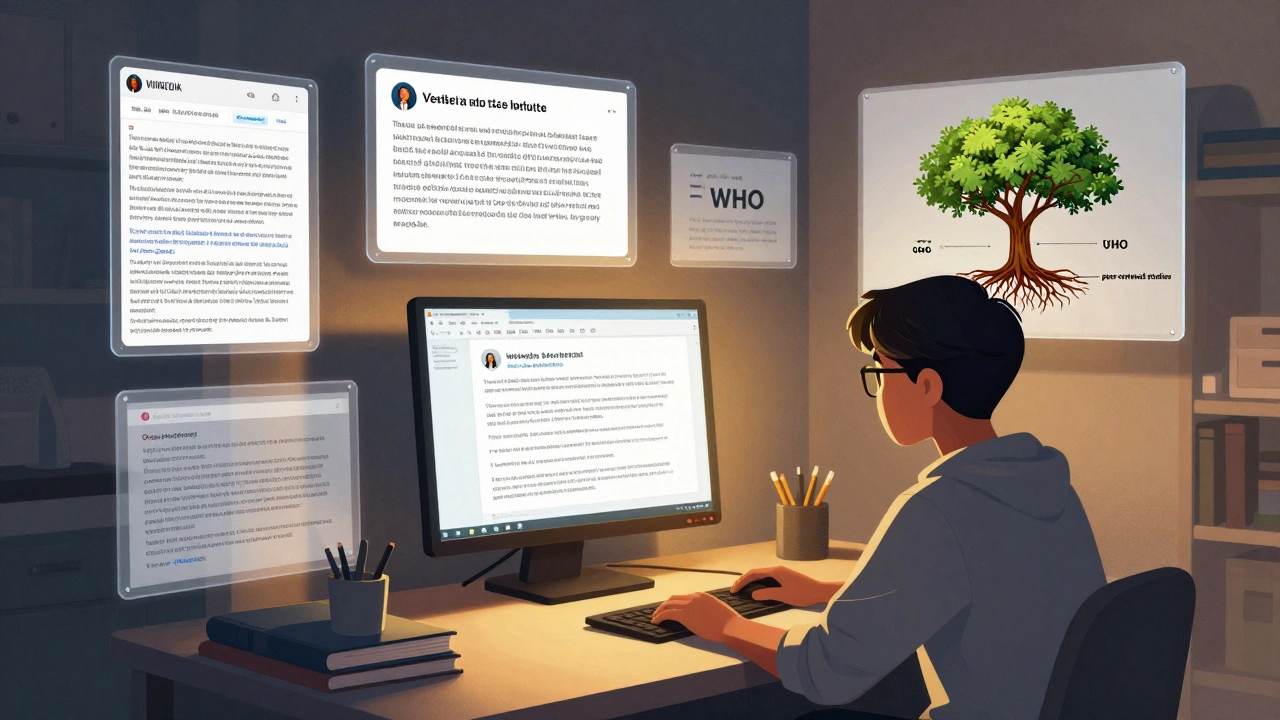
Editing Wikipedia as a student isn’t easy. The rules are dense, the community can be harsh, and the learning curve is steep. Many students get discouraged after their first edit is rejected or reverted without explanation.
One common problem? Lack of guidance. Professors who assign Wikipedia editing often don’t know how Wikipedia works themselves. They tell students to “just edit,” but don’t explain the difference between a reliable source and a blog post. Students end up citing Medium articles, YouTube videos, or personal websites - all of which get deleted.
Then there’s the tone. Veteran editors - many of whom have been editing since the early 2000s - can be blunt. A student might spend hours writing a well-sourced article, only to get a comment like: “This reads like a term paper. Not encyclopedic.” That’s not always helpful. But it’s common.
Gender and cultural gaps also show up. A 2024 survey of student editors found that only 31% identified as female. The gap is even wider among non-Western students. Many feel unwelcome in spaces where the norms are shaped by a small, mostly male, English-speaking group. One student from Nigeria wrote an article on traditional Yoruba healing practices and had it flagged as “not notable” three times before someone finally accepted it - after she provided three peer-reviewed anthropological studies.
Why It Matters
Wikipedia is the fifth most visited website in the world. Over 2 billion people use it every month. For many, it’s the first - and sometimes only - source they check for facts. When students improve Wikipedia, they’re not just helping a website. They’re helping the public understand history, science, and culture more accurately.
Take the article on “vaccines.” In 2022, a wave of student edits added citations from the CDC, WHO, and peer-reviewed medical journals to counter misinformation. The article’s readability score jumped 40%. Google’s AI Overviews now pull key facts from that page. That’s real-world impact.
Students also bring fresh perspectives. They’re more likely to write about underrepresented topics - like local protests, indie musicians, or immigrant communities - because those are things they care about. A group of students at the University of Michigan created a series of articles on Detroit’s Black-owned businesses during the pandemic. Those pages now get thousands of views every month.
How to Make It Work
Students who stick with Wikipedia editing usually have one thing in common: they found a mentor. That could be a professor, a campus Wikipedia club, or even a patient veteran editor who took the time to reply to their first edit with advice, not criticism.
Universities that run formal Wikipedia programs - like the Wiki Education Foundation’s classroom initiative - see much higher success rates. These programs train students on sourcing, neutrality, and Wikipedia’s policies. They also give students feedback before they publish. The result? 92% of student-created articles survive beyond six months, compared to just 41% of those created without support.
Students can also find help on Wikipedia itself. The “Teahouse” is a friendly space for new editors to ask questions. The “New Editor Help” page walks you through the basics. And there are now over 1,200 university-affiliated Wikipedia clubs worldwide.
What’s Next?
The number of student editors is growing - especially outside the U.S. In India, Brazil, and South Africa, university programs are popping up fast. More professors are realizing that editing Wikipedia teaches research, critical thinking, and digital literacy better than any essay.
But the platform still needs to change. Wikipedia needs more welcoming onboarding for young editors. It needs clearer guidelines for non-academic sources. And it needs to recognize that “encyclopedic tone” doesn’t mean “boring.”
Student editors aren’t just users of Wikipedia. They’re its future. And if the platform wants to stay accurate, inclusive, and relevant, it needs to stop treating them like volunteers - and start treating them like partners.
Do student editors get paid for editing Wikipedia?
No, student editors do not get paid. All Wikipedia editing is done voluntarily. Some students edit as part of a class assignment, but they’re not compensated. Their motivation usually comes from wanting to improve public knowledge, learning research skills, or simply fixing something they see as wrong.
Are student edits more reliable than other edits?
Studies show student edits are often more reliable. A 2025 analysis found that 78% of student edits improved content quality by adding citations, correcting inaccuracies, or removing bias. Student editors tend to use academic sources more than casual editors, and they’re less likely to add promotional or opinionated content. Their edits are also less likely to be reverted than those from anonymous users.
Why do some student edits get rejected?
Student edits often get rejected because they don’t follow Wikipedia’s style or sourcing rules. Common mistakes include citing blogs or news sites as reliable sources, writing in a biased or essay-like tone, or adding content that lacks notability. Veteran editors may also be blunt in feedback, which can discourage new users. The key is learning Wikipedia’s policies - especially on reliable sources and neutral point of view.
Can editing Wikipedia count as academic credit?
Yes, many universities now allow Wikipedia editing to replace traditional papers in courses like history, sociology, journalism, and communications. Programs like Wiki Education provide instructors with training and rubrics to grade student contributions. The work counts as academic credit because it requires research, writing, citation, and revision - just like a paper, but with real public impact.
How can I start editing Wikipedia as a student?
Start by creating a Wikipedia account - don’t edit anonymously. Then visit the New Editor Help page or join a campus Wikipedia club. Look for articles that need citations or have small errors. Use the “Teahouse” to ask questions. Don’t worry about perfection - even fixing one broken link or adding one reliable source counts. Many students begin by improving articles on local history, campus events, or topics they’re studying in class.