3 Nov 2025

When you search for something on Wikipedia, you’re using one of the most visited websites in the world. But few people realize that behind every edit, every article, and every fact check is a small team working quietly to shape how the world sees Wikipedia - not through ads or marketing, but through media relations.
Why Media Relations Matters for a Free Encyclopedia
The Wikimedia Foundation doesn’t sell products. It doesn’t have shareholders. It doesn’t run ads. Its mission is simple: to collect and distribute free knowledge to everyone. But even a nonprofit with no profit motive needs to be heard. When major news outlets report on Wikipedia - whether it’s about misinformation, AI-generated content, or volunteer burnout - those stories shape public trust, policy debates, and even funding decisions. That’s where media relations comes in. It’s not about spinning the narrative. It’s about ensuring accurate, fair, and timely coverage. The Foundation doesn’t try to control the story. It tries to make sure the story is informed.How They Handle Breaking News About Wikipedia
In 2023, a viral claim spread that Wikipedia was shutting down due to funding shortages. The story was false. But within hours, it was shared over 2 million times on social media. The Wikimedia Foundation’s media team didn’t issue a press release. They didn’t tweet a correction. They called journalists directly. They reached out to reporters who had written about Wikipedia before - not the ones chasing clicks, but the ones who understood context. They sent a short, factual email with links to the actual fundraising page, quotes from board members, and data on donation trends. Within 12 hours, major outlets like The Guardian and BBC published corrections. The misinformation didn’t disappear, but its reach was cut in half. That’s their standard approach: fast, personal, and rooted in facts. They don’t blast press releases to hundreds of outlets. They build relationships with a few dozen trusted journalists who cover tech, education, and civil society.The Media Relations Team: Small, Skilled, and Strategic
The entire media relations team at the Wikimedia Foundation has fewer than 10 people. That’s fewer than most high school newspapers. But they’re not generalists. Each member specializes: one handles U.S. media, another focuses on Europe, a third works with academic journals, and one tracks misinformation trends. They don’t use media monitoring tools like Meltwater or Cision. Instead, they manually follow key journalists on Mastodon and Twitter, subscribe to niche newsletters like MediaShift and Nieman Lab, and attend journalism conferences - not as sponsors, but as listeners. Their goal isn’t to get featured on CNN. It’s to get cited correctly in The New York Times’ education section, or referenced in a UNESCO report on digital literacy. Quality over quantity. Depth over volume.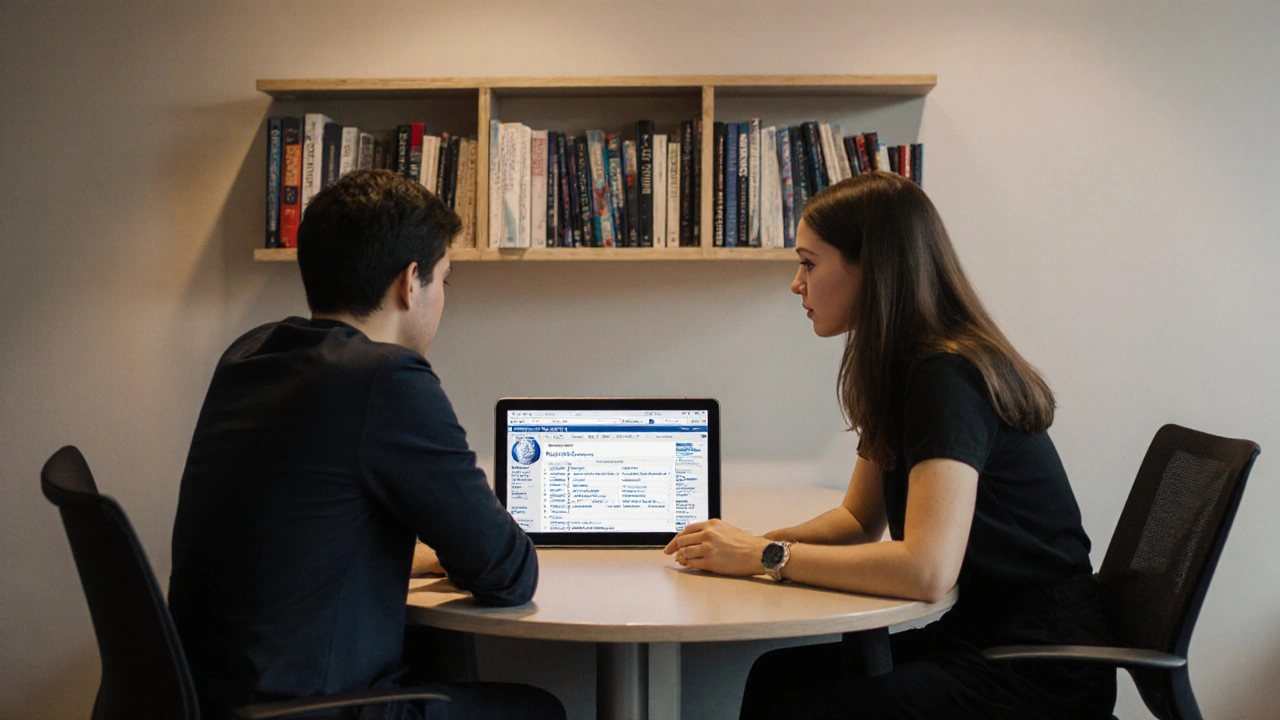
How They Respond to Criticism
Wikipedia gets a lot of criticism. Some say it’s biased. Others say it’s outdated. A few claim it’s a tool of governments or corporations. The media team doesn’t deny these claims. They don’t defend Wikipedia as perfect. They explain how it works. When The Atlantic published a piece titled “Is Wikipedia Dying?”, the Foundation didn’t respond with a rebuttal. They invited the author to sit in on an internal meeting about content moderation. They showed her how edit wars are resolved, how volunteer editors self-police, and how the community votes on article quality. The final article didn’t say Wikipedia was thriving - but it did say it was more resilient than most expected. That’s their playbook: transparency over defensiveness. Invite scrutiny. Let journalists see the machinery behind the curtain.What They Don’t Do
There are lines they won’t cross. They don’t pay for media placements. They don’t ghostwrite op-eds. They don’t try to bury negative stories. And they never, ever ask a journalist to change a headline. In 2022, a major outlet ran a story calling Wikipedia “a haven for conspiracy theorists.” The headline was misleading - the article itself was nuanced, but the headline stuck. The media team didn’t ask for a retraction. They didn’t complain publicly. Instead, they created a short video explaining how Wikipedia’s citation policies work, and sent it to the same reporter with a note: “Here’s how we handle fringe claims. Let me know if you’d like to see our internal guidelines.” The reporter used the video in a follow-up piece. The headline didn’t change. But the conversation did.How They Build Trust With Journalists
Trust doesn’t come from press kits or media kits. It comes from consistency and honesty. The Foundation has a public media contact list. Anyone can email them. But they only respond to journalists who’ve done their homework. If you ask, “Why is Wikipedia so accurate?” without knowing how the edit history works, you won’t get a reply. But if you reference a specific article, mention a past editor’s name, or cite a 2021 study on citation reliability - you’ll get a detailed answer within 48 hours. They’ve trained over 300 journalists through free workshops on how to use Wikipedia’s tools: revision history, talk pages, citation checkers. These aren’t PR events. They’re skill-building sessions. Journalists leave with better research habits. The Foundation leaves with more accurate coverage.
How AI Is Changing Their Strategy
Since 2023, AI-generated content has flooded Wikipedia. Some bots write summaries of obscure topics. Others fix grammar. A few try to insert false facts. The media team now spends half their time explaining the difference between human-written content and AI-assisted edits. They’ve published clear guidelines on their website: “AI tools are allowed for grammar and formatting, but not for content creation.” They’ve also started briefing reporters on how to spot AI-generated text in Wikipedia articles - using tools like the “Edit Summaries” filter and the “User Contributions” log. They don’t fear AI. They fear misunderstanding. Their job is to make sure the public knows AI isn’t running Wikipedia - volunteers are.What Makes Their Strategy Unique
Most organizations want to control their image. The Wikimedia Foundation wants to make sure people understand how it works. They don’t have a PR agency. They don’t have a spokesperson who speaks in slogans. They have editors, researchers, and former journalists who answer emails in plain language. They don’t say “Wikipedia is the future of knowledge.” They say, “Here’s how we fix mistakes. Here’s who does the work. Here’s how you can help.” That’s why, even when Wikipedia is criticized, it still has one of the highest trust scores among online sources - 78% in the 2024 Reuters Institute Digital News Report.What You Can Learn From Their Approach
You don’t need to run a global nonprofit to use their tactics. If you’re a small organization, a researcher, or even a student working on a public project:- Don’t chase headlines. Chase accuracy.
- Don’t avoid criticism. Invite it.
- Don’t send generic press releases. Send personalized context.
- Don’t treat journalists as channels. Treat them as collaborators.
- Don’t wait for a crisis. Build relationships before you need them.