Wikipedia isn’t just a place to check facts anymore. It’s becoming a mirror for what people are suddenly curious about-sometimes in ways no one saw coming. In 2025, traffic to pages about obscure historical events, niche scientific concepts, and even forgotten pop culture moments jumped by over 40% compared to 2023. These aren’t trending on social media. They’re not being pushed by algorithms. People are typing them into Wikipedia because they’re genuinely wondering, "What even is this?"
Why These Topics Are Suddenly Popular
It’s not about virality. It’s about curiosity gaps. When a documentary drops, a podcast episode goes viral, or a movie references something strange, people don’t turn to Google for a quick answer-they go to Wikipedia. Why? Because Wikipedia feels trustworthy. It’s not an ad. It’s not a summary written by someone trying to sell you something. It’s a crowd-sourced deep dive.
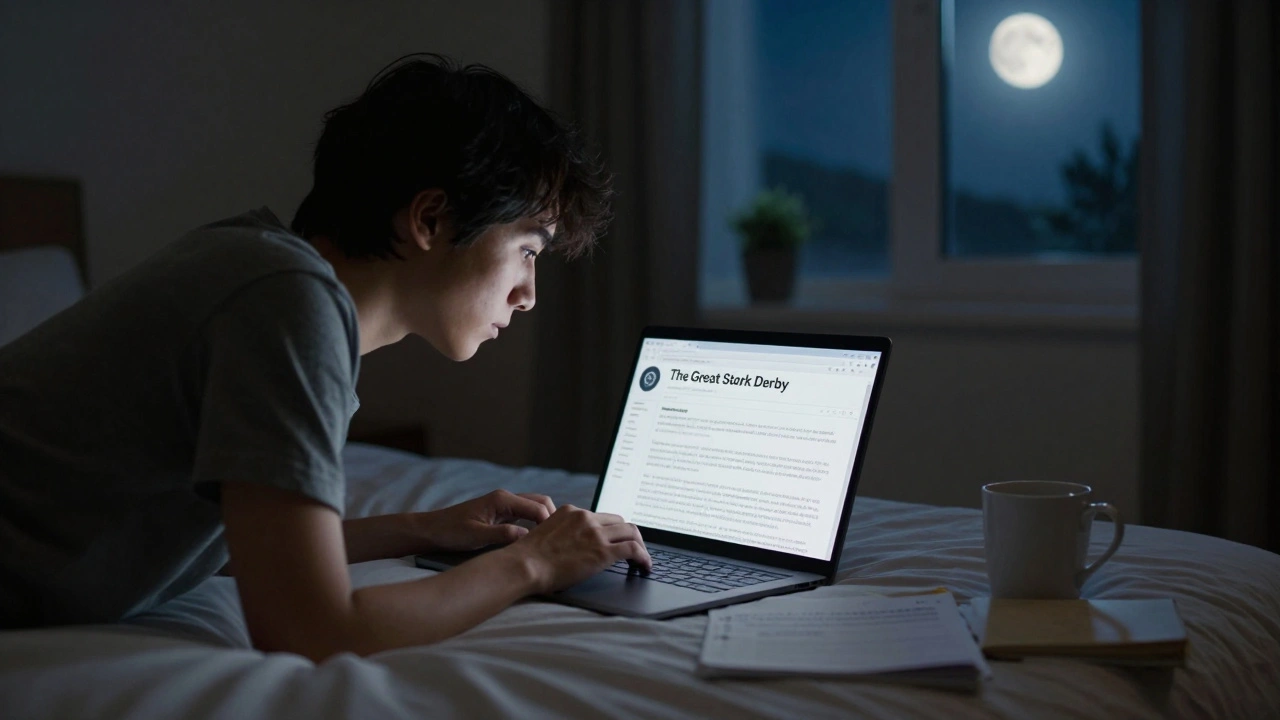
Take the Great Stork Derby. In 2024, this obscure 1920s Canadian contest-where families competed to have the most children to win a cash prize-saw a 300% spike in views. Why? A single episode of the podcast "The Memory Palace" mentioned it. Within weeks, people were reading about the legal battles, the media frenzy, and the woman who gave birth to 18 kids. No one was promoting it. People just wanted to know more.
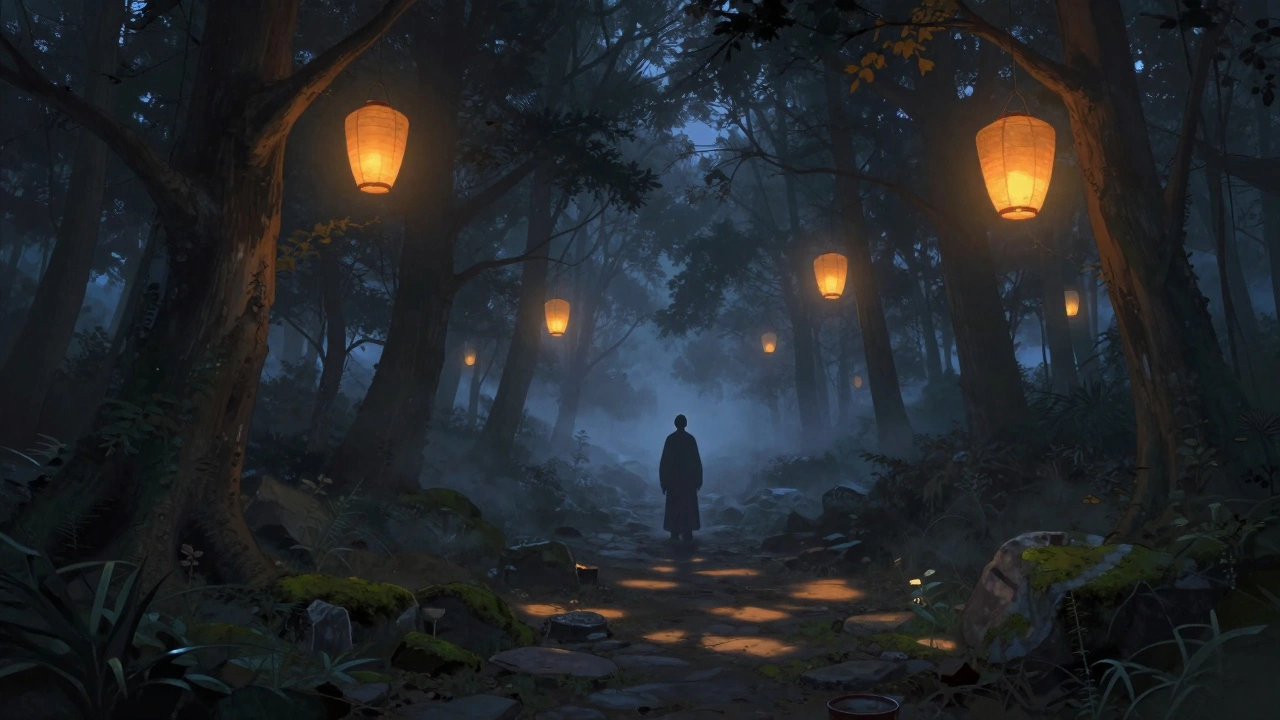
Same thing happened with Lantern Ghosts-a term from Chinese folklore that describes spirits said to carry glowing lanterns to guide lost souls. It jumped from 2,000 monthly views to over 80,000 after a horror game used it as a central motif. The game didn’t explain it. Players went to Wikipedia to find out if it was real.
Science Topics You Didn’t Know Were Trending
People aren’t just clicking on weird stories. They’re digging into complex science topics that used to be ignored. In 2025, the page for Cryonics saw a 220% increase in visits. Not because of a new movie, but because a Reddit thread asked, "Can you really freeze yourself and wake up in 200 years?" That question led people to Wikipedia’s detailed breakdown of the process, the legal status in different countries, and the success rate-zero so far.
The Taos Hum also spiked. It’s a low-frequency noise heard by a small percentage of people in Taos, New Mexico, that no one can explain. In 2024, it went from 15,000 monthly views to 70,000. Why? A TikTok user posted a video saying, "I hear it too." That triggered a wave of people searching for confirmation, explanations, and whether others felt the same. Wikipedia became the go-to place for the facts-no conspiracy theories, just documented reports from the University of New Mexico and the U.S. Geological Survey.
Even The Voynich Manuscript is back. This 15th-century book written in an unknown language, filled with strange plants and naked women, has been a mystery for 600 years. In 2025, it hit its highest traffic in a decade. AI researchers had published new analysis suggesting parts of the text might be generated by a medieval algorithm. People didn’t care about the math-they wanted to see the images, read the history, and decide for themselves if it was a hoax or a lost masterpiece.
Pop Culture’s Forgotten Corners Are Coming Back
Wikipedia is becoming the archive of pop culture’s deep cuts. Pages for forgotten TV shows, canceled video games, and obscure music genres are seeing massive revivals.
The Babylon 5 page saw a 180% increase after a YouTube video called "Why Babylon 5 Was Ahead of Its Time" got 12 million views. Fans who grew up with it shared it with younger viewers who had never heard of it. Suddenly, people were reading about the show’s five-season arc, its use of CGI, and how it influenced later sci-fi like The Expanse.
The 1993 Nintendo Super NES CD-ROM-a prototype console that never launched-had 12,000 views a month in 2023. In 2025, it hit 140,000. Why? A collector uploaded a video showing the last working prototype. People wanted to know why it failed, who made it, and what games were planned. Wikipedia became the central hub for every detail: technical specs, corporate politics, and leaked game titles.
Even The B-side of "My Heart Will Go On" by Celine Dion-"The Reason"-saw a 900% traffic jump. It wasn’t on streaming platforms. No one was playing it. But a TikTok trend asked, "What’s the real song behind Titanic?" People clicked. They found out it was a B-side with a completely different tone, written by the same composer. Wikipedia had the lyrics, the recording date, and why it was never released.

What This Means for How We Learn
Wikipedia’s rise as a curiosity engine shows something important: people want to understand, not just consume. They’re tired of shallow answers. They want context. They want sources. They want to know how something fits into the bigger picture.
Unlike TikTok or YouTube, Wikipedia doesn’t push you to the next video. It gives you a path. You start with "What is the Taos Hum?" and end up reading about infrasound, psychological perception, and the history of urban legends. That’s not a rabbit hole-it’s a learning journey.
And it’s not just students or researchers. It’s stay-at-home parents, retired teachers, high schoolers, and nurses in their 40s. They’re not looking for entertainment. They’re looking for truth.
What’s Next?
Wikipedia’s traffic patterns in 2025 suggest a few things:
- Long-form, niche content is more valuable than ever.
- People trust Wikipedia more than any other source for deep, factual answers.
- Topics that are strange, unexplained, or forgotten are gaining attention-not because they’re trendy, but because they’re mysterious.
- Media that references obscure ideas (podcasts, indie games, documentaries) are becoming the biggest drivers of Wikipedia traffic.
The next big spike? Look for topics tied to new documentaries on ancient lost cities, obscure medical conditions, or forgotten feminist movements from the 1970s. These aren’t trends. They’re waves of quiet curiosity.
Wikipedia isn’t dying. It’s evolving into the world’s most trusted curiosity engine. And the topics people are searching for? They’re weirder, deeper, and more human than ever.
Why are obscure Wikipedia pages getting more traffic now?
Obscure pages are getting more traffic because people are turning to Wikipedia after encountering strange or unexplained topics in podcasts, documentaries, games, or social media. Unlike search engines that show quick summaries, Wikipedia offers detailed, sourced explanations that satisfy deeper curiosity. These aren’t viral trends-they’re quiet, personal searches for understanding.
Are these traffic spikes permanent or just temporary?
Many spikes are temporary, but the underlying behavior is lasting. Once someone discovers Wikipedia as a place to explore complex topics, they keep coming back. Pages like the Voynich Manuscript or the Taos Hum have maintained higher traffic levels for over a year after their initial spike, suggesting a shift in how people use the site-not just for quick facts, but for ongoing learning.
Can anyone edit these trending pages?
Yes, Wikipedia is open to edits from anyone, but high-traffic pages are closely monitored. Editors with experience in history, science, or pop culture often step in to correct misinformation. Pages with sudden spikes in traffic are usually protected from anonymous edits for a short time to prevent vandalism while experts verify content.
Do these topics get added to Wikipedia because they’re popular, or do they become popular because they’re on Wikipedia?
It’s usually the other way around. Topics are added to Wikipedia because they have enough verifiable coverage in reliable sources-not because they’re trending. But once they’re on Wikipedia, they become easier to find, which fuels more interest. So Wikipedia doesn’t create trends-it amplifies them by making them accessible.
Is Wikipedia becoming more important than Google for deep research?
For deep, factual research, yes-especially when you need context. Google gives you headlines, ads, and summaries. Wikipedia gives you structure: history, causes, related topics, and citations. Many people now start with Google to find a topic, then go to Wikipedia to understand it. It’s becoming the second step in the research process for serious learners.