Building a new Wikipedia isn’t about writing more articles. It’s about building a community that actually uses it. The original Wikipedia grew because people cared enough to fix typos, add sources, and argue over wording. Today, launching a new language version isn’t a technical challenge-it’s a social one. And the Wikimedia Foundation knows this. That’s why they created the Wikipedia Incubator.
What the Wikipedia Incubator Really Does
The Wikipedia Incubator isn’t a publishing platform. It’s a training ground. Think of it like a startup accelerator, but for volunteer editors who want to build a Wikipedia in their native language. You don’t need coding skills. You don’t need funding. You just need a group of people who speak the same language and care enough to start.
Here’s how it works: a small team-sometimes just three or four people-creates a test wiki inside the Incubator. They start with a few hundred basic articles: common nouns, famous people, local geography, holidays. These aren’t polished. They’re raw. But they’re real. And they’re the foundation.
By 2025, over 200 language projects had passed through the Incubator. Of those, 64 successfully launched as full Wikipedia editions. The most recent was Wikipedia in Sylheti in late 2024, with over 12,000 articles in just 18 months. That’s not luck. That’s structure.
Launch Milestones: What Gets You From Zero to Live
There’s no secret formula, but there are clear checkpoints. If you’re trying to launch a new Wikipedia, you need to hit these five milestones before Wikimedia will approve your project.
- 500 quality articles - Not just stubs. Each needs at least 100 words, a clear structure, and at least one reliable source. Copy-pasted translations from English won’t cut it. The content must feel native.
- 50 active editors - These aren’t people who log in once. They’re contributors who make at least five edits per month over three months. This is the hardest part. Many projects die here because people start excited and then vanish.
- Consistent daily edits - For 30 straight days, the project must have at least one edit per day. This proves it’s not a flash in the pan. It’s alive.
- Community governance - You need to have a simple set of rules, even if it’s just a page titled “How We Decide Things.” Someone must be nominated as an administrator. Someone must handle disputes. No Wikipedia survives without someone stepping up to mediate.
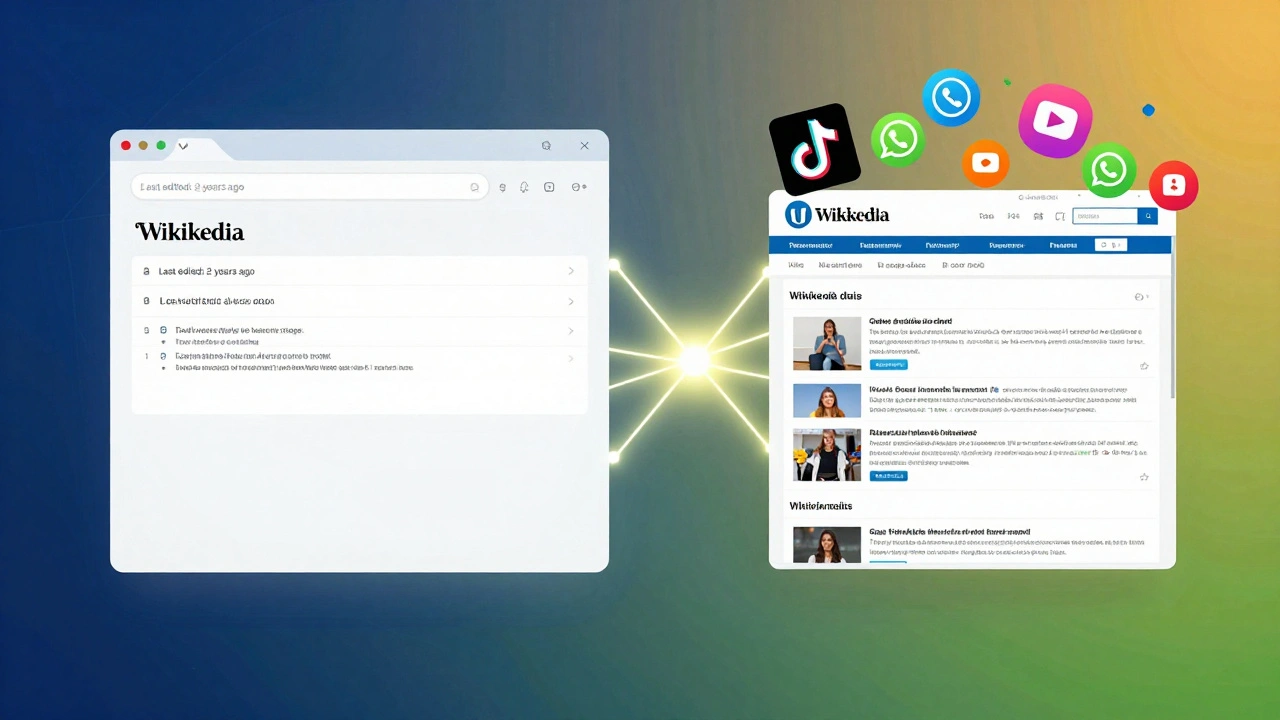
- Local media attention - A small article in a regional newspaper, a radio interview, or even a popular TikTok video about your project counts. External validation tells Wikimedia you’re not just a group of friends tinkering-you’re a movement.
Projects that skip these steps get rejected. Not because they’re bad. Because they’re fragile. And Wikimedia can’t afford to launch a Wikipedia that dies in six months.
Why Most New Wikipedia Projects Fail
Most failures aren’t about language. They’re about isolation.
Take the case of Wikipedia in Tulu, a language spoken by 2 million people in India. The project had 800 articles and 40 editors. It looked promising. But the editors were scattered. No one organized weekly edit-a-thons. No one taught new contributors how to use the editor. When the founder moved abroad, the project stalled. It’s still in the Incubator after five years.
Compare that to Wikipedia in Maithili, which launched in 2018. The team held monthly meetups in local colleges. They made YouTube tutorials in Maithili. They partnered with a regional NGO that trained high school students to edit. Within a year, they had 15,000 articles. The key? They didn’t wait for people to come to them. They went to the people.
Language isn’t the barrier. Engagement is.
Tools That Actually Help
The Incubator doesn’t just give you a blank wiki. It gives you tools built for real-world use.
- Content Translation Tool - Lets you copy a well-written English article and translate it piece by piece, keeping formatting intact. Used by 70% of new projects in their first 6 months.
- Article Wizard - Guides new editors through creating their first article with prompts like “What’s the most important fact?” and “Who might need this?”
- Community Dashboard - Shows you who’s editing, what’s getting popular, and which articles are missing. No guesswork.
These aren’t flashy. But they’re the reason some projects grow while others rot.
What Happens After Launch?
Getting your Wikipedia approved is just the beginning. The real work starts the day it goes live.
After launch, you get:
- Access to the full Wikimedia ecosystem: interwiki links, templates, bots
- Visibility on the main Wikipedia site’s language selector
- Eligibility for Wikimedia grants to fund edit-a-thons or outreach
But here’s the catch: traffic doesn’t magically appear. You have to drive it.
Successful new Wikipedias use three tactics:
- Partner with local schools. Teachers assign Wikipedia editing as homework. In Nepal, over 400 students contributed to the Nepali Wikipedia in one semester.
- Work with libraries. In Indonesia, public libraries started hosting “Wikipedia Saturday” events. People came to learn, and stayed to edit.
- Use social media in local dialects. A single viral tweet in Tagalog about a forgotten Filipino hero brought 1,200 new edits to the Tagalog Wikipedia in 48 hours.
The goal isn’t to be the biggest. It’s to be the most useful.
Who Should Try This?
If you’re fluent in a language with fewer than 1 million speakers, and you’ve ever thought, “Why isn’t there a Wikipedia in this?”-you’re the right person.
You don’t need to be a scholar. You don’t need to know how to code. You just need to be patient, persistent, and willing to teach others.
Right now, over 120 languages have fewer than 1,000 Wikipedia articles. Many have none. That’s not a gap. That’s an opportunity.
Start small. Build slowly. Find your five true believers. Then find ten more. The rest will follow.
Where to Start Today
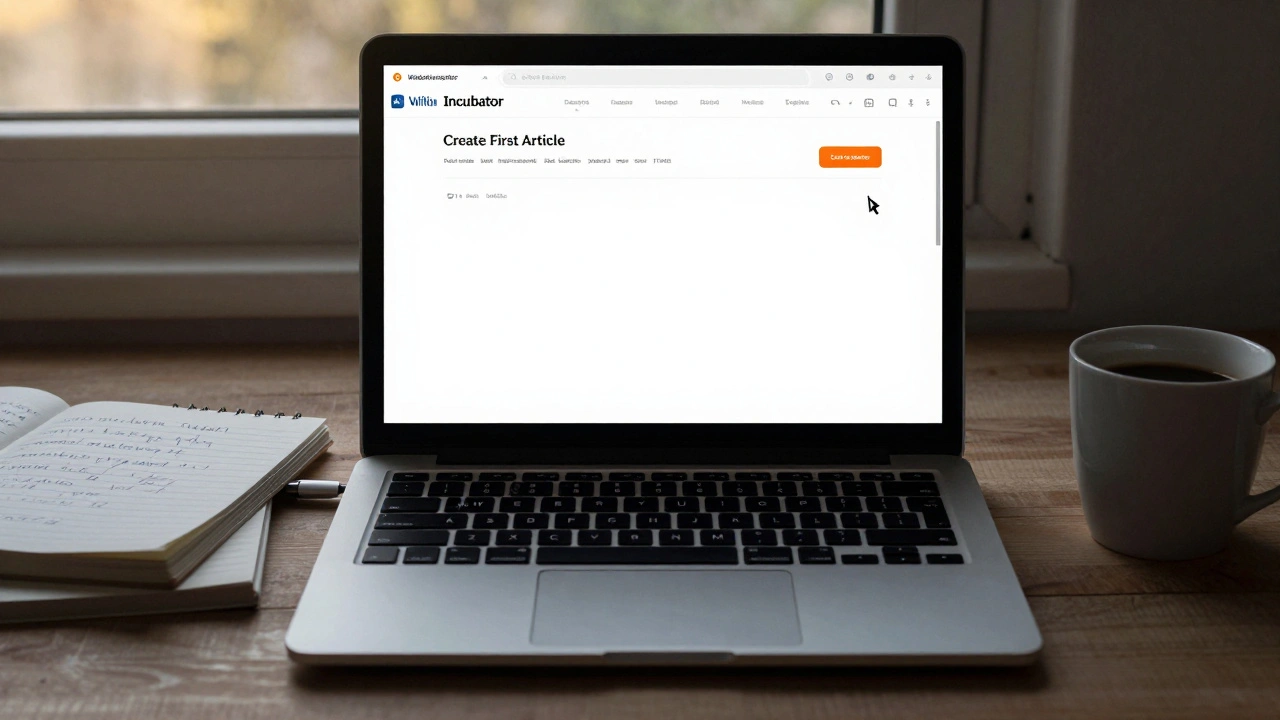
Go to incubator.wikimedia.org. Click “Create a new test wiki.” Pick your language. That’s it.
You’ll get a blank page. But you’ll also get:
- A template for your first article
- A list of 50 common topics to write about
- Instructions on how to invite others
No approval needed. No waiting. Just start.
The first Wikipedia article ever written was about “Aston Martin.” It was short. It had a typo. But someone clicked “save.” That’s all it took.
What’s your language missing? Go write it.
Can I start a Wikipedia in any language?
Yes, as long as it’s a naturally spoken language with a written form. The Incubator doesn’t accept constructed languages like Esperanto or Klingon. But if it’s spoken by a community-even a small one-and people use it to communicate daily, you can start a project.
Do I need permission from Wikimedia to start?
No. You can create a test wiki in the Incubator right away without asking. Permission is only needed when you want to launch it as a live Wikipedia. That happens after you hit the five milestones, and Wikimedia reviews your project to make sure it’s sustainable.
How long does it take to launch a new Wikipedia?
It varies. Some projects launch in under a year. Others take five years or more. Speed depends on how many people are actively editing, not how many languages exist. The fastest launch was in Sylheti-18 months. The slowest took over a decade because the community kept losing momentum.
Can I translate articles from English Wikipedia?
Yes, but not directly. The Content Translation Tool helps you adapt articles, but you must rewrite them to fit local context. A fact that’s true in the U.S. might not apply in Nigeria. Dates, names, and cultural references need localizing. Blind translation leads to low-quality content that won’t pass review.
What if no one else joins my project?
Start small. Find one person who speaks your language and wants to help. Then find another. Use social media, local forums, or even family groups. Many successful projects began with just two people editing together over WhatsApp. Persistence matters more than numbers.
Is there funding available for new Wikipedia projects?
Yes, but only after launch. Wikimedia offers small grants for edit-a-thons, outreach events, or training materials. You can’t apply before your project goes live. Focus on building a community first-funding follows activity.
Can I run a Wikipedia in a language that’s not officially recognized?
Yes. Many successful projects are in languages not recognized by governments, like Rohingya, Aymara, or Aragonese. What matters is that people use it to communicate. Recognition by a state isn’t required-only usage by a community.
What Comes Next?
If you’re reading this and thinking about starting something, don’t wait for the perfect moment. There won’t be one.
The first article on any Wikipedia is always terrible. The second one is worse. But by the 50th, something clicks. Someone finds it useful. Someone adds a photo. Someone corrects a mistake. That’s how it grows.
You don’t need to be an expert. You just need to be the first one to hit “save.”