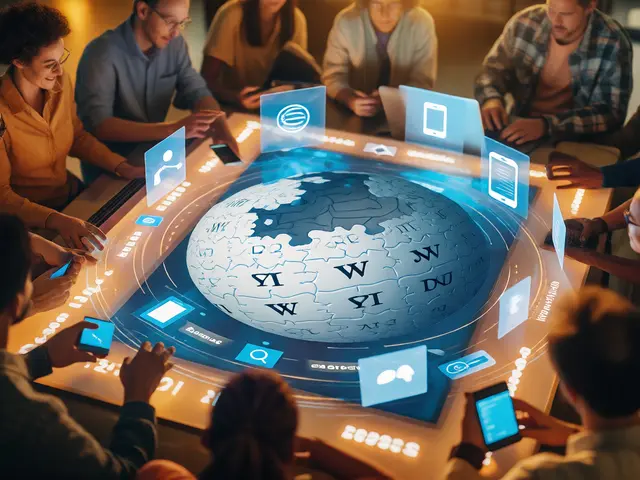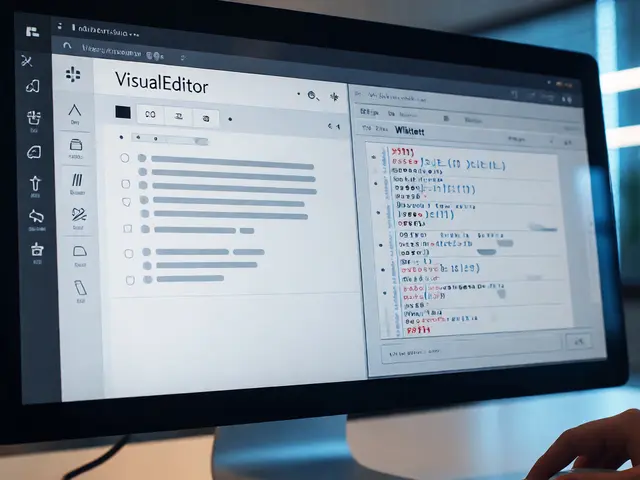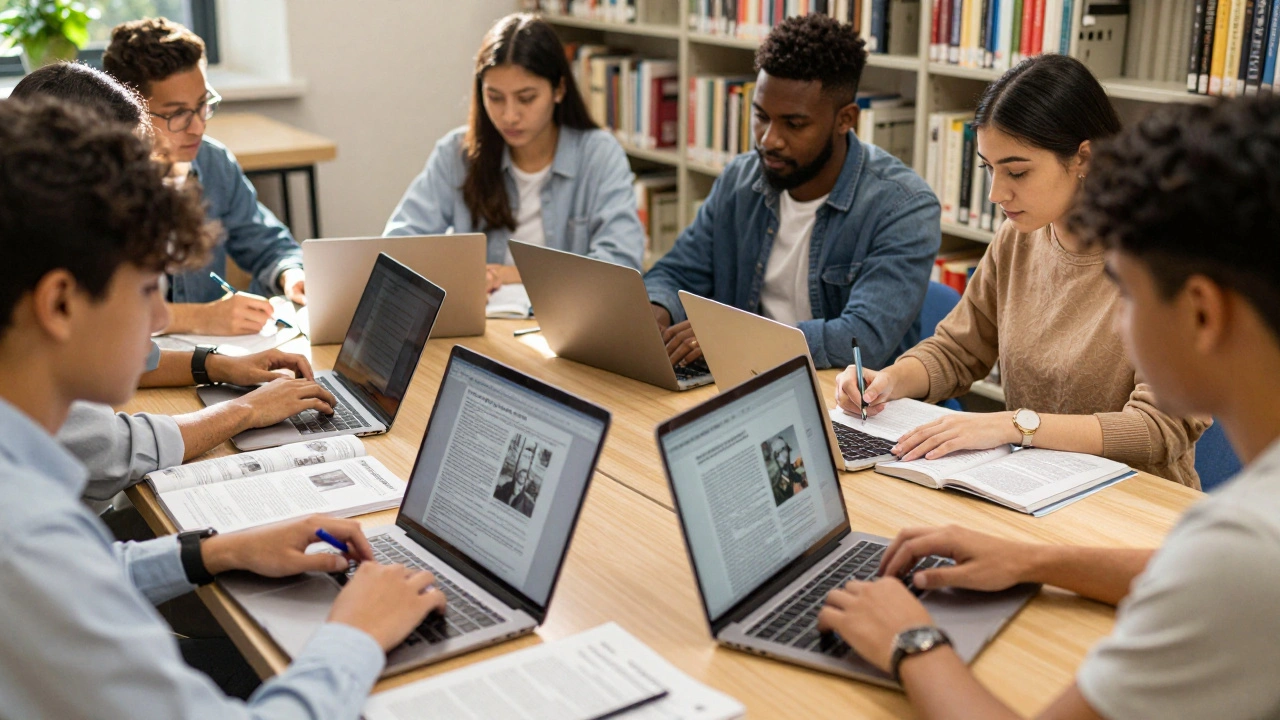
More than 1,200 universities worldwide now include Wikipedia editing in their courses. It’s not just a side project-it’s becoming a core part of how students learn research, writing, and critical thinking. At the University of Wisconsin-Madison, undergraduates in a history class didn’t just write papers. They built Wikipedia articles that reached over 200,000 readers in one semester. That’s more eyes than any professor’s syllabus could ever reach.
Why Universities Are Turning to Wikipedia
For decades, professors told students to avoid Wikipedia. "It’s not peer-reviewed," they’d say. But that’s changing. Today, educators see Wikipedia not as a source to cite-but as a tool to create. Students learn to evaluate sources by finding them, not just reading them. They learn that writing for a global audience means clarity, neutrality, and evidence-not flowery language or personal opinions.
At the University of Edinburgh, every student in a digital humanities course had to improve or create a Wikipedia article on a Scottish historical figure. The results? Over 90% of the articles were rated "good" or "excellent" by Wikipedia’s volunteer editors. And for the first time, students saw their work live on a site used by millions. That’s motivation no grade can match.
How These Projects Work
These aren’t random assignments. They follow a clear structure:
- Students pick a topic with no article-or one that’s incomplete, outdated, or poorly sourced.
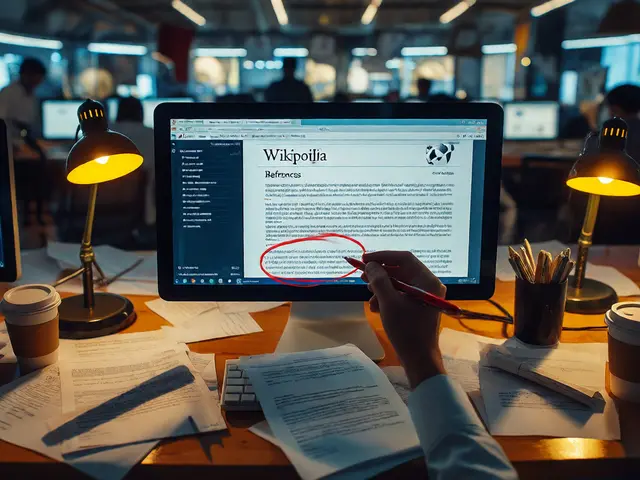
- They use academic journals, books, and archives to find reliable references.
- They write in plain language, avoiding jargon.
- They submit drafts to Wikipedia’s volunteer editors for feedback.
- Once approved, the article goes live.
At the University of California, Berkeley, students in a sociology class wrote about underrepresented communities in the Bay Area. One article on the history of the Filipino-American labor movement had been missing for years. After the students finished, it became one of the most-read pages on Filipino history in the U.S. That’s impact.
What Students Gain
Forget memorizing facts for a test. In these projects, students learn how knowledge is made. They discover that Wikipedia isn’t just a dump of information-it’s a living, changing network of contributors, editors, and policies.
They also learn to handle criticism. Wikipedia editors don’t sugarcoat. If a citation is weak, they say so. If the tone is biased, they flag it. Students get real-time feedback from people who care about accuracy-not just a professor’s red pen.
A 2023 study from the Wikimedia Foundation found that students who participated in these programs improved their research skills by 68% and their ability to identify reliable sources by 74%. That’s not just better grades-it’s better citizens.
What Professors Gain
Professors don’t just assign these projects-they redesign their entire courses around them. Instead of writing a 10-page paper that no one reads, students produce something public, lasting, and useful. That shifts the classroom from performance to contribution.
At the University of Texas at Austin, a professor of anthropology stopped grading essays. Instead, she graded based on how well students followed Wikipedia’s five pillars: neutrality, verifiability, no original research, civility, and broad consensus. Students learned ethics by doing-not just reading about them.
Challenges and How They’re Solved
It’s not always smooth. Some students worry about being wrong. Others fear public criticism. Some professors don’t know how to grade a Wikipedia edit.
That’s why most universities partner with the Wikipedia Education Program a global initiative that provides training, resources, and mentorship to educators using Wikipedia in classrooms. The program offers:
- Free online training for instructors
- Templates for syllabi and assignments
- Access to Wikipedia ambassadors-volunteer editors who review student work
- Dashboard tools to track student progress
At the University of Michigan, a faculty member who had never edited Wikipedia before used the program’s starter kit to launch a class on public health. Within six weeks, her students improved 42 articles on diseases affecting low-income communities. One article was even featured on Wikipedia’s main page as "Article of the Week."
Who Benefits Beyond Students?
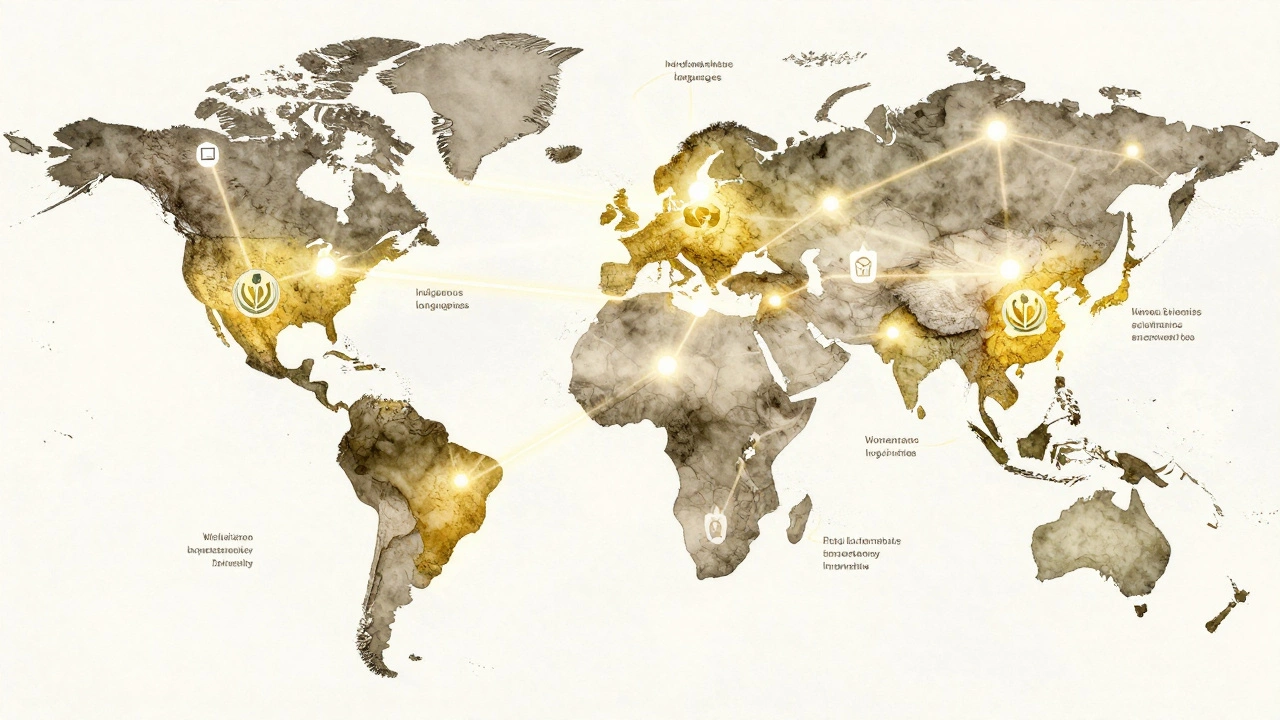
Wikipedia itself gains. Before these projects, articles on topics like Indigenous languages, women scientists, or African history were often thin or missing. Now, students are filling those gaps. Over 1.2 million new or improved articles have come from university partnerships since 2010.
Libraries and archives benefit too. Many projects require students to use primary sources from campus collections. That means rare documents get digitized, cataloged, and linked in citations-making them accessible to the public for the first time.
At the University of Toronto, students working on a project about Canadian women in STEM used archived letters from the university’s special collections. Those letters were scanned and uploaded to Wikimedia Commons, where they’re now used by researchers worldwide.
Is This Just a Trend?
No. It’s becoming standard. In 2025, over 30 countries have national programs supporting Wikipedia in higher education. The European Union funded a €2 million initiative to integrate Wikipedia editing into university curricula across 15 member states. In the U.S., the American Historical Association now officially endorses Wikipedia assignments as a form of public scholarship.
Even accreditation bodies are taking notice. The Council for Higher Education Accreditation (CHEA) recognizes Wikipedia-based projects as valid assessments of critical thinking and information literacy.
What’s Next?
The next wave includes multilingual projects. Students at the University of Cape Town are writing Wikipedia articles in Xhosa and Zulu. In India, students in rural colleges are creating content in Hindi, Tamil, and Bengali. Wikipedia isn’t just English anymore-and these projects are helping it grow in languages that have long been ignored.
Some universities are even creating their own Wikipedia-style platforms for local history, using the same open-editing model. The University of Wisconsin’s "Wisconsin Memory Project" lets students build a digital archive of local stories, using Wikipedia’s open license as a model.
Frequently Asked Questions
Are Wikipedia edits by students actually used?
Yes. Over 90% of student-created articles on Wikipedia are kept after review. Many become among the most-read pages on their topics. Articles on underrepresented groups, local history, and niche academic subjects often see traffic spikes after being published by students.
Do professors need to be Wikipedia experts to run these projects?
No. The Wikipedia Education Program provides full training, templates, and support. Many professors start with zero experience and learn alongside their students. The program’s dashboard tracks student edits, so grading is straightforward-based on effort, improvement, and adherence to Wikipedia’s guidelines.
Can students get credit for this work?
Yes. Most universities award academic credit for Wikipedia assignments. Some even list them on transcripts as "Public Scholarship" or "Digital Research." A few institutions, like the University of Edinburgh, count them toward capstone requirements.
What if a student’s article gets deleted?
It happens, but rarely. Most articles are improved, not deleted. If an article is flagged, students learn why-missing citations, bias, or lack of notability-and revise it. This feedback loop is part of the learning. Many students end up submitting multiple drafts before their article stays live.
Is this only for humanities majors?
No. Science, engineering, and medical students participate too. At Johns Hopkins, nursing students wrote articles on rare diseases. At MIT, computer science students improved entries on open-source software. Even chemistry students have created detailed guides on chemical compounds. Any subject with reliable academic sources can work.
Final Thoughts
University partnerships with Wikipedia aren’t about replacing textbooks. They’re about turning students from passive consumers into active creators of knowledge. In a world where misinformation spreads fast, teaching students how to build accurate, well-sourced content is one of the most valuable skills they can learn.
And it’s working. More students now understand that knowledge isn’t static-it’s built, debated, and improved by people. That’s not just good for Wikipedia. It’s good for democracy.