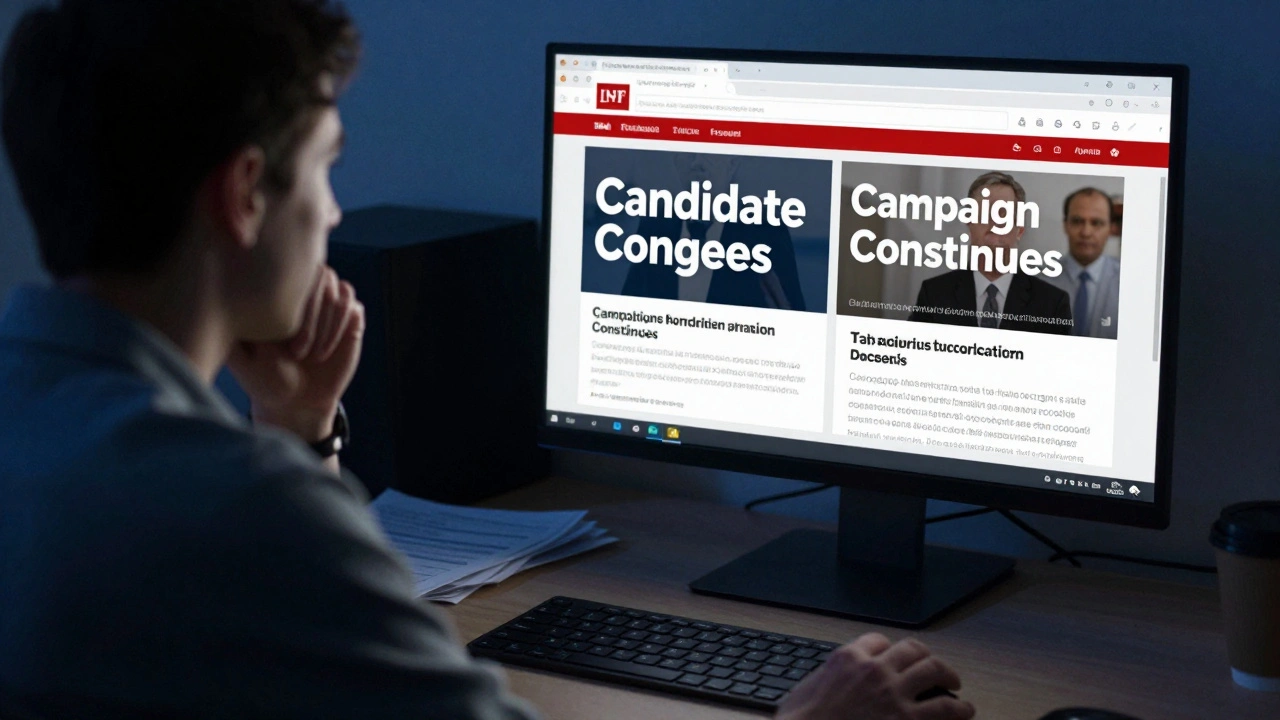
Imagine you are watching a major political event unfold on your screen. Suddenly, two different news outlets publish contradictory headlines about the same moment. One says the candidate conceded; the other says they are still campaigning. You rush to update the relevant article on Wikipedia, which is a free online encyclopedia that anyone can edit. But wait-should you? And if so, how do you decide which version of reality belongs in the text?
This scenario happens more often than you might think. Breaking news is messy. Information spreads faster than it can be verified. When you are editing during these chaotic moments, you become a gatekeeper of truth. Getting it wrong doesn't just look bad; it can spread misinformation to millions of readers instantly. Handling conflicting reports requires a specific set of skills and a strict adherence to rules that most casual editors overlook.
The Core Problem: Speed vs. Accuracy
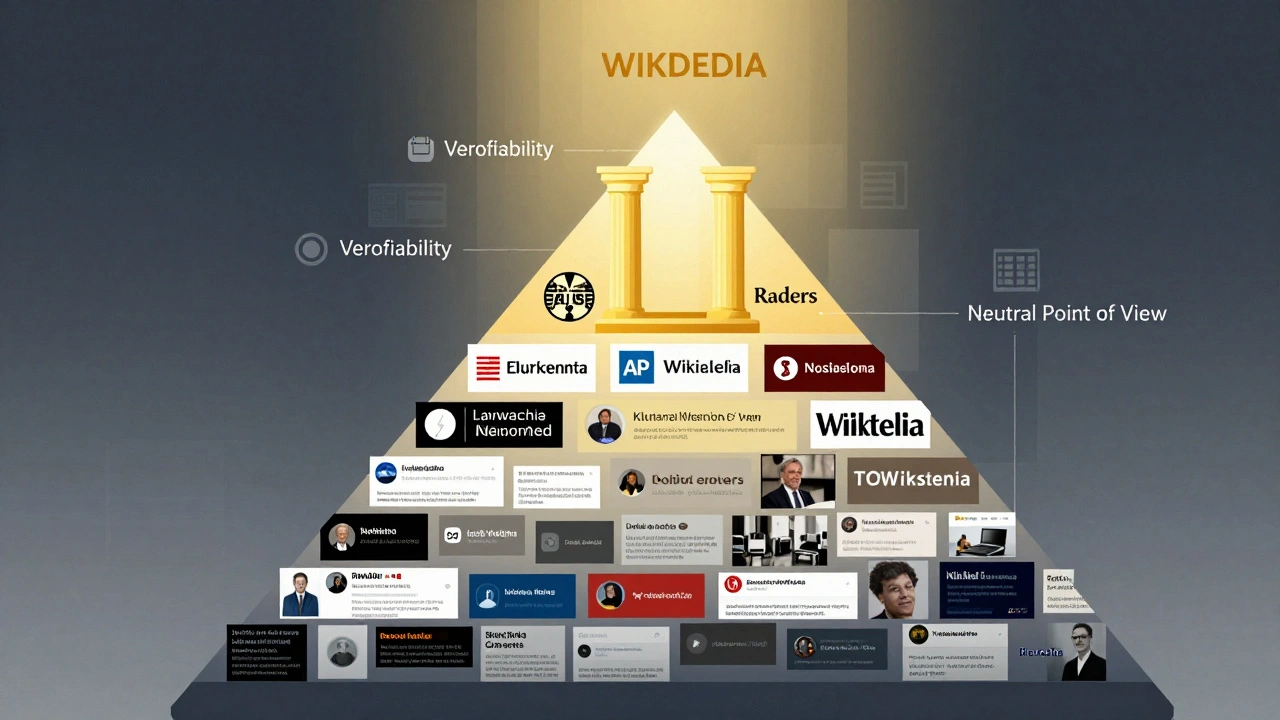
The biggest trap for new editors is the urge to be first. In the world of social media, being first feels like winning. On Wikipedia, being first with unverified information is losing. The platform operates on a core principle called Verifiability, which means that content must be backed by reliable sources, not necessarily true in an absolute sense, but provable through published material.
When reports conflict, you cannot simply pick the one you believe is correct based on your gut feeling or personal bias. You also cannot average out the claims. If Source A says "10 people died" and Source B says "5 people died," writing "7-10 people died" is actually incorrect because neither source supports that specific range. Instead, you must attribute each claim to its respective source. This creates a neutral record of what was reported at that time, rather than trying to establish an objective truth before the dust has settled.
Evaluating Source Reliability
Not all news outlets are created equal when it comes to Wikipedia's standards. To handle conflicting reports, you first need to judge the reliability of the sources providing those reports. This process involves looking at the reputation of the publisher, their editorial oversight, and their history of accuracy.
| Source Type | Reliability Level | Usage Guidelines |
|---|---|---|
| Major Wire Services (AP, Reuters) | High | Safest choice for initial facts. They have strict verification protocols. |
| Mainstream Newspapers (NYT, BBC) | High | Good for context and analysis. Check for editorial bias. |
| Local News Outlets | Moderate | Useful for local impact details. May lack broader context. |
| Blogs & Social Media | Low / Unreliable | Avoid using as primary sources. Only use if corroborated by major outlets. |
If a small blog claims a celebrity is dead, but no major wire service confirms it, you should not add that information. Even if three blogs say it, the weight of evidence remains low. However, if the Associated Press (AP) and Reuters both confirm it, you have high-reliability consensus. When AP says one thing and a local blog says another, the AP wins. Always prioritize sources with established editorial oversight.
Attribution: The Safety Net
When you encounter conflicting reports from two reliable sources, you must use attribution. Attribution means explicitly stating who said what. This shifts the burden of truth from Wikipedia to the sources themselves. It protects the encyclopedia from liability and maintains neutrality.
Consider this example: During a sudden stock market crash, Source A reports that the Federal Reserve will intervene immediately. Source B reports that the Fed will remain passive. Both sources are reputable financial journals. How do you write this?
- Bad: "The Federal Reserve will intervene to stabilize the market." (This takes a side.)
- Bad: "There is confusion about whether the Fed will intervene." (Vague and unnecessary.)
- Good: "According to [Source A], the Federal Reserve plans to intervene immediately. However, [Source B] reports that officials intend to remain passive and allow market forces to adjust."
This approach allows readers to see the full picture. It acknowledges the conflict without resolving it prematurely. As more information becomes available, you can update the article to reflect the outcome, but until then, attribution is your best tool.
Handling Rumors and Speculation
Breaking news is often accompanied by rumors. These are particularly dangerous because they spread quickly and can damage reputations. Wikipedia has a strict policy against including speculative content unless it is notable in itself. For instance, if there is widespread speculation that a company is going bankrupt, you can mention the speculation only if multiple reliable sources discuss the rumor itself as a significant event.
You should never include unconfirmed details about casualties, identities of suspects, or causes of accidents unless they are confirmed by official authorities or highly reliable news organizations. If a police department releases a statement saying "we are investigating," do not extrapolate that to mean "suspects are at large." Stick to the exact words of the source.
The Talk Page: Your Collaboration Hub
If you are unsure how to handle a conflict, do not make a unilateral decision. Use the article's Talk page. The Talk page is where editors discuss changes before implementing them. Post a note explaining the conflict, link to the opposing sources, and ask for input from other experienced editors.
This practice builds community trust and prevents edit wars. An edit war occurs when two editors repeatedly revert each other's changes. By discussing the issue on the Talk page, you invite consensus. Often, a senior editor may provide guidance or find a third source that resolves the ambiguity. Engaging in dialogue is far more effective than fighting over the main text.

Timeliness and Patience
Patience is a rare virtue in breaking news editing. It is tempting to add every new detail as it breaks. However, premature edits often need to be reverted later, creating clutter and confusion. Wait for corroboration. If a story breaks on Twitter, wait for a news outlet to pick it up. If one outlet reports it, wait for a second independent source.
Remember that Wikipedia articles are living documents. You do not need to get everything perfect in the first hour. You can start with a brief summary based on the most reliable initial reports and expand as verified information emerges. This incremental approach ensures accuracy while still providing timely information to readers.
Common Pitfalls to Avoid
Even experienced editors make mistakes. Here are some common pitfalls when handling conflicting reports:
- Original Research: Combining two sources to create a new conclusion. Never synthesize data from different sources to draw a new inference.
- Weighting Issues: Giving equal space to a fringe theory and a mainstream fact. If 99% of reliable sources say X, and 1% says Y, mention X prominently and briefly note Y only if it is notable.
- Emotional Language: Using words like "shockingly," "allegedly," or "controversially" adds bias. Stick to neutral language.
- Ignoring Context: A report might be technically true but misleading without context. Ensure you provide enough background for readers to understand the significance of the news.
Conclusion: Trust the Process
Handling conflicting reports is not about finding the ultimate truth instantly. It is about accurately reflecting what reliable sources are saying at a given moment. By prioritizing verifiability, using attribution, evaluating source reliability, and engaging with the community, you contribute to a trustworthy resource. Remember, your goal is not to break the news yourself, but to document how the news is being reported by credible voices. This disciplined approach ensures that Wikipedia remains a reliable reference even in the midst of chaos.
What should I do if two reliable sources contradict each other?
Use attribution. Explicitly state what each source claims. For example, write "Source A states X, while Source B states Y." Do not try to resolve the conflict yourself unless a third, higher-authority source clarifies the situation.
Can I use social media posts as sources for breaking news?
Generally, no. Social media posts are considered self-published and unreliable unless they come from official accounts of relevant organizations (like a government agency or news outlet). Even then, they should be corroborated by traditional news sources before inclusion.
Is it okay to speculate about the cause of an event?
No. Speculation is not allowed unless it is notable and widely reported by reliable sources. Stick to confirmed facts and attributed reports. If experts are speculating, attribute their opinions to them rather than presenting them as facts.
How do I know if a news source is reliable?
Look for sources with professional editorial oversight, such as major wire services (AP, Reuters), established newspapers (NYT, BBC), and reputable magazines. Avoid blogs, forums, and user-generated content platforms unless they are corroborated by these primary sources.
What is the best way to avoid edit wars during breaking news?
Discuss changes on the Talk page before making them. If you encounter resistance, stop editing the main text and seek consensus. Use clear, neutral language and cite high-quality sources. Engaging respectfully with other editors helps maintain a collaborative environment.