
Wikipedia doesn’t run on paid staff. It runs on volunteers - millions of them. But behind the scenes, a small group of trusted users holds special powers: administrators, or admins. They can delete pages, block users, protect articles, and handle disputes. In 2025, the way these admins are chosen changed - again. Not because of a top-down decision, but because the community finally fixed what was broken.
What Do Wikipedia Administrators Actually Do?
Admins aren’t editors with better fonts. They’re volunteers given technical tools to keep the site running smoothly. They don’t decide what’s true. That’s up to the community and sources. But they can remove content that violates policies - like vandalism, harassment, or copyright violations. They can lock pages during edit wars. They can block users who repeatedly break rules.
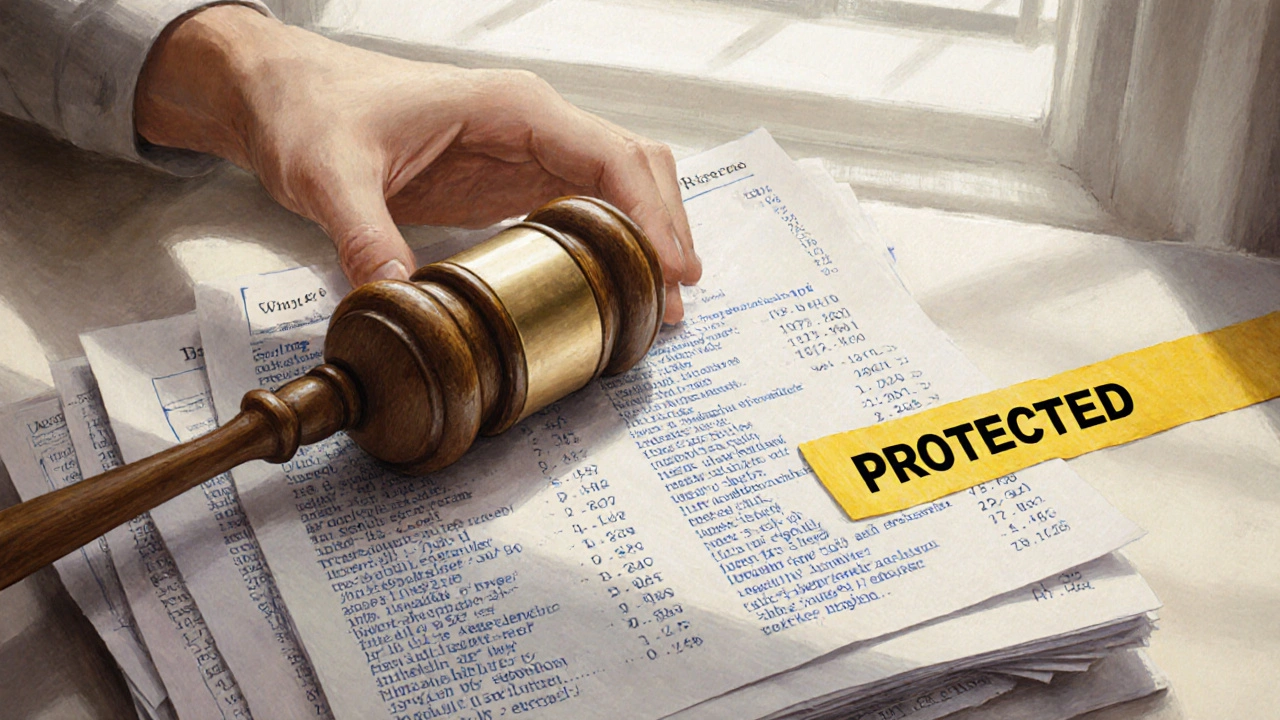
Think of them as moderators with superpowers. If you’ve ever seen a Wikipedia page suddenly locked with a yellow banner saying "Protected," that’s an admin. If a spam bot floods a talk page and disappears in minutes - that’s an admin. No salary. No title. Just responsibility.
The Old System Was Broken
Before 2025, becoming an admin meant winning a community vote. Sounds fair, right? But here’s the problem: the vote lasted seven days. Anyone could vote - even if they’d never edited the site before. And votes were often influenced by popularity, not competence.
Some users got elected because they were loud on talk pages. Others were ignored because they were quiet, even if they’d spent years cleaning up vandalism. A 2023 study by the Wikimedia Foundation found that 42% of new admins in the prior year had fewer than 500 edits before their nomination. That’s less than one article’s worth of work per day for a month.
Worse, the process discouraged people who didn’t want to campaign. Quiet, careful editors - the kind who fix grammar, cite sources, and avoid drama - rarely won. The system rewarded visibility, not reliability.
The 2025 Changes: Three Big Shifts
In January 2025, the Wikimedia Foundation rolled out major updates to the admin election process. These weren’t announced with fanfare. They were tested for months in a small group of language editions, then adopted globally. Here’s what changed.
1. The Voting Window Got Shorter - and Smarter
The old seven-day vote? Gone. Now, nominations open for 14 days. But voting only happens during the final five days. Why? To stop last-minute campaigning and surprise votes. By then, most active editors have had time to review the candidate’s history.
Also, only users with at least 500 edits in the last 12 months can vote. That cuts out sockpuppets, bots, and casual browsers. It means the people deciding who gets admin rights are the ones who actually know how the site works.
2. Automatic Eligibility Based on Track Record
Before, anyone could nominate themselves - even someone with 30 edits and a bold personality. Now, candidates must meet a minimum threshold: 1,000 edits in the past year, and at least 200 of those must be in article space (not talk pages or user pages).
They also need to have been blocked zero times in the last two years. No exceptions. If you’ve been blocked for harassment, even once, you’re out. No appeals. No second chances.
This filters out people who are good at arguing but bad at following rules. It’s not about being perfect. It’s about being consistent.
3. The "No Objection" Rule Replaces Majority Vote
The biggest change? You don’t need a majority to win anymore. You just need no serious objections.
Under the old system, a candidate needed 75% support to win. That meant even one angry voter could block someone. Now, if a candidate gets at least 60% support and fewer than 10 objections from qualified voters, they’re approved.
Objections aren’t just "no" votes. They’re detailed comments explaining why the candidate shouldn’t be trusted with admin tools. If someone says, "I disagree because they deleted a well-sourced article without discussion," that counts. If they say, "I don’t like their username," it’s ignored.
This shift rewards consensus over popularity. It lets quiet, competent editors rise without needing to be the loudest voice in the room.
Who Gets Elected Now?
The results are already visible. In the first six months of 2025, 187 new admins were appointed across all language editions. That’s 31% more than the same period in 2024.
But here’s the twist: 68% of those new admins had over 5,000 edits before nomination. Most were in their 30s or 40s. Many had been editing for five years or more. They weren’t trying to become famous. They just cared about keeping Wikipedia accurate.
One new admin from the German edition, who edits mostly historical articles, said: "I never asked anyone to vote for me. I just kept fixing citations. Someone noticed. That’s all."
Another, from the Japanese edition, had been fixing bot-generated errors for three years. She never spoke up in discussions. But her edit history was flawless. She got elected with 82% support and only three objections - all of which were dismissed because they were personal, not professional.
What This Means for Wikipedia’s Future
This isn’t just a tweak. It’s a cultural shift. Wikipedia is moving away from popularity contests and toward merit-based trust.
The old system made people feel like they had to perform to be heard. The new one says: do the work, and people will notice. That’s how you attract editors who care about content, not clout.
It also helps with diversity. Before, the admin pool was mostly male, mostly Western, mostly loud. Now, quiet editors from Africa, Asia, and Latin America are getting elected. One new admin from Nigeria edits Yoruba-language articles. She had never been nominated before - but her edit history spoke for itself.
Wikipedia’s survival depends on this. As misinformation spreads elsewhere, the world needs a reliable encyclopedia. And reliable encyclopedias need reliable people managing them.
Can Anyone Still Become an Admin?
Yes - but it’s harder. And that’s the point.
If you’re new, don’t rush. Don’t try to get elected. Focus on editing. Fix broken links. Add citations. Clean up typos. Help new users. Over time, your edits will build a reputation. Someone will notice. They might even nominate you.
Wikipedia doesn’t need more admins. It needs better ones. And in 2025, it finally started getting them.
Can anyone nominate themselves to become a Wikipedia admin?
Yes, but only if they meet strict criteria: at least 1,000 edits in the past year, with 200 in article space, and no blocks in the last two years. Self-nominations are common, but they’re reviewed for quality, not just quantity.
Do Wikipedia admins get paid?
No. All Wikipedia administrators are volunteers. They don’t receive any salary, stipend, or benefits. Their role is entirely based on community trust and personal commitment to the project’s goals.
How long does the admin election process take in 2025?
The nomination phase lasts 14 days, but voting only happens during the final five days. Results are typically announced within 24 hours after voting closes. The entire process usually takes two to three weeks from start to finish.
What happens if a Wikipedia admin abuses their powers?
If an admin is accused of abuse, any user can file a formal complaint. A team of experienced admins and arbitrators reviews the case. If misconduct is confirmed, the admin can be stripped of their tools - sometimes permanently. This has happened dozens of times since 2025, including to admins who used their powers to silence critics.
Do I need to be fluent in English to become a Wikipedia admin?
No. Admin rights are granted separately on each language edition. You can become an admin on the Spanish, Hindi, or Swahili Wikipedia without knowing English. The process is the same everywhere: edit consistently, follow rules, and earn community trust.