Wikipedia isn’t one website. It’s more like 300 different encyclopedias, each written in a different language, each shaped by its own culture, politics, and community norms. If you think the English version is the standard, you’re missing the bigger picture. The Spanish edition doesn’t just translate the English one-it has articles on local festivals the English version barely mentions. The Japanese edition leaves out entire sections on Western pop culture that dominate the English pages. And the Arabic edition? It often includes historical context that other versions skip entirely.
What Gets Covered-and What Doesn’t
Not every topic gets equal attention across Wikipedia’s language editions. A 2023 study analyzing over 10 million articles found that the English Wikipedia has nearly 6.5 million articles, while the Cebuano edition has over 5.5 million-but most of those are bot-generated entries about tiny towns in the Philippines. The real difference isn’t just in volume. It’s in selection.
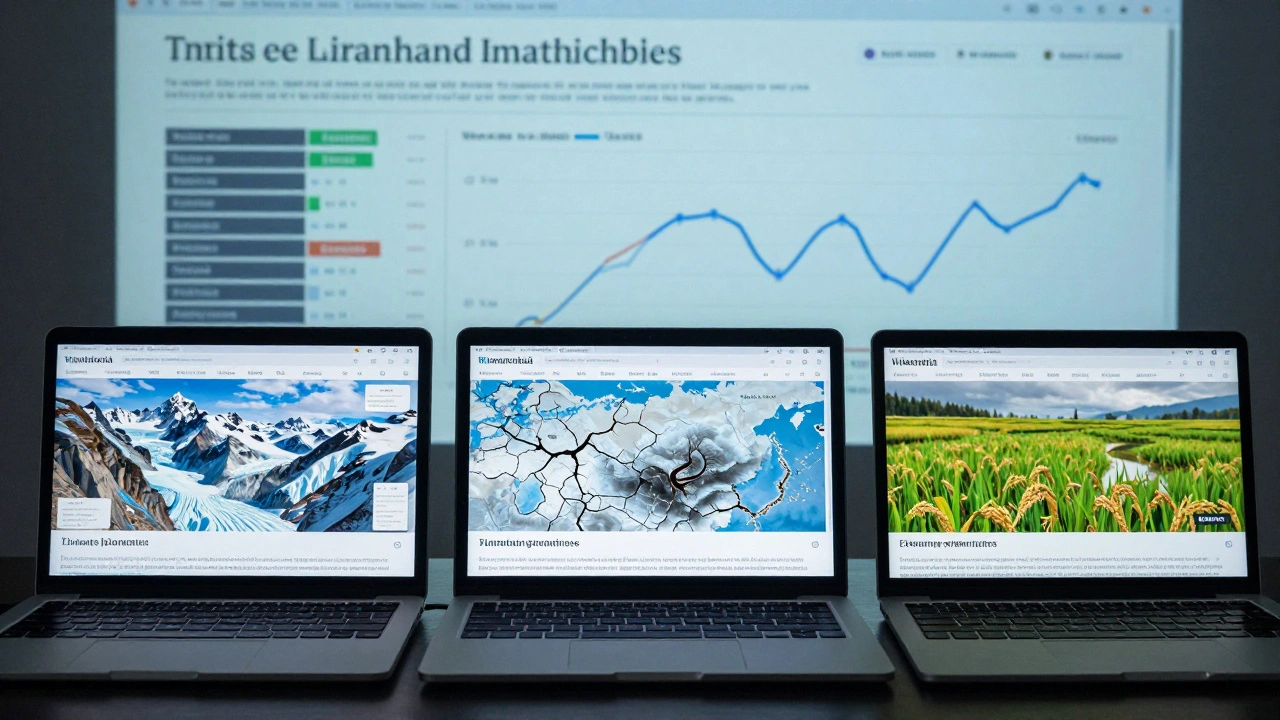
Take the topic of climate change. The German Wikipedia dedicates over 200 pages to regional impacts in the Alps and North Sea. The Russian edition focuses heavily on permafrost thawing in Siberia. The Hindi edition, meanwhile, spends more time on monsoon patterns and agricultural adaptation than on carbon markets. These aren’t translations. They’re different priorities.
Even basic biographies vary. Marie Curie has a detailed page in French, complete with her Nobel Prize speeches and personal letters. The Urdu version mentions her achievements but adds context about her legacy in South Asian science education. The Swahili edition barely mentions her at all-instead, it highlights African women scientists who rarely appear on other editions.
Writing Style and Tone Shift Across Languages
Wikipedia’s neutral point of view policy sounds simple in theory. In practice, every language community interprets it differently.
English Wikipedia articles often use passive voice and hedging phrases like “some researchers believe” to avoid sounding too assertive. The Chinese edition, by contrast, tends toward direct, authoritative statements. If a fact is widely accepted in academic circles, it’s stated plainly-no “some say” qualifiers.
Arabic Wikipedia articles are more likely to include religious or cultural references as context. A page on astronomy might mention Islamic contributions to early star mapping. The Portuguese edition often includes colonial history as essential background for any topic related to Latin America. Meanwhile, the Korean edition avoids political commentary entirely, even on topics like the Korean War, sticking to dry chronologies.
Even punctuation and structure differ. German Wikipedia uses longer compound sentences and more footnotes. Japanese Wikipedia favors short paragraphs and bullet points. The Russian edition often embeds citations directly into the text instead of using numbered references.
Who Writes What-and Why It Matters
Wikipedia’s content doesn’t emerge from a vacuum. It’s shaped by who edits it.
The English Wikipedia has the largest editor base-over 100,000 active contributors. But that doesn’t mean it’s the most comprehensive. The German Wikipedia has fewer editors, but they’re highly organized. Articles on public transportation, environmental policy, and historical monuments are meticulously sourced and updated. The Japanese Wikipedia has a small but disciplined group that focuses on accuracy over speed. They’ll spend weeks verifying a single date.
Smaller language editions often fill gaps the big ones ignore. The Tamil edition has detailed articles on ancient South Indian irrigation systems that don’t appear anywhere else. The Bengali edition includes deep dives into regional folk medicine. The Kurdish edition documents villages and traditions that were erased from mainstream history books.
These differences aren’t accidents. They’re the result of cultural priorities, access to sources, and editorial norms. In some countries, Wikipedia is one of the few places where local knowledge can be published freely. In others, it’s a battleground for political narratives.
What You’re Missing When You Only Use One Edition
If you rely only on the English Wikipedia, you’re getting a narrow, Anglo-centric view of the world. You might learn that the Industrial Revolution began in Britain-but you won’t see how it affected textile workers in Gujarat or how colonial trade routes reshaped economies in Senegal.
Consider the topic of “democracy.” The English version focuses on electoral systems, voting rights, and constitutional law. The Spanish edition includes extensive coverage of grassroots movements in Latin America. The Arabic edition highlights civic engagement under authoritarian regimes. The Swedish edition emphasizes consensus-building and participatory budgeting.
Each version answers different questions. The English version asks: “How does democracy work?” The Arabic version asks: “How do people keep democracy alive when it’s under threat?” The Swedish version asks: “How do communities make decisions together?”
Reading multiple editions isn’t just about translation. It’s about perspective. The same event-a protest, a law, a scientific discovery-can be framed in completely different ways depending on who’s writing it.
How to Use Multiple Editions Effectively
You don’t need to learn 300 languages to get more out of Wikipedia. Here’s how to use it smarter:
- Search for the same topic in two or three other language editions. Use the language selector in the sidebar.
- Compare the structure. Which sections are longer? Which are missing?
- Check the references. Are different sources cited? Academic journals? Local newspapers? Oral histories?
- Look at the talk pages. What debates are happening there? What’s being contested?
For example, search “climate change” in Spanish, Hindi, and Russian. You’ll notice how each version emphasizes different impacts, solutions, and stakeholders. You’ll also see which articles have the most citations-and which are flagged for needing more sources.
This isn’t just for researchers. It’s for anyone who wants to understand the world beyond headlines. The truth isn’t in one version. It’s in the gaps between them.
Why This Matters for Global Knowledge
Wikipedia is the most widely used reference source on the planet. But if we treat it as a single, monolithic source, we’re reinforcing a dangerous illusion: that one perspective can represent the whole world.
Linguistic variation in Wikipedia isn’t a bug. It’s a feature. It shows how knowledge is shaped by language, culture, and power. The fact that the Vietnamese edition has more detail on the Mekong Delta than the English version isn’t a flaw-it’s a correction. The fact that the Maori edition includes oral traditions alongside written records isn’t unacademic-it’s more complete.
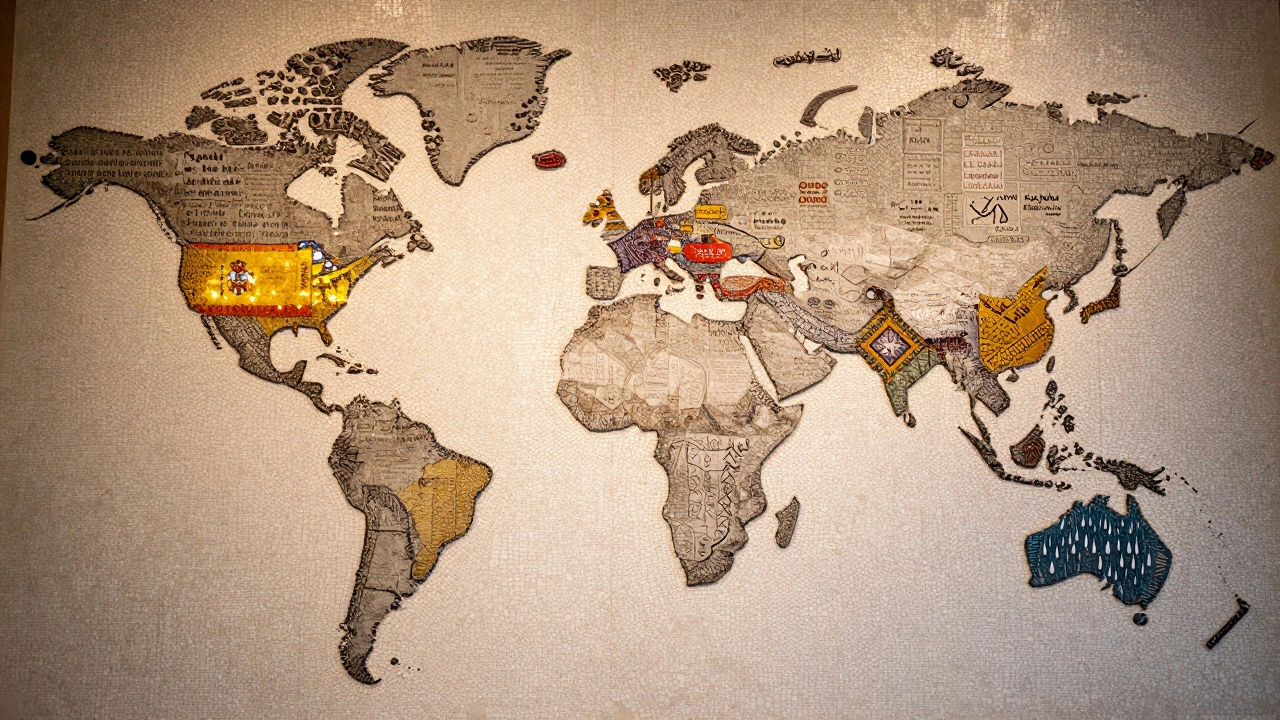
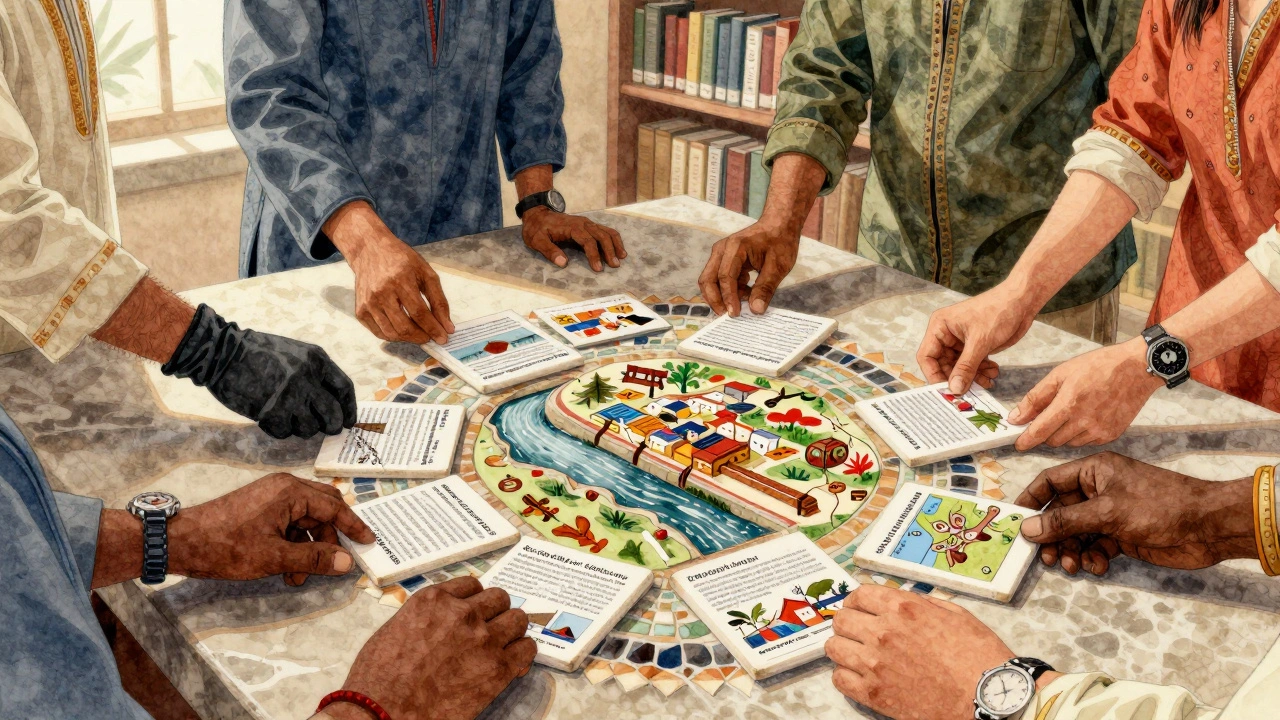
Recognizing these differences means we stop treating Wikipedia as a neutral mirror of reality. Instead, we see it as a mosaic. Each language edition is a tile. Alone, it shows a small part. Together, they reveal a much larger picture.
Next time you look something up, try switching languages. You might find that the most important information isn’t in the article you opened-but in the one you didn’t know existed.
Why do different Wikipedia editions have different article lengths?
Article length varies because of differences in editor activity, cultural priorities, and available sources. For example, the English Wikipedia has the most editors, so it tends to have more articles overall. But smaller editions like the Bengali or Tamil Wikipedia often have longer, more detailed articles on local topics because their communities focus deeply on specific subjects. Some editions also have fewer resources to verify and expand content, which limits growth.
Is the English Wikipedia more accurate than other editions?
No. Accuracy depends on the topic and the community behind it. The German Wikipedia is known for its rigorous sourcing and fact-checking, especially on science and history. The Japanese edition is meticulous about dates and citations. Meanwhile, the English Wikipedia sometimes prioritizes breadth over depth, leading to more superficial coverage on niche topics. A 2022 study found that for medical topics, the Spanish and Portuguese editions often had more up-to-date references than the English version.
Can I trust Wikipedia in languages I don’t understand?
You can use browser translation tools to get the gist, but be cautious. Machine translation can misrepresent tone, omit context, or misinterpret cultural references. For example, a neutral-sounding phrase in Arabic might carry strong political weight in translation. Always cross-check key facts with other editions or primary sources. Translation is a starting point-not a replacement-for understanding.
Why do some languages have more articles than others?
It’s not just about population size. The Cebuano Wikipedia has millions of articles because of early bot-generated entries about Philippine towns. The English Wikipedia has more articles because of its large, active community and decades of growth. Smaller language editions often focus on quality over quantity. For example, the Welsh edition has fewer than 100,000 articles, but they’re highly detailed and well-sourced because the community is small and deeply committed.
Do Wikipedia language editions influence each other?
Yes, but unevenly. The English edition often serves as a template for translations, especially in smaller language communities. However, many editors actively resist copying content from English, preferring to build knowledge based on local sources. Some topics, like scientific research or global events, are shared across editions. But cultural topics-festivals, local laws, traditional medicine-are rarely copied. Each edition builds its own version of reality.