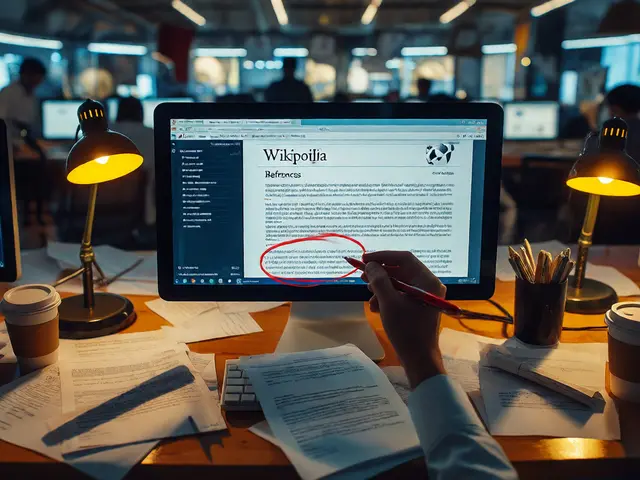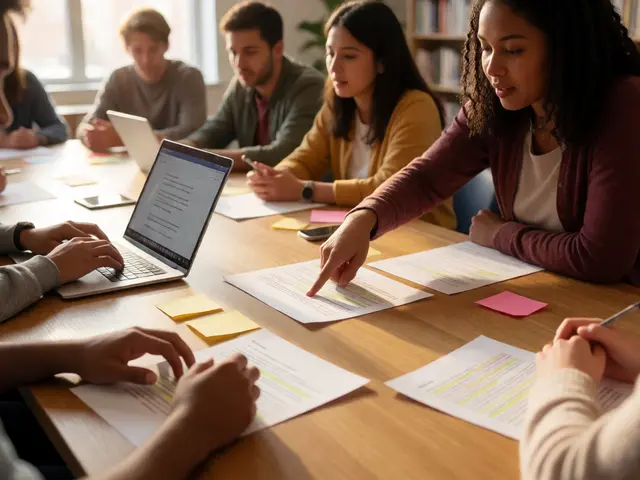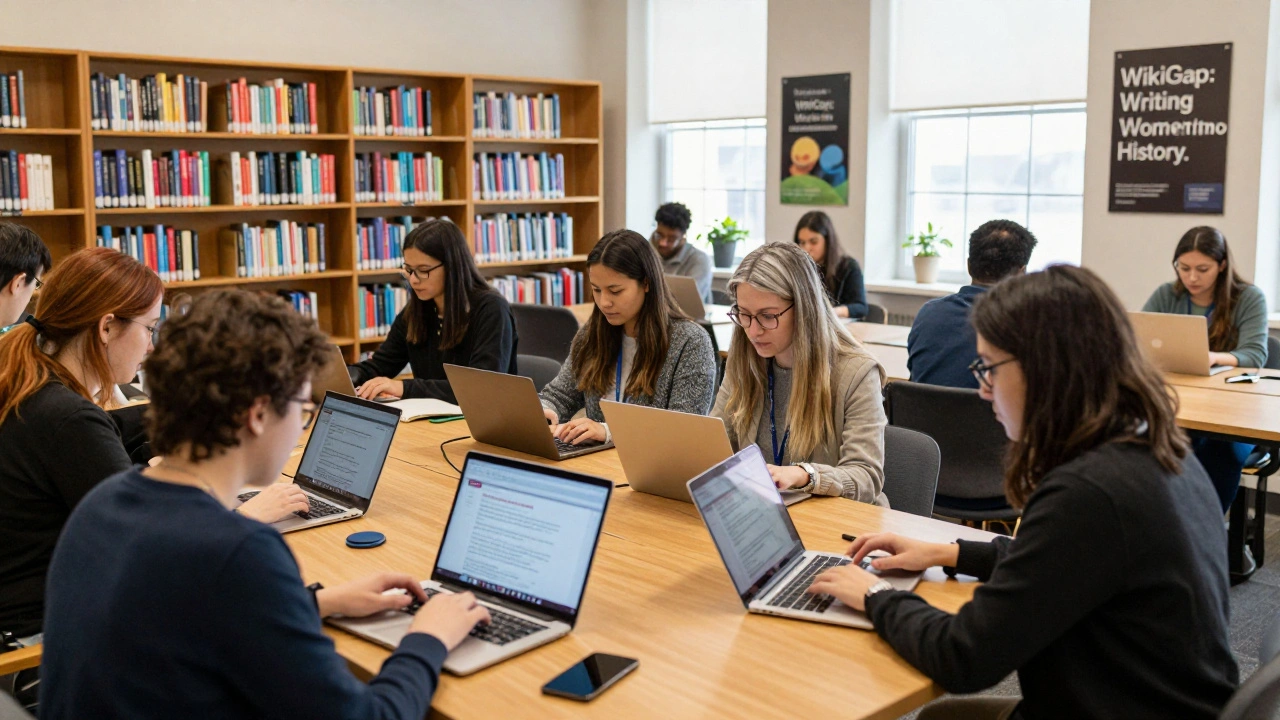
Every year, thousands of people around the world log on to Wikipedia not just to read, but to rewrite history-by making sure women are no longer left out of it. WikiGap events are quiet revolutions happening in libraries, universities, and living rooms, where volunteers gather to create and improve Wikipedia articles about women who changed the world. These aren’t flashy protests or viral campaigns. They’re methodical, deliberate, and surprisingly powerful.
What Are WikiGap Events?
WikiGap is a global initiative started by UN Women in 2018. Its goal? To close the gender gap on Wikipedia. Right now, only about 19% of biographies on Wikipedia are about women. That means for every five notable people you read about, four are men. And it’s not just numbers-it’s visibility. If a scientist, activist, or artist doesn’t have a Wikipedia page, it’s harder for students, journalists, and policymakers to find them. That erases their impact.
WikiGap events bring together editors-both new and experienced-to write, translate, and update articles on women who deserve recognition. These events happen in over 100 countries. In 2025, more than 12,000 articles were created or improved during WikiGap campaigns. That’s more than 30 articles per day, every day, for a full year.
How WikiGap Events Work
There’s no secret formula. The process is simple: find a woman who’s missing from Wikipedia, research her life using reliable sources, and write a clear, well-sourced article. Most events last a few hours. Some are held in person at universities or public libraries. Others are online, using Zoom or Discord.
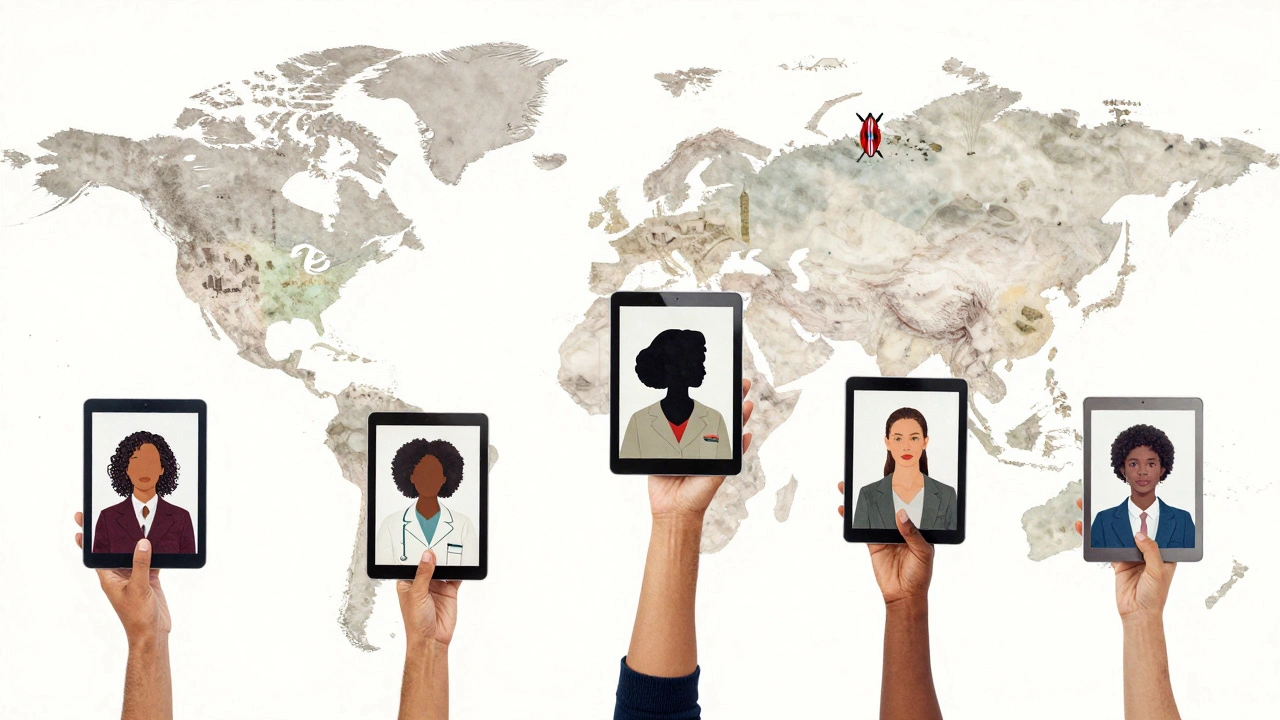
Organizers usually provide a list of “red-linked” names-people who don’t have pages yet but meet Wikipedia’s notability guidelines. These lists are curated by volunteers who track gaps in coverage. For example, in 2024, a group in Nairobi focused on East African female judges. In Mexico City, participants wrote about Indigenous women scientists. In Jakarta, they added articles on women who led environmental movements.
It’s not about writing long essays. Wikipedia values concise, factual entries. A good article includes: her full name, birth and death dates (if applicable), major achievements, key publications or projects, and citations from reputable sources like academic journals, books, or official government records.
Who Can Be a WikiGap Ambassador?
You don’t need to be a tech expert or a historian to lead a WikiGap event. All you need is passion and a willingness to learn. WikiGap Ambassadors are people who organize and promote these events in their communities. They come from all walks of life: teachers, librarians, students, journalists, and even retired engineers.
There are currently over 1,800 official WikiGap Ambassadors in 97 countries. Each one gets access to a private toolkit from UN Women that includes:
- A step-by-step guide to hosting an event
- Pre-approved lists of women candidates for article creation
- Training videos on Wikipedia editing basics
- Templates for social media promotion
- Certificates of recognition
Ambassadors also get listed on the official WikiGap website, which helps them connect with other organizers and attract participants. Many have gone on to partner with local universities, museums, and women’s rights groups. One ambassador in Santiago, Chile, turned her event into a university credit course. Another in Accra, Ghana, trained 300 high school girls to edit Wikipedia as part of their digital literacy program.
What Resources Are Available?
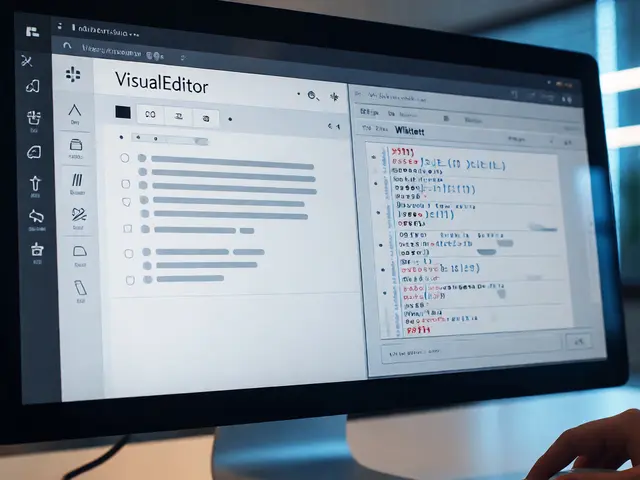
Wikipedia’s editing interface can feel intimidating at first. But the resources for WikiGap participants are designed to remove those barriers. The official WikiGap portal offers:
- Editing Workshops: 15-minute video tutorials that walk you through creating your first article. No prior experience needed.
- Source Lists: Curated databases of books, academic papers, and news articles that meet Wikipedia’s reliability standards. These avoid blogs, personal websites, or unverified social media posts.
- Translation Tools: Articles created in English can be translated into other languages using built-in Wikipedia tools. This helps fill gaps in non-English Wikipedias, where coverage of women is often even worse.
- Community Forums: A moderated space where ambassadors ask questions, share success stories, and troubleshoot problems. One common issue? Getting articles approved after submission. The forum has a dedicated team that reviews submissions within 48 hours.
There’s also a WikiGap Impact Dashboard that tracks global progress. In 2025, the top three countries for article creation were Brazil, Kenya, and Indonesia. The most edited topic? Women in STEM. The most requested translation? Articles about women in Arabic-speaking countries.
Why This Matters Beyond Wikipedia
Some people think Wikipedia is just a website. But it’s more than that. It’s the third most visited site in the world. It’s the first place students look for information. It’s where journalists fact-check. It’s where algorithms pull data for search engines and AI tools.
When Wikipedia leaves out women, it doesn’t just create an imbalance-it normalizes invisibility. A 2023 study from the University of Oxford found that when girls search for role models in science, they’re far more likely to find male names. That affects career choices. When a girl reads about Marie Curie and Rosalind Franklin and then sees 10 more male scientists before finding another woman, she starts to believe science isn’t for her.
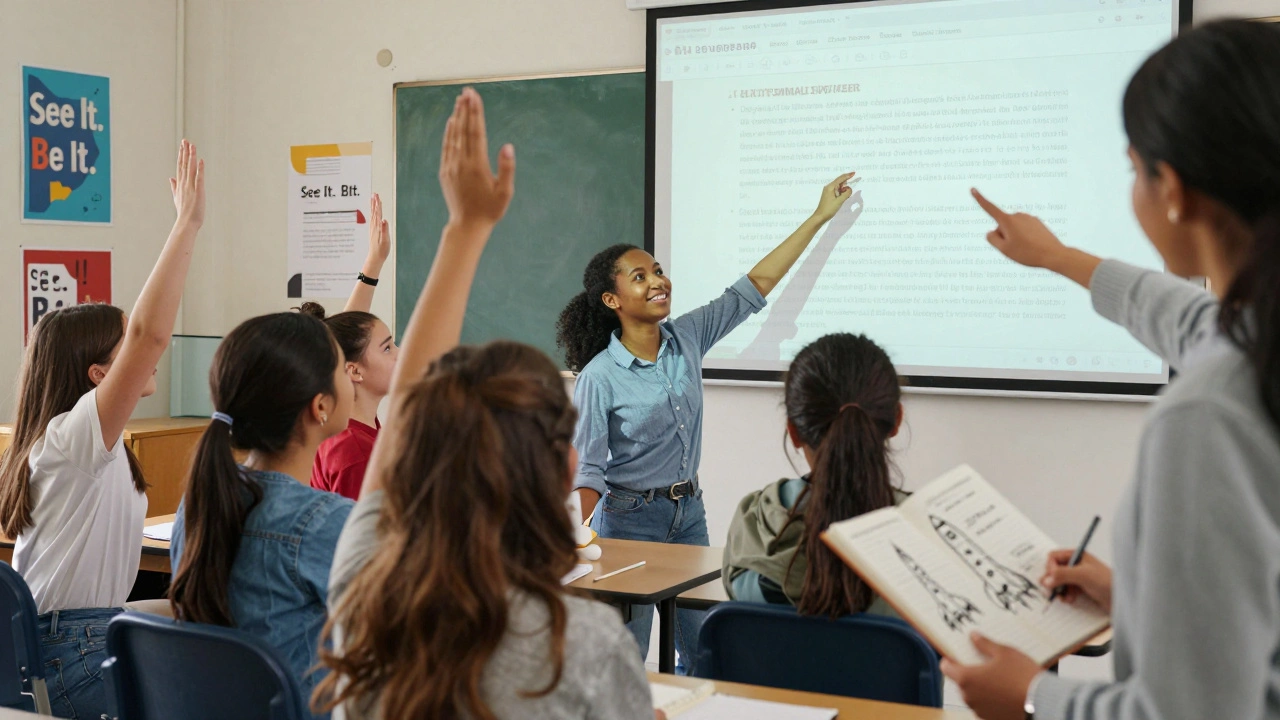
WikiGap changes that. One high school student in Minneapolis told her teacher after attending a WikiGap event: “I didn’t know there were so many Black female engineers. Now I want to be one.” That’s the real impact.
How to Get Involved
If you want to join, here’s how:
- Visit wikigap.org (this link is for context only; do not hyperlink in final output) and sign up as an ambassador or participant.
- Download the Ambassador Toolkit. It includes everything you need to plan your event.
- Choose a date. Many groups host events around International Women’s Day (March 8) or UN Women’s anniversary (October 24).
- Find a space. It could be a library, a café, a Zoom room, or even a backyard.
- Invite others. Bring friends, coworkers, students, or neighbors. You don’t need 50 people. Even three can make a difference.
- Start editing. Use the provided lists or search for women in your own community who deserve a page.
There’s no deadline. No fee. No experience required. All you need is five hours and a desire to make history visible.
What Happens After the Event?
After the editing session, the real work begins: keeping the articles alive. Wikipedia is a living platform. Articles can be deleted if they’re not updated or cited properly. That’s why ambassadors are encouraged to check in on their articles every few months.
Many ambassadors set up “edit-a-thons” every quarter. Some have created local Wikipedia clubs. One group in Buenos Aires now meets every second Saturday. They’ve created over 120 articles on Argentine women in politics, art, and sports. Their work has been cited by national textbooks.
The goal isn’t just to create articles. It’s to build a culture where women’s contributions are expected, not exceptional.