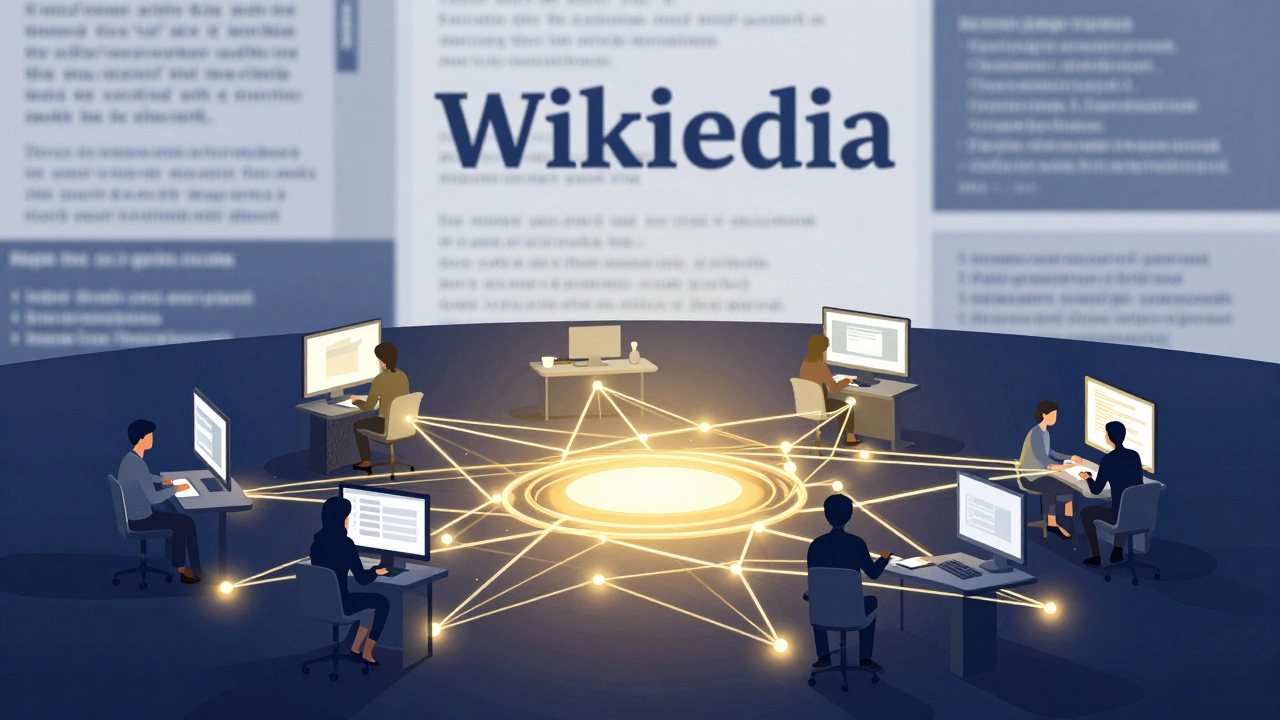
Most people think of The Signpost as a place for breaking news about Wikipedia controversies or policy changes. But there is a quieter, more constructive side to this publication that often goes unnoticed. It serves as a mirror for the collaborative engine that keeps the encyclopedia running. Through its regular features on WikiProjects, The Signpost does something rare in digital media: it celebrates the process rather than just the product.
You might wonder why a newspaper would spend time highlighting groups of volunteers who are simply trying to improve articles about obscure trains or medieval battles. The answer lies in understanding how large-scale collaboration works. When you look at these spotlights, you aren't just reading about editors; you are seeing a case study in distributed work, peer review, and community building. This article breaks down exactly how The Signpost covers these projects, why those stories matter, and what you can learn from them if you want to contribute more effectively to any open-source or volunteer-driven effort.
Understanding The Role of WikiProjects
To get the most out of The Signpost’s coverage, you first need to understand what a WikiProject actually is. In simple terms, it is a group of editors who share an interest in a specific topic. They don’t have bosses, budgets, or formal hierarchies. Instead, they rely on shared goals and mutual respect. A WikiProject might focus on "Biography," "Science," or even very narrow niches like "19th-Century French Literature."
These projects create guidelines for writing style, sourcing, and structure within their niche. They also provide a space for editors to ask questions, find collaborators, and nominate articles for promotion. Without WikiProjects, Wikipedia would be a chaotic mess of uncoordinated edits. With them, it becomes a structured, albeit decentralized, operation. The Signpost recognizes this by treating WikiProjects not just as administrative units, but as vibrant communities with unique cultures and challenges.
How The Signpost Selects Stories
The editorial team behind The Signpost doesn’t just pick WikiProjects at random. They look for stories that illustrate broader trends or human elements. A project might be chosen because it successfully resolved a long-standing dispute over neutrality. Another might be highlighted because it launched a new initiative to attract younger contributors. The key is narrative potential.
When you read a feature in The Signpost, notice the angle. Is it about conflict resolution? Innovation in workflow? Or perhaps the personal journey of a dedicated editor? These angles make dry technical processes relatable. For example, a story about the WikiProject Medicine might focus on how they verify medical claims against peer-reviewed journals, turning a complex verification process into a compelling tale of accuracy and trust. This approach helps readers see the value of rigorous standards without getting bogged down in jargon.

The Impact of Positive Coverage
Recognition matters in volunteer-driven ecosystems. When The Signpost highlights a WikiProject, it validates the efforts of its members. Many editors spend hundreds of hours refining articles only to receive little feedback. A feature in The Signpost provides public acknowledgment that boosts morale and encourages continued participation. It also signals to other editors that this is a healthy, active place to join.
This positive reinforcement has measurable effects. Projects featured in The Signpost often see spikes in membership and activity. New editors feel welcomed and informed about where to start. Existing editors gain confidence in their methods. Moreover, it sets a standard for other communities. If one WikiProject demonstrates effective collaboration, others may adopt similar practices. The ripple effect of good journalism here is significant-it shapes the culture of the entire platform.
Common Themes in Spotlight Features
If you scan through past issues of The Signpost, certain themes emerge repeatedly. One major theme is Consensus Building. Since Wikipedia operates on consensus rather than authority, resolving disagreements is central to its function. Features often showcase how WikiProjects facilitate discussion, use talk pages effectively, and reach compromises. Another frequent theme is Content Gaps. Many spotlights highlight efforts to fill missing articles, particularly in underrepresented areas like women’s history, non-Western cultures, or indigenous knowledge. These stories emphasize the mission of creating a free encyclopedia for everyone.
A third theme is Tool Development. Some WikiProjects build bots, scripts, or templates to automate tedious tasks. The Signpost often explains these tools in accessible language, showing how technology enhances human collaboration. By focusing on these themes, the publication provides practical insights while celebrating the spirit of cooperation.
What You Can Learn From These Spotlights
You don’t need to be a Wikipedia editor to benefit from reading these features. The principles of collaboration, communication, and quality control apply to many fields. If you manage a team, consider how WikiProjects handle decentralized leadership. If you are a student, look at how they source information and cite references. Even if you are just curious about online communities, these stories offer a window into how strangers can work together toward a common goal.
Pay attention to the problem-solving strategies described. How do editors deal with vandalism? How do they maintain neutrality when covering controversial topics? How do they onboard new members? These are universal challenges in any collaborative environment. The Signpost’s reporting turns abstract concepts into concrete examples, making them easier to understand and replicate. You might find yourself adopting some of these tactics in your own projects, whether they are professional, academic, or personal.
| Focus Area | Primary Goal | Key Challenge | Example Project |
|---|---|---|---|
| Biographies | Ensure accurate life histories | Verifying living persons | WikiProject Biography |
| Science | Promote scientific accuracy | Simplifying complex topics | WikiProject Science |
| History | Maintain neutral point of view | Interpreting historical events | WikiProject History |
| Technology | Keep up with rapid changes | Outdated information | WikiProject Technology |
Getting Involved Through The Signpost
Reading about WikiProjects is one thing; joining them is another. The Signpost often includes calls to action or links to project pages. If a story resonates with you, take the next step. Visit the mentioned WikiProject page, introduce yourself on the talk page, and see what needs doing. You might help clean up citations, expand a stub article, or simply chat with other editors. The barrier to entry is low, and the learning curve is manageable.
Don’t worry about being an expert. Most WikiProjects welcome beginners who show enthusiasm and willingness to learn. The Signpost’s features demystify the process, showing that successful contributions come from consistent effort, not innate genius. By following these spotlights, you can identify active, welcoming communities that match your interests. Whether you love art, politics, or coding, there is likely a WikiProject waiting for your input.
What is The Signpost?
The Signpost is an independent news magazine focused on Wikipedia and related Wikimedia projects. It covers news, opinions, and features about the community, policies, and technical developments surrounding the free encyclopedia.
Why does The Signpost highlight WikiProjects?
Highlighting WikiProjects showcases successful collaboration, educates readers about how Wikipedia works, and encourages participation by recognizing the efforts of volunteer editors. It provides positive counterbalance to controversy-focused reporting.
Can anyone join a WikiProject?
Yes, absolutely. WikiProjects are open to all Wikipedia editors regardless of experience level. You simply need to register an account, visit the project page, and start contributing according to their guidelines.
How do WikiProjects ensure article quality?
They use peer review, content assessment scales, and detailed guidelines for sourcing, neutrality, and structure. Editors collaborate to identify gaps and improve articles through iterative refinement and discussion.
Where can I find recent WikiProject spotlights?
You can browse the archives of The Signpost website, looking specifically for sections labeled "Features" or "Community." These sections regularly include profiles and updates on various WikiProjects across different topics.