Key Updates This Quarter
- Launch of the Global South Grant Program to support non-English editors.
- Introduction of AI-assisted sourcing tools to fight misinformation.
- New mentorship tracks for first-time contributors from underrepresented regions.
- Expanded focus on indigenous language preservation through digital archives.
Closing the Knowledge Gap in the Global South
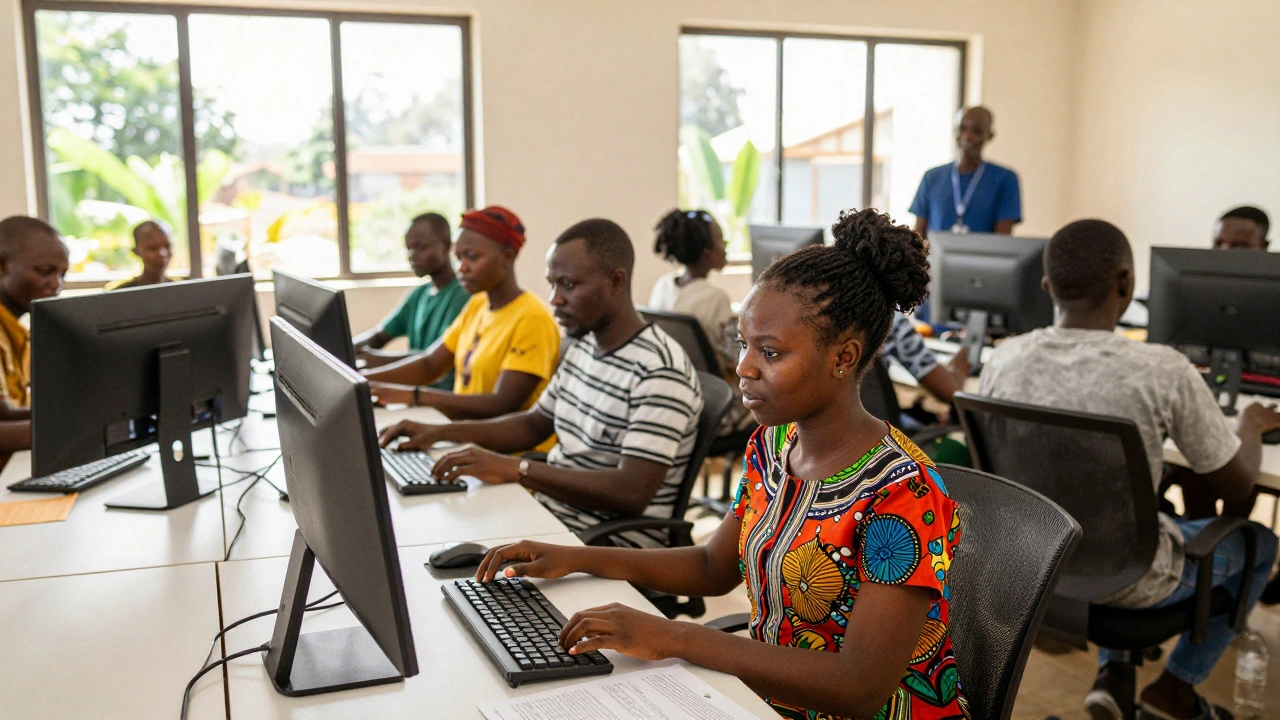
For too long, the digital record has been skewed. If you look at the number of articles about European history versus pre-colonial African history, the gap is staggering. To fix this, the Wikimedia Foundation is a nonprofit organization that operates Wikipedia and other free knowledge projects, and they've just rolled out a targeted grant program. This isn't just a few thousand dollars here and there; it's a structured investment in local community hubs. These hubs provide editors in places like Nairobi, Jakarta, and Lima with the hardware and internet access they need to document their own cultures. Why does this matter? Because when locals write their own history, the nuance is better. You get specific dates, oral traditions converted to text, and a perspective that a researcher in London or New York simply can't provide. The initiative focuses on "knowledge equity," ensuring that the person reading a page about the Andean highlands sees a reflection of the people who actually live there.Combatting Misinformation with AI-Sourcing Tools
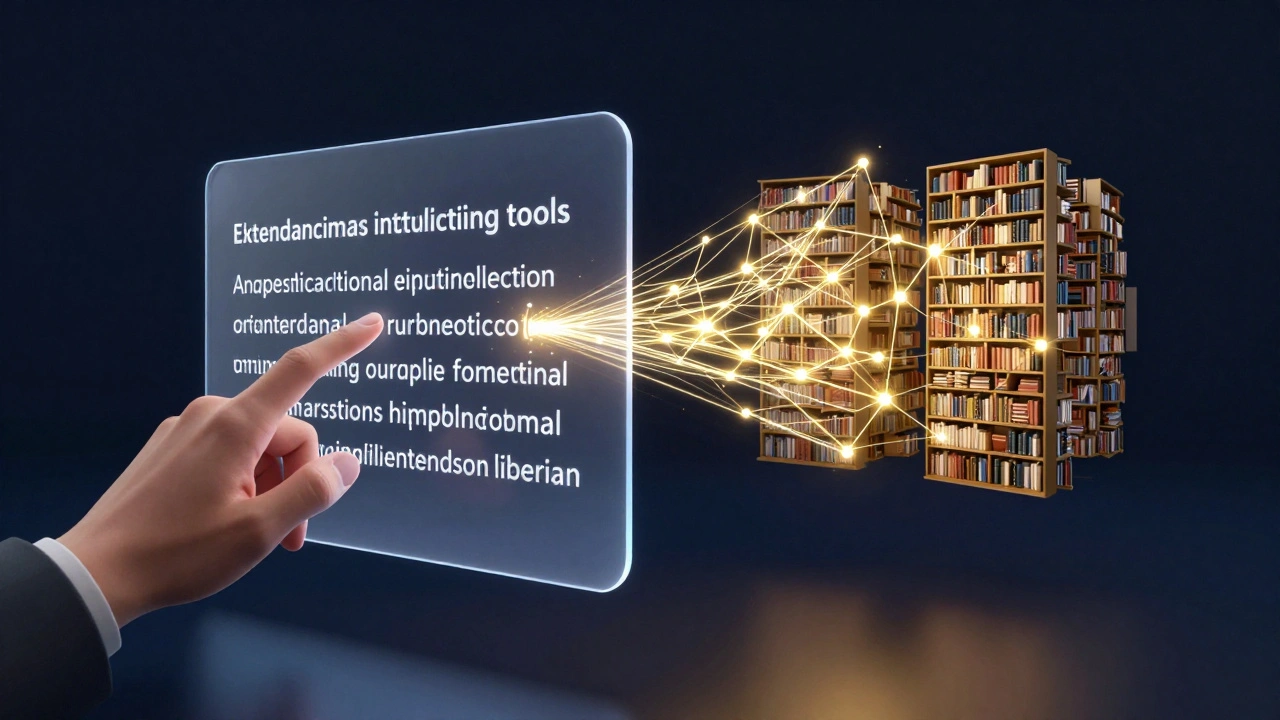
Let's be honest: the battle against fake news is exhausting. Wikipedia has always relied on human eyes to spot errors, but the sheer volume of edits now requires a digital assist. This quarter, the community launched a series of AI-assisted sourcing tools designed to flag unsourced claims in real-time. Unlike a chatbot that just makes things up, these tools act more like a librarian. If an editor writes that a specific chemical reaction occurs at 500 degrees, the tool scans thousands of verified academic journals and suggests a primary source. This reduces the time it takes for a new claim to be "verified," which is the gold standard for any Wikipedia entry. It doesn't replace the human editor; it just removes the tedious grunt work of hunting for a PDF from 1974 that proves a point.| Feature | Traditional Method | 2026 Initiative Method |
|---|---|---|
| Source Finding | Manual search in libraries/databases | AI-suggested citations based on claim |
| Onboarding | Trial and error via "Help" pages | Structured 1-on-1 regional mentorship |
| Content Focus | General global interest | Localized, indigenous-led documentation |
| Verification | Peer review after publication | Real-time sourcing prompts during editing |
The New Mentorship Track for Novice Editors
Walking into a Wikipedia talk page for the first time can feel like stepping into a courtroom where everyone knows the laws but you don't. The jargon-like "POV pushing," "no original research," and "citation needed"-can be intimidating. To lower this barrier, the community has introduced the Mentor Match program. This system pairs experienced "power editors" with newcomers based on subject matter. If you're a biologist in Brazil who wants to document local flora, you're matched with someone who knows the technical requirements of the WikiProject Biology. This isn't a formal class; it's a conversational partnership. By moving away from the "edit-and-revert" cycle and toward a "guide-and-grow" model, the platform is seeing a 20% increase in retained new users in its first three months.Preserving Indigenous Languages Through Digital Archives
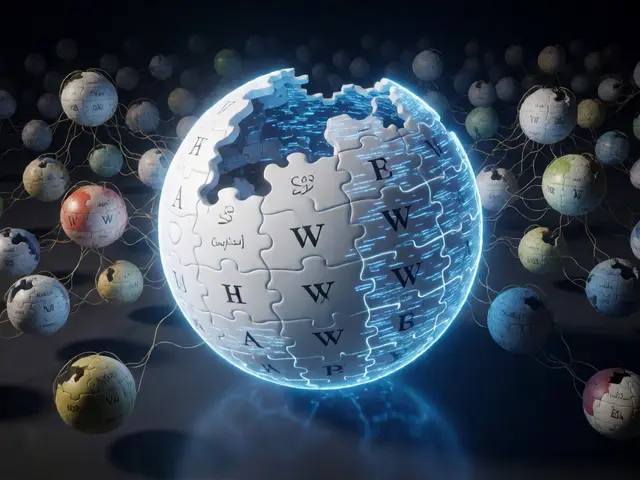
Language death is a real threat to human knowledge. When a language disappears, the unique way those people understood the world disappears with it. Wikipedia is now pushing beyond just translating English articles into other languages. The new initiative focuses on creating original content in indigenous tongues, such as Quechua or Yoruba, without requiring an English version to exist first. This is a huge shift in philosophy. For years, the default was to translate a "high-quality" English article into a smaller language. Now, the focus is on Indigenous Language Preservation. This means documenting local medicinal plants or traditional governance systems that were never recorded in English. It turns Wikipedia from a mirror of the English-speaking world into a true global mosaic.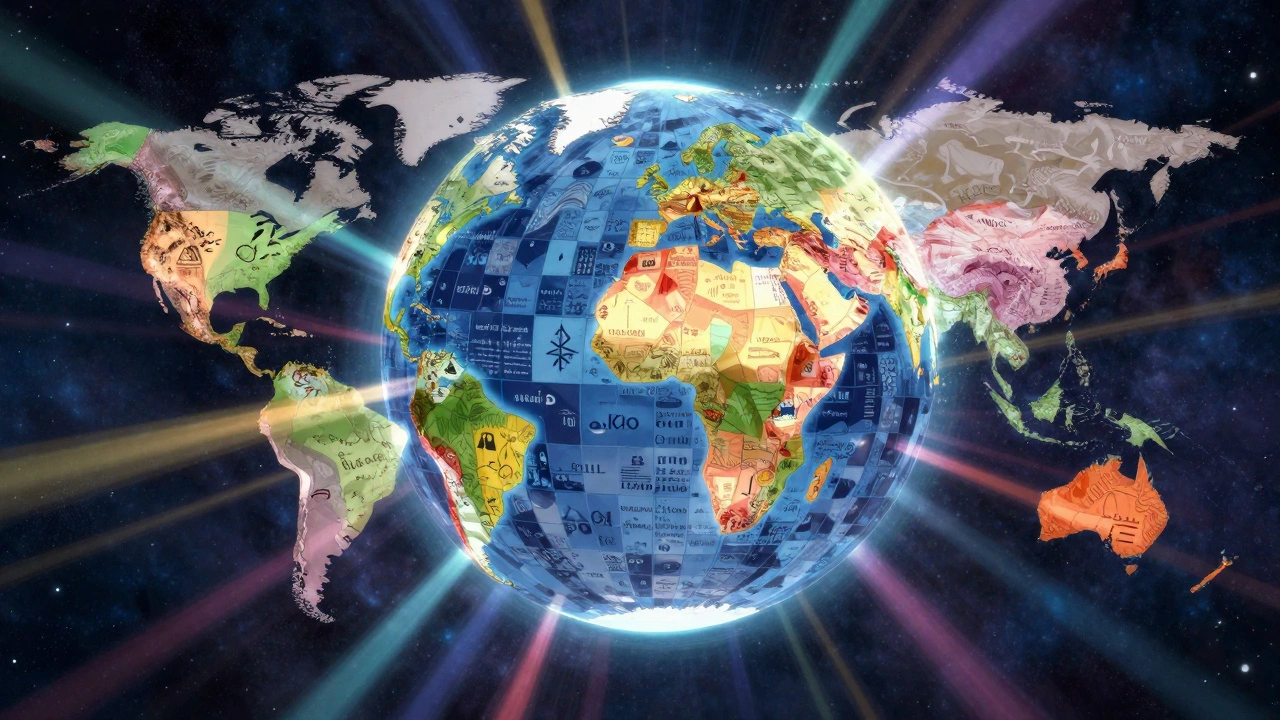
Technical Infrastructure and the Move to Open Source Editing
Behind the scenes, the MediaWiki software-the engine that powers Wikipedia-is getting an overhaul to support better collaborative editing. The new "Co-Edit' mode allows multiple users to work on a single section in real-time, similar to how Google Docs works. Previously, if two people edited the same paragraph, they'd hit an "edit conflict" and one person's work would be wiped out. Now, the community can collaborate on complex articles, like the history of a disputed territory, in a shared space before pushing the final version live. This reduces friction and prevents the "edit wars" that often plague controversial topics.What This Means for the Average Reader
You might be wondering why you should care about these back-end changes. The answer is simple: accuracy and variety. When you search for a topic in a few months, you'll find articles that are more deeply sourced, more diverse in perspective, and written by people who actually lived the history they are describing. We are moving toward a version of the internet where knowledge isn't just concentrated in a few Western hubs. By empowering the Global South and leveraging AI for verification, the community is making sure that "the sum of all knowledge" actually includes everyone. It's a long road, but these quarterly initiatives are the first real steps toward a truly democratic encyclopedia.Who can apply for the Global South grants?
The grants are primarily aimed at registered community groups, educational institutions, and independent editor collectives based in regions identified as having significant knowledge gaps, specifically across Africa, Asia, and Latin America.
Does the AI-sourcing tool replace human editors?
No, the AI doesn't decide what is true. It simply finds potential citations from academic databases that match the claim, which a human editor must then review and approve before the citation is added to the page.
How do I find a mentor through the Match program?
Users can sign up through the community portal by listing their areas of expertise and the topics they wish to improve. The system then suggests mentors based on shared interests and language capabilities.
Is the Co-Edit mode available for all articles?
It is currently in a beta phase and available for selected WikiProjects and high-traffic articles. It will be rolled out to the wider community over the next two quarters.
What is the goal of the indigenous language initiative?
The goal is to create original, non-translated content in indigenous languages to preserve cultural heritage and provide residents of those linguistic groups with access to information in their native tongue.