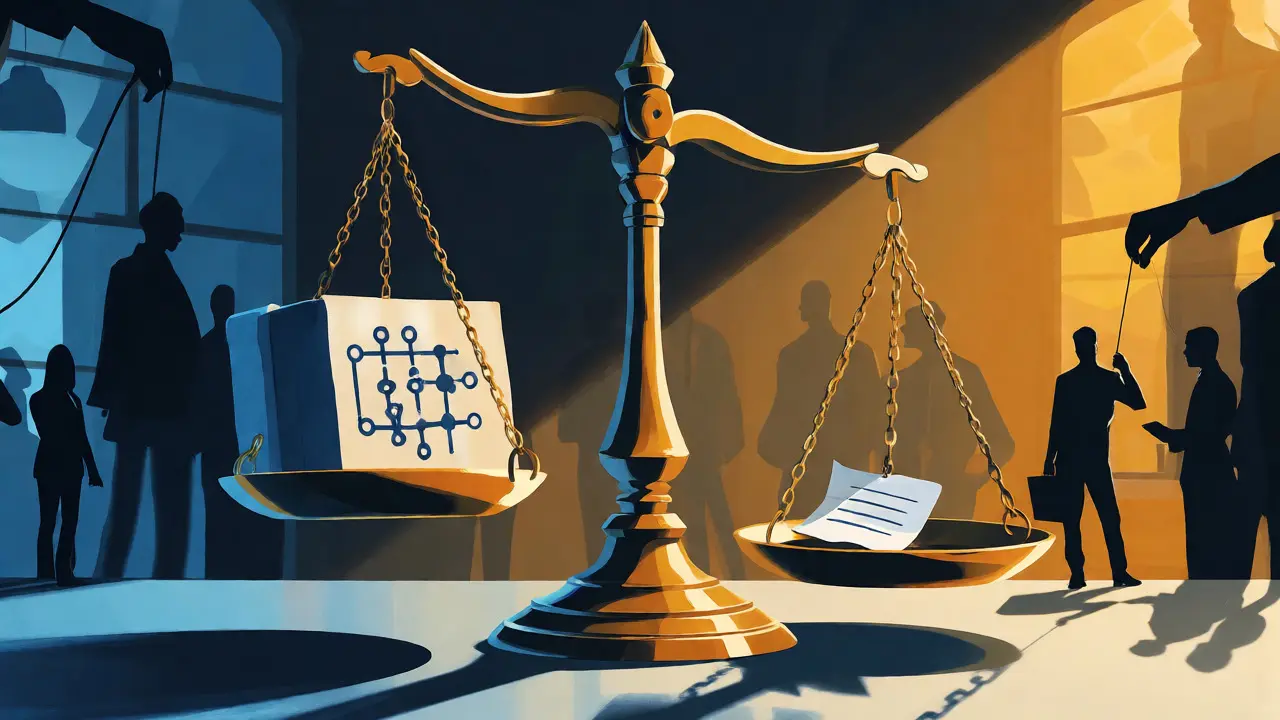
Think about the last time you looked up a controversial political figure or a niche scientific theory on Wikipedia. You probably assumed the article was neutral, comprehensive, and fact-checked. But what if I told you that the platform’s structure itself creates blind spots? It is not just about fake news; it is about who gets written into history and who gets left out. Investigative journalism applied to Wikipedia reveals that systemic issues-like gender gaps, corporate editing wars, and geographic biases-are baked into the encyclopedia’s code and community norms.
The Myth of Neutral Point of View
Neutral Point of View (NPOV) is the golden rule of Wikipedia. It dictates that articles should represent significant views fairly, proportionately, and without bias. In practice, this often leads to "false balance." If 95% of scientists agree on climate change but one contrarian blog exists, NPOV might force editors to give that minority view equal weight in certain sections. This isn't always malicious; it's a structural feature designed to avoid editorial overreach. However, when you apply investigative techniques, you see how this rule can be weaponized by well-funded groups to stall consensus or dilute established facts.
Consider the editing patterns around pharmaceutical companies. Researchers have found that edits from accounts linked to industry PR firms often appear within hours of negative press coverage. These aren't random typos fixes. They are strategic adjustments to soften language, remove critical citations, or add positive qualifiers. An investigative journalist would trace these edit histories, cross-reference IP addresses with corporate offices, and analyze the timing relative to stock market movements. The result? A clearer picture of how corporate influence shapes public knowledge.
Who Edits Wikipedia?
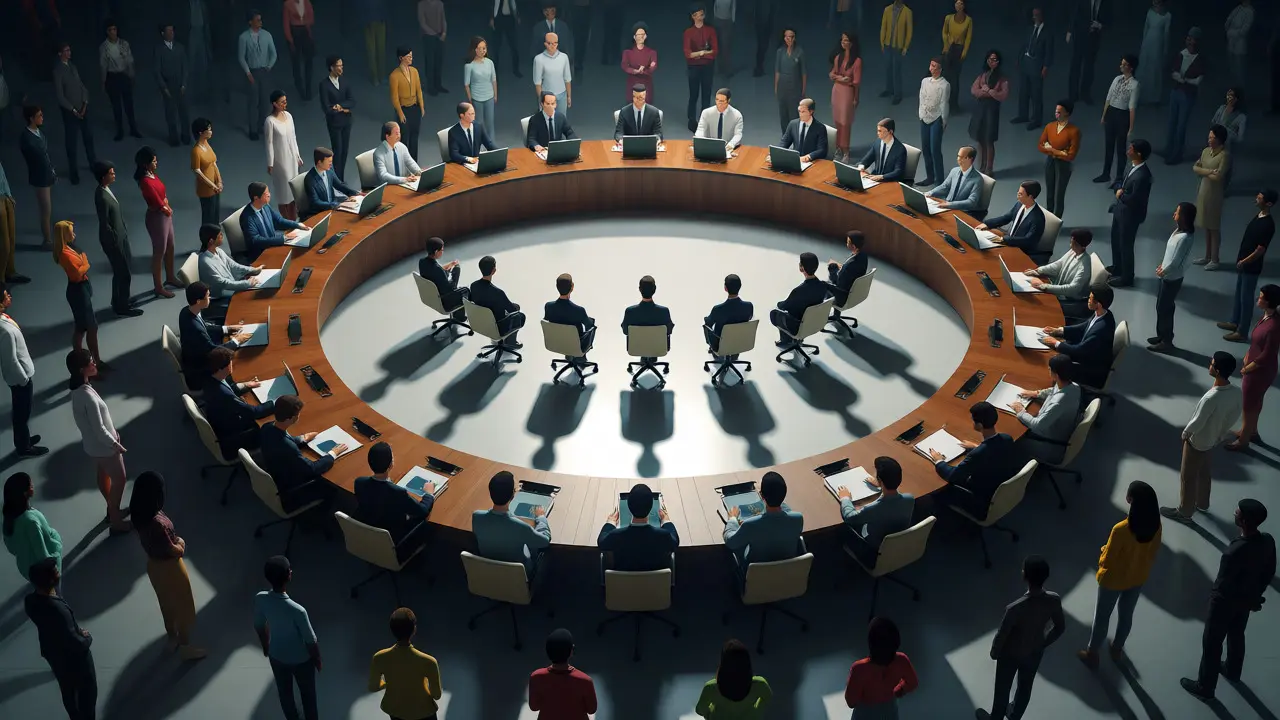
You might assume a global army of volunteers writes Wikipedia. While there are millions of registered users, active editors number in the tens of thousands. And here is the kicker: the demographic skew is massive. Studies consistently show that the majority of active contributors are male, Western-educated, and tech-savvy. This homogeneity creates a Systemic Bias where topics relevant to women, non-Western cultures, and marginalized communities are underrepresented or poorly sourced.
For example, biographies of women make up only about 18-20% of all biography articles. Why? Because reliable sources for women’s achievements are historically scarcer in traditional media. Wikipedia requires "notability" based on secondary sources. If major newspapers didn’t cover a female scientist’s breakthrough in the 1950s, she might not get an article today. This is a feedback loop: lack of historical coverage leads to lack of Wikipedia presence, which reinforces the perception of lesser importance.
| Attribute | Wikipedia Active Editors (Est.) | Global Population (Approx.) | Discrepancy |
|---|---|---|---|
| Gender (Male) | ~85% | ~49.5% | +35.5% |
| Region (North America/Europe) | ~70% | ~15% | +55% |
| Education (University Degree) | ~80% | ~15% | +65% |
Source Reliability and the Citation Crisis
Wikipedia doesn't publish original research. It summarizes existing published works. This sounds safe, but it creates a dependency on legacy media outlets. When those outlets fail, Wikipedia fails. Investigative reporting has uncovered numerous cases where Wikipedia cited predatory journals or dubious think tanks because they met the technical criteria for "published sources."
A prime example involves health misinformation. During the early pandemic years, Wikipedia articles on treatments were frequently edited back and forth as new studies emerged. Some edits relied on pre-print servers rather than peer-reviewed journals. While pre-prints are valuable, treating them with the same authority as finalized research can mislead readers. An investigative approach requires auditing the chain of custody for each citation. Who funded the study? Was it retracted? Is the journal indexed in reputable databases like PubMed or Scopus? Most casual readers never check this. They trust the blue link.
Geographic and Cultural Blind Spots
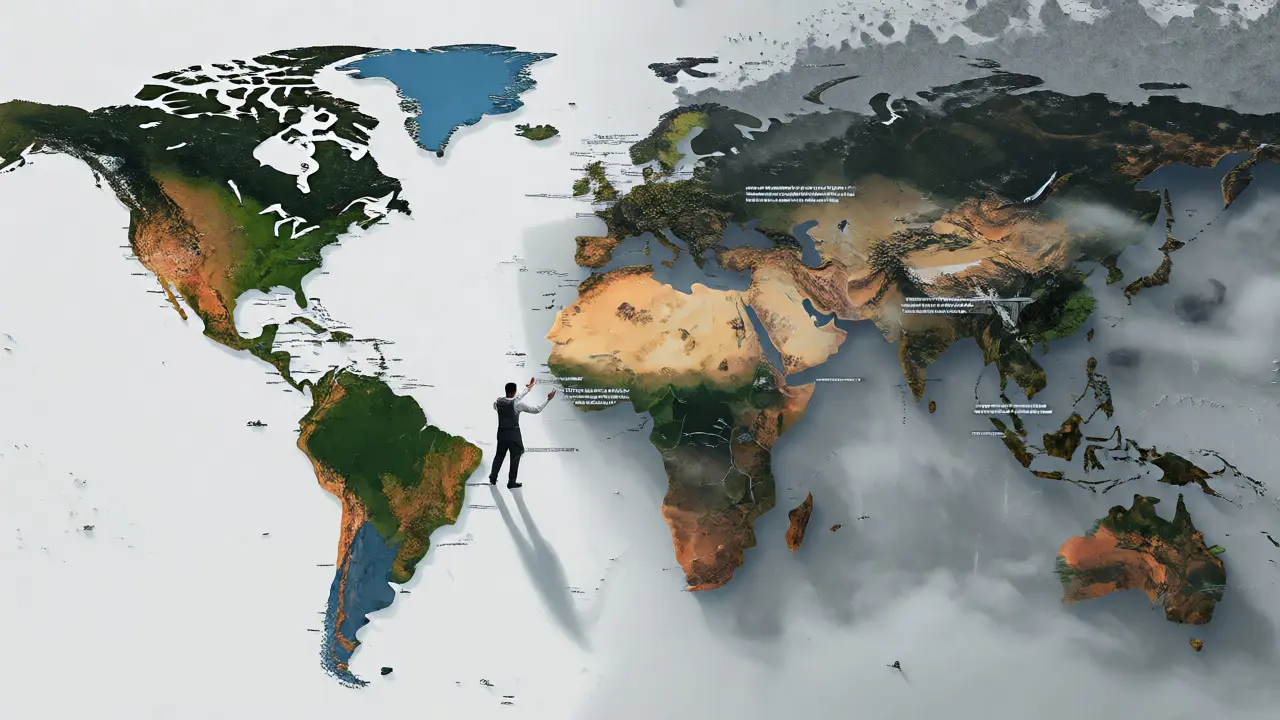
If you search for a small town in Ohio, you’ll likely find a detailed article with population stats, local landmarks, and notable residents. Now try searching for a similarly sized town in rural Nigeria or Indonesia. You might find nothing at all. This is Geographic Bias, a direct result of the editor demographic mentioned earlier. English-language Wikipedia reflects an Anglo-centric worldview.
This isn't just about missing towns. It affects international relations, cultural understanding, and historical narratives. Events in the Global South are often framed through the lens of Western intervention or aid. Local perspectives are missing because local sources aren't digitized or translated into English. Wikipedia relies on English-language sources for its primary edition. If a significant event happens in Vietnam but is only covered in Vietnamese newspapers, it may remain obscure on English Wikipedia until a translator steps in. That gap matters for students, journalists, and policymakers who use Wikipedia as a starting point.
The Role of Automated Bots and Human Oversight
Not all edits come from humans. Bots perform millions of automated tasks, such as fixing broken links, categorizing pages, and reverting obvious vandalism. They are efficient, but they lack nuance. A bot might revert a valid edit because it looks like spam due to formatting errors. Conversely, sophisticated human vandals can mimic bot behavior to slip past filters.
Investigative scrutiny reveals that bots can sometimes amplify errors. If a bot is programmed to update population figures based on a specific census data set, and that dataset contains errors, the error propagates across thousands of articles instantly. Human oversight is meant to catch this, but the volume of changes is overwhelming. Recent analyses suggest that while bots handle maintenance well, complex semantic errors require human intelligence that is increasingly stretched thin.
How to Spot Systemic Issues Yourself
You don't need a PhD in data science to investigate Wikipedia. Here are three practical checks you can run right now:
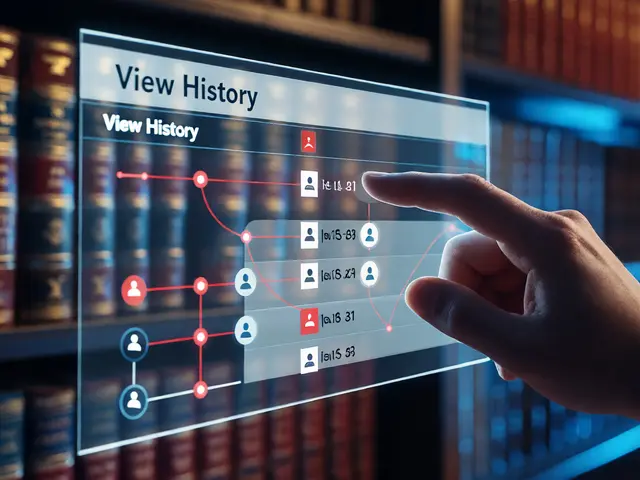
- Check the Edit History: Click the "View History" tab. Look for clusters of edits from the same user or IP range. Are they removing critical information? Are they adding promotional language? Sudden spikes in activity often signal coordinated campaigns.
- Analyze the References: Scroll to the bottom. Are the sources diverse? Do they come from multiple countries and perspectives? Or are they all from one newspaper or one type of institution? A narrow source base suggests a narrow viewpoint.
- Compare Language Editions: Switch to another language version of the article (e.g., German, French, Spanish). Does the narrative change? Often, different language editions emphasize different aspects of the same story, revealing cultural biases.
Why This Matters for the Future of Knowledge
Wikipedia is no longer just a reference tool. It is the first stop for AI training models, school assignments, and quick fact-checking during debates. When systemic issues go unaddressed, they scale. An error in Wikipedia can propagate into chatbots, smart assistants, and educational materials. We are building our collective digital memory on a foundation that has known cracks. Recognizing these cracks is the first step toward reinforcing them.
The solution isn't to abandon Wikipedia. It's to engage with it critically. Support initiatives that diversify editorship, advocate for better sourcing standards, and teach digital literacy skills that include investigating the investigator. The encyclopedia is open, but the work of keeping it honest is ongoing.
Is Wikipedia biased against certain political views?
Studies suggest a slight left-leaning bias in English Wikipedia, particularly in US politics, compared to other encyclopedias. However, this varies by topic. On social issues, the bias may lean progressive; on economic topics, it might reflect mainstream academic consensus which can vary. The key issue is often not explicit bias but structural exclusion of viewpoints that lack strong institutional backing.
Can anyone edit Wikipedia?
Yes, almost anyone can edit most articles. However, some high-profile or controversial pages are "semi-protected," meaning only autoconfirmed users (those with a certain number of edits and account age) can edit them. Fully protected pages can only be edited by administrators. This protects against vandalism but can also slow down legitimate updates.
What is the "notability" guideline?
Notability determines whether a topic deserves its own article. For people, it usually requires significant coverage in independent, reliable secondary sources. This guideline prevents trivial entries but can exclude important figures from regions or fields with less media coverage, contributing to systemic gaps.
How do paid editors affect Wikipedia?
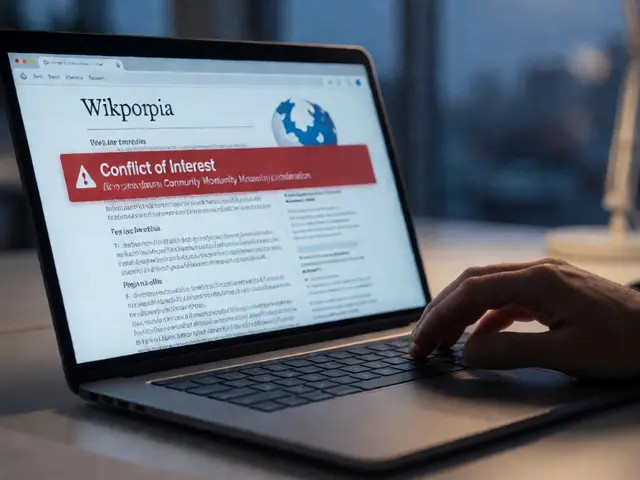
Paid editors, often working for corporations or PR agencies, must disclose their conflict of interest. Despite rules, undisclosed paid editing occurs. It can lead to promotional tone, removal of negative info, and addition of positive fluff. Investigations often track these via IP blocks and edit pattern analysis.
Does Wikipedia correct its own errors?
Yes, generally quickly. Vandalism is often reverted within minutes. Factual errors may take longer, depending on visibility and community attention. Popular articles are monitored closely; obscure ones may contain errors for months or years. Readers should treat Wikipedia as a starting point, not a final authority.