Quick Takeaways
- IP masking hides the IP addresses of unregistered users from the public.
- The Wikimedia Foundation implements this to comply with global privacy laws like GDPR.
- Global administrators can still see the real IPs to prevent abuse.
- Many automated tools and bots had to be rewritten to handle masked data.
- This change prioritizes user safety over absolute transparency in edit histories.
Why the Sudden Shift to Privacy?
For a long time, the trade-off for editing Wikipedia without an account was that your IP address became part of the permanent public record. If you fixed a typo in a paragraph about quantum physics, your home or office IP was stamped right there for anyone to see. While that served as a deterrent for trolls, it created a massive privacy hole for regular people.
The push for GDPR (General Data Protection Regulation) in Europe changed the game. Under these rules, an IP address is often considered personal data. If a website publishes that data without a very good reason, they risk massive fines. The Wikimedia Foundation, the non-profit that runs Wikipedia, realized that leaving IPs exposed was a legal liability and a safety risk. Doxing-where someone finds your physical location via your IP-became too real a threat to ignore.
By implementing masking, the site essentially puts a veil over the identity of anonymous editors. You can still see that someone edited the page, but you can't tell if they're in Tokyo, London, or a small town in Ohio. It's a move toward "privacy by design," ensuring that a quick contribution doesn't lead to a lifelong digital footprint.
How IP Masking Actually Works
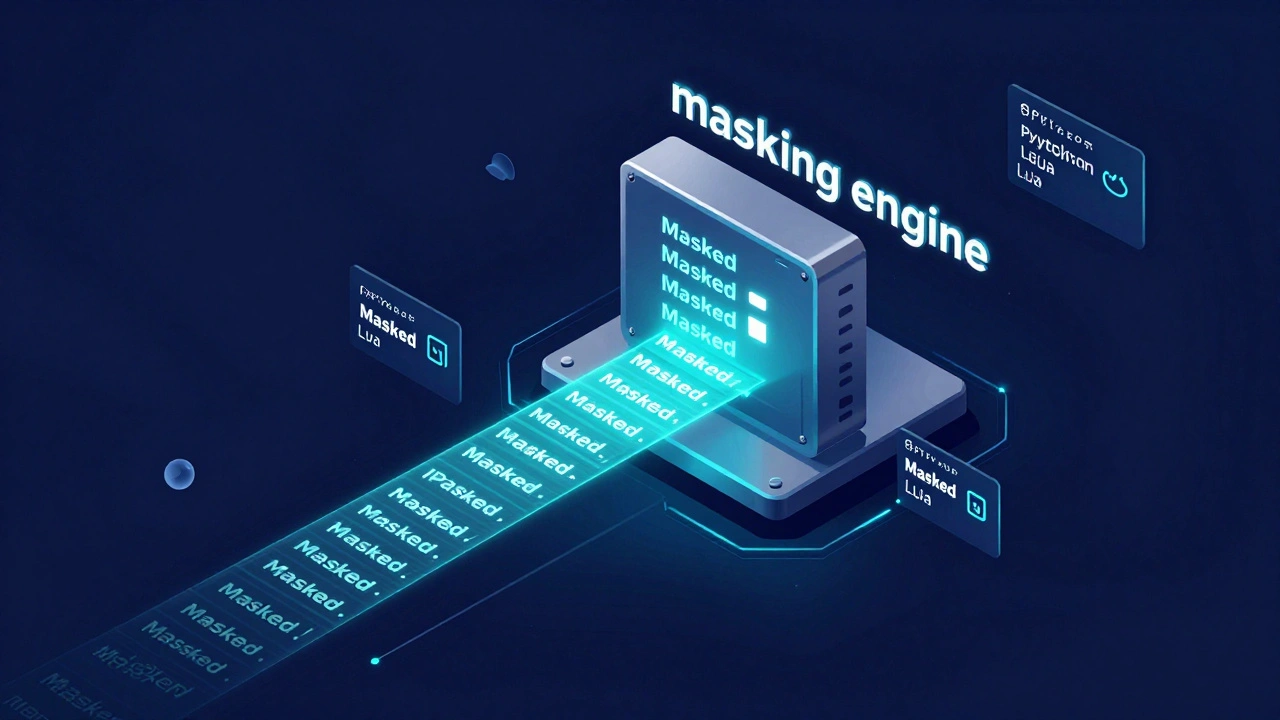
It is a common misconception that the IPs are deleted entirely. They aren't. If they were, the site would be overrun by bots and bad actors within hours. Instead, the system uses a tiered visibility approach. For the average reader or a regular editor, the IP is masked-usually appearing as something like "Masked IP" or a redacted string.
However, there is a group of trusted users with a special flag: CheckUser. These are a handful of highly vetted volunteers who can request to see the actual IP address if there is a strong suspicion of account spoofing or serious abuse. This ensures that while the general public is kept in the dark, the community still has a "break glass in case of emergency" tool to maintain site integrity.
The technical side involves the MediaWiki software, which powers the site. The software now intercepts the request for the user's identity and checks the permissions of the person viewing the page. If the viewer isn't an authorized admin, the software swaps the real IP for a masked version before the page even loads in the browser.
The Ripple Effect on Tooling and Bots
This is where things get messy. Wikipedia isn't just a website; it's an ecosystem of thousands of third-party scripts, bots, and analysis tools. Many of these tools relied on the IP address as a unique identifier. For example, a bot designed to detect "vandalism patterns" might look for ten different IP addresses from the same subnet attacking a page. When those IPs became masked, the bots suddenly saw ten identical "Masked IP" entries and broke.
Developers had to move away from using IPs as primary keys. They started relying more on Revision IDs and internal database hashes. Instead of saying "IP 1.2.3.4 did this," the tool now says "Revision #123456 was made by a masked user." It's a subtle shift, but it required rewriting thousands of lines of code in Python and Lua.
| Feature | Before Masking | After Masking | Impact Level |
|---|---|---|---|
| Public Edit History | Full IP visible | IP is hidden/masked | High |
| Vandalism Control | Block by IP range | Block via internal IDs/Admin tools | Medium |
| Third-party Bots | Tracked by IP | Tracked by Revision/Hash | High |
| User Privacy | Low (Exposed) | High (Protected) | Extreme |
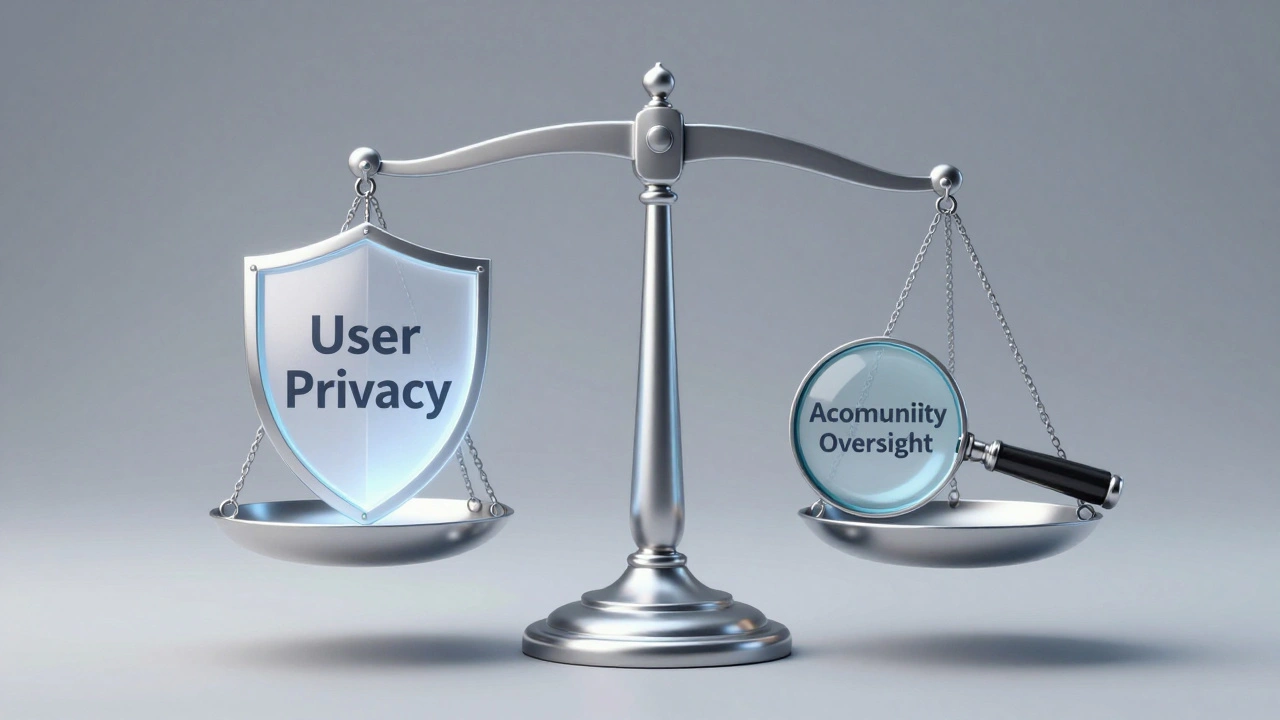
The Battle Between Privacy and Accountability
Not everyone is happy about these changes. Some long-term editors argue that masking provides a shield for "bad faith" actors. In the past, if a user was causing trouble, the community could see if multiple accounts were being operated by the same person by comparing their IPs. Now, that process is much slower because it requires a formal request to a CheckUser.
Does this mean the site is more vulnerable? Not necessarily. Most bad actors don't use a single home IP anyway; they use VPNs or proxy servers. Masking mostly protects the honest person who just wants to fix a typo without having their home address essentially listed on the internet. The cost of a slightly slower response to some types of vandalism is a price the foundation is willing to pay for the safety of millions of users.
Moreover, the move encourages people to create accounts. If you want your identity to be consistent and your contributions to be tracked properly, the best move is to register. This shifts the community from a collection of transient, anonymous IPs to a more stable base of registered users, which is better for long-term project health.
What This Means for Future Contributors
If you're new to editing, you might wonder if you should still use a VPN. While VPNs add another layer of privacy, they often trigger "spam filters" because many bots use the same VPN exit nodes. With IP masking in place, the incentive to hide your IP using external tools is lower, as the site does the heavy lifting for you.
The real takeaway is that the internet is moving toward a "privacy-first" architecture. Wikipedia was a late adopter, but its transition shows that even the most transparent platforms have to evolve. The days of treating the public web as a place where everything is open by default are ending. We're entering an era where identity is managed, and exposure is minimized.
Common Pitfalls and Pro Tips
If you are developing a tool for Wikimedia, avoid hard-coding any logic that expects a standard IPv4 or IPv6 format in the user field. Your code will crash the moment it hits a masked string. Instead, use the API's specific flags to request data and always build in a fallback for "unknown" or "masked" identities.
For regular users, don't assume that masking is a perfect shield. While the public can't see your IP, the servers still log it. If you are in a high-risk situation-such as living under a restrictive regime where editing certain pages could be dangerous-masking is a great help, but using a trusted VPN or the Tor Browser remains the gold standard for true anonymity.
Can I still see my own IP address in the history?
Generally, no. Once an IP is masked by the system, it is hidden from the general public, including the person who made the edit, unless they are logged into an account with specific administrative privileges.
Does this stop Wikipedia from blocking trolls?
No. Administrators can still perform blocks. The masking only affects what is visible to the public on the page history. The internal systems still know which IP is being blocked to prevent them from continuing their disruption.
Why is some of the old history still visible?
Masking is often rolled out in phases or applied to new edits first. Some very old revisions might still show IPs if the masking script hasn't processed those specific database entries yet, though the goal is total coverage.
Is this the same as being "anonymous"?
Not exactly. You are still an anonymous editor, but your identifier (the IP) is now hidden. You're still performing actions on the site; the world just can't see the digital address you're sending them from.
How does this affect the "Talk" pages?
Talk pages often use the IP address as the page title for anonymous users. With masking, these titles are updated to reflect the masked status, ensuring that the conversation can continue without exposing the user's location.
Next Steps and Troubleshooting
If you're a developer finding that your scripts are failing after the IP masking update, your first step should be to check the MediaWiki API documentation. Look for changes in the user and ip fields of the revision output. You'll likely need to implement a conditional check: if the user string contains "mask," shift your logic to track the rev_id instead.
For community members concerned about a sudden spike in vandalism, the best path is to engage with the local admin team. They have the tools to see through the masks and can apply range blocks to the offending networks without needing to expose those IPs to the rest of the community.