When the credits roll on a massive show, the internet doesn’t just celebrate; it explodes. Think about the night Game of Thrones aired its last episode back in 2019. Within minutes, servers struggled to keep up. But beyond the view count, something quieter was happening in the background. Thousands of users were opening their browsers, not just to watch, but to edit.
This phenomenon isn’t random noise. It is a specific behavior pattern tied directly to cultural moments. When we look at TV Series Finales, we see a unique intersection of entertainment, fandom, and collaborative documentation. Understanding these dynamics gives us insight into how digital information behaves under pressure.
The Physics of the Traffic Spike
You might expect a bump in views, but the scale is often misunderstood. Consider the entity of Wikipedia is a free online encyclopedia written collaboratively by volunteers worldwide. The Wikimedia Project serves billions of monthly visits across its properties. During a finale event, the demand for immediate verification skyrockets.
Why does this happen? Viewers want proof. They want to read the summary before they finish watching. This creates a real-time lag where the article updates faster than the script finishes. Data from similar large-scale events suggests traffic can increase by hundreds of percent in a thirty-minute window. For the administrators managing the servers, this looks like a DDoS attack, except the traffic is legitimate and eager.
How Editors Respond to the Rush
It isn’t just bots creating pages. Real people are logging in. There is a dedicated group known as the WikiProject Television is a coordination effort on Wikipedia focused on improving television-related content. Editors monitor shows regularly. They anticipate the surge. Before the finale airs, a "preparation" phase begins.
Experienced editors draft neutral templates. They prepare sections for plot, reactions, and legacy. When the finale hits, these templates act as shock absorbers. Without them, the page becomes chaotic immediately. Unregistered users tend to write in emotional language during this spike. Words like “disaster,” “bad,” or “shocking” flood the edit box. Veteran editors work quickly to sanitize the prose, removing bias to maintain the encyclopedia’s tone.
The Risk of Spoilers and Vandalism
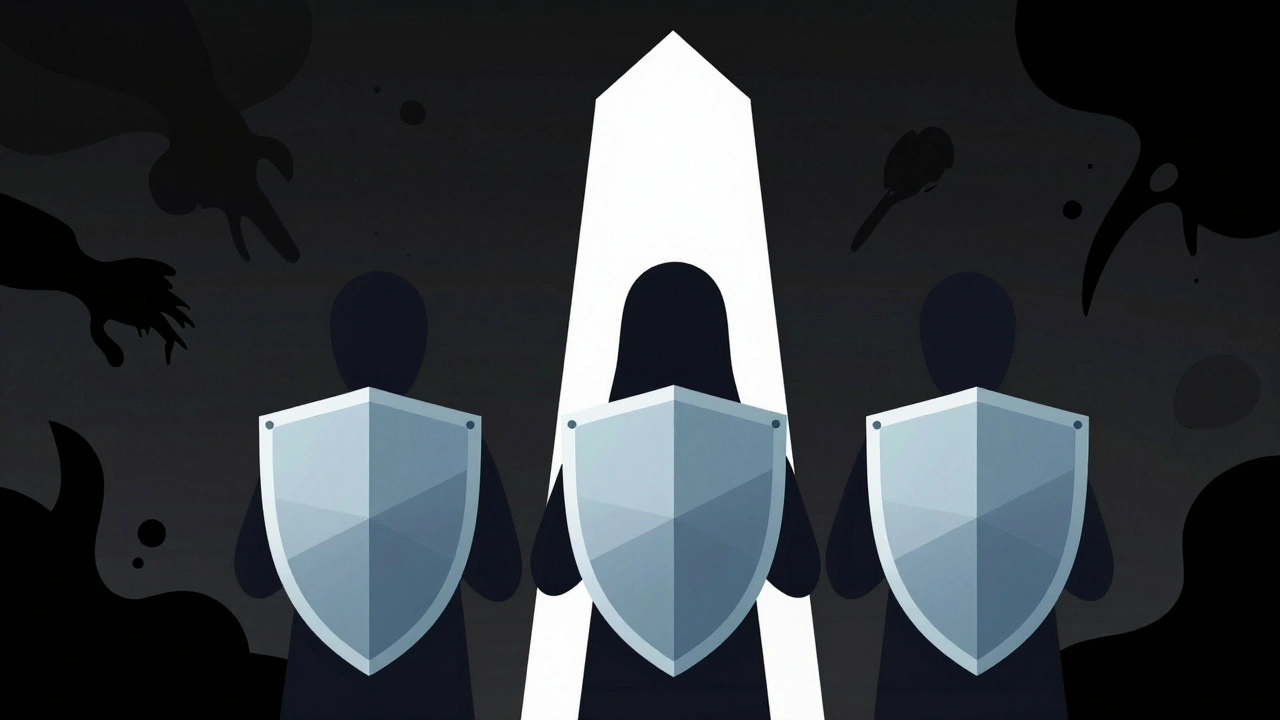
A major risk during these hours is misinformation. Because the audience wants answers instantly, bad actors may insert fake plot points. This falls under the category of Vandalism is malicious editing behavior that disrupts content accuracy on collaborative platforms. In the case of finales, this often takes the form of premature character deaths or incorrect casting announcements.
Wikipedia has safeguards in place. One primary tool is the protection mechanism. High-profile articles can be semi-protected, meaning only established accounts can make changes. This prevents rapid-fire sabotage. Additionally, the community watches the edit history closely. If someone writes that a main character died, five other users usually revert it within minutes.
| Factor | Normal Day Activity | Finale Event Activity |
|---|---|---|
| Traffic Volume | Steady baseline | Spike of 300%+ |
| Registered Edits | Regular maintenance | Rush for accuracy |
| Unregistered Edits | Few typos fixed | High vandalism rate |
| Reversion Time | Hours or days | Minutes or seconds |
Managing the Narrative After the Credits Roll
Once the applause ends, the work shifts. The article must move from covering the immediate event to documenting its legacy. This transition often triggers a different kind of conflict. Fans who loved the ending argue with fans who hated it. The “Reception” section becomes a battleground for consensus.
Editors rely on citations here. They cannot rely on personal opinion. They need verified reviews from established critics. This slows down the process. While the plot summary is updated instantly, the analysis of the show’s impact takes weeks. Some articles remain controversial for months after the air date because reliable sources haven’t published their retrospective coverage yet.
The Role of Live Broadcasts and Social Media
We are living in 2026 now, and the ecosystem has changed. Platforms like X or TikTok feed directly into Wikipedia edits. Sometimes a rumor starts on social media and gets copied into the encyclopedia before anyone checks the facts. This cross-platform contamination is harder to police than simple typos.
The Internet Traffic is the volume of data sent and received over networks. flows in both directions. A trending hashtag might trigger a search spike. This forces the platform to adapt. Bots now scan social feeds to flag potential inaccuracies before humans even open the editor tab. Automation helps, but it cannot replace the nuanced judgment required to judge what constitutes reliable information.
Historical Patterns and Future Trends
Looking back at finales from the early 2000s, such as Friends or Buffy the Vampire Slayer, the patterns were slower. Back then, viewers relied on forums and blogs. Now, the expectation is instant gratification. As we look toward 2026 and beyond, the expectation for real-time neutrality increases. Audiences hold the platform accountable.
Future strategies will likely involve stricter pre-finales protocols. We might see more “sandboxes” created for upcoming episodes, allowing editors to prep without clogging the main page. The core challenge remains the same: balancing speed with accuracy. In an age of deepfakes and AI-generated news, the human element of verifying truth becomes even more vital.
Conclusion on Digital Documentation
These events serve as stress tests for the collaborative model. They reveal the strength of the community. When a crisis hits, thousands step in to fix errors. It is a massive display of volunteer power. The next time you see a favorite show end, remember that someone is likely typing furiously in the edit box right alongside you.
Frequently Asked Questions
How much does traffic increase during a TV finale?
Traffic often sees a spike of 300% to 500% compared to average daily usage. Major franchises like Star Wars or Marvel adaptations can see global spikes simultaneously.
Can I edit the article while the show is airing?
Yes, but you must adhere to strict spoiler policies. Updates should describe confirmed events rather than speculate on future plot points.
What happens if someone adds false plot details?
Active monitoring tools detect rapid changes. Other users will revert the edit within minutes. Persistent vandals face bans.
Who manages the quality of the article?
WikiProject Television members lead the effort, coordinating with general administrators to protect high-risk pages during peak times.
Are spoilers allowed immediately after the episode?
Spoilers regarding the specific episode are allowed, as the article assumes the reader wants the full story. However, unverified theories remain prohibited.