Imagine you wake up in 2026 to find a massive earthquake shook your city. Within minutes, information floods social media platforms. Minutes later, you check the trusted source everyone talks about. For two decades, that destination has been Wikipedia, a free online encyclopedia collaboratively edited by volunteers worldwide. You expect accuracy, stability, and facts. But when events happen fast, does Wikipedia keep pace? History shows us that the answer isn't simple. It involves trade-offs between speed and truth.
When disasters strike or political upheavals begin, Breaking News becomes the first report of a developing story. Traditional newsrooms operate on hours-long cycles. Journalists verify sources, draft copy, and wait for editors. Wikipedia operates on seconds. Volunteers update pages the moment they hear something. This creates a unique ecosystem where information flows faster than any paid newsroom can manage.
The Rush to Be First
The primary advantage of the platform is raw speed. When a celebrity dies or a government falls, the article appears almost instantly. This happens because the barrier to entry is zero. You don't need a press pass; you need an internet connection. In the early 2010s, during the Arab Spring, this feature proved revolutionary. Protesters used the site to document protests as police cut off TV signals.
However, being first often comes at a cost. Accuracy takes a backseat during the initial chaos. In the immediate aftermath of an event, rumors fly. Crowdsourcing, the practice of obtaining services or content from a large group of people rather than employees, works wonders for long-term projects but struggles in crisis. A bot might delete unconfirmed info quickly, but human vandalism thrives when emotions run high.
We see this pattern repeatedly. Early edits might claim a casualty figure that is completely wrong. Sometimes, malicious actors inject false data to spread disinformation. Over time, these errors get corrected, but the damage spreads before the correction lands. This teaches us that real-time knowledge requires constant vigilance.
Policies That Protect Truth
To handle this volatility, the organization relies on strict guidelines. One core rule is the Neutral Point of View. This principle states that articles should present significant views fairly and proportionally. During breaking news, this prevents users from turning articles into campaign manifestos. Instead of saying "X did Y good," the text says "Sources report X did Y." This structure reduces bias but demands high-quality sourcing.
Another critical safeguard is the Verifiability Policy, which requires all statements to be supported by reliable published sources. Unverified claims belong in the discussion page, not the main article. Yet, during fast-moving events, sources are scarce. Who writes first reports? Often, Twitter feeds or local blog posts dominate. These are notoriously unreliable compared to official statements.
Wikimedia Foundation manages the non-profit organization behind Wikipedia. They have developed tools to flag unstable articles. If a page changes too rapidly, they lock editing privileges temporarily. This stops chaos but delays truth. It forces a pause. Readers must know that a locked page reflects stability, not necessarily absolute truth.
| Source Type | Typical Update Speed | Accuracy Risk |
|---|---|---|
| Social Media | Seconds | Very High |
| News Outlets | Minutes to Hours | Low to Medium |
| Wikipedia | Seconds to Minutes | Variable (High initially) |
This comparison highlights the delicate balance. Wikipedia moves as fast as social media but aims for the standard of professional news. The variable risk is the key takeaway. You cannot trust the live state of a wiki page during a riot. You wait for stabilization. The lesson for readers is patience. For editors, it is caution.
Bots and Automated Defense
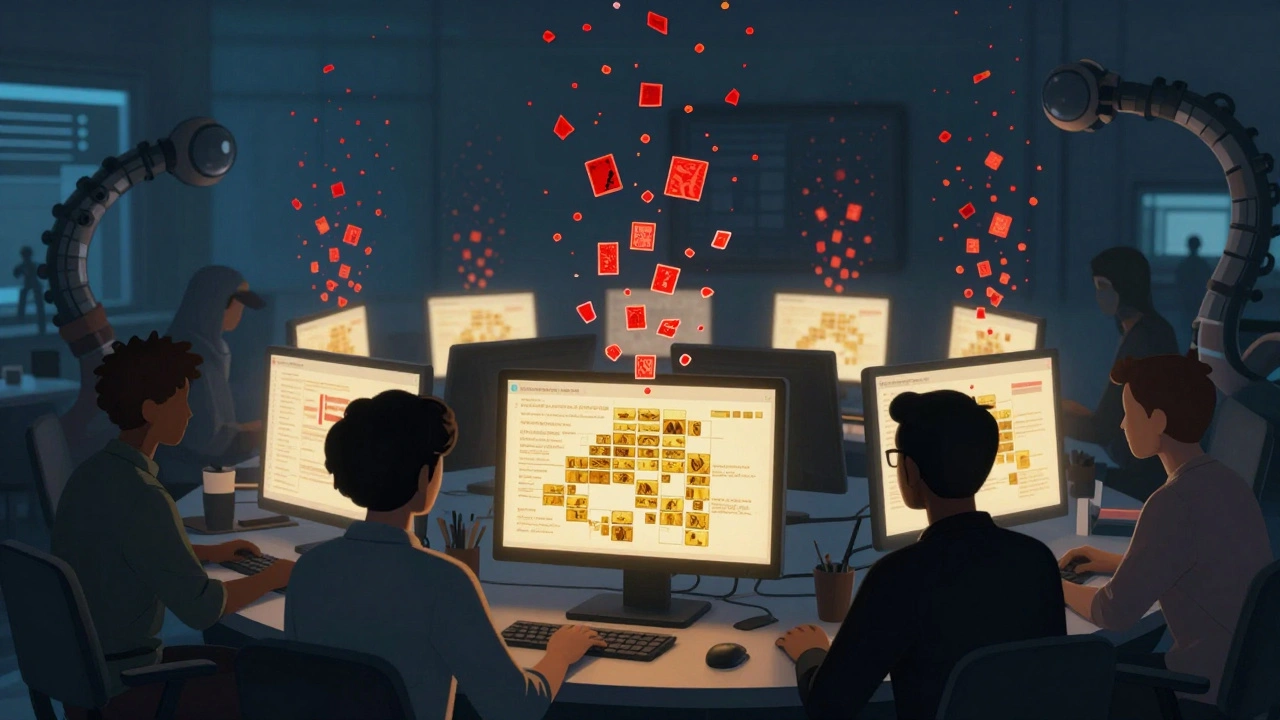
Tech plays a massive role in keeping the lights on. Bots are automated scripts that patrol edits. Fact-Checking becomes the process of verifying the accuracy of information with the help of software. Tools like ClueBot NG automatically revert vandalism. If someone adds fake news about a president, a bot removes it within seconds.
Despite automation, nuance remains hard to capture. Algorithms struggle with context. If a protest turns violent, the definition of "violence" changes. Editors argue over semantics while bots just look for keywords. Humans must step in. Volunteer communities monitor "Recent Changes" dashboards. They act as filters. Without them, the system collapses under the noise of unverified rumors.
In 2023, during a global health emergency, we saw coordinated attacks on pandemic data. Some groups tried to push conspiracy theories onto disease pages. The volunteer response was swift, demonstrating how community defense works. Yet, it required thousands of eyeballs. We rely on a distributed workforce of unpaid experts to hold the line against falsehoods. This model scales poorly if the attack becomes too large.
What Comes Next?
Looking toward 2026 and beyond, the landscape shifts. AI tools now assist writers. Generative models draft summaries of recent events. This increases efficiency but introduces hallucination risks. If an AI drafts a summary based on bad data, the error propagates faster than a human could catch it. Trust must evolve alongside technology.
Social Media influences digital platforms allowing users to create and share content. Integration gets trickier. Should a platform pull tweets directly into articles? Probably not. Tweets lack context. Direct embedding creates liability. The wiser approach remains linking out, letting the public domain speak for itself while keeping the internal text clean.
We are learning that crowd wisdom fails when emotion overrides evidence. The lessons from the last decade show us that transparency wins. Show the work. Link the sources. Allow debate in the history log. This builds resilience. Even when mistakes happen, the paper trail proves who said what and why. It keeps accountability intact.
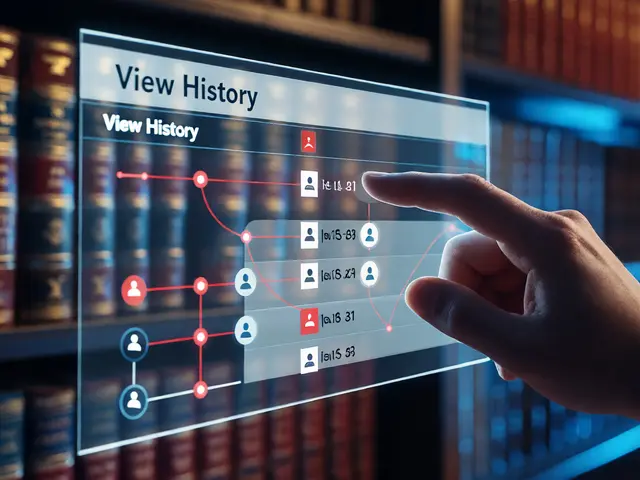
For anyone relying on these platforms today, the rule is simple: Check the version history. Don't trust the snapshot in front of you during a crisis. Look at how the article changed over five minutes. That reveals more truth than the current text alone. Understanding this dynamic transforms you from a passive reader into an active investigator.
Frequently Asked Questions
Is Wikipedia reliable for breaking news stories?
During the initial moments of an event, reliability varies significantly. While updates happen faster than traditional media, inaccuracies are common until sources stabilize. Wait for citations to accumulate before trusting details.
How does the community prevent vandalism during crises?
Automated bots remove obvious vandalism immediately. Human volunteers monitor recent changes closely. Pages may also be locked or semi-protected to prevent anonymous editing during high-tension periods.
Can I contribute my own photos or updates during emergencies?
Yes, but verification is crucial. Do not upload images unless you took them yourself or they come from open licenses. For text updates, use only established reliable news sources to avoid policy violations.
Why do some news articles get deleted quickly?
Articles lacking significant coverage or verifiable sources get removed under recent events deletion policies. The goal is to prevent clutter from trivial or unprovable topics that disappear quickly after the news cycle passes.
How has Wikipedia changed since the 2010s?
Improved protection systems and bot capabilities have reduced spam significantly. Community standards regarding neutrality have become stricter. Editorial processes now integrate better with mobile access for rapid updates on the go.
Navigating this digital landscape requires a critical eye. As we move forward, the distinction between encyclopedia and newspaper blurs. Recognizing the lessons from the past helps us interpret the stream of the future wisely.