Wikipedia runs on the backs of volunteers. Millions of people edit articles every day, fixing typos, adding sources, updating facts. But here’s the quiet truth: most of them quit. Not because they’re angry, or banned, or tired. They just stop showing up. And nobody really knows why-at least not until longitudinal studies started tracking them.
What Longitudinal Studies Reveal About Wikipedia Editors
Longitudinal studies follow the same people over time. In Wikipedia’s case, that means tracking individual editors for months or years. These aren’t snapshots. They’re movies. And what they show is startling.A 2023 analysis of over 500,000 active editors between 2007 and 2022 found that 74% of new editors made fewer than five edits and disappeared within their first month. That’s churn. High churn. But the real story isn’t the drop-off-it’s who stays.
Editors who stick around past six months tend to share three traits: they edit in small, consistent bursts; they receive positive feedback from others; and they feel like their work matters. Not because they’re famous. Not because they get paid. But because someone else noticed their edit and said thank you.
Why Do Editors Leave?
It’s not one thing. It’s a pile of small frustrations.First, the tone. New editors often get corrected harshly. A single edit-say, adding a date to a biography-might trigger a string of automated warnings, revert notices, and comments like “Please read the guidelines.” No one says hello. No one explains. Just a wall of rules.
Second, the complexity. Wikipedia’s policies aren’t simple. There are over 1,000 guidelines. Even experienced editors get confused. New ones? They’re drowning. A 2021 study showed that editors who encountered more than three policy-related warnings in their first ten edits were 80% more likely to quit within 30 days.
Third, the invisibility. Most edits never get noticed. You fix a broken link in an article about a 19th-century poet. No one thanks you. No one even sees it. Over time, that feels pointless. Humans need to feel seen. Wikipedia doesn’t always give that.
Who Stays? The Patterns of Long-Term Editors
The editors who stick around aren’t superhumans. They’re regular people who found a way to belong.They often start by editing topics they care about: their hometown, their hobby, their profession. A teacher edits school-related articles. A gardener fixes plant taxonomy. That personal connection keeps them coming back.
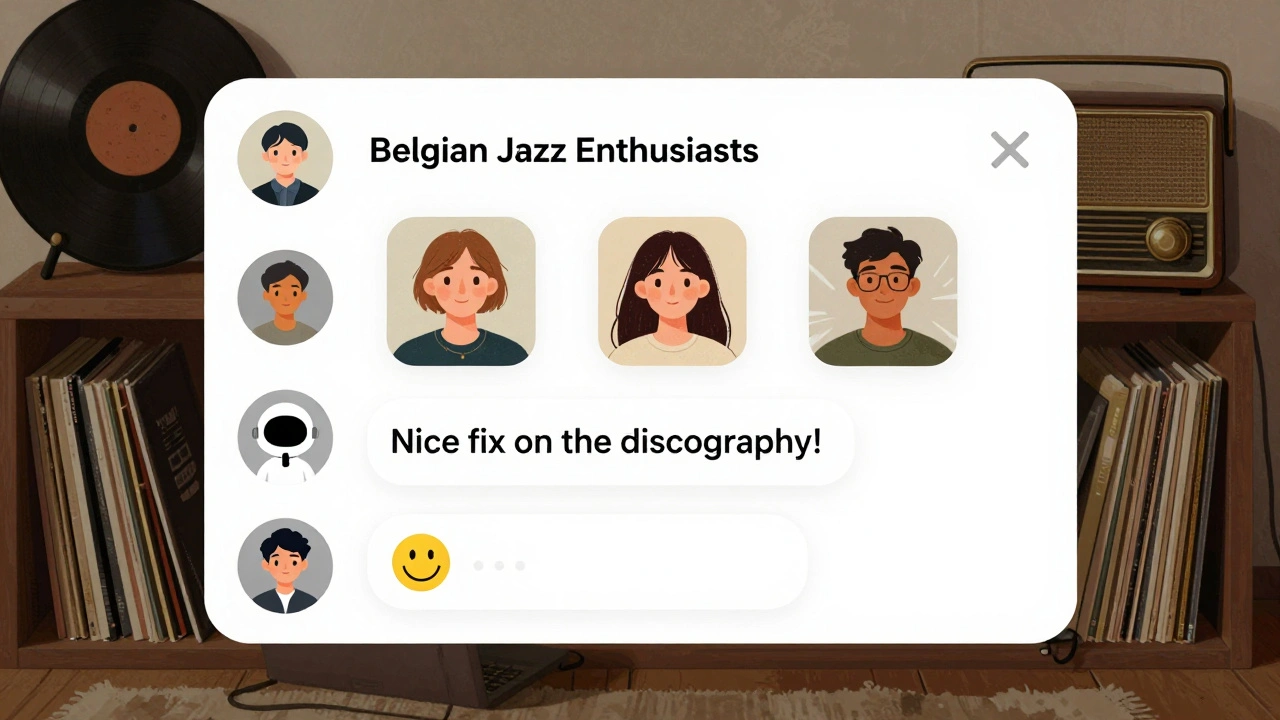
They also tend to join small communities. Not the big, noisy talk pages. The quiet ones. A group of five people who regularly edit articles on Belgian jazz. They check each other’s work. They leave notes. “Nice addition.” “Fixed that citation for you.” That’s the glue.
And they’re not trying to be heroes. They don’t aim to write the perfect article. They just want to make one small thing better. That’s sustainable. That’s human.

The Role of Automation and Bots
Wikipedia uses bots to catch vandalism, fix formatting, and flag policy violations. They’re helpful. But they’re also cold.A 2020 study tracked editors who received automated warnings. Those who got a bot message saying “Your edit was reverted due to unsourced content” were twice as likely to leave as those who got a human message: “Hi, I noticed your edit on the Mars rover page. Could you add a source? Here’s a link to help.”
Bots don’t know tone. They don’t know context. They don’t know if the person editing is 14 years old and excited, or 65 and trying to correct a mistake their grandson made. Automation saves time. But it kills connection.
The best systems combine bots with human follow-up. A bot flags an edit. A volunteer sends a friendly note. That’s the sweet spot.
What Happens When Editors Leave?
When someone quits, it’s not just one person gone. It’s a ripple.Wikipedia’s coverage is uneven. Articles on popular topics-celebrities, tech gadgets, sports teams-are well-maintained. But articles on local history, minority languages, indigenous knowledge? They’re fragile. They rely on a handful of dedicated editors. When one leaves, those articles rot. No one notices until they’re gone.
A 2024 audit of 10,000 low-traffic articles found that 62% had no edits in over two years. Of those, 41% contained outdated or incorrect information. And most of them had no active editors left to fix them.
That’s not just a Wikipedia problem. It’s a knowledge problem. When the people who care about niche topics disappear, the world forgets them.
Can We Fix This?
Yes. But not with more rules. Not with bigger warnings. Not with better bots.Real change starts with empathy. Here’s what works:
- Onboarding mentors: New editors paired with experienced ones for their first 10 edits. One study showed this doubled retention in the first three months.
- Positive feedback loops: A simple “Thanks for your edit!” button on edit summaries. Small, but powerful.
- Simplified policy guides: Instead of 1,000 rules, three core principles: Be civil, cite sources, don’t edit war. Everything else is optional.
- Recognition, not rewards: Badges don’t work. But seeing your name listed in the “Top Contributors for African History” section? That matters.
Wikipedia doesn’t need more editors. It needs better ones. And better ones stay longer when they feel welcome, useful, and seen.
What This Means for the Future of Knowledge
Wikipedia is the last great open knowledge project. No corporation owns it. No government controls it. It exists because people care enough to show up.But if we keep losing editors at this rate, the quality of knowledge will decay-not because people stop caring, but because the system stops making space for them.
The future of Wikipedia isn’t about technology. It’s about culture. Can we build a community where a quiet, thoughtful editor feels as valued as the one who writes a 10,000-word article? That’s the real question.
And the answer starts with one simple thing: saying thank you.
Why do most Wikipedia editors quit within their first month?
Most new editors quit within their first month because they face overwhelming rules, harsh feedback, and little recognition. Studies show that receiving three or more policy-related warnings in early edits increases the chance of quitting by 80%. They don’t feel welcomed or supported-just corrected.
What percentage of Wikipedia editors are active long-term?
Only about 1% of all Wikipedia editors remain active after five years. The vast majority-around 74%-make fewer than five edits and disappear within their first month. The long-term editors are rare, but they’re the ones who keep the most fragile articles alive.
Do bots help or hurt editor retention on Wikipedia?
Bots help with efficiency but hurt retention when used alone. Automated warnings like “edit reverted due to unsourced content” increase churn. But when bots flag issues and humans follow up with friendly, personalized messages, retention improves significantly. The key is combining automation with human warmth.
What kinds of topics are most at risk when editors leave?
Articles on niche, local, or underrepresented topics are most at risk. These include indigenous knowledge, regional history, minority languages, and specialized academic fields. These articles often rely on just one or two editors. When they leave, the content becomes outdated or disappears entirely.
Can simple changes like saying “thank you” really keep editors?
Yes. A 2022 pilot program added a simple “Thank you for your edit!” button to edit summaries. Editors who received these messages were 35% more likely to make a second edit within a week. Small gestures of appreciation build belonging-and belonging keeps people coming back.
Wikipedia’s survival doesn’t depend on more volunteers. It depends on making the ones who show up feel like they matter.