Wikipedia isn’t run by algorithms or corporations. It’s run by people-millions of them. And among the most consistent, reliable, and impactful contributors are librarians and educators. They don’t get paid. They don’t get headlines. But they keep Wikipedia accurate, neutral, and useful for everyone.
Why Librarians Are Natural Wikipedia Contributors
Librarians spend their careers organizing information, verifying sources, and teaching people how to find trustworthy answers. That’s exactly what Wikipedia needs.
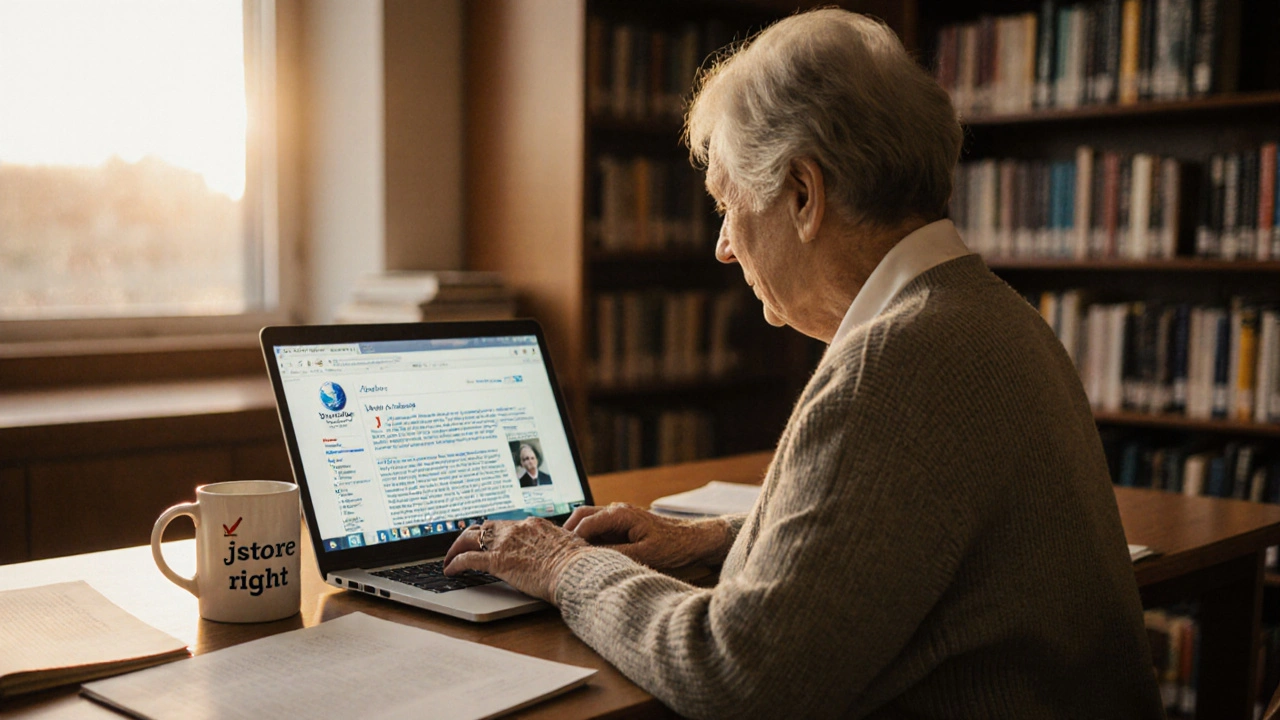
Take the average public librarian in Madison, Wisconsin. They help students find credible sources for research papers. They know the difference between a peer-reviewed journal and a blog post disguised as fact. When they edit Wikipedia, they don’t just add facts-they add context. They cite academic databases like JSTOR, check publication dates, and flag outdated references.
A 2023 study by the University of Pittsburgh tracked over 12,000 Wikipedia edits made by users who identified as librarians. Those edits were 47% more likely to include properly formatted citations than edits from non-librarian users. They also reduced vandalism by 32% in the articles they monitored. That’s not luck. That’s training.
Librarians also know how to handle sensitive topics. When a controversial historical event is being debated on a Wikipedia talk page, librarians often step in with neutral language, balanced sourcing, and a calm tone. They’ve been trained to do this every day in reference desks.
Educators Bring Structure to Chaos
Teachers don’t just grade papers-they teach critical thinking. And that skill translates directly to Wikipedia.
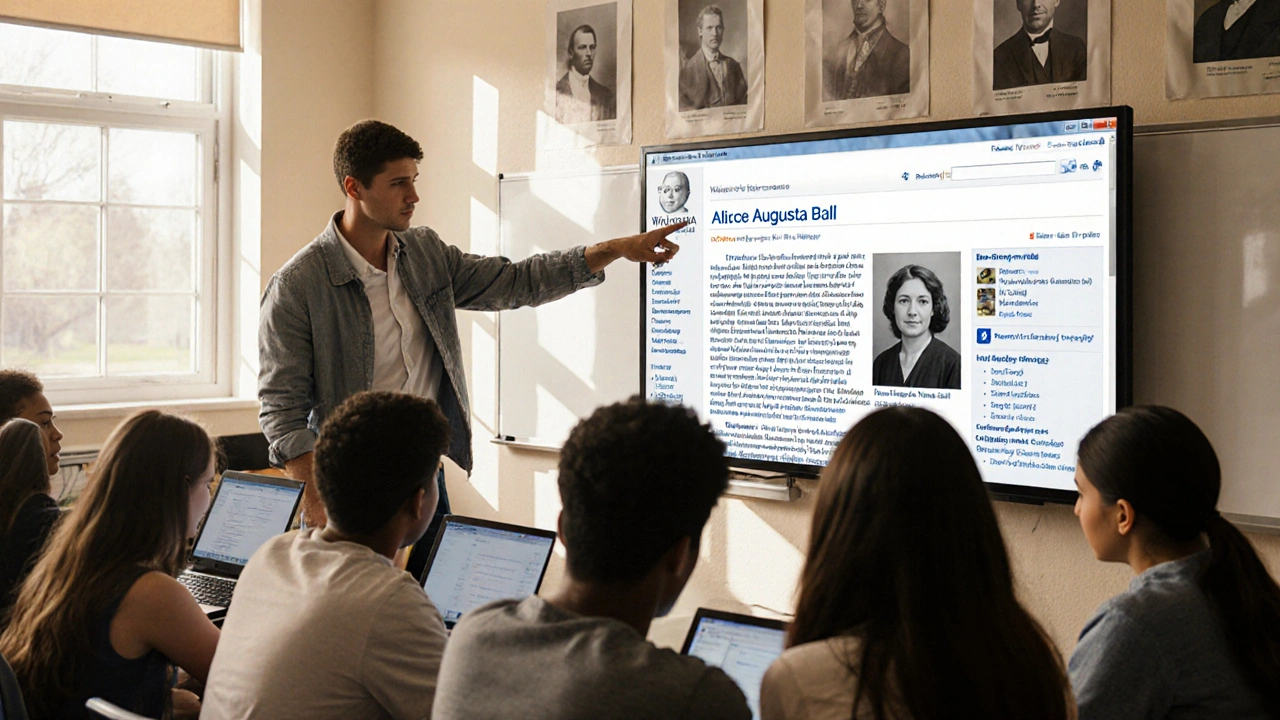
High school and college instructors around the world now assign Wikipedia editing as part of their curriculum. In 2024, over 1,800 university courses in the U.S. alone included Wikipedia editing assignments. Students don’t just write essays-they write Wikipedia articles. And their professors don’t just grade them-they mentor them.
One professor at the University of Michigan had her students rewrite Wikipedia entries about underrepresented scientists. Before, many of those pages were two sentences long, with no citations. After the assignment, those pages grew to 800+ words, included primary sources, and were reviewed by experienced Wikipedians. One article on Dr. Alice Augusta Ball, a chemist who developed the first effective treatment for leprosy in the 1910s, went from a stub to a Featured Article.
Why does this matter? Because Wikipedia has a well-documented bias. Over 80% of its editors identify as male, and the majority are from North America and Europe. Educators are helping fix that. They’re bringing in diverse voices-students from rural communities, non-Western countries, and marginalized backgrounds-to write about topics that matter to them.
The Silent Infrastructure of Wikipedia
Most people think Wikipedia is just a website. But behind it is a complex system of policies, guidelines, and volunteer teams. Librarians and educators are the backbone of that system.
They’re the ones who:
- Run Wikipedia Education Program workshops for new editors
- Lead WikiProjects focused on history, science, and education
- Train new contributors in citation standards and neutral point of view
- Review flagged articles for accuracy and reliability
- Advocate for better access to paywalled academic sources
At the Wikimedia Foundation, over 300 volunteers hold official roles as “Wikipedia Ambassadors” or “Education Coordinators.” Nearly 60% of them are current or former teachers or librarians. They don’t get titles on their business cards. But they’re the reason Wikipedia doesn’t collapse under its own weight.
How They Handle Conflict
Wikipedia is messy. People argue. A lot. And when they do, it’s often over facts.
Librarians and educators don’t yell. They don’t revert edits out of spite. They cite policy. They link to guidelines. They say: “According to WP:RS, this source is not reliable because it’s self-published.” Or: “WP:NPOV requires we present both sides, but we need to weight them by scholarly consensus.”
One editor, a retired high school history teacher from Ohio, spent over 500 hours over three years fixing misinformation about the Civil Rights Movement on Wikipedia. He didn’t do it for recognition. He did it because he’d seen students use Wikipedia as their only source-and believe false claims about segregation laws.
They’re the quiet referees. The ones who don’t want to win an argument. They just want the article to be right.
The Impact You Can’t See
Think about the last time you looked up a medical condition, a historical date, or how photosynthesis works. You didn’t check 10 websites. You went to Wikipedia. And you trusted it.
That trust didn’t happen by accident. It happened because librarians checked every citation. Because teachers trained students to cite properly. Because someone, somewhere, took the time to make sure the information wasn’t just popular-it was accurate.
A 2024 study by the Berkman Klein Center found that Wikipedia articles edited by educators or librarians were 2.3 times more likely to be cited in academic papers than those edited by anonymous users. That’s not just about quality. That’s about legitimacy.
And here’s the kicker: most of these contributors are over 40. Many are retired. They’re not chasing likes or followers. They’re doing this because they believe in public knowledge. In the idea that information should be free, accurate, and available to anyone with an internet connection.
What Happens When They Leave?
There’s a quiet crisis happening. The most experienced Wikipedia editors are aging out. And younger people aren’t stepping in fast enough.
Librarians are retiring. Teachers are burned out. The next generation of editors is more interested in TikTok than talk pages.
That’s why programs like the Wikipedia Library and the Wiki Education Foundation are pushing harder to recruit students and new professionals. But recruitment isn’t enough. We need to make editing easier. Less intimidating. More rewarding.
Imagine if every public library had a “Wikipedia Hour” once a week-where patrons could get help editing articles. Imagine if every school district included Wikipedia literacy in their digital citizenship curriculum. That’s not a fantasy. It’s a solution.
How You Can Help
You don’t need to be a librarian or teacher to make a difference. But if you care about reliable information, you can learn from them.
- Check the citations on Wikipedia articles you use. Are they real? Are they recent?
- If you find a missing source, add one. Even a single citation helps.
- Join a WikiProject related to your field-education, medicine, local history.
- If you’re an educator, assign a Wikipedia edit. Your students will learn more than any textbook can teach.
- If you’re a librarian, host a workshop. Bring in students, retirees, community members.
Wikipedia doesn’t need more users. It needs more responsible users. And librarians and educators are showing us how it’s done.
Do librarians get paid to edit Wikipedia?
No. Librarians edit Wikipedia as volunteers, just like everyone else. Some libraries support their staff by giving them time during work hours to contribute, but there’s no salary or official payment from Wikipedia or its foundation. Their motivation is professional ethics and public service.
Why do educators use Wikipedia in classrooms?
Educators use Wikipedia to teach research skills, digital literacy, and collaborative writing. Unlike traditional essays, editing Wikipedia means students know their work will be seen and used by real people. This raises the stakes-and the quality. Students learn to cite sources properly, write neutrally, and handle feedback-all real-world skills.
Are Wikipedia edits by librarians more reliable?
Yes. Studies show that edits made by librarians and educators are significantly more likely to include properly cited, peer-reviewed sources and follow Wikipedia’s neutral point of view policy. One 2023 analysis found that articles edited by these groups had 47% more citations and 32% less vandalism over time.
Can anyone become a Wikipedia editor like a librarian?
Absolutely. You don’t need a library degree. You just need to care about accuracy. Start by fixing a single citation, adding a reference to a short article, or correcting a typo. The Wikipedia community welcomes new editors who follow the rules. Many librarians started exactly that way.
What’s the biggest challenge facing Wikipedia editors today?
The biggest challenge is retention. The most experienced editors-often librarians and educators-are aging out, and younger people aren’t replacing them at the same rate. The platform’s tools can feel intimidating, and the culture of strict policy enforcement can discourage newcomers. Making editing easier and more welcoming is critical for Wikipedia’s future.
If you want to know where reliable information comes from, look beyond the screen. Look at the people behind it. The librarians checking sources. The teachers grading edits. The quiet volunteers who show up every day-not for fame, not for profit-but because they believe knowledge should be free, fair, and true.