Wikipedia isn’t just a website-it’s the first place millions of people turn to when they want to understand something new. That means every edit you make carries weight. When you cite a news article, you’re not just adding a reference-you’re shaping what the world believes is true. And yet, many editors treat press coverage like a free-for-all: if it’s in the paper, it must be real. That’s dangerous.
Press coverage isn’t the same as verified truth
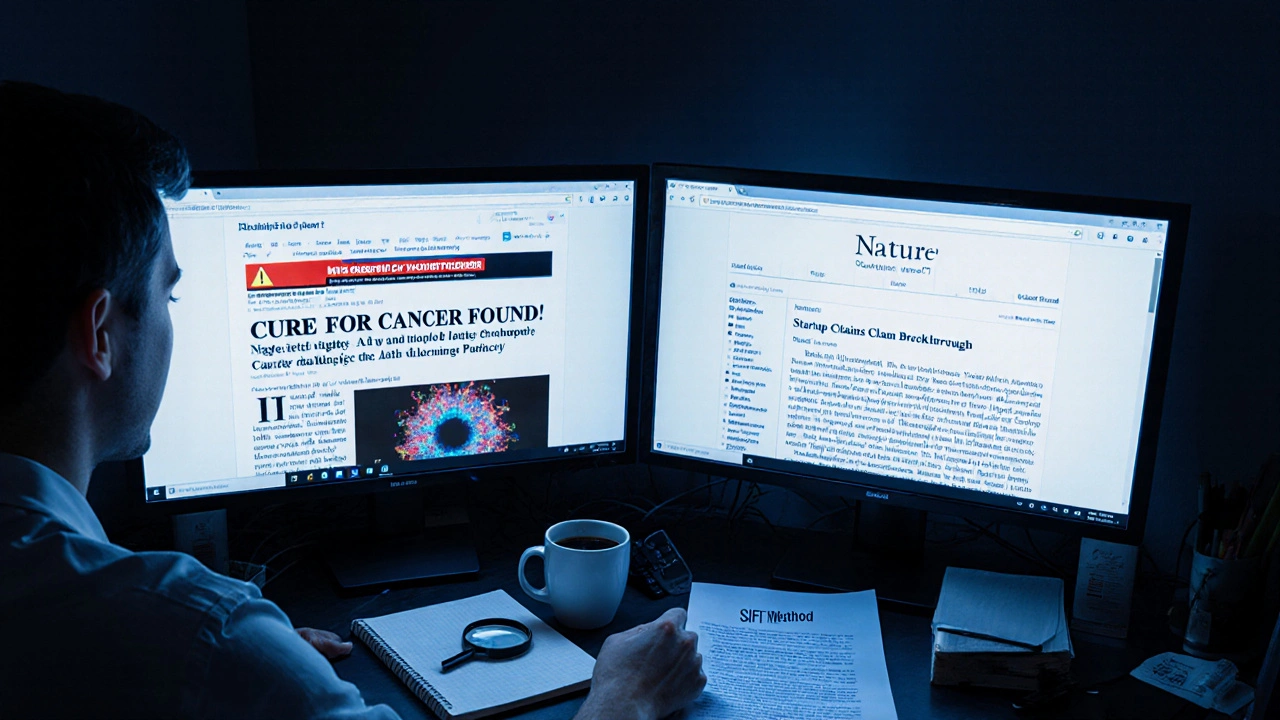
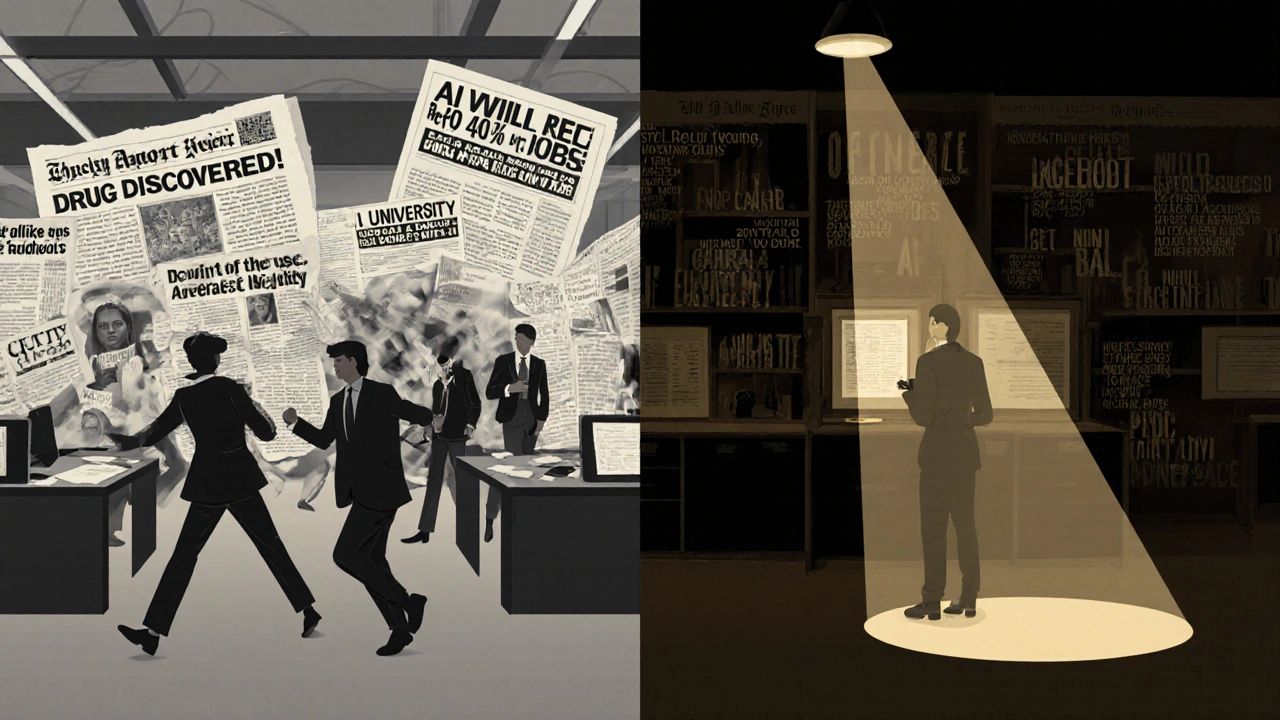
News outlets report stories. They don’t certify them. A headline might scream "Scientist Discovers Cure for Cancer," but the article could be based on a single mouse study, misquoted researchers, or a press release written by a startup hoping to attract investors. Wikipedia’s standards demand more. You need to ask: Is this source reliable? Not just because it’s from CNN or The New York Times, but because it follows journalistic ethics, names its sources, and corrects errors.Look at the difference between two articles on the same topic. One says: "A 2024 study published in Nature found that daily meditation reduced inflammation markers in 72% of participants." The other says: "Experts say meditation might help you feel calmer." The first cites a peer-reviewed journal with clear methodology. The second is vague, anonymous, and unverifiable. Only the first meets Wikipedia’s reliable source policy. And you’re the gatekeeper.
How to spot bad press coverage
Not all news is created equal. Here’s how to tell the difference:- Anonymous sources-"sources close to the matter," "experts say," "some researchers believe"-are red flags. Wikipedia requires attribution. If you can’t name who said it, don’t use it.
- Sensational headlines-if the headline makes your jaw drop, the article probably doesn’t back it up. Click through. If the body text is thin, skip it.
- One-sided reporting-does the article ignore counter-evidence? Does it quote only one side of a debate? Wikipedia demands neutrality. If the source doesn’t offer balance, neither should you.
- Press releases masquerading as news-many "news" stories are rewritten corporate announcements. Look for the original press release link. If the article doesn’t add reporting, it’s not journalism.
- Outdated or retracted stories-a story from 2020 might have been corrected in 2021. Always check for updates. Retractions matter.
There’s a real case from 2023 where a Wikipedia article on a new Alzheimer’s drug cited a Forbes article that was later found to be based on a fraudulent study. The drug didn’t exist. The study was retracted. But for months, the Wikipedia page carried the claim because no one checked the original source. That’s how misinformation spreads.
Use the SIFT method to evaluate sources
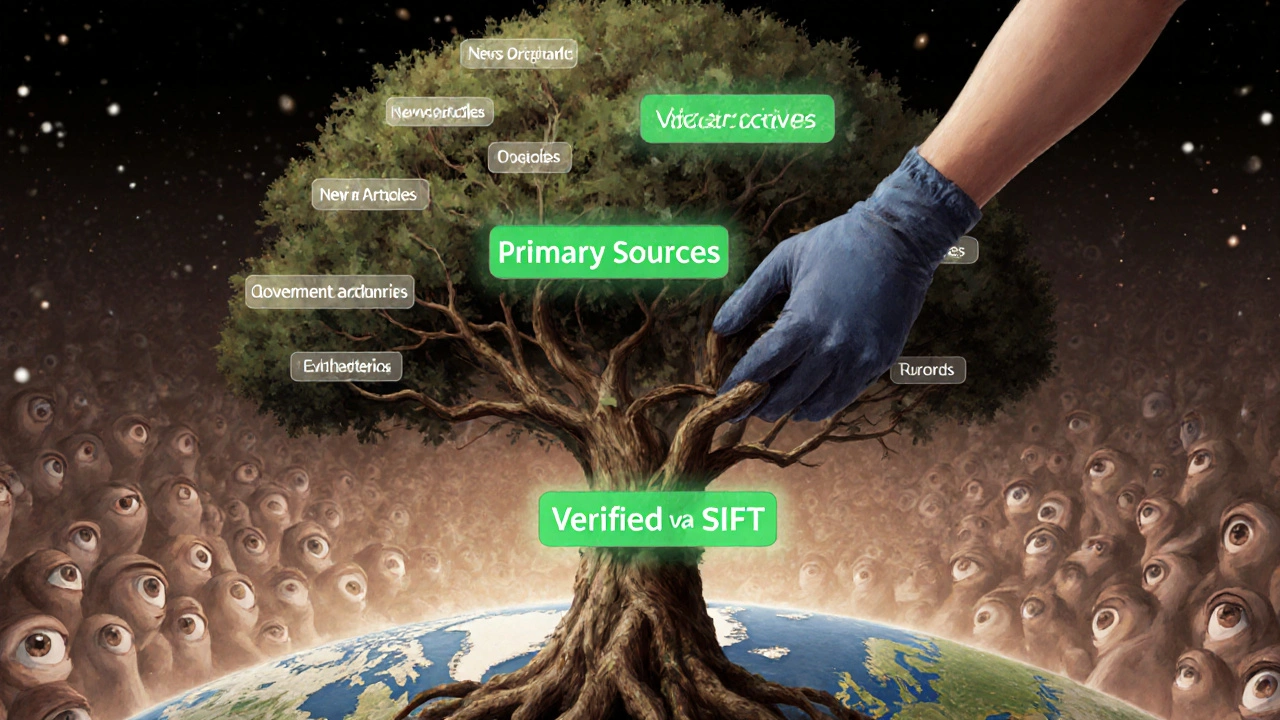
The SIFT method-Stop, Investigate, Find better sources, Trace to the original-isn’t just for students. It’s essential for Wikipedians. Here’s how to use it:- Stop-pause before you copy-paste. Ask: Why am I using this? Is it the best source available?
- Investigate-look up the outlet. Who owns it? What’s their track record? Is it known for accuracy or clickbait? Check Media Bias/Fact Check or the News Media Alliance’s member list.
- Find better sources-can you find the same claim in a peer-reviewed journal, government report, or official organization statement? Those are stronger than any newspaper.
- Trace-go back to the original study, data set, or interview. If the article cites a university press release, find the university’s official page. If it quotes a scientist, find their lab website or published paper.
For example, if you see a claim that "AI will replace 40% of jobs by 2030," trace it. You’ll likely find it originated from a 2020 McKinsey report that said "up to 30% of tasks" could be automated-not entire jobs. That’s a big difference. Wikipedia needs precision.
What counts as a reliable source on Wikipedia
Wikipedia’s policy is clear: prioritize third-party, independent, published sources. That means:- Good: Peer-reviewed journals, academic books, major newspapers (The Guardian, AP, Reuters), government publications, official organizational reports.
- Questionable: Blogs, personal websites, corporate press releases, opinion columns (unless used as evidence of public opinion), local newspapers without national reach.
- Never acceptable: Wikipedia itself, social media posts, YouTube videos, Reddit threads, forums, self-published material.
Even trusted outlets can slip up. The Washington Post once reported that a new vaccine had 95% efficacy based on preliminary data. Later, they corrected it: the number was 94.1%. That’s the kind of detail Wikipedia needs. If you’re citing a news article, look for the correction notice. If there isn’t one, ask yourself: is this the best version of the story?
When press coverage is useful
Press coverage isn’t useless-it’s just not the final word. It’s excellent for:- Documenting public perception-if a celebrity scandal made headlines, news coverage shows what the public knew and when. That’s relevant for biographies.
- Reporting on events-a fire, protest, or election result can be cited from multiple reputable outlets to establish what happened.
- Providing context-a quote from a journalist who interviewed a key figure adds depth, as long as it’s properly attributed.
But never use press coverage to establish facts about science, history, or policy unless it’s backed by primary sources. A CNN article on climate change should link to the IPCC report. A Bloomberg story on stock market trends should point to SEC filings. You’re not writing a news summary-you’re building an encyclopedia.
Fixing bad citations in existing articles
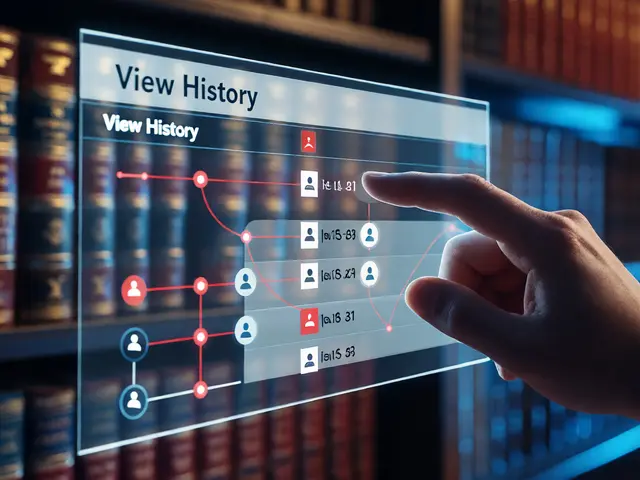
You don’t need to start from scratch. Start small. Pick one article you care about. Look at its references. Are any from Buzzfeed? HuffPost? A personal blog? Replace them. Use the "View history" tab to see who added the source. Leave a polite edit summary: "Replaced unreliable source with peer-reviewed study from Journal of Environmental Health."There’s a quiet revolution happening on Wikipedia. Thousands of editors are quietly upgrading citations. One editor in Germany spent six months replacing every news article citation in articles about EU policy with official EU documents. The result? The articles became more accurate, more stable, and less likely to be challenged.
You can do the same. Start with one article. One source. One correction. That’s how truth gets built.
What happens when you ignore media literacy
In 2022, a viral story claimed that a new study proved that "reading Wikipedia causes memory loss." It was nonsense. The study didn’t exist. But dozens of Wikipedia articles cited it because someone found it on a blog and assumed it was real. It took months to clean up. And during that time, people believed it.That’s the cost of carelessness. Wikipedia doesn’t have editors who fact-check everything. It has editors who care enough to verify. You’re one of them.
When you cite a press source, you’re not just adding a link. You’re deciding whether the world will believe something true-or something false. That’s not a small job. It’s the job of a librarian, a journalist, and a scholar all at once.
Be the editor who asks: "Where did this come from?" Be the one who digs deeper. Be the one who fixes it.
Can I use news articles as sources on Wikipedia?
Yes, but only if they’re from reputable, independent outlets like Reuters, AP, The New York Times, or The Guardian. Avoid blogs, opinion pieces, or outlets with a history of inaccuracy. Always prioritize peer-reviewed journals or official reports when available.
What if a news article is the only source available?
If no better source exists, you can use a reputable news article-but only for events, not for claims about science, health, or policy. Always note the date and check for corrections. Add a note in the article’s talk page explaining the limitation.
Are local newspapers reliable for Wikipedia?
Only if they have a strong reputation for accurate reporting and are widely recognized in their region. Small local papers often lack resources for deep reporting. Use them only for local events, like city council decisions or community happenings, and always cross-check with official records.
How do I find the original source behind a news story?
Look for links in the article, check the author’s bio for affiliations, search for the study or data set by key phrases in Google Scholar or government databases. If the article cites a university press release, go directly to the university’s website. Never stop at the news summary.
Can I cite a tweet or social media post?
No. Social media is not a reliable source on Wikipedia. Even if it’s from a well-known person, it’s not a verifiable, archived, or editorially reviewed source. Use official statements, interviews, or published articles instead.