Imagine a journalist calls you at 8:00 AM. They want to know if Wikipedia is "just a bunch of random people guessing facts." You have ten seconds to respond before they hang up. Do you freeze? Do you ramble about Open Source philosophy? Or do you deliver a crisp, confident answer that shifts the narrative from skepticism to trust?
This scenario plays out more often than you think. For Wikimedia spokespeople, the stakes are high because Wikipedia is the world's most visited reference site. Yet, its volunteer-driven model often confuses traditional media outlets. Media training isn't just about looking good on camera; it’s about bridging the gap between complex technical realities and simple human stories.
Why Standard PR Doesn't Work for Open Knowledge
Traditional corporate PR relies on controlling the message. You release a statement, wait for quotes, and manage the fallout. But Open Source collaboration works differently. It is messy, transparent, and global. When a spokesperson tries to use corporate scripts with journalists who understand technology, it often backfires. They spot the rehearsed lines instantly.
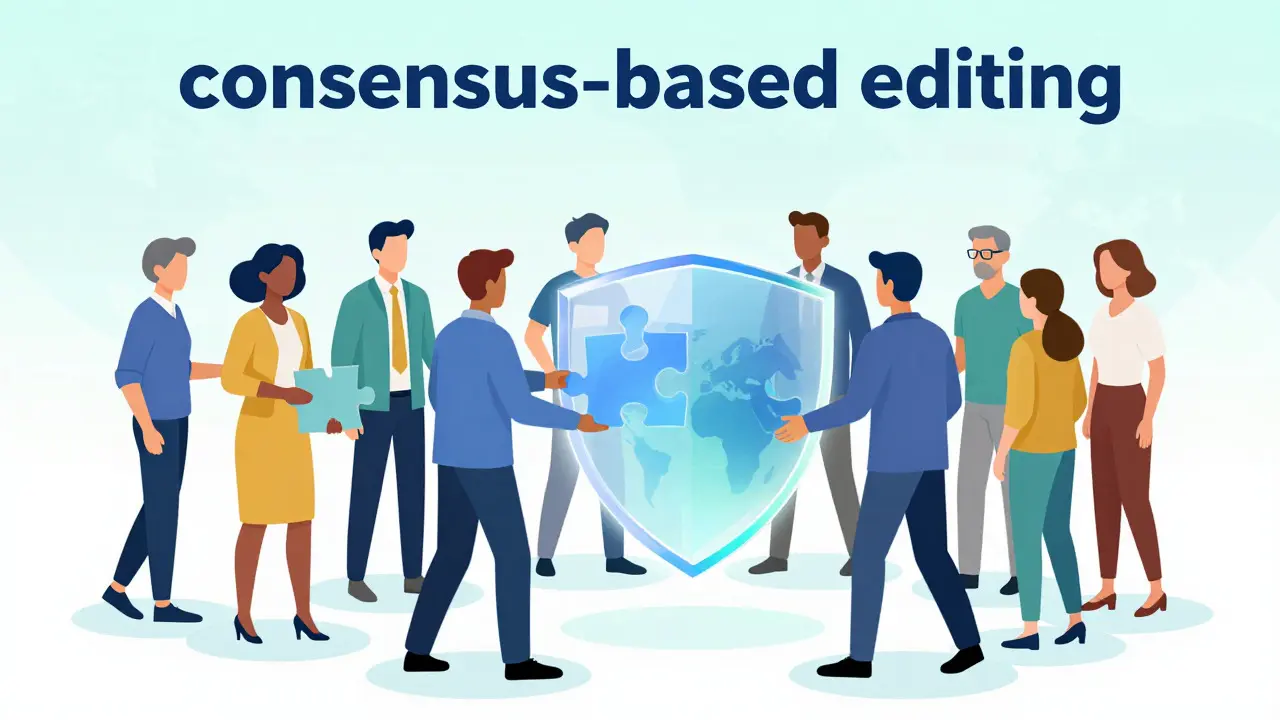
The core challenge is translating "consensus-based editing" into language that resonates with non-experts. Instead of saying "we use a consensus model," try explaining it as "a group of experts double-checking each other's work in real-time." This shift from jargon to analogy is the first step in effective Media Training. You aren't hiding complexity; you're making it accessible.
Core Principles for Effective Communication
Before stepping in front of a microphone or sitting across from an editor, internalize three key principles. These form the backbone of any successful interaction with the press regarding online encyclopedias.
- Transparency over Perfection: Admit when something is wrong. If an article was vandalized, say so. Journalists respect honesty more than polished spin. Acknowledging a mistake shows confidence in the system's self-correcting nature.
- Human Stories over Statistics: While citing that Wikipedia has 6 million articles is impressive, it’s abstract. Telling the story of a teacher in rural India using Wikipedia to prepare lessons connects emotionally. People remember faces, not numbers.
- Simplicity is Strength: Avoid acronyms like CC-BY-SA unless necessary. If you must use them, define them immediately. The goal is to make the listener feel smart, not confused.
These principles help you move away from defensive posturing. When you stop defending the platform and start sharing its value, the tone of the interview changes dramatically.
Handling Common Media Scenarios
Most interviews follow predictable patterns. Preparing for these specific scenarios reduces anxiety and improves response quality. Here are the top three situations you will likely face.
The "Reliability" Question
"How can we trust Wikipedia when anyone can edit it?"
This is the classic trap. Don't get bogged down in explaining version history or talk pages. Instead, pivot to the outcome. "While anyone *can* edit, experienced editors and automated tools catch errors within minutes. In fact, studies show that for major topics, Wikipedia is as accurate as Britannica." Keep it brief, cite the study vaguely ("recent comparative studies") unless asked for specifics, and move on.
The "Bias" Accusation
"Isn't Wikipedia biased toward Western viewpoints?"
Avoid defensiveness. Acknowledge the gap. "It’s a fair point. We actively recruit contributors from underrepresented regions through programs like Wiki Loves Africa. Our goal is to reflect the whole world, and we’re working hard to close that gap." This shows action, not just apology.
The Technical Glitch
"The site went down yesterday. What happened?"
Be direct. "A server update caused a temporary outage for 15 minutes. Our team fixed it quickly, and no data was lost." Journalists hate vague answers. Give them the timeline, the cause, and the resolution. Then, emphasize resilience: "This happens rarely, but when it does, our redundancy systems kick in fast."
Practical Drills for Spokespeople
You don't learn media skills by reading about them. You learn by doing. Incorporate these drills into your weekly routine to build muscle memory.
- The 15-Second Rule: Practice answering tough questions in under 15 seconds. If you can’t summarize your point that quickly, you haven’t understood it well enough. Record yourself on your phone. Listen back. Cut every unnecessary word.
- The Bridge Technique: Learn to bridge from a negative question to a positive fact. Example: "You ask about vandalism, which is rare, but what’s more important is how our community restores accuracy within hours..." This keeps control of the narrative.
- The Pause Power: When asked a tricky question, take a two-second pause before answering. This signals thoughtfulness and prevents impulsive, poorly-worded responses. Silence is a tool, not a void.
Consistency matters here. Ten minutes of daily practice beats one hour of monthly rehearsal. Over time, these techniques become second nature, allowing you to focus on connection rather than content recall.
Building Credibility Through Data
Words are powerful, but data anchors them. As a spokesperson, you should have a mental library of key statistics ready to deploy. However, context is everything. A number without a story is just noise.
| Metric | Value (Approx.) | Communication Angle |
|---|---|---|
| Daily Visitors | ~500 Million | Scale and Global Reach |
| Volunteer Editors | ~100,000 Active | Community Passion and Dedication |
| Languages Supported | 300+ | Inclusivity and Diversity |
| Accuracy Rate (Major Topics) | Comparable to Encyclopaedia Britannica | Reliability and Trust |
When citing these figures, always link them to a human impact. For example, instead of just saying "300 languages," say "300 languages means a student in Japan and a student in Brazil can access the same verified knowledge, breaking down linguistic barriers." This transforms data into meaning.

Common Pitfalls to Avoid
Even well-prepared spokespeople stumble. Watch out for these frequent errors that undermine credibility.
- Over-explaining: The more you explain, the more doubts arise. Trust your audience to grasp the basic concept. If they need more detail, they will ask.
- Jargon Drops: Words like "semantic web" or "ontology" confuse general audiences. Save these for tech blogs, not mainstream news.
- Defensive Tone: Crossing your arms or rolling your eyes signals insecurity. Maintain open body language and a calm, even voice. Confidence is contagious.
- Ignoring the Follow-up: Often, the real question comes after the first one. Stay engaged until the reporter explicitly says "thank you."
Avoiding these pitfalls requires self-awareness. After every interview, review your performance. Did you speak too fast? Did you use a buzzword? Adjust accordingly. Growth comes from reflection, not just repetition.
Next Steps for Your Team
Implementing this training doesn't happen overnight. Start small. Pick one spokesperson and run them through the 15-second rule drills for two weeks. Then, expand to the full team. Use mock interviews with colleagues playing the role of skeptical journalists. The more realistic the simulation, the better prepared you’ll be for the real thing.
Remember, the goal isn't to win arguments. It’s to inform. When you communicate clearly and confidently, you don't just protect the reputation of Wikipedia; you educate the public on the power of open knowledge. That is the true victory.
How long should a media training session be?
Initial sessions should last 2-3 hours to cover core concepts. Follow-up sessions should be shorter, focusing on specific drills or recent events. Consistency is more important than duration.
What if a journalist asks a question you don't know the answer to?
Say, "That’s a great question. Let me get back to you with the precise figure by [time]." Never guess. Accuracy builds trust. Follow up promptly to maintain credibility.
Should spokespeople use social media during live events?
Generally, avoid checking phones during interviews. It signals disinterest. Post updates afterward, ensuring consistency with what was said in the interview.
How do you handle hostile reporters?
Stay calm. Hostility often stems from misunderstanding, not malice. Answer factually, keep your tone neutral, and use the bridge technique to redirect to positive aspects. Do not match their energy level.
Is it okay to read from notes during an interview?
Yes, but sparingly. Use bullet points, not full sentences. Glance down only for key stats or names. Maintain eye contact for the majority of the conversation to show engagement.