The Wikimedia Foundation just released its 2026 budget, and for the first time in years, the numbers tell a clear story: growth isn’t about more staff or bigger offices-it’s about keeping Wikipedia alive in the places it matters most.
Where the money is going
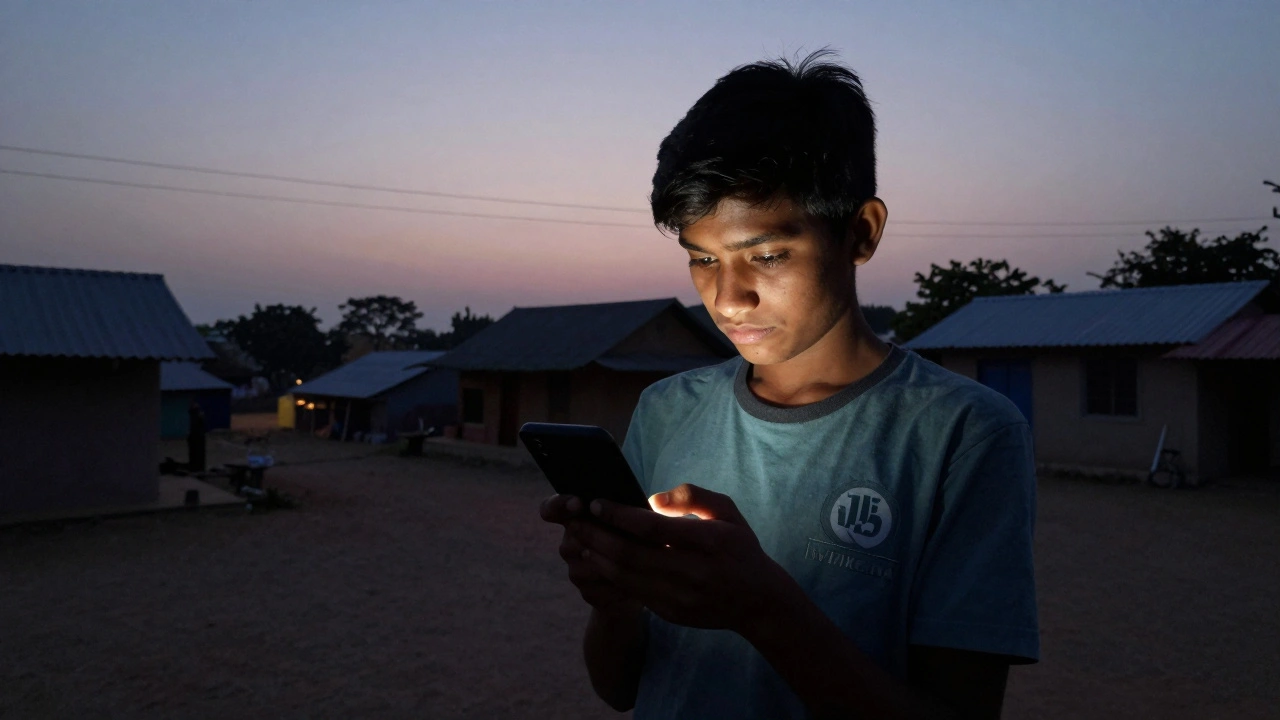
This year, the Foundation plans to spend $156 million. That’s up 7% from 2025, but not because of bloat. Most of the increase-$11 million-goes to infrastructure. Servers, data centers, and network security now make up 32% of the total budget. That’s up from 26% just two years ago. Why? Because Wikipedia gets over 20 billion page views a month, and half of that traffic comes from mobile devices in regions with weak internet. The Foundation isn’t just keeping the site running; it’s making sure it loads fast on a $50 Android phone in rural India or a slow connection in parts of Sub-Saharan Africa.
Content support gets $28 million. That’s not for editors-those are volunteers. It’s for tools that help them. Think: better translation plugins, AI-assisted fact-checking bots that flag misinformation in real time, and templates that make it easier to update outdated articles about climate change or public health. In 2025, over 40% of new articles on Wikipedia came from editors in the Global South. The Foundation is betting that if you give them better tools, they’ll keep writing.
Community grants, which fund local events, edit-a-thons, and outreach programs, are getting $19 million. That’s down slightly from last year, but only because the Foundation shifted funds into digital outreach. Instead of flying people to conferences, they’re now funding online training modules in 18 languages. In Nigeria, over 12,000 new editors joined through a WhatsApp-based tutorial program. In Brazil, a partnership with public libraries helped over 50,000 students learn how to edit Wikipedia safely.
What’s being cut
The biggest reduction? Administrative overhead. The Foundation trimmed its staff by 8% compared to 2025. That’s not layoffs-it’s attrition. When people left, they weren’t replaced. Leadership roles were merged. Travel budgets for executives dropped by 60%. The CEO no longer flies business class. The board meetings are now virtual. That’s a big shift for an organization that used to be seen as slow-moving.
Marketing and PR spending fell from $8 million to $3.2 million. No more billboards in New York or ads on YouTube. Instead, the Foundation is letting Wikipedia’s visibility speak for itself. If you search for anything on Google, Wikipedia shows up. That’s free publicity. The Foundation stopped paying for it.
How donations are changing
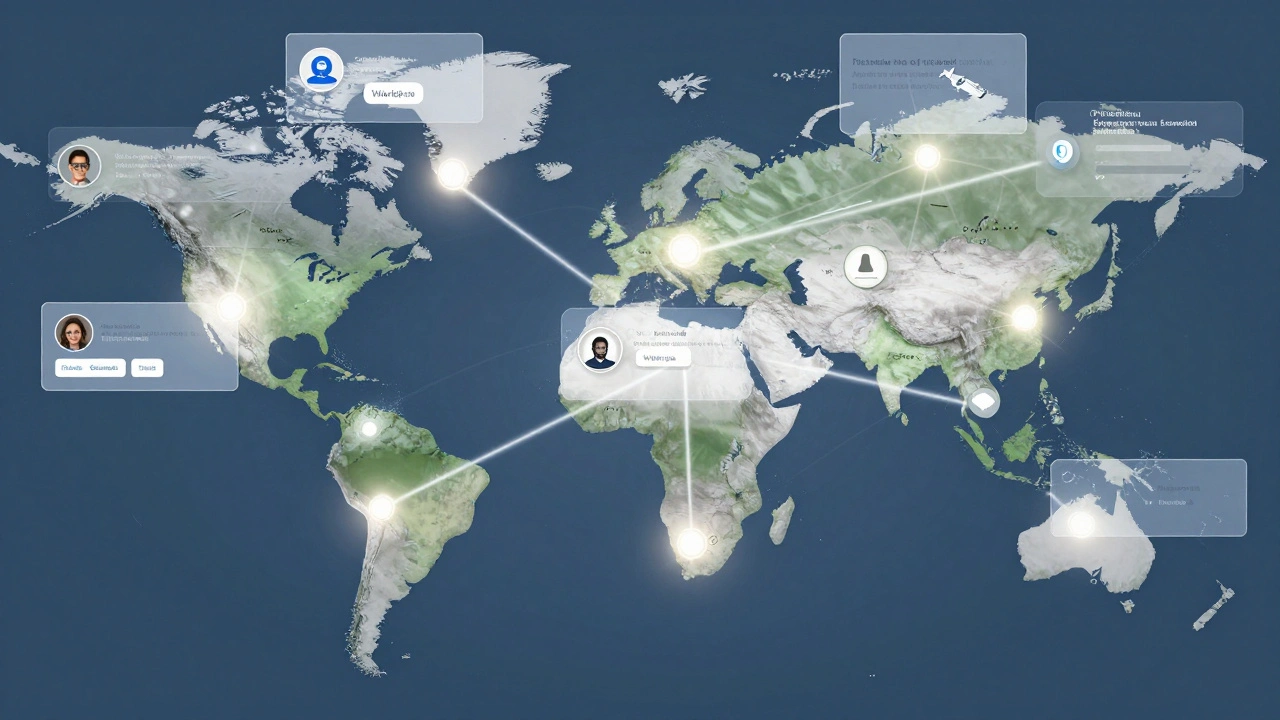
Donations still make up 89% of the budget. But the source is shifting. In 2020, 70% of donations came from the U.S. and Europe. Now, it’s 52%. The rest? Small contributions from over 150 countries. The average donation in Indonesia is $2. In Kenya, it’s $1.50. In Germany, it’s $45. The Foundation doesn’t care about the size. It cares about the number. They now have over 7 million individual donors, up from 5.2 million in 2022.
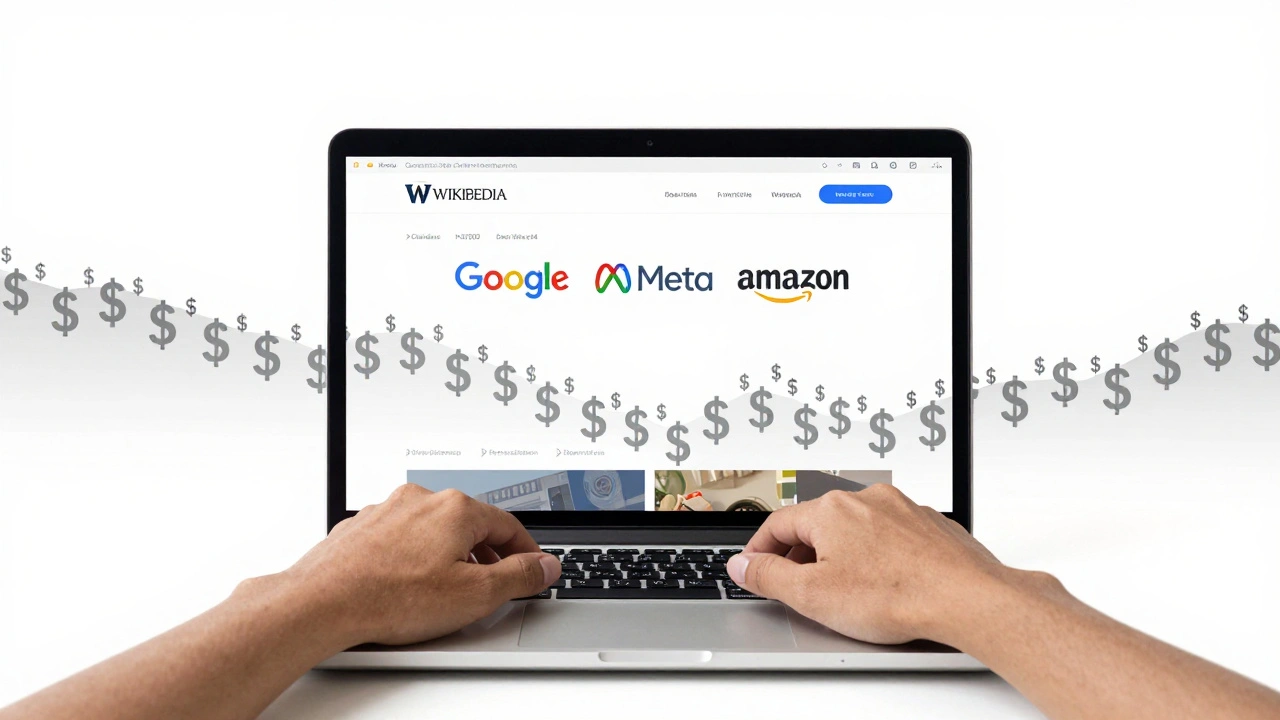
Corporate donations? Down 80%. Big tech companies used to give millions-Google, Meta, Amazon. Now, they give next to nothing. Why? Because Wikipedia doesn’t run ads. It doesn’t sell data. It doesn’t even let companies sponsor articles. That’s a dealbreaker for some, but it’s exactly why people trust it.
The real challenge: sustainability
The biggest worry isn’t money-it’s burnout. Over 60% of active editors are over 40. The number of new editors under 25 has dropped 35% since 2020. The Foundation is trying to fix that with mobile-first editing tools and gamified learning. One new feature lets users earn badges for fixing broken links or adding citations. In beta tests, it boosted new editor retention by 28%.
They’re also investing in AI moderation. In 2025, over 2 million edits were reverted because they were vandalism or spam. That’s a lot of volunteer hours. Now, AI filters catch 87% of those before a human even sees them. That’s not replacing editors-it’s protecting them.
What’s not being funded
There’s no plan to expand into video content. No podcasts. No Wikipedia TV. The Foundation says: if you want video, go to YouTube. If you want a podcast, go to Spotify. Wikipedia stays text. That’s its strength. It’s fast. It’s searchable. It works offline. It doesn’t need to be flashy.
They’re not building a Wikipedia app for iOS or Android. The mobile site is good enough. Over 90% of users access Wikipedia through browsers, not apps. Building apps would cost $15 million a year-and most users wouldn’t even notice the difference.
Why this matters
Wikipedia isn’t just a website. It’s the most trusted source of information on the planet. A 2024 Stanford study found that 83% of people trust Wikipedia more than news sites for basic facts. That’s higher than CNN, BBC, or even government websites. But trust doesn’t last if the site breaks. If servers crash in a heatwave in Pakistan. If translations lag in Swahili. If a teenager in Manila can’t edit because the interface is too clunky.
This budget isn’t about vanity. It’s about resilience. It’s about making sure that when someone in a refugee camp in Sudan needs to know how to purify water, or a student in Bolivia needs to understand photosynthesis, Wikipedia is there-fast, free, and accurate.
The Foundation doesn’t have shareholders. It doesn’t answer to advertisers. It answers to the people who use it. And that’s why, for the first time in its history, the budget looks less like a corporate plan and more like a community wishlist.
How does the Wikimedia Foundation get its money?
Over 89% of the Wikimedia Foundation’s funding comes from individual donations, mostly small contributions from people around the world. The rest comes from grants and occasional gifts from foundations. Corporate donations have dropped sharply because Wikipedia doesn’t run ads or sell user data.
Why is the budget increasing if donations are staying flat?
The budget is rising because costs are rising-especially for infrastructure. As more people access Wikipedia from low-bandwidth areas, the Foundation must invest in faster servers, better caching, and mobile-optimized systems. Staff cuts and reduced overhead help balance the increase, but the core expenses are growing with usage.
Are Wikipedia editors paid?
No, Wikipedia editors are volunteers. The Foundation pays for tools, training, and community support, but not for writing or editing content. Some staff work on technical tools or outreach programs, but they don’t write articles.
Why doesn’t Wikipedia have ads?
Wikipedia doesn’t have ads because it was built on the principle that information should be free and free from commercial influence. Surveys show users trust Wikipedia more because it doesn’t sell data or push sponsored content. The Foundation believes that’s its biggest competitive advantage.
Is Wikipedia growing or shrinking?
The number of articles is still growing-over 60 million across all languages. But the number of active editors has declined, especially among younger users. The Foundation is focusing on making editing easier on mobile devices and in local languages to reverse that trend.