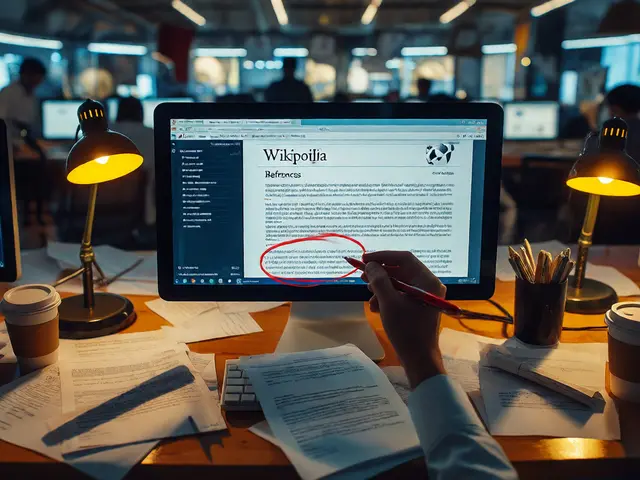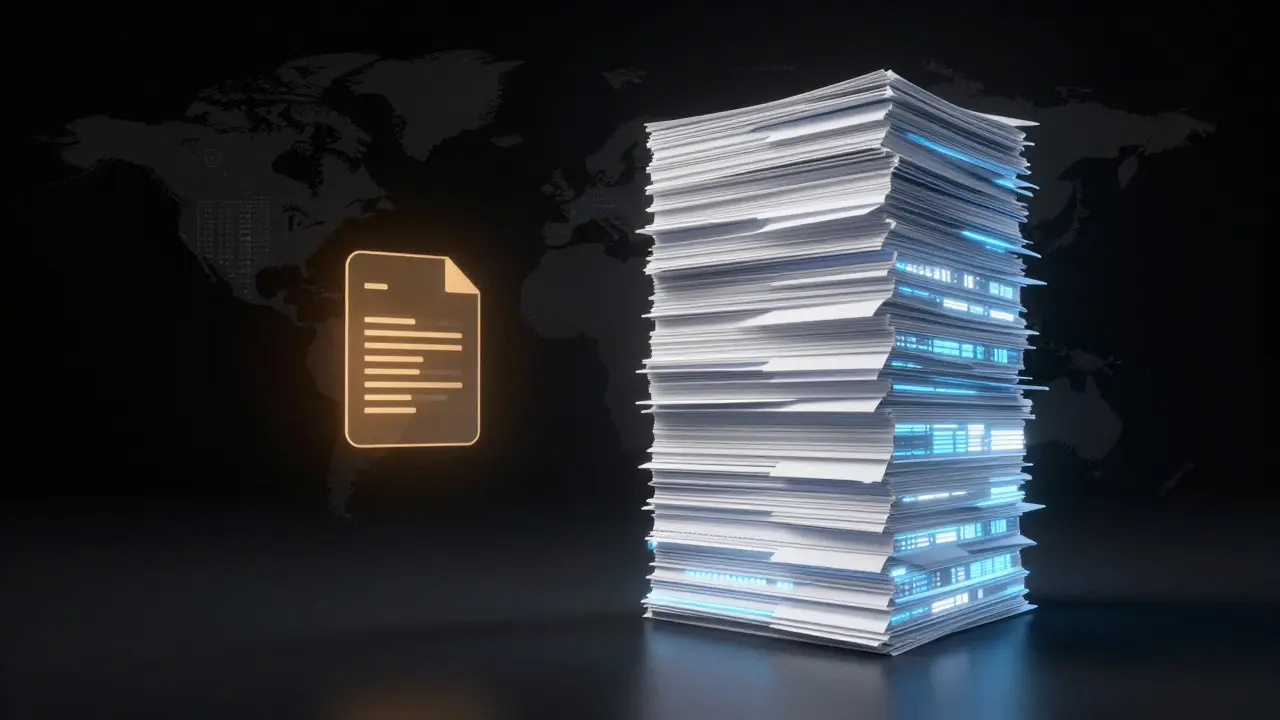
Imagine searching for a major political protest in your hometown on Wikipedia is a free online encyclopedia that relies on volunteer editors to create and maintain articles about topics ranging from science to history. You find the page, but it’s only three paragraphs long. Now search for a similar event in London or New York, and you get a 20-page article with multiple perspectives, images, and citations. This disparity isn’t an accident; it’s a symptom of regional bias is the tendency for information sources to overrepresent events and perspectives from specific geographic areas while underrepresenting others.
This imbalance affects how we understand global news. If you’re an editor, student, or researcher, understanding where these gaps come from-and how to fix them-is crucial. The goal isn’t just to add more text; it’s to ensure that a reader in Lagos, Lima, or Lisbon gets the same depth of context as a reader in London.
Why Regional Bias Happens on Wikipedia
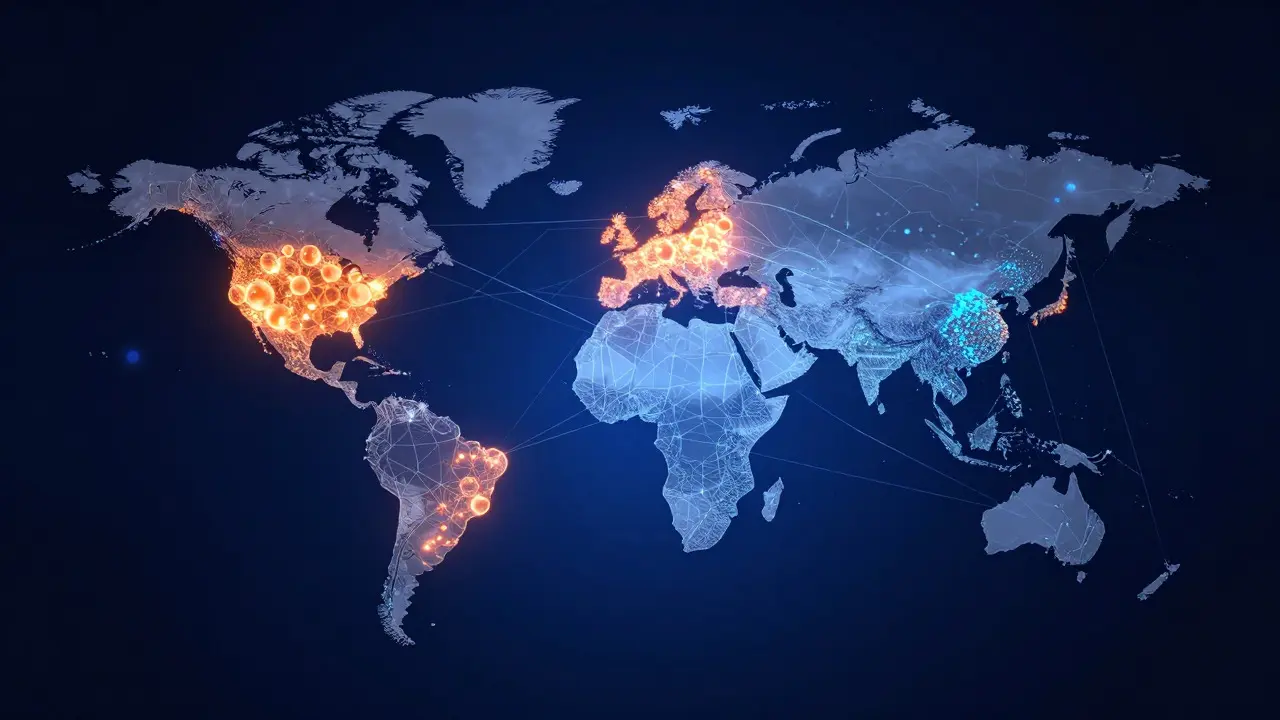
It’s easy to blame "bad faith" editors, but the root causes are usually structural. Wikipedia has over 300 million registered accounts, but only a fraction edit regularly. Of those active editors, a disproportionate number live in North America and Western Europe. This demographic reality shapes what gets written first and what gets polished later.
Consider the concept of notability is a set of guidelines used by Wikipedia to determine whether a topic is significant enough to have its own article. Notability often depends on coverage in reliable secondary sources. If a local newspaper in Jakarta covers a community dispute extensively, but no international outlet mentions it, the event might fail the notability test simply because the source pool is thin. This creates a feedback loop: less coverage leads to fewer edits, which leads to shorter articles, which discourages further editing.
Language barriers also play a huge role. An event in South Korea might be well-documented in Korean media, but if few editors read Korean, the English version of the article remains sparse until someone translates the key sources. This isn’t about quality; it’s about access.
Identifying Gaps in Event Coverage
Before you can mitigate bias, you need to spot it. Here are three practical ways to identify regional blind spots in current events:
- Compare Article Lengths: Search for similar types of events (e.g., "earthquake response," "student protests") across different regions. If the African or Asian versions are consistently 50% shorter than their European counterparts, that’s a red flag.
- Check Citation Sources: Look at the references section. If 90% of the sources are from U.S. or U.K. outlets, the perspective is likely skewed toward Anglophone viewpoints.
- Use WikiProjects: Many countries have dedicated WikiProjects (like WikiProject India or WikiProject Africa) that track incomplete articles. Joining these groups gives you a curated list of events that need attention.
A useful heuristic: If an event had significant economic, social, or political impact locally, it deserves a standalone article regardless of international fame. Don’t wait for CNN to cover it before writing about it.
Strategies for Neutral and Balanced Editing
Mitigating bias requires more than adding facts; it requires adjusting the lens through which we view those facts. Here’s how to approach this practically.
- Prioritize Local Sources: When covering an event in Brazil, cite Brazilian newspapers, academic journals, and government reports. This doesn’t mean ignoring international views, but it ensures the primary context comes from the region itself.
- Translate Key Documents: If a critical report exists only in Spanish, use machine translation tools to understand the core arguments, then verify with a native speaker if possible. Add the original language title in the reference list so other editors can follow up.
- Expand the Lead Section: The first paragraph of an article sets the tone. Ensure it mentions the local context, not just the international reaction. For example, instead of starting with "The UN condemned...", start with "The protest began in..."
- Invite Collaboration: Use the talk page to ask questions. Phrases like "Does anyone from [Region] have additional sources?" invite local experts to contribute without imposing your viewpoint.
Remember, neutrality doesn’t mean blandness. It means representing all significant viewpoints fairly. If a local historian argues the event was a turning point, include that argument alongside any international skepticism.
The Role of Technology and Tools
You don’t have to do this work alone. Several tools help surface hidden gaps and streamline the process.
| Tool | Primary Function | Best For |
|---|---|---|
| WikiGap | Identifies missing articles based on cross-lingual links | Finding high-priority gaps quickly |
| GLAMwiki | Connects libraries/museums with editors for digitized content | Accessing archival documents and rare sources |
| Machine Translation APIs | Rough translation of non-English sources | Overcoming initial language barriers |
Tools like WikiGap analyze which articles exist in one language version but not another. If a major event has a detailed article in the French Wikipedia but only a stub in the English version, WikiGap flags it. This data-driven approach removes guesswork and helps prioritize your editing time.
Building Long-Term Solutions
One-off edits help, but lasting change requires systemic shifts. Communities like Wikimedia Foundation is the nonprofit organization that hosts Wikipedia and other wiki projects, focusing on open knowledge and digital equity. have launched initiatives to recruit editors from underrepresented regions. Supporting these efforts-whether through donations, volunteering, or advocacy-helps diversify the editor base.
For individual editors, consistency matters more than volume. Regularly checking one specific region or topic area allows you to build deep expertise. You become the go-to person for accurate, nuanced coverage of that space. Over time, this builds trust within the community and encourages others to join in.
Finally, document your process. When you add a new source or expand a section, leave a brief note on the talk page explaining why. Transparency reduces friction and invites constructive feedback rather than defensive debates.

Common Pitfalls to Avoid
Even well-intentioned editors can accidentally introduce bias. Watch out for these common mistakes:
- Assuming Universal Relevance: Just because an event wasn’t covered in *The New York Times* doesn’t mean it wasn’t important. Local impact counts.
- Over-relying on Machine Translations: Always verify translated quotes against the original if possible. Nuance is often lost in automated translation.
- Ignoring Oral Histories: In some cultures, oral tradition is a valid historical source. While Wikipedia prefers written sources, citing documentaries or verified interviews can fill gaps where papers are scarce.
- Letting One Source Dominate: If only one journalist covered the event, try to find at least two independent sources to meet the neutral point of view standard.
Staying vigilant about these pitfalls ensures your contributions strengthen the encyclopedia rather than inadvertently skewing it.
Next Steps for Editors
If you’re ready to take action, start small. Pick one event from a region you know little about. Find three local sources. Write a draft. Post it for review. Repeat. Over six months, you’ll notice a shift-not just in the articles, but in your own understanding of global events.
Regional bias in Wikipedia isn’t a bug to be fixed overnight; it’s a challenge to be managed continuously. By combining local sources, collaborative tools, and a commitment to neutrality, you can help ensure that the encyclopedia reflects the world as it actually is, not just as it appears from a few privileged vantage points.
What is the most effective way to find missing articles on regional events?
Use tools like WikiGap or check the "Stub" and "Start-class" categories in relevant country-specific WikiProjects. These lists highlight articles that need expansion or creation based on existing coverage in other languages.
Do I need to be fluent in a language to edit articles about that region?
No, but it helps. You can use machine translation to understand sources, but always credit the original author and link to the source in its original language. Collaborating with native speakers via the talk page improves accuracy.
How do I handle conflicts when adding local sources that contradict international ones?
Present both viewpoints neutrally. Attribute claims to their sources (e.g., "Local officials stated X, while international observers noted Y"). Avoid taking sides; let the reader evaluate the evidence.
Are oral histories acceptable sources on Wikipedia?
Generally, Wikipedia prefers published, verifiable sources. However, if an oral history is documented in a reputable book, documentary, or academic paper, cite that publication. Direct oral testimony is rarely accepted unless it's part of a formal archive.
How can I encourage more editors from underrepresented regions to join?
Support Wikimedia outreach programs, mentor new editors, and make talk pages welcoming. Simplify instructions for new contributors and highlight success stories of local editors who improved coverage significantly.