Over 100,000 people edit Wikipedia every month. But who are they? The 2022 Wikipedia Community Survey gave us the clearest picture yet of the people behind the world’s largest free encyclopedia. And the results? They’re not what most people assume.
Most Wikipedia editors are men - but not for the reasons you think
The 2022 survey found that 84% of active Wikipedia editors identify as male. That number hasn’t changed much since 2018. But here’s what’s often missed: it’s not because women don’t want to edit. It’s because they’re less likely to feel welcome.
When asked why they don’t contribute more, female editors cited hostile edit wars, condescending comments, and a culture that rewards aggressive editing over collaboration. One respondent wrote: “I fixed a factual error in a biography and got told I was ‘wasting my time’ because I didn’t cite a peer-reviewed journal - even though the source was a government publication.”
It’s not about knowledge gaps. It’s about tone. The platform’s norms evolved in a space where technical precision was prized over empathy. That’s changing slowly - but the legacy remains.
Wikipedia editors are younger than you’d guess
Many assume Wikipedia is run by retired academics or older tech enthusiasts. The data says otherwise. Nearly half (48%) of active editors are under 30. Another 30% are between 30 and 44. Only 17% are over 55.
That makes Wikipedia one of the most youth-driven open-source projects in the world. Teenagers fix typos in articles about K-pop bands. College students add citations to climate science pages. Young professionals update entries on startup companies they work for.
But here’s the catch: younger editors are also the most likely to burn out. They often start with enthusiasm - fixing small errors, adding images - then get discouraged when their edits get reverted without explanation. The average new editor makes fewer than five edits before leaving for good.
Most editors live outside the U.S. - but English Wikipedia still dominates
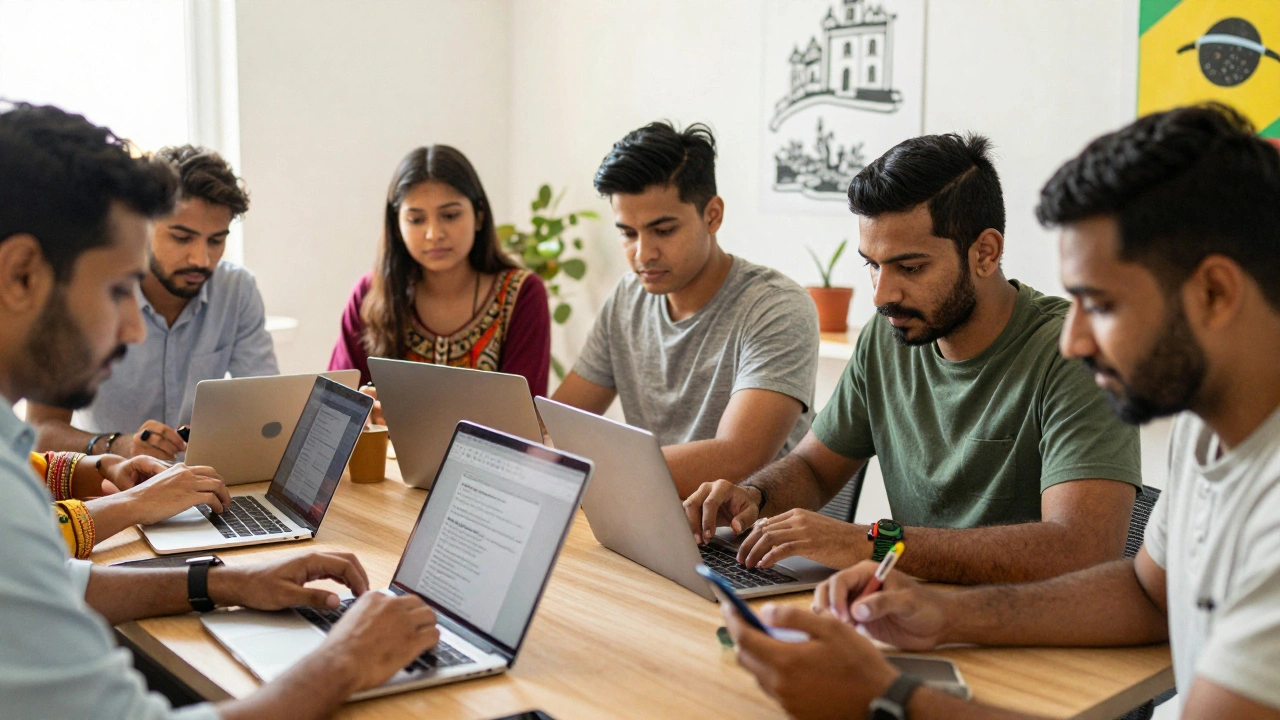
While English Wikipedia gets the most attention, only 27% of editors live in the United States. The largest group? India (12%), followed by Germany (9%), Japan (7%), and Russia (6%).
That means the English-language encyclopedia is largely shaped by non-native speakers. Many of these editors are bilingual and use Wikipedia to bridge knowledge gaps in their own countries. A student in Mumbai might edit the article on “climate change” because she can’t find reliable Hindi sources. A teacher in Berlin adds details about EU regulations because local textbooks are outdated.
But the language barrier is real. Non-English speakers are far less likely to join community discussions, attend virtual meetups, or run for administrative roles. The result? A global contributor base with very little global leadership.
Education and income: Wikipedia editors are more privileged than you think
73% of editors have at least a bachelor’s degree. That’s nearly triple the global average. Over half (56%) earn above the median income in their country. Many work in tech, education, or public service.
This isn’t accidental. Editing Wikipedia well requires time, internet access, and confidence in your own knowledge. People working two jobs, caring for children, or dealing with unreliable internet don’t have the bandwidth to argue over citation styles on Wikipedia talk pages.
It’s not that poor or less-educated people don’t know things - they do. But the system isn’t built for them. The tools are designed for people who already feel comfortable in academic spaces. That’s a structural problem, not a talent gap.
Wikipedia’s global south is underrepresented - even when they’re editing
Editors from Africa, Latin America, and Southeast Asia make up only 10% of the total. That’s shocking when you consider that over 60% of the world’s population lives in those regions.
Why? Infrastructure. Many editors in Nigeria, Indonesia, or Peru use mobile phones with limited data. Wikipedia’s editing interface isn’t optimized for low-bandwidth environments. Complex templates, image uploads, and citation tools often crash on older devices.
There’s also a content gap. Articles about African history, Indigenous knowledge systems, or local music genres are often thin, outdated, or written by outsiders. One editor from Ghana told the survey team: “I spent six months adding details about traditional drumming styles. A U.S. editor reverted it, saying ‘this isn’t notable.’ Notable to whom?”
What’s being done - and what’s not working
The Wikimedia Foundation has tried to fix these issues. They’ve launched mobile editing apps, funded outreach programs in Africa and Latin America, and created mentorship networks for new editors.
But the real barriers aren’t technical. They’re cultural. The community still rewards speed over inclusion. Disputes are settled by vote, not dialogue. Power stays with those who’ve been around the longest - often older, male, Western editors.
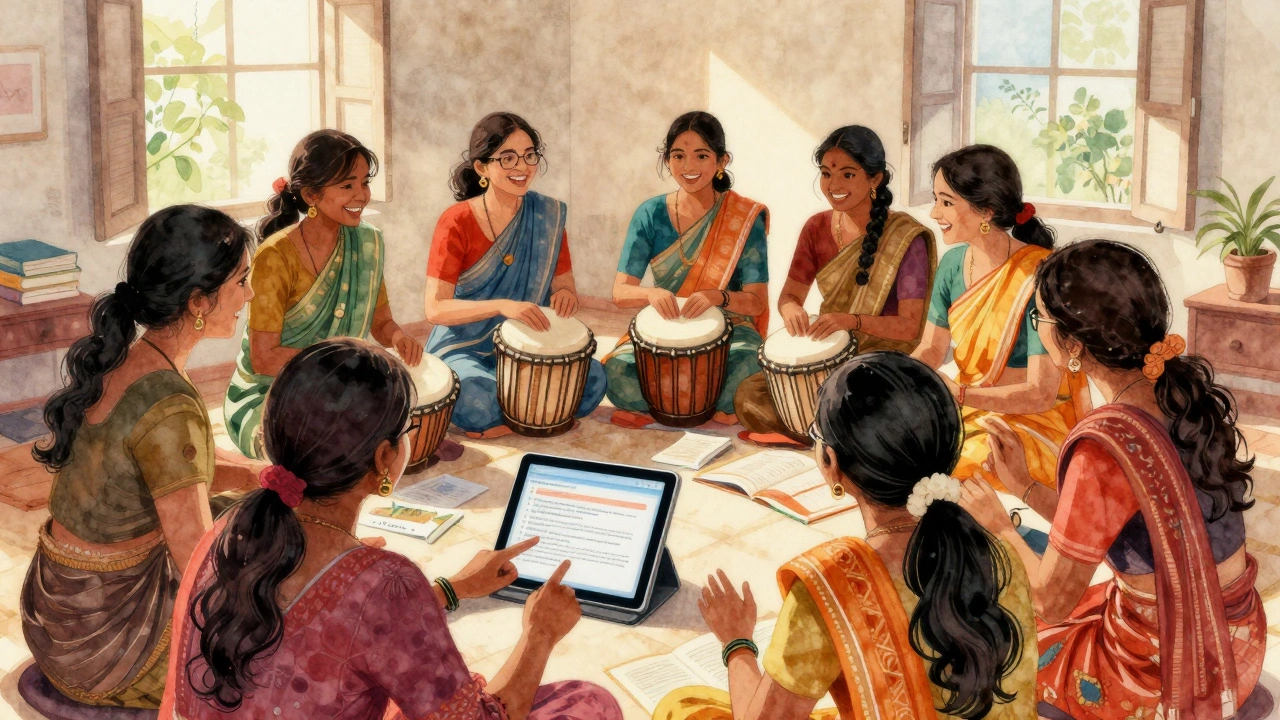
Some small groups are pushing back. In India, volunteer collectives host “edit-a-thons” for women and students. In Brazil, editors are building a parallel knowledge base in Portuguese that prioritizes local history. These efforts are grassroots, underfunded, and mostly ignored by the central organization.
Real change won’t come from better software. It’ll come from changing how the community treats each other.
The future of Wikipedia depends on who gets to edit
Wikipedia isn’t just a website. It’s a reflection of who has power to define knowledge. Right now, it’s mostly men from wealthy countries with stable internet and university degrees.
That’s changing - but slowly. If the community wants to stay relevant, it needs to stop assuming that “neutral” means “Western academic.” It needs to make space for voices that don’t speak in footnotes. It needs to stop punishing newcomers for not knowing the unwritten rules.
The 2022 survey didn’t just show who edits Wikipedia. It showed what’s broken - and who’s still trying to fix it.
What percentage of Wikipedia editors are women?
According to the 2022 Wikipedia Community Survey, only about 16% of active editors identify as women. This number has remained largely unchanged since 2011, despite multiple outreach efforts. The gap isn’t due to lack of interest - many women report feeling unwelcome due to hostile editing environments and rigid community norms.
Are most Wikipedia editors from the United States?
No. Only 27% of active Wikipedia editors live in the United States. The largest group comes from India (12%), followed by Germany (9%), Japan (7%), and Russia (6%). This means the English-language encyclopedia is shaped significantly by non-native English speakers who often edit to fill gaps in local knowledge.
Why do so many new editors quit Wikipedia?
Most new editors make fewer than five edits before leaving. Common reasons include reverted edits without explanation, condescending comments from experienced users, and confusion over complex editing rules. Many feel their contributions aren’t valued, especially if they’re not familiar with academic citation standards or Wikipedia’s informal power structures.
Do Wikipedia editors have higher education and income than average?
Yes. About 73% of Wikipedia editors hold at least a bachelor’s degree, and over half earn above the median income in their country. This reflects the barriers to participation: editing requires time, stable internet, and confidence in one’s knowledge - privileges not equally distributed globally.
Is Wikipedia becoming more diverse?
Slowly, but not fast enough. While editor numbers are growing in India, Brazil, and parts of Africa, leadership roles and policy decisions still center on Western, male, and English-speaking contributors. Grassroots groups are pushing for change - like edit-a-thons for women in India or local knowledge projects in Ghana - but they receive little support from the central Wikimedia Foundation.