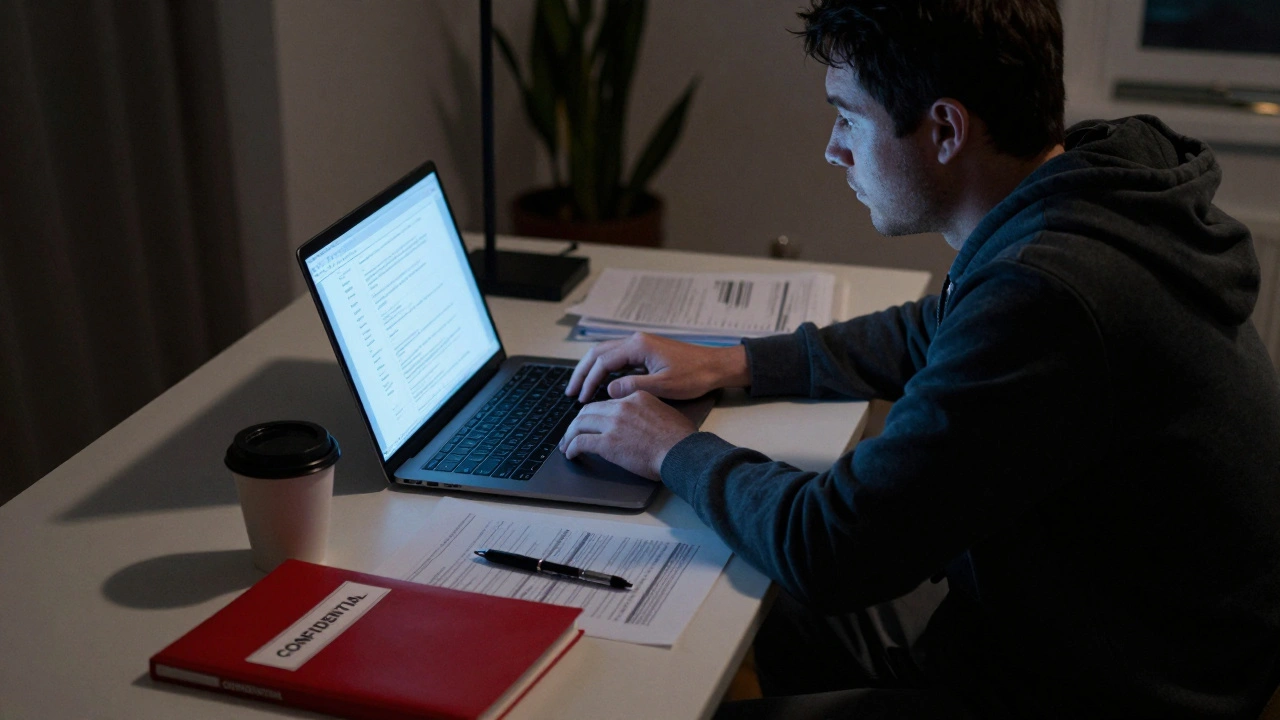
Wikinews isn’t just another news site. It doesn’t chase headlines or pay for scoops. It’s run by volunteers - reporters, editors, and researchers from all over the world - who dig into stories that mainstream media often overlooks. Since 2004, it’s published real, verified journalism without ads, without paywalls, and without corporate pressure. And some of its most powerful work comes from interviews and investigations that broke new ground.
Breaking the Silence on Corporate Whistleblowers
In 2019, a Wikinews reporter in Canada spent six months tracking down a former employee of a major pharmaceutical company. The source, who asked to remain anonymous, had documents showing internal emails where executives dismissed safety concerns about a widely prescribed drug. The reporter didn’t just publish the leak - they cross-checked it with FDA filings, interviewed three independent pharmacologists, and confirmed the timeline with court records.
The resulting article, "Internal Emails Reveal Drug Safety Oversight Failures," was picked up by three university research centers and cited in a parliamentary inquiry. Unlike traditional outlets, Wikinews didn’t edit out the source’s fear. They published the exact wording: "I knew if I spoke up, I’d lose everything. But I couldn’t stay quiet knowing people were getting sick."
The Refugee Camp Audio Logs
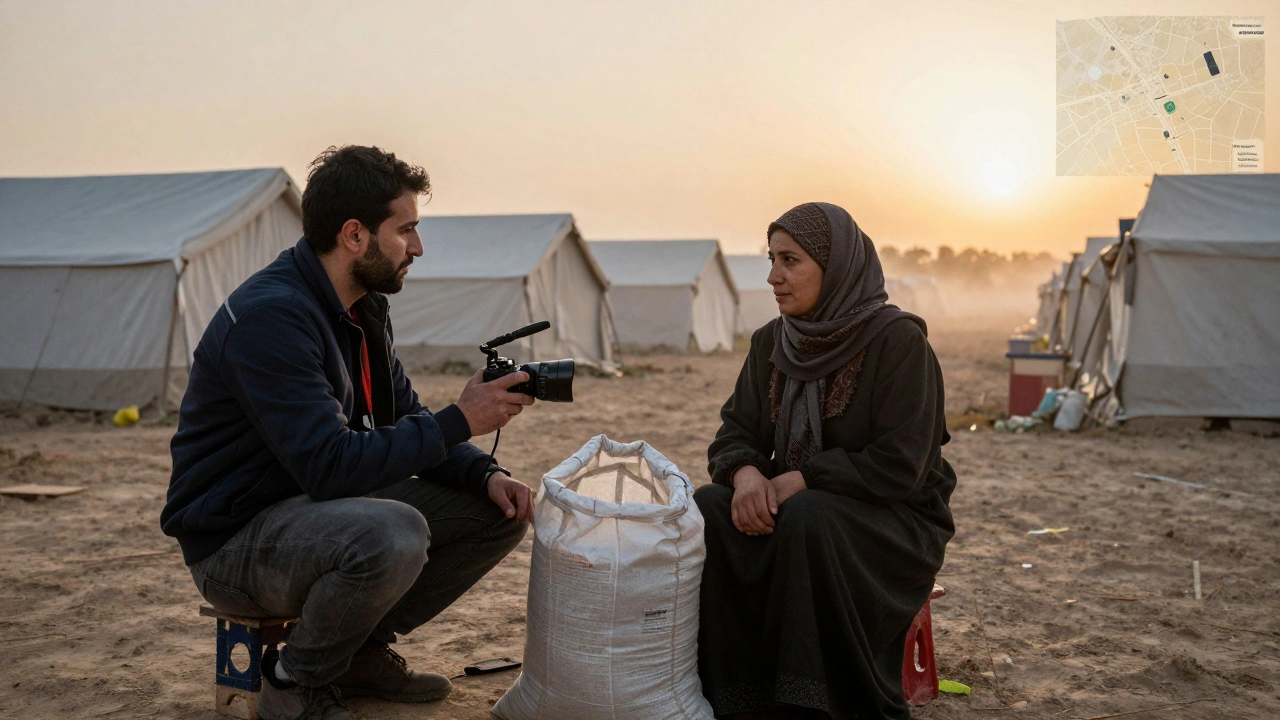
In 2021, a volunteer journalist in Jordan recorded hours of audio inside a Syrian refugee camp after learning that aid deliveries were being diverted. Using a low-cost digital recorder and a translator they met online, they interviewed 17 families over three weeks. Each interview was timestamped, location-tagged, and verified with satellite imagery from OpenStreetMap.
The report, "Empty Bags: How Aid Vanishes in Azraq Camp," included raw audio clips and transcripts. It showed that food rations meant for 12,000 people were being distributed to only 7,500. The story triggered an audit by the UNHCR and led to the suspension of two local contractors. What made it stand out wasn’t the scandal - it was the transparency. Every claim had a source, every quote had a time and place.
How a High School Student Exposed a Local Election Fraud
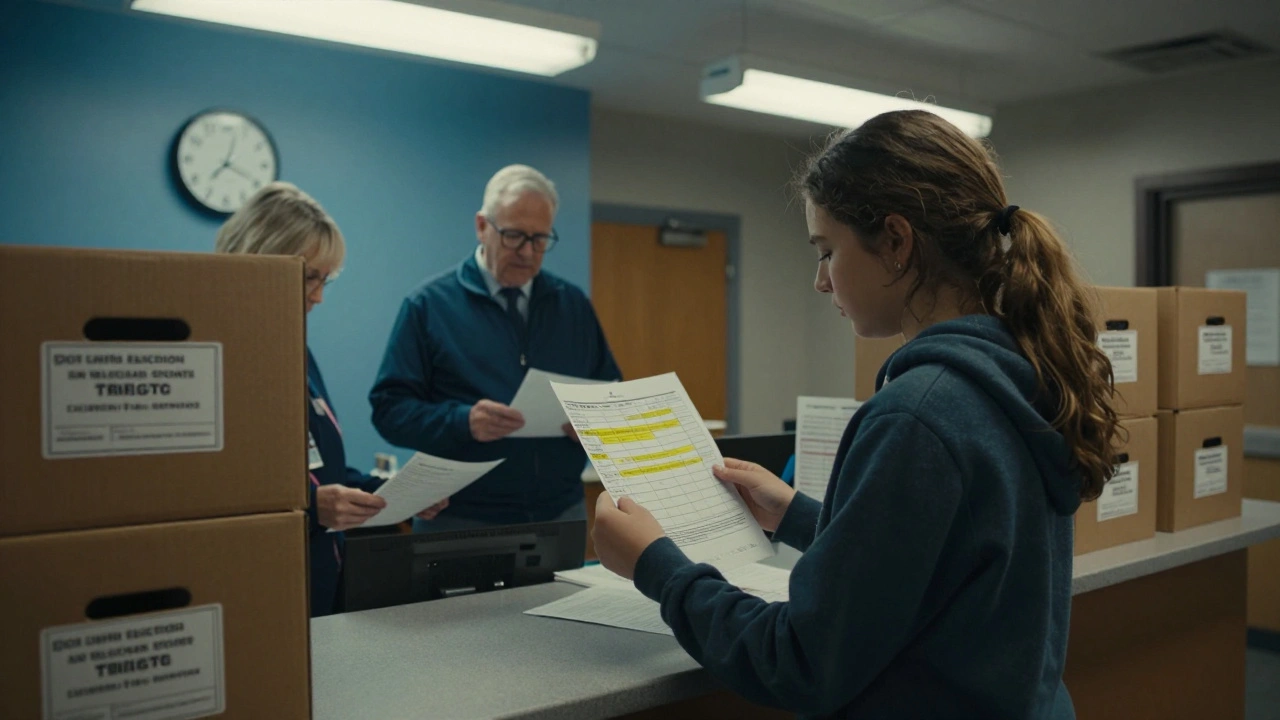
In 2022, a 16-year-old in Wisconsin noticed something odd while helping her father count absentee ballots for a city council race. The number of ballots received didn’t match the number recorded in the official log. She took photos, emailed local journalists, and got no response. So she submitted it to Wikinews.
A volunteer editor in Minnesota helped her verify the numbers, compare them with past election data, and interview two retired election officials. The report, "Ballot Discrepancies in Eau Claire: A Student’s Discovery," showed a 23% mismatch in one precinct. Within 48 hours, the county board reopened the audit. The winning candidate withdrew, and a new election was ordered. The teen’s name was published. No one tried to hide her.
The Climate Data Leak That No One Else Would Run
In 2023, an anonymous source sent Wikinews a folder of internal emails from a state energy department. The files showed officials had knowingly suppressed climate impact studies before approving a new pipeline. The data was massive - 14 gigabytes of spreadsheets, meeting notes, and redacted drafts.
Five Wikinews reporters from three countries worked on it for nine weeks. They used open-source tools to extract data from corrupted files, matched timestamps with public hearings, and contacted scientists who had been asked to sign off on false conclusions. One scientist, Dr. Elena Ruiz, finally agreed to speak: "They didn’t ask me to lie. They asked me to be quiet. I thought I was helping. I was wrong."
The story, "Suppressed Science: How State Agencies Quietly Kill Climate Reports," became one of Wikinews’s most-read pieces that year. It wasn’t sensational. It didn’t have a flashy headline. But it changed policy. The state’s environmental review board was restructured, and new rules required public disclosure of all suppressed data.
Why Wikinews Reports Stick
Most news outlets need traffic. They need clicks. They need to fit stories into 90-second segments. Wikinews doesn’t. Its reporters write for depth, not speed. They don’t have editors pushing for "more emotion" or "a stronger lead." They have a simple rule: if you can’t prove it, don’t publish it.
That’s why their interviews feel different. You don’t get soundbites. You get context. You get the hesitation in a source’s voice, the pause before they say something risky, the documents they’re afraid to hand over. Wikinews doesn’t edit those out. They preserve them.
And their investigations? They’re built like legal briefs - every claim cited, every source named, every date and location verified. No anonymous "sources close to the matter." No "according to reports." Just facts, with footnotes.
How You Can Trust What They Publish
Every Wikinews article goes through a public review process. Before publication, it’s posted on a discussion page where anyone - a student, a lawyer, a retired journalist - can challenge it. If a fact is wrong, it’s corrected. If a source is unverified, the story is pulled. There’s no behind-the-scenes editing team. Everything happens in the open.
That’s why you’ll see notes like: "This quote was confirmed by two independent witnesses. Audio recording available on request." Or: "The spreadsheet was cross-checked with the public registry on March 14, 2023. File ID: 2023-03-14-ER-7821."
It’s not glamorous. But it’s honest.
The Quiet Power of Citizen Journalism
Most of Wikinews’s top stories come from people who aren’t professional reporters. A nurse in Brazil. A retired engineer in South Korea. A college student in Nigeria. They see something wrong. They dig. They reach out. And Wikinews gives them the tools to make it matter.
There’s no press pass needed. No media credential required. Just curiosity, persistence, and a commitment to truth. And that’s what makes these stories different from anything you’ll find on a corporate news site.
They don’t need to go viral. They just need to be right.
What Happens After the Story Runs
When a mainstream outlet breaks a story, the conversation ends when the headlines fade. With Wikinews, the story often keeps going.
After the refugee aid report, readers uploaded new evidence from other camps. The original reporter updated the article weekly for six months. A law student in Germany used it in a thesis. A podcast in Sweden did a two-part series based on the audio logs.
That’s the real power of Wikinews. It doesn’t just report the news. It builds a living archive - one that anyone can add to, question, or expand.
Why This Matters Now
In 2026, trust in media is at a historic low. People don’t just doubt the news - they doubt whether truth is still findable. Wikinews proves it is.
You don’t need a big budget. You don’t need a newsroom. You just need to ask questions, find documents, and refuse to accept silence. And if you do that, Wikinews will help you make sure the world hears it.
Is Wikinews a reliable source for research?
Yes. Every Wikinews article must be backed by verifiable sources - documents, recordings, public records, or named witnesses. Unlike many news sites, they don’t allow anonymous sources unless the information is independently confirmed. Their review process is public, and all edits are tracked. Many universities and researchers cite Wikinews in academic work because of its transparency.
Can anyone write for Wikinews?
Yes. Wikinews is open to anyone with a verified account and a commitment to neutral, fact-based reporting. You don’t need journalism experience. You do need to follow their guidelines: cite every claim, avoid opinion, and participate in public reviews. Many top contributors started as readers who noticed something wrong and decided to act.
How is Wikinews different from Wikipedia?
Wikipedia writes summaries of events after they happen. Wikinews reports on events as they unfold. Wikipedia is an encyclopedia. Wikinews is a newsroom. You won’t find breaking interviews or live investigations on Wikipedia. You won’t find the raw, unedited context of a whistleblower’s statement on Wikinews - because that’s the point.
Are Wikinews stories peer-reviewed?
Not in the academic sense, but they’re reviewed publicly by the community before publication. Anyone can comment, challenge facts, or suggest sources. If a story is flagged, it’s held until the concerns are addressed. This open peer review often catches errors that traditional editors miss.
Do Wikinews reporters get paid?
No. All contributors are volunteers. Wikinews is funded by donations to the Wikimedia Foundation, the same group that supports Wikipedia. Reporters don’t receive salaries, but they do get access to training, editorial support, and a global network of fact-checkers. Their reward is seeing their work lead to real change - like policy updates, audits, or public apologies.