The Wikimedia Foundation doesn’t make headlines for profits or product launches. It makes them when the world’s largest free encyclopedia changes how we know things - and when someone tries to stop it.
2005: The First Big Statement on Editorial Integrity
In January 2005, Wikimedia Foundation issued its first major press release addressing a growing concern: false information on Wikipedia. The article on the 2004 Indian Ocean tsunami had been edited with fabricated casualty numbers and fake quotes from world leaders. The Foundation didn’t just fix the article - it publicly confirmed that Wikipedia’s open model was vulnerable to manipulation, but also self-correcting. They published the edit history, showed how volunteers had reverted the false data within hours, and emphasized that the system worked because real people cared enough to fix it.
This wasn’t a defensive move. It was a declaration: transparency isn’t a bug, it’s the feature. No other encyclopedia had ever done this. The Associated Press picked it up. The New York Times ran a sidebar. For the first time, a nonprofit behind a free knowledge project was using the media to explain its inner workings - not to sell, but to build trust.
2008: The Jimmy Wales Interview That Changed Everything
When Jimmy Wales gave an interview to The Guardian in 2008, he didn’t just talk about Wikipedia. He talked about the future of knowledge. The Foundation released a formal press statement alongside the interview, clarifying that Wikipedia was not a democracy - it was a meritocracy built on consensus, evidence, and community norms. They explicitly rejected the idea that "majority rules" in content decisions.
That statement came after a high-profile dispute over the article on climate change. A group of industry-funded editors had flooded the page with misleading sources. The Foundation didn’t ban anyone. Instead, they published the full discussion logs, showed how editors from 17 countries reviewed the evidence, and confirmed the final version reflected peer-reviewed science. The press release included a quote from a volunteer editor in Nairobi who had added data from African climate studies. That was the point: knowledge isn’t owned by institutions. It’s built by people.
2011: The Fight Against SOPA and the Birth of the Digital Protest
In December 2011, the Wikimedia Foundation released a press statement that stunned the tech world. They announced they would blackout Wikipedia for 24 hours in protest of the Stop Online Piracy Act (SOPA). This wasn’t just a policy stance - it was a direct challenge to corporate lobbying and government overreach.
The press release didn’t use emotional language. It laid out facts: SOPA would force platforms like Wikipedia to police every edit for potential copyright violations, effectively making every volunteer editor legally liable. The Foundation warned this would cripple free knowledge projects. They cited the U.S. Constitution’s First Amendment. They quoted the European Parliament’s opposition. They even included data showing that 70% of Wikipedia’s traffic came from countries outside the U.S. - meaning SOPA’s effects would be global.
The blackout went live on January 18, 2012. Over 162 million people saw the message. Google’s homepage changed. Reddit went dark. Within days, SOPA died. The press release didn’t just inform - it mobilized. It was the first time a nonprofit used its platform to trigger a mass digital protest, and it worked.
2015: The Right to Be Forgotten and the Global Knowledge Conflict
In May 2015, the European Court of Justice ruled that individuals could request the removal of links to personal information from Google search results. The Wikimedia Foundation responded with a press release that was calm, precise, and deeply unsettling. They stated: "Wikipedia is not a search engine. We do not remove articles because someone requests it. We remove articles only if they violate our policies - not because they are embarrassing."
The release went on to explain that Wikipedia articles are based on published, verifiable sources. If a news outlet reports on a person’s past, and that report meets Wikipedia’s notability guidelines, the article stays - even if the person wants it gone. The Foundation acknowledged the legal right to be forgotten but refused to become a tool for rewriting history.
The statement was backed by data: over 1,200 Wikipedia articles had been flagged for removal requests in the previous year. Only 12 were removed - all for privacy violations like home addresses or medical records. The rest stayed. The press release didn’t ask for sympathy. It asked for clarity: knowledge isn’t personal. It’s public.
2020: The Pandemic and the Fight Against Misinformation
When the WHO declared a global pandemic in March 2020, misinformation about cures, vaccines, and government responses exploded. Within 48 hours, the Wikimedia Foundation released a press statement announcing a $1 million emergency grant to support volunteer editors working on COVID-19 articles. They partnered with medical libraries, universities, and public health agencies to provide verified sources.
The release included specific numbers: over 1,500 new articles were created in the first month. Over 300,000 edits were made to existing pages. Editors from 127 countries contributed. The Foundation didn’t just say "we’re helping." They showed how - with citations, edit counts, and geographic breakdowns.
They also released a list of the top 10 false claims circulating online and linked to the corrected Wikipedia articles. This wasn’t marketing. It was a public service. The press release ended with a simple line: "If you want to stop misinformation, help us keep the truth up to date."
2023: The AI Challenge and the Defense of Human Curation
In early 2023, as generative AI tools like ChatGPT began spitting out plausible-sounding but false information, the Wikimedia Foundation issued a press release that felt like a manifesto. They announced they were building a new tool - Wikidata’s AI Fact-Checking Layer - to help editors detect AI-generated content being added to Wikipedia.
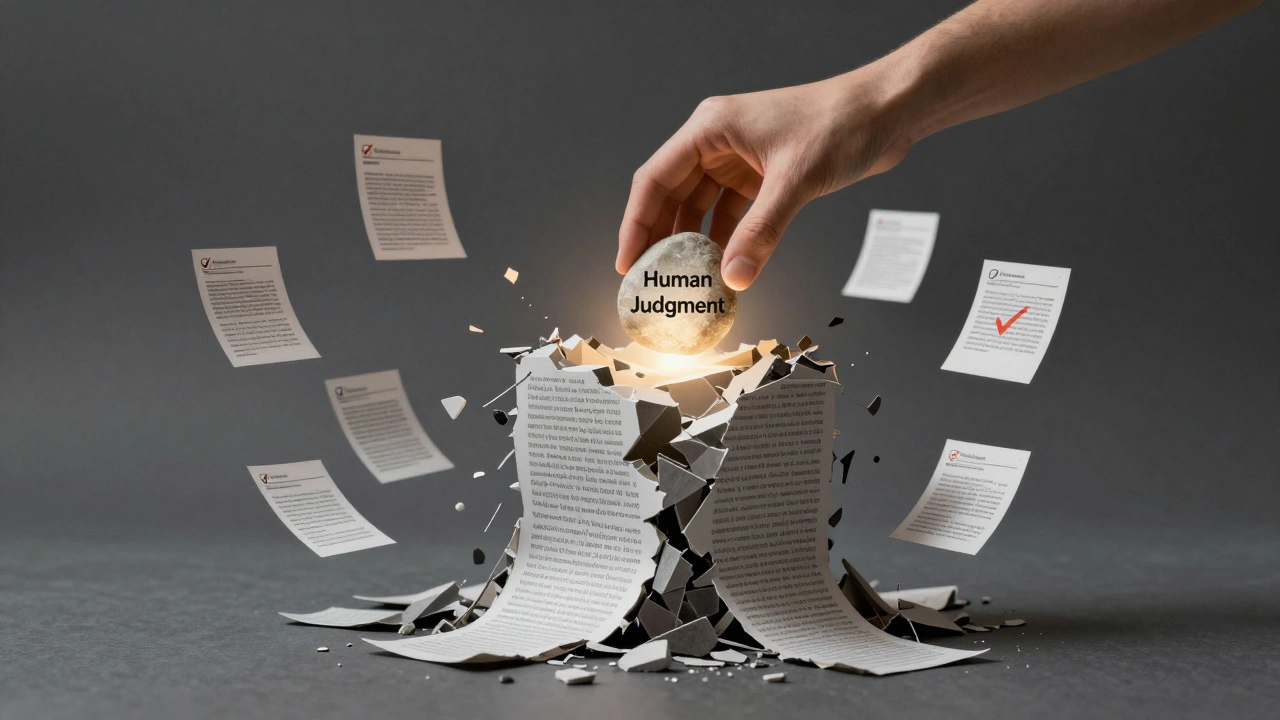
The release didn’t attack AI. It didn’t fear it. It said: "We know machines can write. But only humans can judge what matters."
They shared internal data: over 12% of new edits to high-traffic pages in 2022 contained phrasing that matched known AI patterns - vague claims, oddly structured sentences, fabricated citations. Volunteers had flagged these edits. The Foundation responded by training a machine learning model on 2 million human-edited revisions to spot AI-generated text.
The press release ended with a challenge: "If you’re using AI to write, don’t use it to replace knowledge. Use it to help build it."
What These Releases Tell Us
These aren’t just press releases. They’re milestones in the history of open knowledge. Each one shows the same pattern: a threat to truth, a quiet but firm defense, and a call for public participation.
The Wikimedia Foundation doesn’t seek fame. It seeks fidelity. Every press release is a quiet act of resistance - against censorship, against corporate control, against the idea that knowledge should be owned or hidden.
They don’t advertise. They explain. They don’t ask for donations - they ask for edits. They don’t claim to be perfect. They show you how to fix what’s broken.
That’s why, when you read these releases, you’re not reading corporate spin. You’re reading the heartbeat of a global community that still believes the truth can be built - together.
Why does the Wikimedia Foundation issue press releases at all?
The Wikimedia Foundation doesn’t issue press releases to promote itself. It does so to clarify its mission when it’s misunderstood, to defend open knowledge when it’s under threat, and to invite public participation. Each release is a transparent explanation of how Wikipedia works - especially when outside forces try to change it.
Are Wikimedia press releases official statements or just opinions?
They are official statements approved by the Foundation’s legal and communications teams. They reflect institutional positions, not individual opinions. While volunteers run Wikipedia, the Foundation speaks for the organization on legal, policy, and ethical matters - especially when laws or public policy affect the platform.
How do these press releases impact Wikipedia’s credibility?
They strengthen it. By openly addressing controversies - like misinformation, censorship, or AI interference - the Foundation shows it doesn’t hide problems. It solves them with transparency. Journalists, researchers, and educators cite these releases as proof that Wikipedia’s policies are grounded in evidence, not ideology.
Has any press release led to actual policy changes on Wikipedia?
Yes. The 2011 SOPA statement led to the creation of the Wikimedia Foundation’s Digital Rights Policy. The 2015 "right to be forgotten" response shaped how Wikipedia handles privacy-related edits. The 2023 AI release directly resulted in the development of the AI Fact-Checking Layer, now used by thousands of volunteer editors to flag synthetic content.
Can anyone access past Wikimedia press releases?
Yes. All press releases since 2003 are archived on the Wikimedia Foundation’s official website under the "Press" section. They’re available in multiple languages and include timestamps, official signatures, and links to supporting documents. They’re not just public - they’re designed to be cited in academic and journalistic work.
These press releases aren’t history. They’re a living record of how knowledge survives in the digital age - not because of power, but because people choose to protect it.