What Exactly is Off-Wiki Harassment?
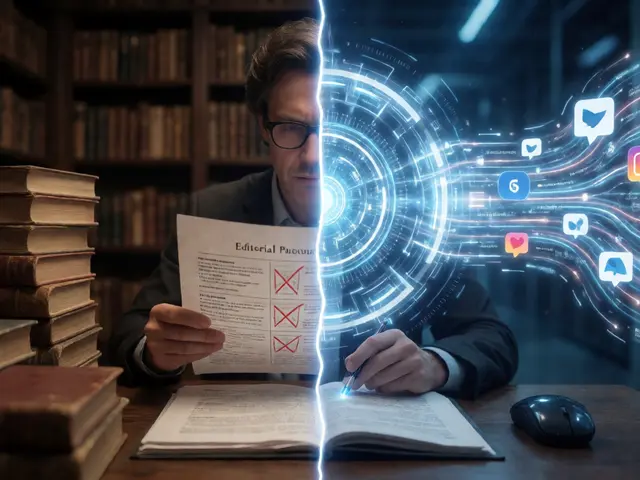
When we talk about Off-Wiki Harassment is the act of targeting Wikipedia contributors outside the boundaries of the Wikipedia platform, often involving the pursuit of their real-world identity to inflict psychological or physical harm. Unlike a typical edit war, this doesn't happen through a series of reverts or a request for mediation. Instead, it manifests as stalking, threats via email, or coordinated attacks on a person's professional life. This behavior is a severe violation of the Wikimedia Foundation's safety guidelines and, in many cases, is illegal under local laws.
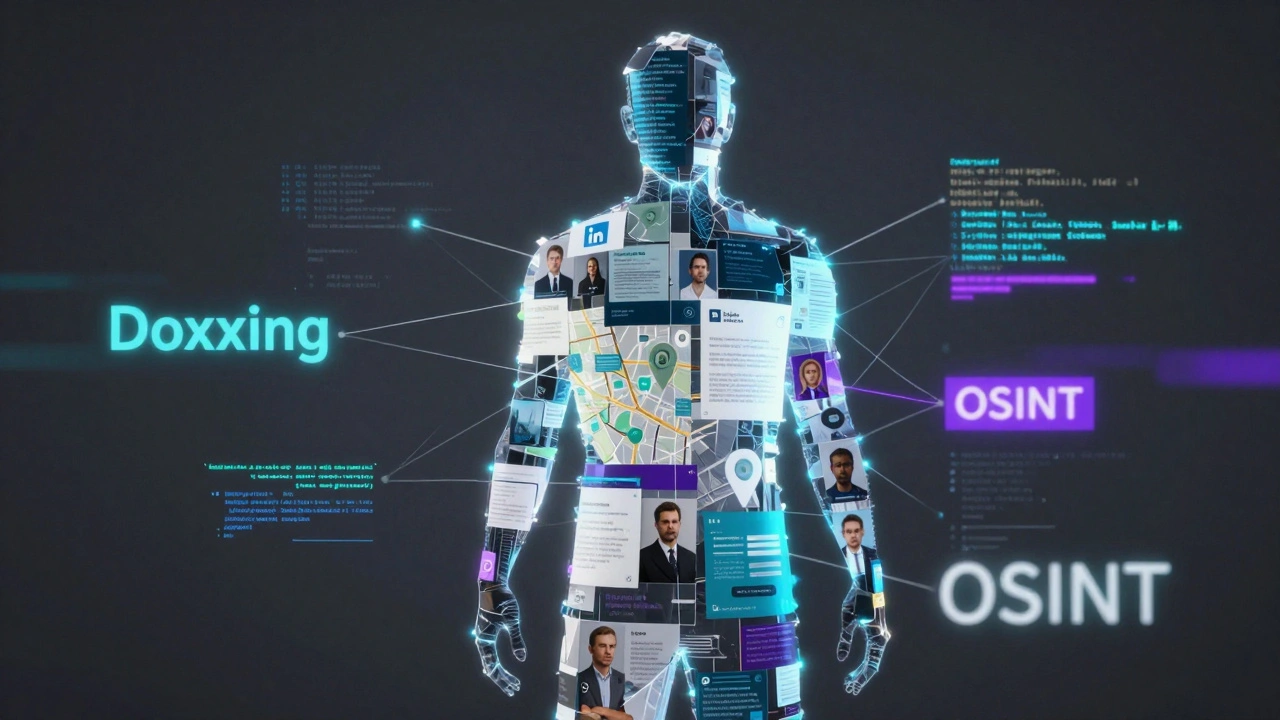
The most common catalyst is the discovery of an editor's real identity. Whether through a careless mention in a user profile or a clever search of the web, harassers use a process called Doxxing to bridge the gap between a username and a human being. Once a person is 'doxxed,' the harassment often scales from annoying messages to systemic attempts to ruin their reputation or threaten their family. Why does this happen? Because the high-stakes nature of information control means some people view an editor not as a volunteer, but as a political enemy.
| Method | Primary Goal | Real-World Risk |
|---|---|---|
| Doxxing | Identity exposure | Physical stalking, identity theft |
| Professional Sabotage | Job loss | Loss of income, career damage |
| SWATTING | Police intervention | Physical injury or death |
| Digital Stalking | Psychological pressure | Severe anxiety, PTSD |
The Mechanics of an Attack
Most off-wiki attacks follow a predictable pattern. It usually starts with a dispute over a controversial topic-perhaps a geopolitical conflict or a high-profile celebrity biography. The aggressor realizes they cannot win the argument based on the Wikipedia rules of evidence, so they switch tactics. They stop fighting the argument and start fighting the person.
Harassers often use OSINT (Open Source Intelligence) techniques. They might look for a username that the editor uses on other platforms, like X or Reddit. If an editor uses the same handle for a decade, a simple Google search can reveal a LinkedIn profile or a personal blog. From there, it's easy to find a current city, a workplace, and a a list of professional contacts. Once this data is collected, the attacker may create a "hit list" or a public thread encouraging others to join in the harassment.
A particularly dangerous trend involves the use of Social Engineering. An attacker might call an editor's employer, pretending to be a concerned citizen or a legal representative, claiming the employee is engaging in "defamation" or "unethical behavior" on the internet. Because many companies have strict social media policies, the editor can find themselves in a HR meeting before they've even noticed the harassment started.
Protecting Your Digital Footprint
The best way to survive as a high-profile editor is to build a wall between your online persona and your private life. If you are editing sensitive topics, you cannot afford to be an open book. This means implementing a strategy of Wikipedia editor safety that prioritizes anonymity over visibility.
- Separate Your Identities: Never use your real name, birth year, or city in your username. Avoid using a handle that you use for your professional email or personal social media accounts.
- Audit Your Public Data: Use tools to see what is publicly available about you. If your home address is listed on a public records site, consider using a data removal service to scrub that information.
- Secure Your Accounts: Use a password manager and enable multi-factor authentication (MFA) on every account. Harassers often try to "brute force" their way into an editor's email to find more personal details.
- Limit Personal Disclosures: While the community thrives on collaboration, avoid sharing specific details about your job, your family, or your location in talk page discussions.
Think of your online presence like a house. You wouldn't leave your front door wide open in a crowded city; don't leave your digital door open when you're dealing with people who have a grudge. If you've already shared too much, it's not too late to start deleting or privatizing old posts and profiles.
When the Attack Happens: A Crisis Response Plan
If you realize you are being targeted off-wiki, the instinct is often to fight back or explain yourself to the attacker. This is a mistake. Harassers want a reaction; it feeds their sense of power and gives them more data to use against you. The goal should be containment and documentation.
- Document Everything: Take screenshots of every threat, every mention of your name, and every suspicious email. Save the metadata. Do not delete the evidence, even if it's upsetting, because you will need it for a police report or a legal claim.
- Cease All Communication: Block the attackers immediately. Do not engage, do not plead, and do not argue. Any response is a victory for the harasser.
- Alert the Wikimedia Foundation: While the Wikimedia Foundation cannot always stop an off-wiki attack, they can provide support, preserve logs, and in some cases, ban the accounts associated with the harassment.
- Contact Law Enforcement: If there are threats of physical violence or if you are a victim of SWATTING, call the police immediately. Provide them with the documentation you gathered.
It is also worth notifying your employer's security or HR department if you believe a professional attack is imminent. It's much better to tell them, "I am being targeted by a group of online trolls due to my volunteer work," than to have them hear it from a fake whistleblower first.
The Psychological Toll of Digital Warfare
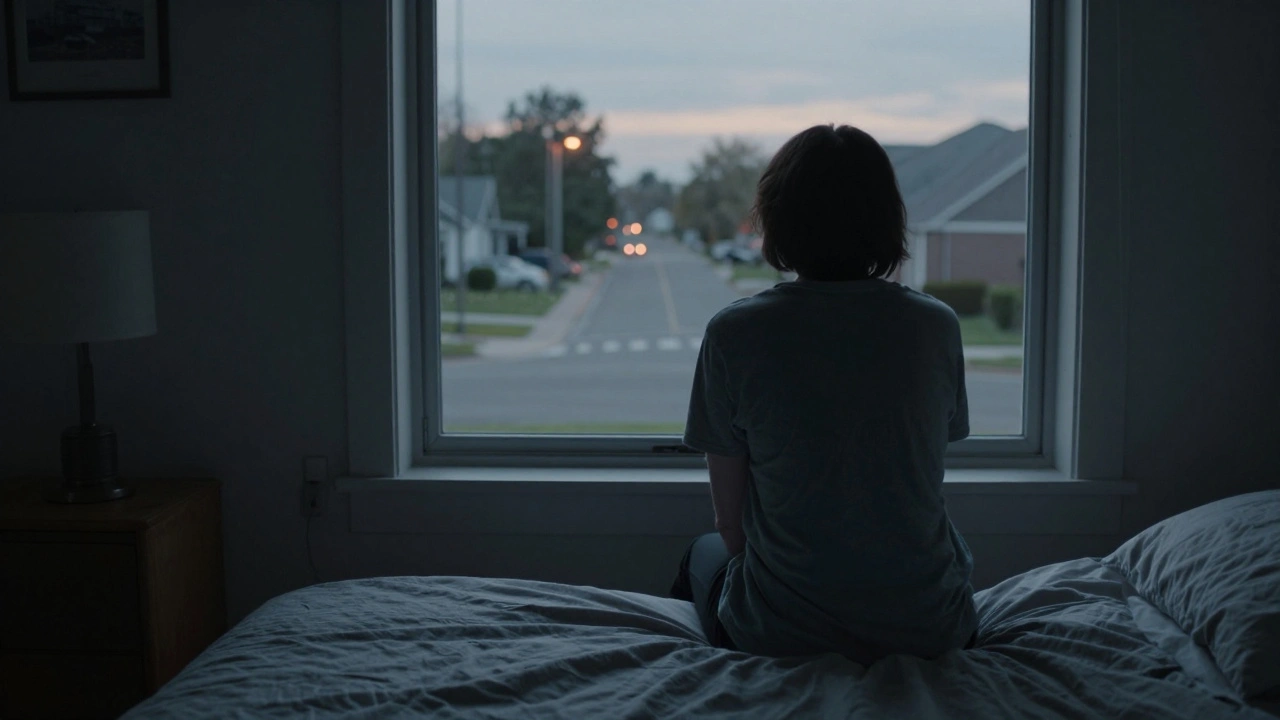
We cannot ignore the mental health impact of this kind of stress. Being targeted in your own home-the place where you should feel safest-creates a state of hyper-vigilance. Many editors suffer from insomnia, anxiety, and a profound sense of betrayal. They spent years helping a project for the common good, only to be treated like a criminal.
The "chilling effect" is a major concern for the encyclopedia's quality. When editors are scared, they stop editing controversial but important topics. They avoid politics, religion, and current events to protect their families. This allows misinformation to persist because the people with the expertise and the will to correct it have been bullied into silence.
Support systems are crucial. Joining private groups of editors who have faced similar issues can help normalize the experience and provide practical advice on coping. Recognizing that the attack is about the information you provide, not who you are as a person, is the first step toward recovery.
Does Wikipedia protect its editors from off-wiki attacks?
The Wikimedia Foundation provides guidelines and can take action against users who use the platform to coordinate off-wiki harassment. However, because the harassment happens on external sites (like X or Facebook), the Foundation has no technical power to stop the messages or delete the leaked data. Their role is primarily supportive and administrative within the wiki ecosystem.
What should I do if my home address is leaked online?
First, document the leak with screenshots. Second, contact a data removal service or use the "Right to be Forgotten" requests (if you are in the EU) to get the information removed from search engines. Third, notify your local police to create a paper trail, especially if you receive threats. Finally, consider enhancing your physical home security as a precaution.
How can I tell if someone is trying to doxx me?
Warning signs include users asking oddly specific questions about your location, your job, or your real name in talk pages or DMs. Some may try to "bait" you into mentioning a local event or a specific hobby that could narrow down your identity. If a user's tone shifts from arguing about a topic to focusing on your personal life, they are likely searching for your identity.
Is it legal to sue someone for off-wiki harassment?
Yes, depending on the jurisdiction. Harassment, stalking, and defamation are legal grounds for civil and sometimes criminal action. However, the challenge is often identifying the attacker, as they frequently use VPNs and fake accounts. Consulting a lawyer who specializes in internet law is the best way to determine if you have a viable case.
Should I stop editing if I'm being targeted?
That is a personal decision based on your risk tolerance. Some editors take a "cooling off" period of several months to let the attackers lose interest. Others continue editing using a new, completely anonymous account (though this must be done carefully to avoid being flagged for sockpuppetry). Your safety and mental health must always come before the encyclopedia.
Next Steps for High-Risk Editors
If you find yourself in the crosshairs, don't panic. Start by auditing every single social media account you own. Change your passwords and set everything to private. If you are a target of a coordinated campaign, reach out to a legal professional who understands digital harassment laws. Remember, the goal of the harasser is to make you feel small and scared; by securing your life and ignoring the noise, you take that power back.