Imagine handing in a paper that your classmates have to fact-check before you get a grade. That’s essentially what happens when students contribute to Wikipedia is a free, online encyclopedia written and maintained by a community of volunteers through open collaboration. It’s not just about typing words; it’s about surviving the scrutiny of peers who know exactly where you might cut corners. If you’re an instructor or a student navigating this assignment, you know the stakes. A poorly sourced article can vanish faster than a rumor on social media.
Why does this matter? Because peer review isn’t just a grading mechanism-it’s the core engine of Wikipedia’s reliability. When students learn to critique each other’s work using the same standards professional editors use, they stop treating citations as decorative footnotes and start seeing them as evidence. This shift changes how they approach research entirely. But without a clear framework, peer reviews often devolve into nitpicking typos or vague comments like "needs more sources." To fix that, we need best practices that turn chaotic feedback into constructive, actionable advice.
Understanding the Peer Review Workflow
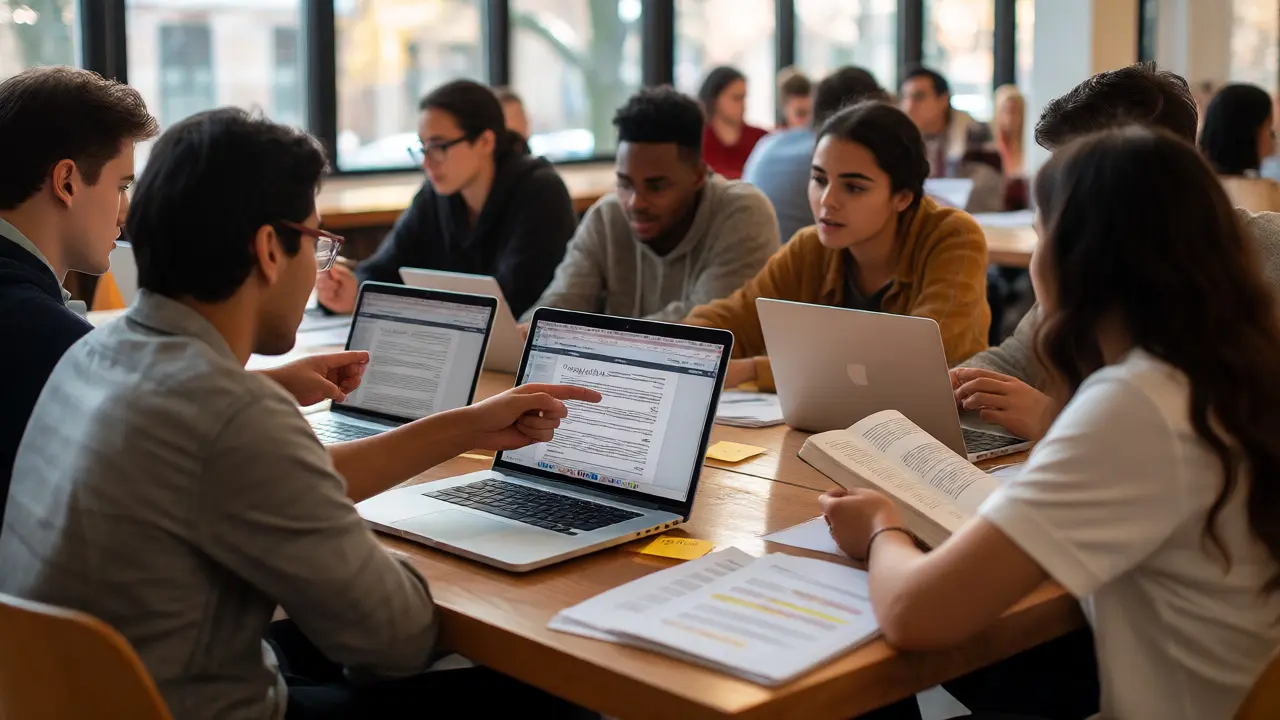
Before diving into specific techniques, let’s map out the process. In most academic settings, the workflow looks something like this: students draft an article section, submit it to a sandbox or draft space, and then assigned peers evaluate it against specific criteria. This isn’t random. The goal is to simulate the real-world editing environment where changes are reviewed before going live.
The key here is timing. Reviews should happen early enough to allow for substantial revisions but late enough that the content has substance. Waiting until the final week usually results in superficial edits. Instead, build in two rounds: one focused on structure and sourcing, and another on style and neutrality. This staged approach prevents reviewer fatigue and ensures deeper engagement with the material.
Core Criteria for Effective Evaluation
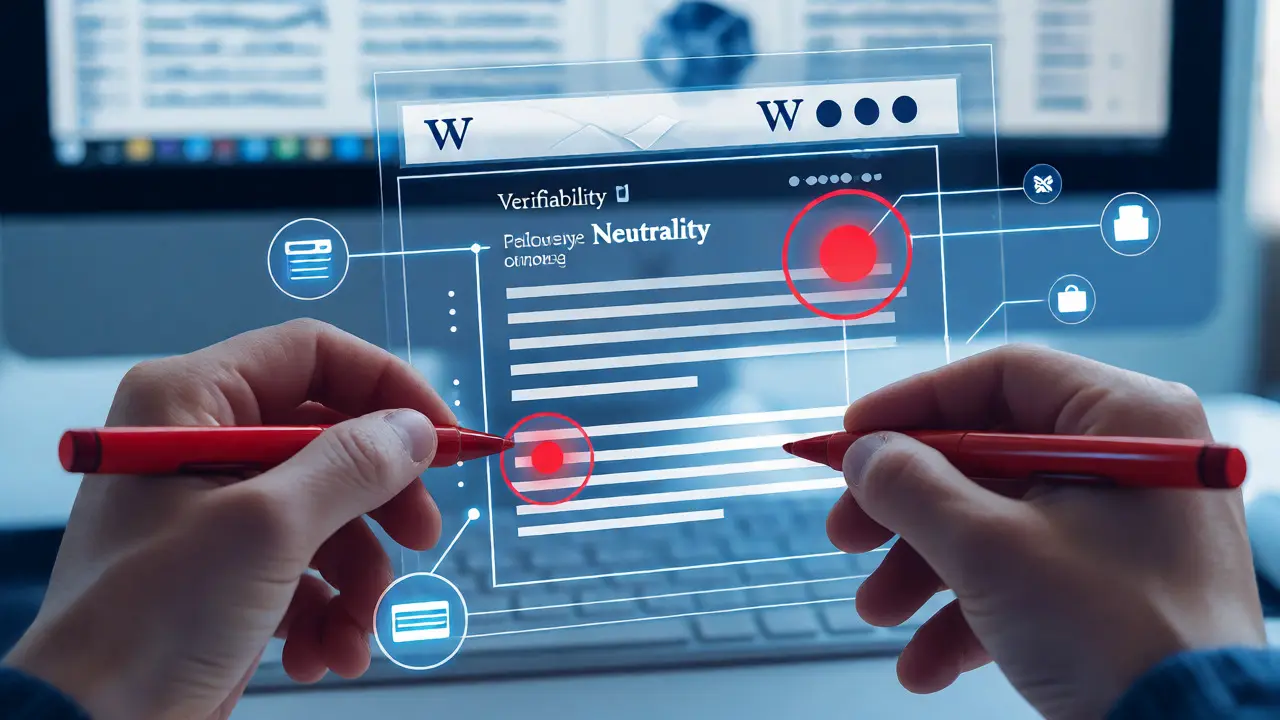
What exactly should reviewers look for? Vague instructions lead to useless feedback. Break down the evaluation into four non-negotiable pillars: verifiability, notability, neutrality, and copyright compliance. These aren’t arbitrary rules; they are the bedrock of Wikipedia’s content policy.
Verifiability is the big one. Every claim must be backed by a reliable source. Reviewers shouldn’t just check if a citation exists-they need to click it. Does the link work? Does the source actually support the statement? Too often, students cite a news article that mentions the topic in passing rather than one that provides detailed coverage. Catching this discrepancy is the primary job of the peer reviewer.
Notability asks whether the subject deserves its own article. Is there significant coverage in independent, reliable sources? If a student writes about their local high school band, a reviewer needs to ask: do major publications cover them, or is it just a press release from the school? If it’s the latter, the article might fail the notability test regardless of how well-written it is.
| Criterion | Reviewer Action | Common Pitfall |
|---|---|---|
| Verifiability | Verify all links and ensure sources directly support claims. | Citing primary sources (e.g., company websites) instead of secondary ones. |
| Neutrality | Check for promotional tone or biased language. | Using adjectives like "world-class" or "leading" without attribution. |
| Notability | Assess if independent coverage exists. | Confusing popularity with encyclopedic significance. |
| Copyright | Ensure text is original or properly attributed. | Copying phrases too closely from sources without quotation marks. |
Structuring Constructive Feedback
How you say it matters as much as what you say. Telling a classmate "this is bad" doesn’t help them improve. Specificity is king. Instead of saying "add sources," try "the claim about revenue growth in paragraph three lacks a citation; consider adding the annual report from 2024." This gives the author a clear path forward.
Use the "Sandwich Method" cautiously. While praising effort is good, over-praising can mask serious issues. A better approach is the "Observation-Impact-Suggestion" model. State what you observed (e.g., "The introduction is very long"), explain the impact (e.g., "It delays the main point and may lose reader interest"), and offer a suggestion (e.g., "Consider moving the background history to a separate section"). This keeps feedback objective and solution-oriented.
Also, encourage reviewers to comment on the talk page rather than just editing the article directly. This preserves the dialogue and allows the author to defend choices or ask questions. Direct editing without discussion can feel intrusive and discouraging, especially for novice writers.
Leveraging Tools and Templates
Manual checking is slow. Smart teams use tools to speed up the process. The Reference Toolbar is a browser extension that helps users format citations quickly, which reduces formatting errors during drafting. For reviewers, the Twinkle script offers quick templates for common issues, such as flagging uncited paragraphs or neutralizing biased language.
Templates are also great for standardizing feedback. Create a custom template for your class that includes checkboxes for the core criteria. When a reviewer fills it out, the author gets a consistent, easy-to-read summary of required changes. This reduces ambiguity and ensures everyone is held to the same standard.
Managing Group Dynamics and Conflicts
Collaboration isn’t always smooth. Students might disagree on facts or tone. How do you resolve these conflicts? Teach them to refer back to policies. If two reviewers argue about whether a source is reliable, they don’t need to debate endlessly; they need to check the Reliable Sources guideline on Wikipedia, which outlines what qualifies as credible.
Instructors play a crucial role here. Monitor talk pages for signs of friction. If a disagreement stalls progress, step in to mediate. Often, conflicts arise from misunderstanding guidelines rather than personal animosity. Clarifying the rule usually resolves the tension immediately.
Another common issue is uneven participation. Some students dominate the editing while others lurk. Assign roles within peer groups-such as "fact-checker," "style editor," and "structure critic"-to distribute workload evenly. Rotating these roles every few weeks ensures everyone develops different skills.

From Classroom to Community
The ultimate goal isn’t just a good grade; it’s creating a sustainable contribution. Once the semester ends, who maintains the article? Ideally, students leave behind articles that are stable enough for the broader Wikipedia community to adopt. Encourage them to add maintenance tags if issues remain unresolved. This signals to future editors that work is needed, keeping the article alive beyond the classroom.
Reflecting on the experience is vital. Have students write a short reflection on what surprised them about the peer review process. Did they find their own blind spots? Did they appreciate the rigor of citing properly? These insights reinforce the value of the exercise long after the grades are posted.
Frequently Asked Questions
Do I need to register a Wikipedia account for peer review?
While you can edit anonymously, registering an account is highly recommended. It allows you to track your contributions, receive notifications when someone replies to your comments, and gain trust within the community. Unregistered users are sometimes viewed with skepticism regarding their commitment to maintaining the article.
What if my peer doesn't respond to my feedback?
Give them a reasonable deadline, typically 3-5 days. If they remain silent, post a polite reminder on their user talk page. If still no response, escalate to the instructor. In some cases, you may proceed with edits based on your own judgment, noting in the edit summary that you acted due to lack of response.
Can I delete sections during peer review?
Yes, but communicate first. If a section is redundant, poorly sourced, or off-topic, suggest deletion on the talk page rather than deleting it outright. This respects the author's effort and opens a dialogue. Only delete unilaterally if the content violates copyright or is clearly vandalism.
How strict should we be about grammar?
Grammar matters, but it shouldn't overshadow content issues. Focus on clarity and readability. Minor typos can be fixed quickly, but persistent grammatical errors that obscure meaning require attention. Prioritize structural and sourcing problems over minor stylistic preferences unless those preferences affect neutrality.
What counts as a reliable source for student articles?
Generally, published books, scholarly journals, mainstream news outlets, and government reports are considered reliable. Avoid blogs, personal websites, and self-published sources unless they are widely recognized experts in the field. Always check the Wikipedia:Reliable sources guideline for specific categories.