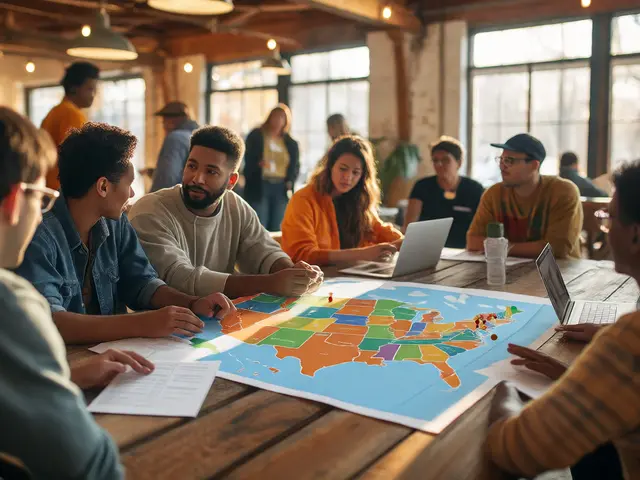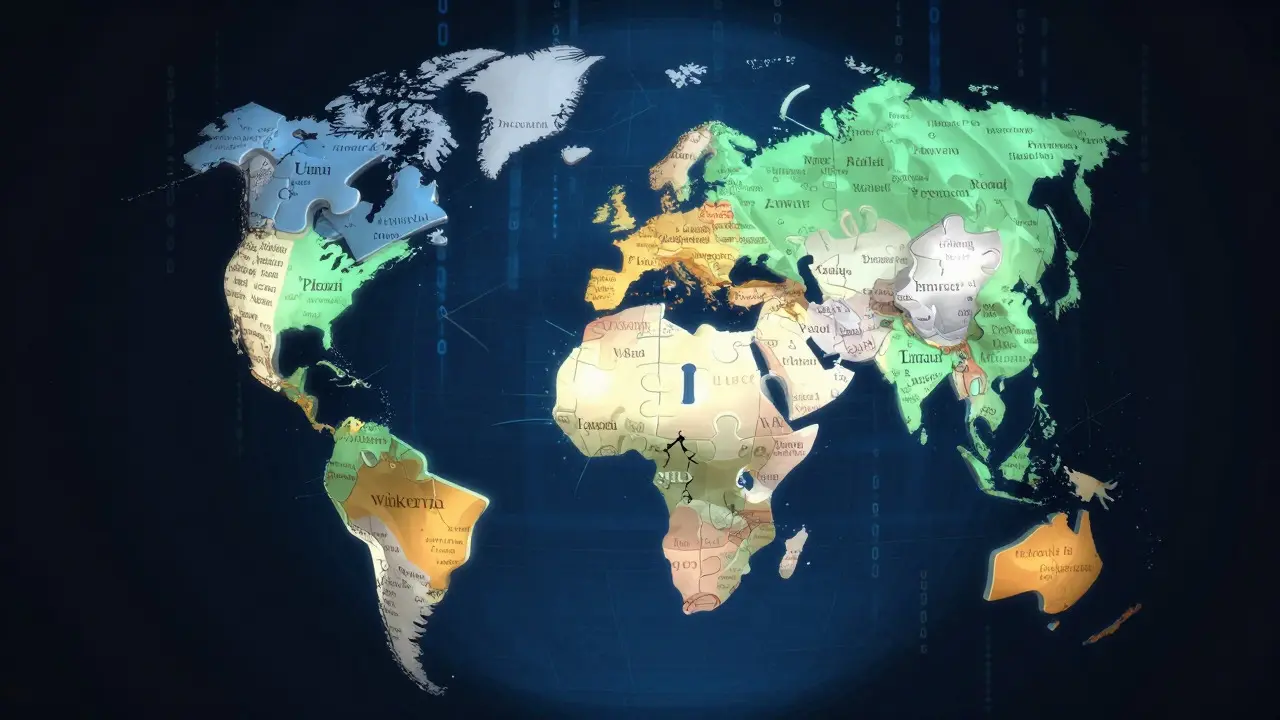
Ever tried copying a chart from the English Wikipedia into your thesis, only to get flagged for copyright infringement by a librarian? Or maybe you edited the German version of an article and noticed the image license tags looked completely different. That’s not a glitch. It’s policy divergence. While most people think of Wikipedia as one unified entity, it is actually a collection of over 300 language-specific projects, each with its own legal framework, community norms, and interpretation of copyright law.
This creates a fascinating puzzle for editors, researchers, and developers who move content between these platforms. The rules governing what you can copy (Fair Use) and how you must credit sources (BLP - Biographies of Living Persons) are not universal. They shift based on local laws, cultural attitudes toward privacy, and the specific history of each language community. Understanding these differences isn't just academic; it determines whether your edit survives or gets deleted.
The Core Conflict: One Codebase, Many Laws
At its heart, Wikipedia is a free online encyclopedia operated by the non-profit Wikimedia Foundation. The technical infrastructure is shared. The software, MediaWiki, is the same across all editions. However, the legal environment is fragmented. The English Wikipedia operates primarily under U.S. copyright law, which includes the doctrine of fair use. Most other Wikipedias, such as the German, French, or Japanese versions, operate under Civil Law jurisdictions that traditionally favor stricter copyright protection and have no direct equivalent to "fair use."
This fundamental legal split drives much of the policy divergence. In the U.S., fair use allows limited use of copyrighted material without permission for purposes like criticism, comment, news reporting, teaching, scholarship, or research. In Germany, this concept is narrower, often referred to as *Zitatrecht* (quotation right), which has very specific requirements regarding length and purpose. If an editor assumes that because they can post a short clip in the English version, they can do the same in the German version, they risk immediate deletion.
Fair Use: A US-Centric Concept
Fair Use is a legal doctrine in United States copyright law that permits limited use of copyrighted works without needing permission. On the English Wikipedia, this is a cornerstone of editorial practice. You will see thousands of images, audio clips, and video excerpts tagged with {{FairUse}} templates. These files are not freely licensed; they exist in a legal gray area that relies on the context of their use within the encyclopedia.
However, if you look at the French or Spanish Wikipedias, you’ll notice far fewer fair-use files. Why? Because their respective legal systems make it risky to host copyrighted material without explicit permission. Consequently, editors in these communities prefer using Creative Commons-licensed media or public domain materials. This leads to a visible difference in the richness of media content across editions. The English version often looks more visually dense due to its liberal use of fair-use images, while other editions may appear sparser but legally safer.
| Edition | Legal Framework | Fair Use Equivalent | Typical Image Strategy |
|---|---|---|---|
| English | U.S. Common Law | Broad Fair Use Doctrine | High volume of fair-use files |
| German | Civil Law (BGB) | Narrow Quotation Right | Strictly CC/PD or Licensed |
| French | Civil Law (Code de la Propriété Intellectuelle) | Exception pour citation | Limited exceptions, high PD usage |
| Japanese | Civil Law | Strict Licensing Focus | Minimal non-free media |
BLP Variations: Privacy vs. Public Record
If copyright is about ownership, then Biographies of Living Persons (BLP) is a set of guidelines ensuring that articles about living people are well-sourced and neutral. The goal is to prevent libel and protect privacy. But how strictly is this enforced varies wildly.
In the English Wikipedia, BLP is rigorous but pragmatic. The standard is that any negative claim about a living person needs a reliable source. If a politician makes a controversial statement, it goes in the article with a citation. The focus is on verifiability.
In contrast, the German Wikipedia (*Deutschsprachige Wikipedia*) has historically been even more cautious. Due to strong data protection laws (GDPR precursors and current GDPR compliance), there is a higher threshold for what constitutes "notable" enough to warrant a biography. A minor local official might be deemed too private for an article in Germany, whereas in the U.S., if they appeared in major newspapers, they might qualify. This results in a phenomenon where some figures have detailed entries in the English version but are missing entirely from the German version, not because they aren’t famous, but because the privacy bar is higher.

The Role of Community Norms
Laws set the floor, but community culture sets the ceiling. Editors self-police. In the English-speaking world, there is a strong tradition of "bold editing," where you make changes and let others fix them if needed. This fast-paced environment sometimes leads to temporary violations of fair use or BLP rules, which are then corrected by vigilant admins.
In many European and Asian Wikipedias, the culture is more consensus-driven before making significant changes. Editors discuss on talk pages extensively before adding contentious content. This reduces the number of quick deletions but slows down the pace of information updates. For a researcher looking for the latest news on a breaking event, the English Wikipedia might be faster, but the French or German versions might offer more nuanced, less sensationalized coverage due to these slower, more deliberate editorial processes.
Practical Implications for Editors and Researchers
So, what does this mean for you? If you are an editor moving between editions, stop assuming your home edition’s rules apply everywhere. Here are three practical takeaways:
- Check the Local Manual of Style: Every Wikipedia has a "Manual of Style" (MOS). Read the specific sections on citations and images for the language you are editing. Don’t rely on your memory from the English site.
- Respect the License Tags: When reusing content, check the file description page. A file marked "Fair Use" in English is likely "Non-Free" or illegal in other contexts. Always seek a Creative Commons alternative when possible.
- Understand Notability Thresholds: Before creating a new biography, check if the subject meets the specific notability criteria of that language edition. Just because they are notable in the U.S. doesn’t mean they meet the "significant coverage" requirement in Japan.
For developers building tools that scrape or mirror Wikipedia content, this divergence is a nightmare. Automated bots that assume uniform licensing structures often break. You need geo-fenced logic that applies different copyright filters depending on the target audience’s jurisdiction. This is why the Wikimedia Foundation pushes for standardized metadata, yet the human element of policy interpretation remains stubbornly local.
Bridging the Gap: Interwiki Links and Translation
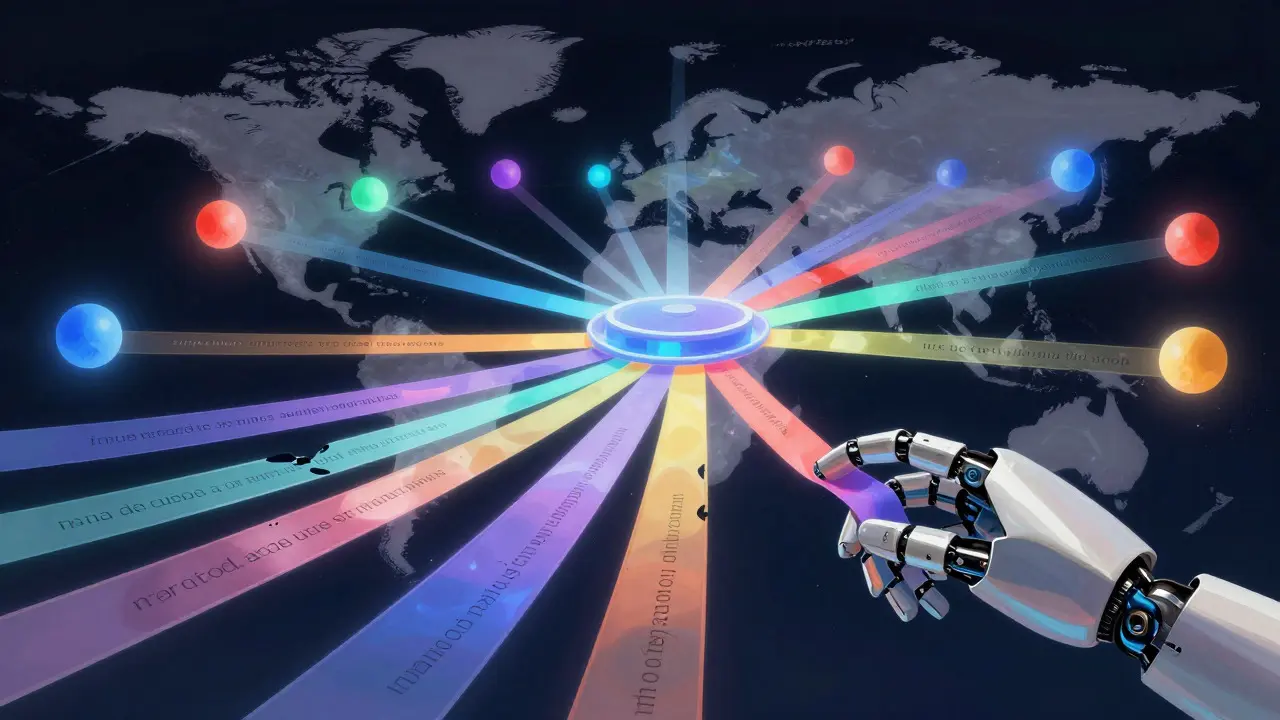
One way to navigate this complexity is through interwiki links. Instead of translating an entire article, editors link to the corresponding article in another language. This preserves the local policy integrity of each edition while providing access to broader perspectives. If you are reading the German entry for a tech CEO and want to see the American perspective, follow the interwiki link. You don’t have to merge the policies; you just consume both viewpoints side-by-side.
Translation projects also highlight these differences. When volunteers translate an article from English to Polish, they often have to strip out fair-use images because they don’t fit Polish law. The text might remain similar, but the visual identity changes. This subtle stripping of content is a constant, invisible process happening across the multilingual web.
Future Trends: AI and Standardization
As Artificial Intelligence becomes more integrated into editing workflows, we might see attempts to standardize these policies. AI models trained on English Wikipedia data tend to bias towards U.S. norms. To fix this, future tools will need multi-jurisdictional training sets. Imagine an AI assistant that warns you: "This image is fair use in the U.S., but requires a license in Canada. Would you like to find a CC-BY alternative?" Such tools could reduce friction, but they won’t eliminate the need for human judgment on edge cases.
Ultimately, policy divergence is a feature, not a bug. It reflects the real-world diversity of legal and cultural systems. By understanding these differences, you become a better global citizen of the internet, capable of navigating the complex landscape of open knowledge.
Is Fair Use recognized in all Wikipedias?
No. Fair Use is primarily a U.S. legal concept. Other Wikipedias operate under different copyright laws, such as Civil Law, which have narrower exceptions like quotation rights. Therefore, files marked as Fair Use on the English Wikipedia may not be allowed on other editions.
Why are some biographies missing from certain Wikipedias?
Notability standards vary by region. A person might be considered notable in the U.S. due to media coverage but fail to meet the stricter privacy or notability thresholds in countries like Germany or Japan. Additionally, volunteer capacity affects which topics get covered first.
Can I copy an image from English Wikipedia to my blog?
Only if the image is freely licensed (Creative Commons or Public Domain) or if your use qualifies as fair use in your country. Images marked as 'Fair Use' on Wikipedia are specifically for encyclopedic use and generally cannot be reused elsewhere without permission.
What is the difference between BLP and GDPR?
BLP is a Wikipedia-specific guideline to ensure accuracy and neutrality in biographies. GDPR is a regional regulation (EU) that protects personal data. They overlap because BLP helps comply with privacy expectations, but BLP applies globally to Wikipedia, while GDPR applies legally to EU citizens' data processing.
How do I find the equivalent article in another language?
Look for the list of flags or language names in the sidebar or top-right corner of the article page. These are interwiki links that connect the same topic across different language editions of Wikipedia.