Wikipedia doesn’t run on servers alone. It runs on people - millions of them, scattered across cities, towns, and villages, quietly editing, fact-checking, and expanding the world’s largest free encyclopedia. But behind every edit is a network: regional hubs and local communities that give editors the support, training, and connection they need to keep going. These aren’t corporate offices or paid teams. They’re grassroots groups of volunteers who meet in libraries, cafes, universities, and online chat rooms to help each other write better articles and stay motivated.
What Are Regional Hubs?
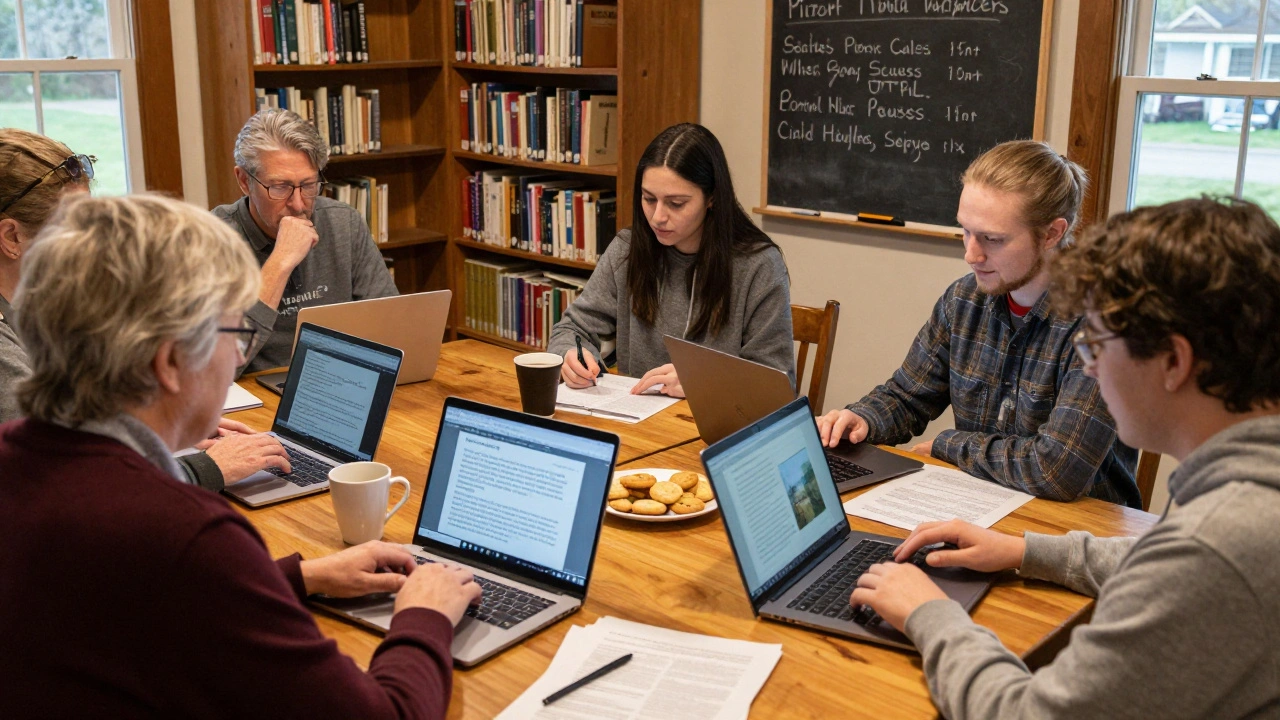
A regional hub is a physical or virtual center where Wikipedia editors in a specific area gather to collaborate. These aren’t official Wikipedia offices - they’re often run by local Wikimedia chapters or independent volunteer collectives. In countries like Germany, Brazil, and India, hubs are well-established. In others, they’re just starting out. A hub might be a monthly meetup at a public library, a weekly Zoom call for editors in a rural province, or a university club that trains students to improve articles about local history.
What makes a hub work? It’s not about having a fancy website or big funding. It’s about consistent contact. One hub in Bogotá meets every second Saturday. They bring laptops, share Wi-Fi passwords, and spend the afternoon fixing broken citations on articles about Colombian biodiversity. Another in Manila hosts editing workshops in public libraries, helping elderly volunteers learn how to add photos of local temples to Wikipedia. These aren’t grand events. They’re small, quiet, and deeply effective.
How Local Communities Keep Editors Going
Editing Wikipedia alone can be lonely. You spend hours researching a topic, only to have your edit reverted with no explanation. Or you write a detailed article on a small-town festival, and no one notices. That’s where local communities step in.
Communities offer feedback, encouragement, and accountability. In Oaxaca, Mexico, a group of 12 editors formed a WhatsApp group called “Oaxaca Wiki Club.” Every Monday, they post one article they worked on and ask for input. Someone might fix a grammar error. Another might add a photo from their personal collection. One member, a retired schoolteacher, started writing articles about indigenous languages after her granddaughter asked why there weren’t any on Wikipedia. Within a year, she’d added 47 new entries.
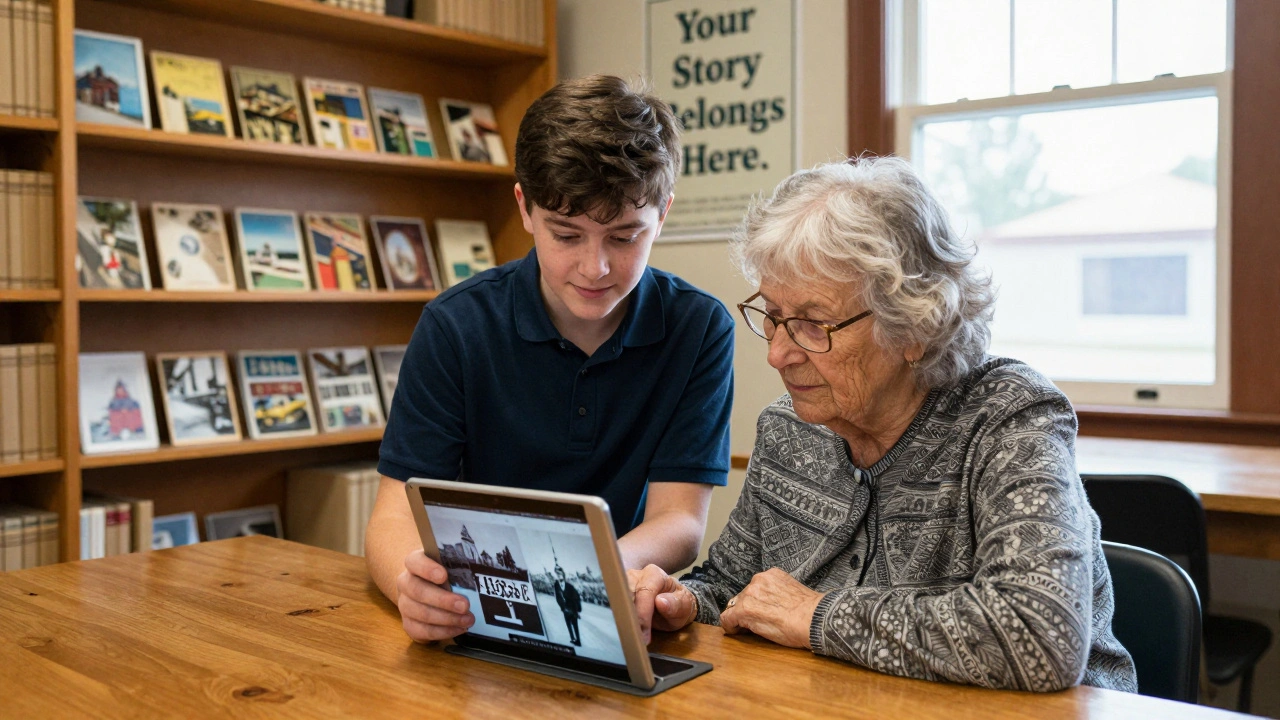
These groups also help with technical hurdles. Not everyone knows how to use templates or upload files. A local community can walk someone through it - in person, in their native language, without jargon. In rural Nepal, a group of high school students started teaching their parents how to edit Wikipedia. They used printed guides with simple icons because many didn’t have smartphones. Now, articles about local farming practices have improved dramatically.
Why Geography Matters
Wikipedia’s content is uneven. Articles about cities like London or Tokyo are packed with detail. Articles about smaller towns? Often empty or outdated. That’s not because people don’t care - it’s because they don’t have the tools or support to get started.
Regional hubs solve this by focusing on local knowledge. A hub in Mombasa, Kenya, trained 80 volunteers to write about coastal ecosystems. They partnered with local fishermen and marine biologists to add accurate data on coral reefs. The result? The article on Mombasa Marine National Park went from 3 paragraphs to 12 pages, with 87 references and 43 photos - all from local contributors.
Same in the U.S. A hub in rural Wisconsin helped editors write about Amish communities, local geology, and forgotten Civil War battles. Before the hub, those articles were thin, outdated, or written by outsiders with little context. Now, they’re among the most cited in the state’s Wikipedia category.
Tools and Resources Hubs Provide
Most hubs don’t have budgets, but they’re resourceful. They share what works:
- Training kits: Simple PDF guides on how to cite sources, avoid plagiarism, and use Wikipedia’s editing tools.
- Photo drives: Local photographers donate images of landmarks, festivals, and everyday life. Many editors don’t know how to upload them - hubs teach them.
- Content gaps lists: Each hub maintains a list of missing articles in their region. For example, a hub in Puerto Rico tracks articles about Afro-Puerto Rican history that need expansion.
- Peer review circles: Editors swap articles to review. No pressure. Just feedback. “I didn’t know this was wrong until Maria showed me,” one editor in Santiago said.
Some hubs even partner with local libraries or museums to access archives. In Estonia, the Tallinn hub got access to digitized 19th-century land records. Editors used them to build detailed articles on village histories - something no international editor could have done.
Who Joins These Communities?
It’s not just students or tech-savvy millennials. Hubs attract a surprising mix:
- Retirees with decades of local knowledge
- High schoolers learning research skills
- Librarians who know which sources are trustworthy
- Immigrants documenting their home countries
- Indigenous elders sharing oral histories
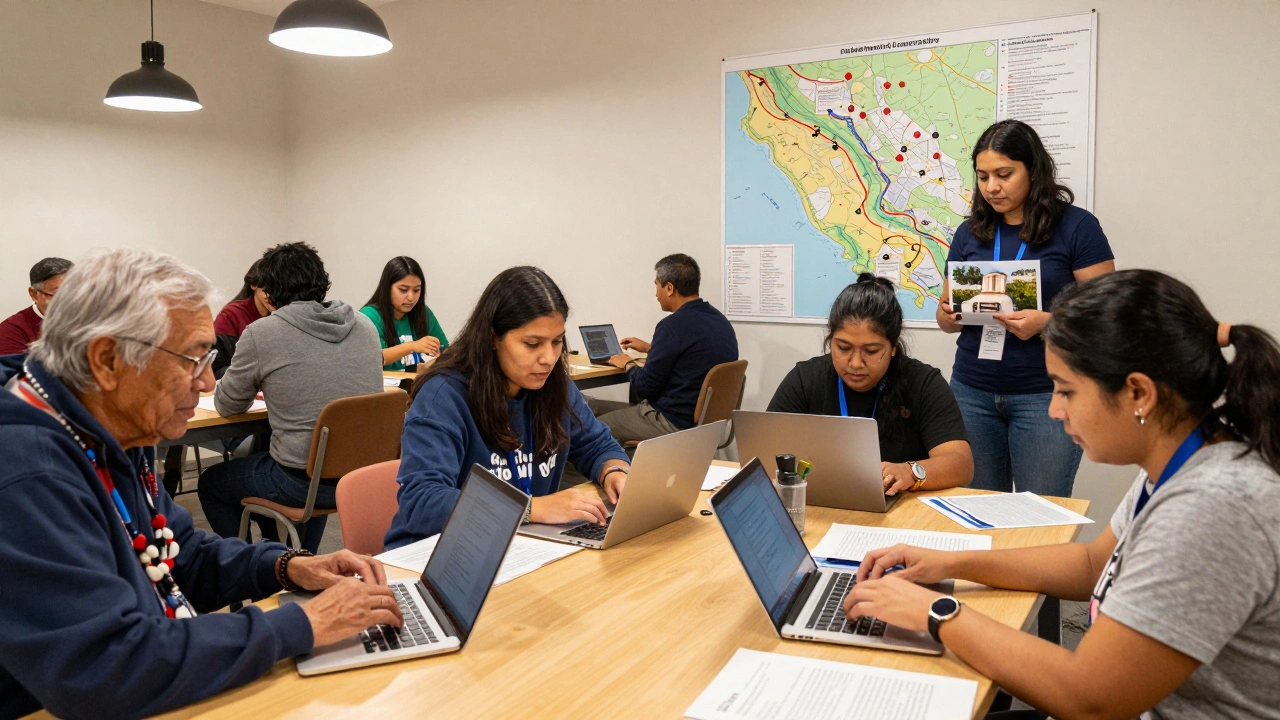
In Canada, a hub in Nunavut includes Inuit elders who record traditional place names and stories. They don’t use computers - volunteers help them type their stories into Wikipedia. Now, the article on “Igloolik” includes 14 Inuktitut terms with pronunciation guides, added by the community itself.
These aren’t “editors” in the traditional sense. They’re storytellers, historians, teachers, and neighbors. And they’re the reason Wikipedia keeps growing in places no algorithm could reach.
How to Start or Join a Local Group
If you’re interested in helping your community contribute to Wikipedia, here’s how to get started:
- Check if there’s already a Wikimedia chapter in your country. Many have lists of local groups.
- Reach out to your local library, university, or community center. Ask if anyone’s interested in editing Wikipedia.
- Start small. Meet once a month. Bring snacks. Bring laptops.
- Focus on one topic: your town’s history, local wildlife, or public art.
- Use free resources from Wikimedia Foundation the nonprofit organization that supports Wikipedia and its sister projects, providing training materials, grants, and technical infrastructure for volunteer editors worldwide. They offer downloadable guides in over 30 languages.
You don’t need to be an expert. You just need to care about your place - and want others to know about it too.
The Bigger Picture
Regional hubs and local communities aren’t just about fixing Wikipedia articles. They’re about rebuilding trust in knowledge. In a world where misinformation spreads fast, these groups show that reliable information can be built - slowly, carefully, and together.
They prove that Wikipedia isn’t just a website. It’s a network of people, connected not by algorithms, but by curiosity, local pride, and the quiet belief that someone, somewhere, needs to know what happened here - and why it matters.
Do I need to be a tech expert to join a Wikipedia editing group?
No. Most people who join these groups have never edited Wikipedia before. Hubs focus on teaching the basics: how to create an account, how to add a reference, how to upload a photo. Many groups use printed guides or in-person coaching. If you can use a smartphone or a computer to search the internet, you can learn to edit.
Can I start a group if there isn’t one in my area?
Yes. The Wikimedia Foundation encourages new groups. All you need is a small group of interested people - even just three. You can register your group on the Wikimedia website, access free training materials, and connect with other hubs for advice. Many successful groups started in basements, libraries, or living rooms.
What kind of topics do local groups usually work on?
They focus on what’s missing: local history, cultural traditions, environmental changes, small businesses, indigenous languages, and underrepresented figures. For example, a group in rural Ohio worked on articles about forgotten women inventors from their county. A group in Jakarta improved articles on street food vendors. These aren’t global topics - but they’re vital to the people who live there.
Are these groups only for young people?
No. In fact, many of the most active editors are over 60. Retirees often have deep knowledge of local history, access to old records, and time to research. In Germany, one hub has a 78-year-old editor who writes about postwar reconstruction. In Peru, a group of grandmothers added details about traditional textile patterns. Age doesn’t matter - interest does.
How do these groups handle disagreements or edit wars?
Local groups avoid edit wars by building consensus. Instead of arguing online, they meet face-to-face or over video calls to discuss changes. They use Wikipedia’s talk pages to explain their reasoning. Many hubs have trained mediators who help resolve conflicts calmly. The goal isn’t to win - it’s to build a better article together.