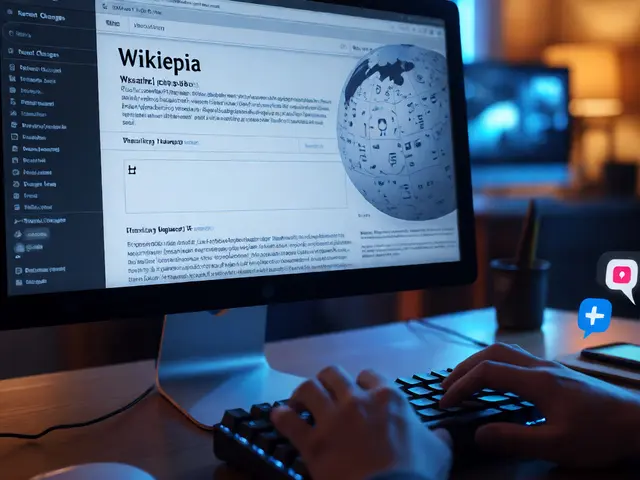
Imagine a CEO walking into a boardroom. On the screen behind them isn’t a glossy corporate brochure or a press release from last quarter. It’s their company’s Wikipedia page. The room goes quiet. In that moment, the neutral, blue-linked entry matters more than any marketing campaign they’ve ever run. This is the reality of modern reputation management. For institutions-whether universities, NGOs, or global corporations-Wikipedia has become the ultimate third-party validator. But why? And how does this shift in authority reshape the way organizations manage their public image?
The Trust Gap: Why Corporate Sites Don't Count Anymore
For decades, an institution’s website was its primary source of truth. If you wanted to know about a hospital’s history or a tech firm’s founding story, you went to their 'About Us' page. Today, that trust has eroded. Consumers and investors are savvy; they know corporate sites are curated narratives designed to sell. They look for independent verification.
This is where Third-Party Validation comes in. When a major news outlet like *The New York Times* or *Reuters* mentions an entity, it carries weight. But when those mentions are aggregated on Wikipedia, the effect is multiplicative. Wikipedia doesn’t just list facts; it synthesizes consensus. For an institution, being cited there means their existence is not just claimed by themselves, but acknowledged by the collective knowledge of the internet. It’s the difference between saying "I am important" and having a crowd say "Yes, they are."
The Mechanics of Institutional Authority on Wikipedia
How does an institution actually get cited? It’s not about buying space or editing the page directly (which is often discouraged). It’s about generating high-quality, independent coverage. This process relies heavily on Notability Standards.
Wikipedia’s core rule is simple: if reliable sources cover you significantly, you are notable. For institutions, this creates a feedback loop. A university launches a groundbreaking research initiative. Journalists write about it. That article gets cited on the university’s Wikipedia page. Now, potential students see that endorsement before they even visit the campus. The citation acts as a seal of quality that no ad budget can replicate easily.
Consider the role of Citation Density. A page with fifty references to peer-reviewed journals and major news outlets looks fundamentally different from one with ten links to local blogs. Institutions invest in public relations not just for immediate sales, but to build a library of citable events over time. Each award, partnership, or milestone becomes a brick in the foundation of their digital authority.

Platform Competition: Wikipedia vs. Corporate Portals
This dynamic highlights a fierce form of Platform Competition. Traditional media used to hold the monopoly on narrative control. Corporations fought for prime real estate in newspapers. Now, the battlefield has shifted to open-source platforms. Wikipedia competes directly with LinkedIn for professional credibility, with Crunchbase for startup validation, and with official websites for historical context.
Notice the distinction in value. While a corporate site tells you what to buy, Wikipedia tells you who you are dealing with. In B2B transactions, procurement officers often check Wikipedia first. If a vendor isn’t listed, or if their page is thin, it raises red flags. This makes Wikipedia a critical node in the supply chain of trust.
The Risk of Negative Citations
It’s not all positive. Because Wikipedia is editable by anyone, institutions face the risk of Reputational Volatility. A scandal can appear on a page within hours. Unlike a corporate website, which can take days to update or hide bad news, Wikipedia reflects reality almost instantly.
However, this volatility cuts both ways. During a crisis, a well-maintained Wikipedia page can serve as a stabilizing anchor. If the page accurately reflects the institution’s long-term achievements alongside the current issue, it provides context. It prevents the narrative from being defined solely by the negative event. Institutions now employ specialized editors or PR firms focused specifically on maintaining accuracy and neutrality on these pages, treating them with the same care as their financial reports.

Strategic Implications for Modern Institutions
So, what should an institution do? First, stop viewing Wikipedia as a marketing channel. It’s a record-keeping system. Second, prioritize Media Relations that generates durable, factual stories rather than fleeting promotional pieces. Third, monitor your page regularly. Small errors can compound over time, distorting the historical record.
Furthermore, institutions must understand that their reputation is no longer owned by them. It is co-owned by the community of editors, journalists, and readers who contribute to the platform. This shift demands transparency. If you want to be cited favorably, you have to be accurate, consistent, and significant enough to warrant attention. It’s a high bar, but for those who clear it, the return on investment in digital trust is immense.
Frequently Asked Questions
Can institutions edit their own Wikipedia pages?
Technically yes, but it is strongly discouraged. Direct edits by interested parties are often reverted if they lack neutral tone or proper citations. Instead, institutions should generate new independent sources that editors can cite naturally.
Why is Wikipedia considered more trustworthy than a corporate website?
Wikipedia requires citations from reliable, independent sources. A corporate website is self-published content without external verification. Wikipedia aggregates consensus from multiple viewpoints, reducing bias compared to a single organization's narrative.
How does platform competition affect institutional reputation?
Institutions must compete for attention across multiple platforms. While social media drives engagement, Wikipedia drives legitimacy. Failing to maintain presence on authoritative platforms like Wikipedia can make an institution seem less established or transparent to serious stakeholders.
What is the biggest risk of relying on Wikipedia for reputation?
The main risk is loss of control. Since the page is community-edited, a single persistent editor or a sudden wave of negative news can alter the narrative quickly. Institutions need active monitoring strategies to address inaccuracies promptly.
Does every institution need a Wikipedia page?
No. Notability is key. Only institutions with significant coverage in independent, reliable sources meet the criteria. Smaller local businesses may find better ROI on local directories or Google Business Profiles, while global entities benefit most from Wikipedia presence.