You spend an hour crafting a perfect article. You cite your sources, format the references, and hit "Publish." Then, within minutes, someone slaps a Speedy Deletion tag on it with a terse comment like "Not notable" or "POV." That stings. For many newcomers to Wikipedia, this isn't just a technical hiccup; it's the moment they decide whether to stay or leave forever.
The problem is real. Data from Wikimedia Foundation surveys consistently shows that while millions of people read Wikipedia daily, the number of active editors has stagnated or declined in recent years. A huge chunk of this drop-off happens in the first few edits. If we want the encyclopedia to reflect modern society, we have to fix how we treat the people trying to build it. This isn't about lowering standards-it's about teaching them properly before the hammer drops.
The First Edit Cliff
Think of a new contributor as someone walking into a busy kitchen without knowing where the plates are kept. They try to help, but they get yelled at for putting glasses in the dishwasher incorrectly. On Wikipedia, the "kitchen rules" are complex. Policies like Neutral Point of View (NPOV) and Verifiability aren't intuitive if you haven't spent years reading talk pages.
When a veteran editor reverts a new user’s edit without explanation, it feels personal. The newcomer doesn't know that Revert is often a mechanical correction, not a judgment of character. Without context, they assume they’ve been rejected by an elite club. Studies suggest that nearly half of all new accounts stop editing after their first negative interaction. It’s a silent exodus. We lose potential experts in niche fields-local historians, hobbyist botanists, tech enthusiasts-who simply can’t decipher the social code fast enough.
Why Civility Matters More Than Code
Wikipedia runs on consensus, not authority. But consensus requires communication. Many conflicts arise not because of factual errors, but because of tone. A message saying "This is wrong" lands differently than "Could you clarify why you chose this source?" The latter invites dialogue; the former shuts it down.
WikiLove and Good Faith Assumption are core principles, yet they’re often forgotten in the heat of a deletion debate. When experienced users remember that every new editor was once exactly where they are now, the dynamic shifts. It turns a transactional correction into a mentoring moment. This human element is the glue holding the community together. If the community feels hostile, the content suffers because fewer diverse voices contribute.

Mentorship Systems That Actually Work
We don’t need more bots. We need humans who care. Programs like the Teahouse provide a safe space for beginners to ask "stupid" questions without fear of immediate criticism. But waiting for a question is passive. Active outreach works better.
Consider the impact of Mentorship programs. Some local chapters assign experienced editors to guide newcomers through their first five articles. These mentors explain the *why* behind policies. They show how to use the Visual Editor versus Source Editor. They celebrate small wins. One study indicated that mentored new editors were significantly more likely to make a second edit within 30 days compared to those left to figure it out alone.
| Support Type | Newcomer Perception | Retention Outcome |
|---|---|---|
| Silent Revert | Confusion, Rejection | Low (High dropout rate) |
| Template Warning | Bureaucratic, Cold | Medium (Often ignored) |
| Personalized Comment | Helpful, Engaging | High (Encourages dialogue) |
| Active Mentorship | Supported, Valued | Very High (Long-term engagement) |
Reducing Technical Friction
Not everyone is a coder. While the Visual Editor has lowered barriers, the underlying mechanics of MediaWiki markup still trip people up. Formatting tables, adding citations correctly, and understanding categories can be overwhelming. If a user spends more time fighting the interface than researching their topic, they’ll quit.
Improving the onboarding flow is crucial. Instead of dumping a user into the deep end, guided tutorials that simulate real-world scenarios help. For example, showing how to add a citation using a simple wizard rather than explaining `` tags immediately reduces cognitive load. Tools like Twinkle help veterans manage maintenance, but we need equivalent ease-of-use tools for creators.
Diversity Is Not Just a Buzzword
If Wikipedia only reflects the knowledge of tech-savvy men in their 20s, it’s incomplete. Retaining contributors from different backgrounds-women, older adults, non-English speakers, people from the Global South-is essential for accuracy. These groups often face additional hurdles, such as language barriers or cultural differences in communication styles.
A welcoming environment must be inclusive by design. This means recognizing that directness, which some cultures value, might come off as rudeness to others. Training current editors on cross-cultural communication helps bridge these gaps. When a new editor from Brazil feels understood and respected, they bring unique perspectives that enrich the entire platform. Their absence leaves blind spots in coverage, particularly in topics related to their regions or experiences.
Actionable Steps for Existing Editors
You don’t need to become a full-time mentor to make a difference. Small changes in behavior yield big results. Here is what you can do today:
- Pause before reverting. Ask yourself: Is this destructive vandalism, or just a well-meaning mistake?
- Explain, don’t just correct. Leave a note on the user’s talk page linking to the relevant policy. Say "Welcome! I reverted this because..." instead of just leaving a template.
- Celebrate good work. If a new editor makes a solid edit, say thanks. Positive reinforcement builds confidence.
- Assume good faith. Most mistakes are honest. Treat them as learning opportunities, not crimes.
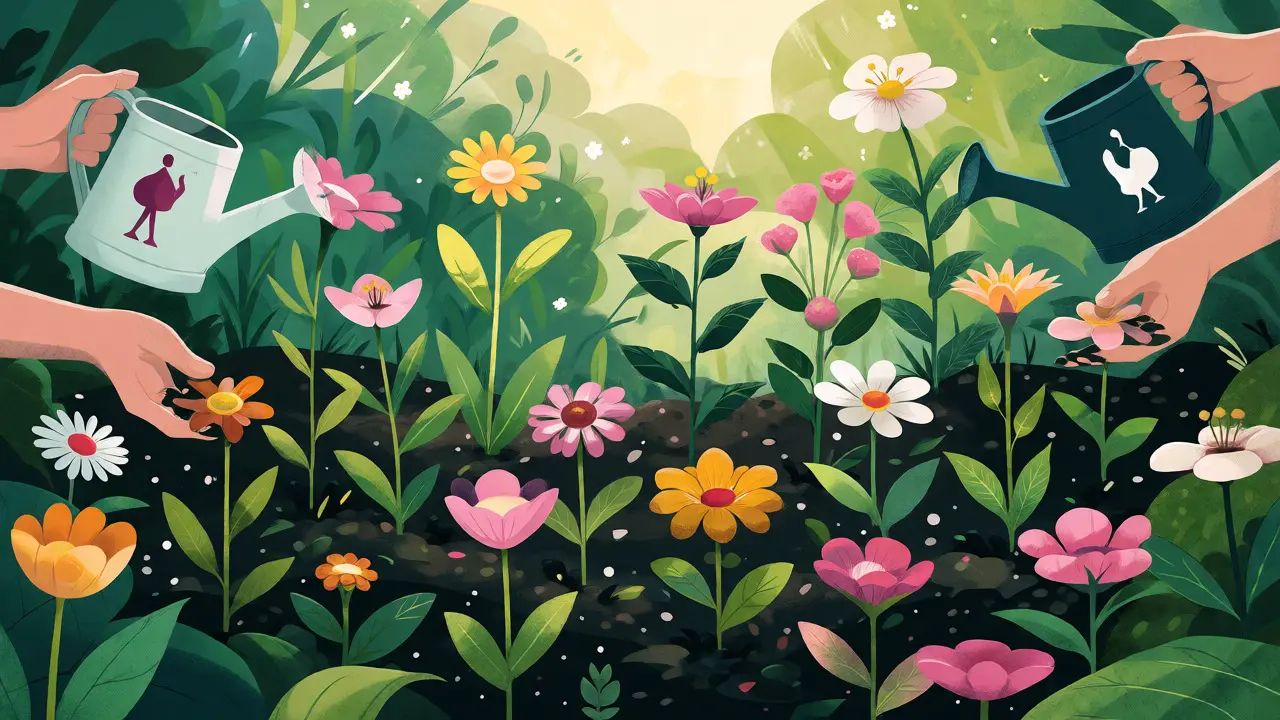
By shifting our focus from gatekeeping to gardening, we change the culture. We stop protecting the fortress and start building the town. The goal isn’t to let anything stand; it’s to help new contributors understand why certain things stand and others don’t. When they feel part of the process, they stay. And when they stay, Wikipedia gets better, one welcome message at a time.
What is the biggest reason new Wikipedia editors quit?
The primary reason is a lack of constructive feedback combined with perceived hostility. When new users receive abrupt reverts or harsh criticisms without explanation, they feel unwelcome and misunderstood. They often interpret these interactions as personal rejection rather than procedural corrections, leading them to abandon their contributions entirely.
How does the Teahouse help new contributors?
The Teahouse is a dedicated support area on Wikipedia where new editors can ask questions in a friendly, non-judgmental environment. Experienced volunteers answer queries about editing, policies, and community norms. This reduces anxiety for beginners who might fear making mistakes in public spaces, allowing them to learn at their own pace.
Does using the Visual Editor improve retention rates?
Yes, data suggests that the Visual Editor lowers the technical barrier to entry, which correlates with higher initial engagement. By mimicking word-processing software, it allows users to focus on content creation rather than syntax. However, long-term retention still depends on community support and understanding deeper editorial policies beyond just formatting.
What is 'Assume Good Faith' and why does it matter?
'Assume Good Faith' is a core Wikipedia principle stating that most editors intend to improve the project rather than harm it. Applying this mindset prevents unnecessary conflict. When veterans assume a newcomer’s error was unintentional, they respond with guidance instead of anger, fostering a collaborative atmosphere that encourages continued participation.
Are there specific programs for mentoring new editors?
Yes, various initiatives exist, including formal mentorship programs run by Wikimedia chapters and informal pairing systems. These programs match new users with experienced editors who provide personalized advice, review drafts, and offer encouragement. Such structured support significantly increases the likelihood that a new editor will remain active beyond their first month.