Most people think news gets written overnight. They see a headline on their phone, click through, and assume someone just typed it up after a quick Google search. But behind every short article from Signpost is a carefully managed workflow that takes days, sometimes weeks, to complete. It’s not just about writing-it’s about verification, collaboration, and timing. If you’ve ever wondered how a story goes from a hunch in a meeting to a published piece that reaches thousands, here’s how it actually works.
The Pitch: Where Stories Begin
It starts with a pitch. Not a polished draft, not even a full outline. Just an idea. Someone on the team-maybe a reporter, an editor, or even a data analyst-spots something odd. A pattern in public records. A rumor circulating in a local community. A press release that doesn’t add up. They write a quick one-paragraph note: "City council voted to cut funding for youth centers, but public minutes show no discussion. Why?" These pitches land in a shared digital inbox. No formal structure. No templates. Just raw curiosity. The team reviews them every Monday morning. Only about one in five gets approved. Why? Because Signpost doesn’t chase trends. They chase depth. A pitch needs to answer: Is this verifiable? Does it matter to someone beyond the reporter? Can we get sources who aren’t just repeating talking points?Research Phase: Digging Past the Surface
Once a pitch clears, the reporter gets assigned. They don’t start writing. They start digging. This phase can take anywhere from three days to three weeks. They request public records through Freedom of Information requests. They call sources who’ve been silent for years. They cross-check financial filings, court documents, and meeting transcripts. One reporter spent 17 days tracking down a single email chain that proved a city official had lied about a contract award. They don’t rely on press releases. They don’t quote anonymous sources unless absolutely necessary-and even then, they require at least two independent confirmations. Every fact is logged in a shared database. No story moves forward unless every claim has a source attached to it. That database is the backbone of Signpost’s credibility.Verification: The Gatekeeper Process
Before a single sentence is written, the story goes to the verification team. This isn’t a copy editor. This is a separate unit made up of former investigators, data journalists, and legal advisors. Their job isn’t to fix grammar. It’s to break the story. They ask: Can this be disproven? Are the sources credible? Is there any context missing? Did we miss a key perspective? One story about school funding was held back for two weeks because the verification team found a conflicting report buried in a county audit. That delay saved the publication from publishing false data. If the verification team says no, the story dies. No exceptions. Even if it’s trending on social media. Even if a major outlet is about to run something similar. Signpost doesn’t compete on speed. They compete on accuracy.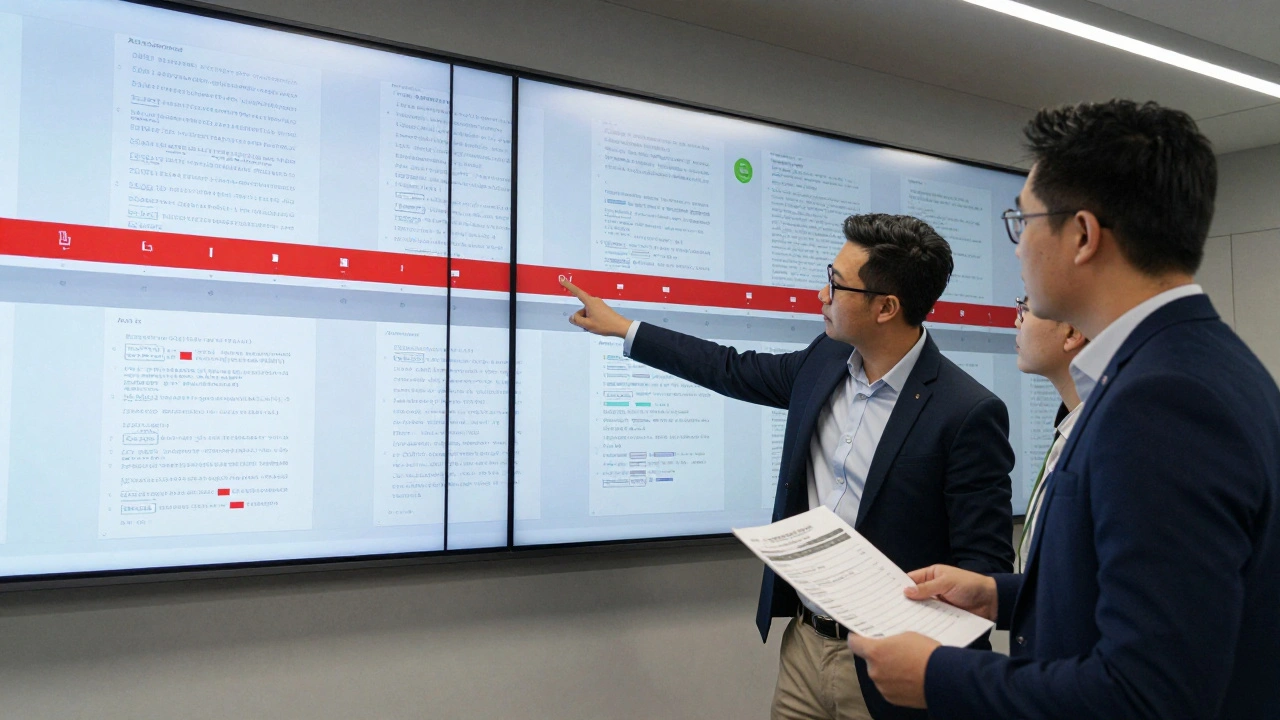
Writing: Clarity Over Cleverness
Only after verification does the reporter start writing. And they write in plain language. No jargon. No passive voice. No fluff. The goal is to make complex information understandable to someone who’s never read a policy document before. They use real names. They cite specific numbers. They explain what terms like "appropriation" or "municipal bond" mean in context. A story about tax policy might include a side note: "This means a family earning $65,000 a year pays $1,200 more than last year. Here’s why." Drafts go through three rounds of internal review. First, the editor checks structure. Then, a second editor checks tone. Finally, a third reads it aloud to test clarity. If it sounds like a lecture, it gets rewritten.Design and Distribution: Making It Stick
Signpost doesn’t just publish text. They build stories. Once the writing is locked, the design team steps in. They create interactive charts, timelines, and maps that let readers explore the data themselves. One story on housing costs included a tool where users could plug in their zip code and see how prices changed over the last decade. The story goes live at 8 a.m. on a Tuesday. Not because that’s when most people read news. But because that’s when city hall staff are in the office. Signpost times releases to maximize accountability. If a story exposes a misstep by a public official, they publish when that person is most likely to be held responsible. They also send a short, plain-text email to local community groups, schools, and nonprofits. No newsletter signups. No ads. Just the story, straight to people who need it.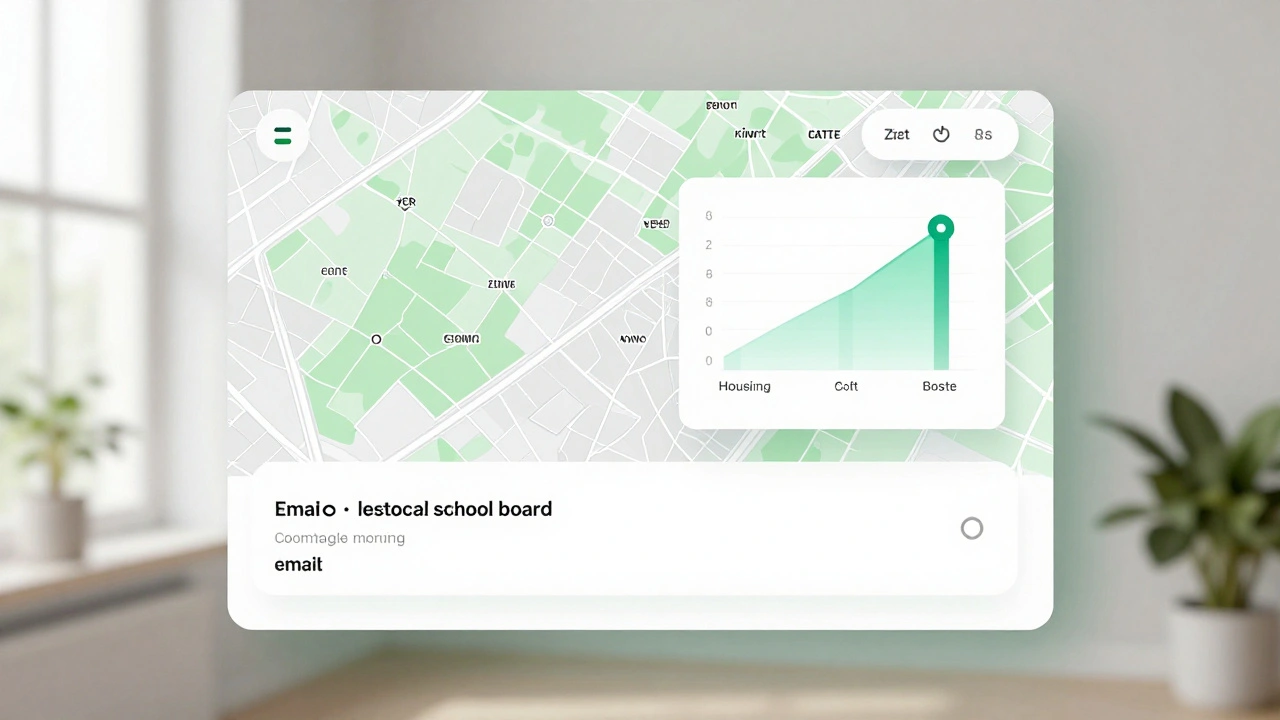
Post-Publication: Listening and Correcting
The work doesn’t end when the article goes live. For the next 72 hours, the team monitors comments, emails, and social media. If someone spots an error-even a typo-they fix it immediately and publish a public correction with a timestamp. No "update" labels. No hidden edits. Just a clear note: "We made a mistake. Here’s what was wrong and what’s right." They’ve corrected over 120 stories in the last two years. Each one is logged and reviewed. The team tracks which types of errors happen most often. Was it a misread document? A misquoted source? A rushed fact-check? They use that data to improve their process.Why This Workflow Matters
Most newsrooms prioritize speed. Signpost prioritizes trust. They don’t have millions of readers. But they have a reputation that makes people pause before they share a rumor. A local teacher once told a reporter, "I don’t trust the big news sites anymore. But when Signpost says something, I check it with my kids’ school board." That’s the goal. Not clicks. Not virality. Not headlines that shock. Just truth that lasts.How long does it take for a Signpost story to go from pitch to publication?
Most stories take between 5 and 14 days. Simple investigations might wrap up in a week. Complex ones-like those involving multiple government agencies or legal documents-can take up to a month. The timeline depends on access to records and the number of sources needed for verification.
Does Signpost accept tips from the public?
Yes. They have a secure, encrypted tip line accessible through their website. Every tip is reviewed by an editor, but only a small fraction become full stories. The key is whether the tip contains enough detail to be investigated-names, dates, locations, documents. Vague tips like "something’s wrong here" rarely move forward.
How does Signpost handle sources who want to stay anonymous?
They avoid anonymous sources whenever possible. If a source insists on anonymity, the reporter must provide at least two other independent sources that confirm the information. The verification team then reviews the anonymous claim with extra scrutiny. Less than 5% of published stories rely on anonymous sources.
What’s the biggest mistake reporters make in the early stages?
Assuming a story is true because it sounds plausible. One reporter once wrote a draft about a school district misusing funds based on a single email. The verification team found the email was forged. The lesson: plausibility isn’t proof. Documentation is.
Do they ever publish stories that are later proven wrong?
Rarely. Their verification process is designed to catch errors before publication. When mistakes do happen-usually due to newly uncovered documents or updated records-they issue a public correction within 24 hours. They’ve never had to retract a story entirely.