Imagine a world where almost every historical figure, scientific breakthrough, and political revolution is documented from a single perspective. That is essentially the state of the internet's biggest knowledge base. While we think of the web as a democratic space, the people writing the history of the world are overwhelmingly men. This isn't just a quirk of demographics; it's a systemic issue that shapes how we perceive intelligence, power, and achievement.
Key Takeaways
- The gap is driven by social barriers, technical friction, and differing perceptions of "notability."
- Women are more likely to be edited out or have their contributions reverted than men.
- Solutions require moving beyond "inviting more women" to changing the internal culture of the community.
- Content bias leads to a "missing' history" of female achievements in STEM and politics.
The Root Causes of the Imbalance
Why is the gap so persistent? It isn't because women aren't interested in knowledge. It's because the environment often feels hostile. Many new female editors report a "tone police" effect, where their edits are scrutinized more harshly than those of their male counterparts. If a man adds a detail about a war, it's "adding value"; if a woman adds a detail about a female politician, it's often labeled as "trivia" or "non-neutral."
Then there is the concept of Notability, which is the set of criteria Wikipedia uses to determine if a subject deserves a standalone page. This is where the gap gets concrete. To be "notable," a person needs reliable, third-party sources. But because history was written by men, there are fewer high-quality archives and biographies for women. This creates a circular trap: women aren't on Wikipedia because there aren't enough sources, and there aren't enough sources because they were ignored by the traditional record.
Social dynamics also play a role. The Wiki community often operates on a "debate-style" culture. This high-conflict interaction style, characterized by rigorous (and sometimes aggressive) policing of rules, can be off-putting. For many, the effort required to survive a "talk page" argument isn't worth the reward of adding a few paragraphs to a page.
| Barrier Type | Impact on Male Editors | Impact on Female Editors |
|---|---|---|
| Source Availability | Abundant archives for male figures. | Sparse documentation for female figures. |
| Community Tone | Seen as "rigorous" and "standard." | Often perceived as "aggressive" or "dismissive." |
| Technical Friction | Higher tolerance for complex markup. | Preference for intuitive, streamlined UX. |
| Edit Reversion | Lower rate of "unjustified" reverts. | Higher frequency of content being flagged as "unimportant." |
The Ripple Effect of Content Bias
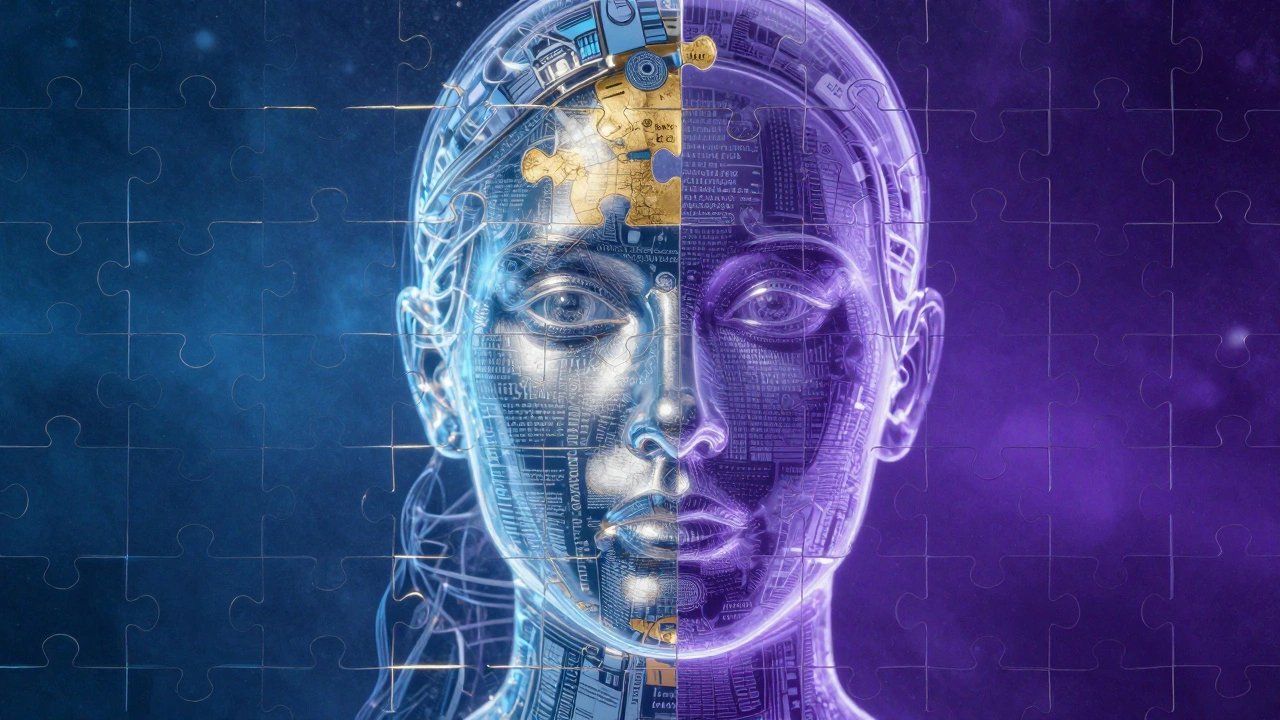
When the gender gap persists, it creates a feedback loop. If a young girl searches for "great physicists" and only sees names like Isaac Newton or Albert Einstein, she subconsciously learns that science is a male domain. This is a failure of representation that affects real-world aspirations. The gap isn't just about the number of editors; it's about the invisible women in our shared digital history.
This bias extends to the categories themselves. Men are more likely to have pages dedicated to their professional achievements, while women's pages often focus on their personal lives, marriages, or appearances. This subtle difference in framing reinforces stereotypes even when a woman actually has a page. We see a pattern where "female' labels are added to roles (e.g., "female philosopher") while "male' is implied as the default.
Practical Solutions That Actually Work
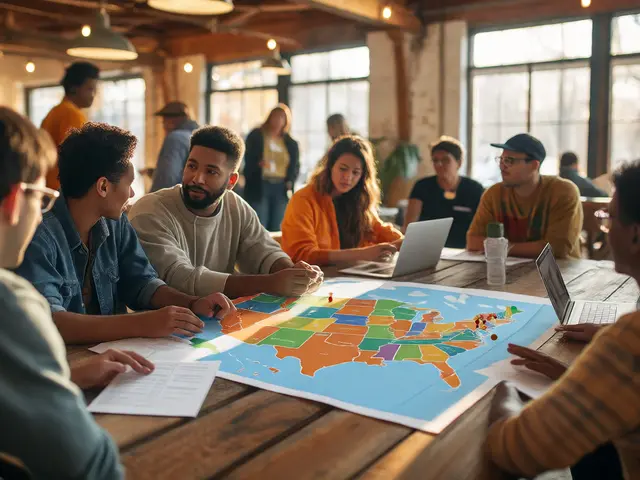
We can't just tell women to "join Wikipedia." We have to change how Wikipedia works. One of the most successful approaches has been the use of Edit-a-thons, which are organized events where groups of people gather to create and improve articles on a specific theme. By bringing people together in a physical or virtual room, the intimidation factor vanishes. These events provide a support system, making the technical learning curve less steep.
Another critical move is the implementation of Mentorship Programs. When a new editor has a veteran guide to help them navigate the complex world of Wiki Markup and community guidelines, they are far less likely to quit after their first edit is reverted. Mentorship turns a cold, bureaucratic process into a welcoming community experience.
Technologically, the transition to the VisualEditor-a what-you-see-is-what-you-get interface-has helped. Removing the need to learn code just to bold a word makes the platform accessible to a broader range of people. When the tools are intuitive, the barrier to entry drops.
Moving Toward a Balanced Knowledge Graph
True equity requires a shift in how the community defines "value." We need to broaden the scope of what is considered a reliable source. If we only rely on 19th-century newspapers, we will only find 19th-century men. Incorporating oral histories, specialized academic journals, and non-Western archives can help uncover the stories of women who were ignored by the mainstream press.
Furthermore, the community needs to adopt a "presumed good faith" approach specifically for marginalized groups. Instead of deleting a page for a lack of sources, experienced editors could help the creator find those sources. This shift from "gatekeeping" to "gardening" transforms the editor's role from a cop to a curator.
Does the gender gap affect the accuracy of information?
Yes. Accuracy isn't just about facts; it's about completeness. When an entire demographic's contributions to science or art are missing, the encyclopedia provides an inaccurate picture of human progress. It's a gap in the truth, not just a gap in numbers.
Why are women's edits reverted more often?
It often stems from unconscious bias. Edits that add context to women's lives are sometimes dismissed as "unnecessary detail" or "not neutral," whereas similar additions to men's pages are seen as "comprehensive documentation."
How can I help close the gap if I'm not a tech expert?
You don't need to be a coder. Start by searching for notable women in your field of expertise and adding small, well-sourced details to their existing pages. If a page doesn't exist, start a draft and seek help from a community mentor.
What is an Edit-a-thon?
An Edit-a-thon is a collaborative event where people meet to create or improve Wikipedia articles. They are particularly effective at closing the gender gap because they provide a social, supportive environment for new editors to learn the ropes.
Are there other gaps besides gender on Wikipedia?
Absolutely. There are significant gaps regarding the Global South, indigenous languages, and LGBTQ+ perspectives. The gender gap is often a starting point for discussing broader systemic biases in digital knowledge.
Next Steps for Aspiring Editors
If you're feeling overwhelmed by the complexity of the platform, don't try to rewrite history in a day. Start with a "micro-contribution." Find a page of a woman you admire and fix a typo or add a missing date. These small wins build confidence and help you understand the community's rhythm.
For those who want to do more, look for existing project groups focused on gender equity. These subgroups often have their own set of guidelines and a more welcoming atmosphere than the general main page. By joining a community of like-minded editors, you turn a lonely task into a collective mission to make the internet a fairer place for everyone.