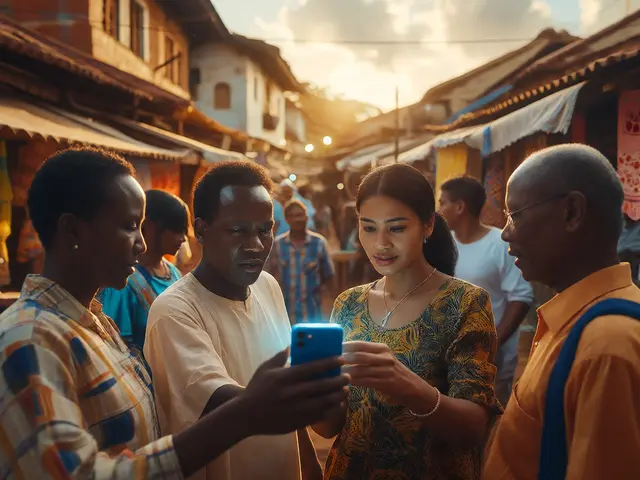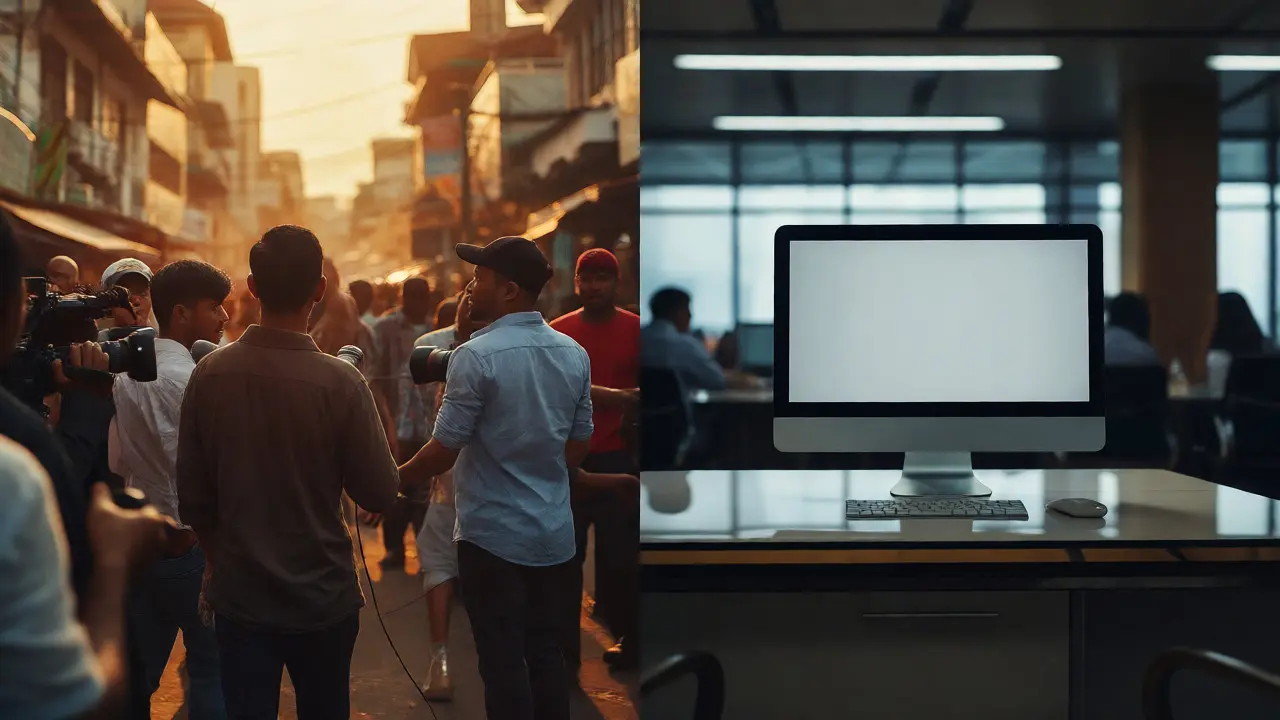
Ever tried to find a Wikipedia article on a breaking story in Jakarta or Lagos and found it either missing or poorly cited? You aren't alone. Most English readers assume that if something important happens, the global press will cover it in English within hours. Reality is messier. Major events often break first in local languages, and by the time an English summary appears, key details are lost, biased, or outdated. For editors working on Current Events, relying solely on Western wires like Reuters or AP creates blind spots. Sourcing Foreign-Language News isn't just about translation; it's about accuracy, timeliness, and representing the event as it unfolded locally.
Why Local Sources Matter More Than You Think
Think about the last major earthquake or political protest you read about. Did your first source mention local casualty figures before international agencies did? Probably not. International news agencies operate with limited bureaus. They rely on stringers and local partners, which introduces a delay of 12-48 hours. In fast-moving crises, this gap matters. Local outlets provide immediate context: street names, neighborhood impacts, and official statements from regional authorities that haven't yet reached the global feed.
Using only English sources risks what journalists call "parachute journalism" bias. You get the headline, but miss the nuance. A strike in Paris looks different when reported by Le Monde than when summarized by BBC. The former includes union demands and historical context; the latter might focus on travel delays. For Wikipedia's goal of neutral point of view (NPOV), capturing multiple perspectives requires going beyond the English-speaking bubble. It means acknowledging that truth is often fragmented across linguistic borders.
The Reliability Hierarchy for Non-English Media
Not all foreign news is created equal. Just because a site exists doesn't mean it's reliable. Wikipedia's policy on Reliable Sources applies globally, but assessing unfamiliar outlets takes skill. You can't just check if they have a logo. You need to look at their editorial standards, ownership, and reputation within their own country.
Start with established national broadcasters. In Japan, NHK is the gold standard. In Brazil, Folha de S.Paulo and O Globo hold high credibility. These organizations have rigorous fact-checking processes comparable to the New York Times. Next, consider regional papers with long histories. Then, look at specialized industry journals. Avoid hyper-partisan blogs or state-run propaganda outlets unless you are citing them specifically for the government's stance, not for factual reporting.
| Source Type | Example Regions | Best Use Case | Pitfalls to Avoid |
|---|---|---|---|
| National Public Broadcasters | NHK (Japan), BBC World Service, Deutsche Welle | Breaking news, official data releases | State influence in some countries; check independence status |
| Major Print/Digital Dailies | El País (Spain), Le Monde (France) | In-depth analysis, political context | Editorial bias may color opinion pieces vs. news reports |
| Wire Services (Regional) | Yonhap (South Korea), TASS (Russia) | Quick facts, official announcements | State-owned wires may omit negative news; cross-reference |
| Specialized Trade Press | Energy journals in Middle East, Tech in India | Industry-specific developments | Niche audience; verify technical accuracy with experts |
Tools to Find and Verify Foreign Content
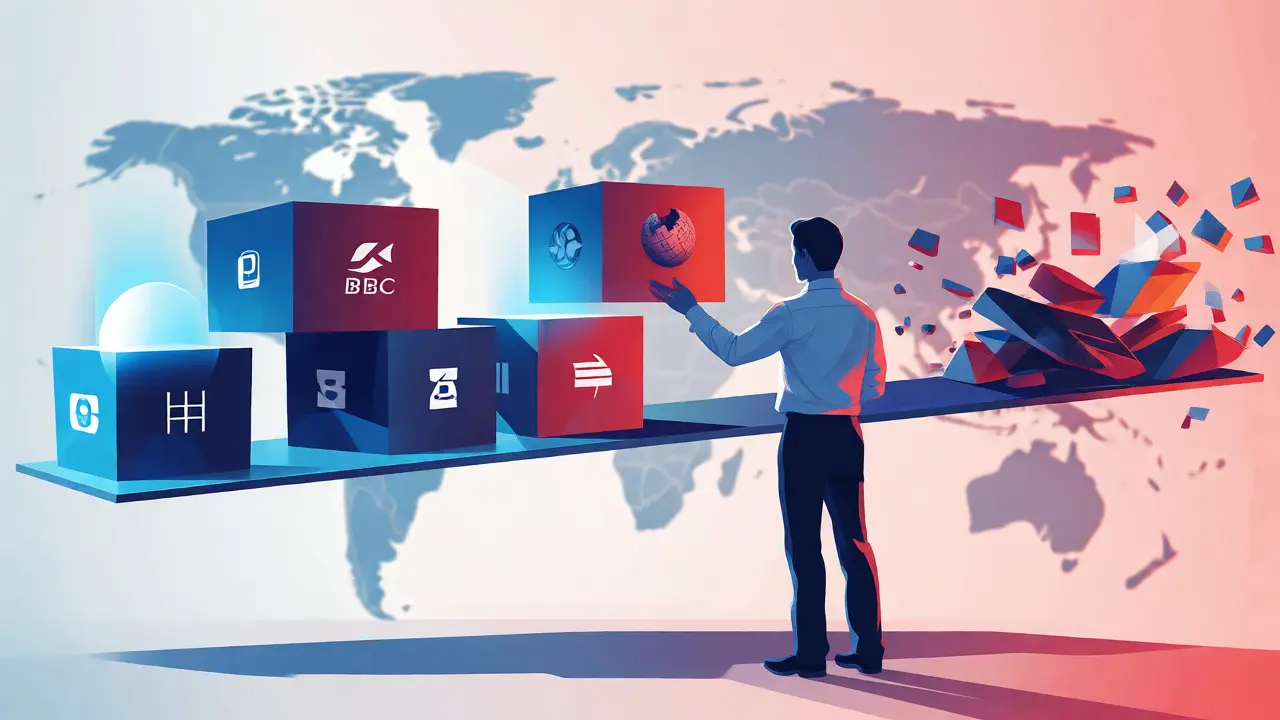
You don't need to speak five languages to do this well. You need the right tools. Google Translate has improved dramatically, but it still struggles with idioms and legal terminology. Use it for comprehension, not for final citation text. If you cite a translated quote, note that it is a translation in the footnote. Better yet, use DeepL for European languages where it often outperforms Google in nuance.
For discovery, leverage aggregators. Sites like Global Voices curate citizen journalism and local stories from around the world, often providing English summaries with links to original sources. This is a great starting point. Once you identify a promising article, go to the source. Check the URL. Is it a legitimate domain? Look for an "About Us" page. Does it list editors and physical addresses? Fake news sites often lack these details.
Another trick: reverse image search. If a foreign report includes photos, upload them to TinEye or Google Images. Often, you'll find the same photo covered by a more reputable outlet, confirming the event's reality. This helps combat misinformation spreading via social media screenshots without context.
Handling Citations and Translation Notes
How you cite matters. When adding a reference to a non-English source, include the original title and the translated title. Format it clearly so other editors know what they're looking at. For example: Original Title: [Title] | Translated: [Title]. Add the date of publication in the original language format if necessary, but convert it to ISO 8601 (YYYY-MM-DD) for consistency.
If the source is behind a paywall, try to find a free archive version or a secondary source that cites it. Never cite a broken link. If you must cite a dead link, use the Internet Archive's Wayback Machine. Include the archived URL alongside the original. This ensures verifiability remains intact even if the publisher changes its website structure.
Be transparent about translation limitations. If a term has no direct English equivalent-like the German Sturm und Drang or Japanese Satoyama-keep the original term in italics and explain it in parentheses. Don't force a clumsy translation that distorts meaning. Accuracy beats fluency every time.
Bridging the Gap: Community Collaboration
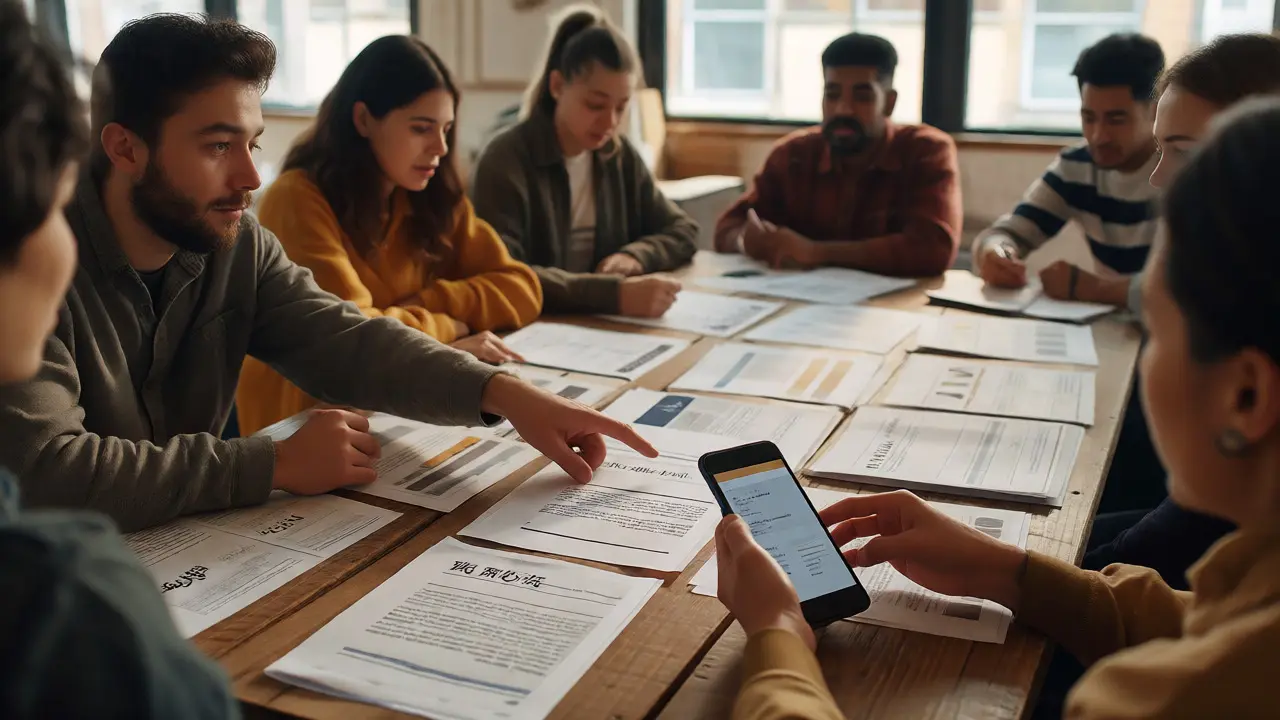
You don't have to be a polyglot. Wikipedia thrives on collaboration. If you spot a critical gap in coverage for a non-English region, post on the project's talk page. Tag relevant WikiProjects, such as WikiProject Asia or WikiProject Africa. Native speakers often monitor these pages and can quickly verify translations or suggest better sources.
This collaborative approach reduces errors. A native speaker might catch that a translated phrase implies aggression where the original was merely assertive. These nuances affect tone and neutrality. By engaging with local editors, you build trust and ensure the content reflects local realities, not just outsider perceptions. It turns sourcing from a solitary task into a community effort.
Common Pitfalls and How to Avoid Them
One major trap is assuming correlation equals causation across cultures. An event described as a "riot" in one culture might be a "protest" in another. Language carries weight. Be careful with loaded terms. Stick to descriptive language unless quoting directly.
Another issue is recency bias. Foreign sites update constantly. An article from three days ago might have been corrected twice since. Always check for updates or retractions. Some outlets publish corrections at the bottom of the page, easily missed by translators. Read the entire piece, including footnotes and editor's notes.
Finally, beware of machine-generated articles. Many low-quality foreign sites now use AI to scrape and republish content. These often contain hallucinations or nonsensical sentences. If the writing feels stiff or repetitive, dig deeper. Compare it against human-written reports from known reputable outlets. If the details don't match, discard the source.
Can I cite a foreign news article if I don't speak the language?
Yes, but with caution. Use reliable translation tools to understand the gist, but always seek verification from a native speaker or a secondary source if possible. Clearly mark the citation as a translation. Do not rely solely on machine translation for critical facts like numbers or legal terms.
Are state-owned media outlets reliable for Wikipedia?
It depends on the country and context. State-owned media in democracies (like PBS in the US or CBC in Canada) are generally reliable. In authoritarian regimes, they serve as primary sources for the government's official position but should be corroborated with independent sources for factual claims about events or outcomes.
How do I handle conflicting information between English and foreign sources?
Prioritize primary sources. If a foreign source quotes an official document or witness directly, it may be more accurate than an English summary. Present both viewpoints if significant disagreement exists, attributing each claim to its respective source. Avoid synthesizing a single "truth" unless supported by consensus.
What if the foreign source is deleted after I cite it?
Always archive the page using the Wayback Machine or WebCite at the time of citation. Include the archived URL in the reference field. This ensures verifiability persists even if the original publisher removes the article or shuts down the website.
Do I need to translate the entire article?
No. Only translate the specific facts you are citing. Keep the rest in the original language in the citation metadata. Focus on extracting key dates, names, locations, and statistics. Over-translating can introduce unnecessary errors and clutter the reference section.