Imagine searching for a prominent female scientist or a leader from Sub-Saharan Africa on Wikipedia is the world's largest free online encyclopedia, hosting millions of articles written by volunteers. You might find a short stub with no photo, while the male counterpart has a detailed biography with citations. This isn't random; it’s a structural issue known as systemic bias is a consistent pattern of deviation from neutral perspective in content creation and curation. For years, editors have worked to fix these gaps, but the scale of the problem remains significant. Understanding where these biases come from helps us see why the "neutral point of view" is harder to achieve than it looks.
The Gender Gap in Notability
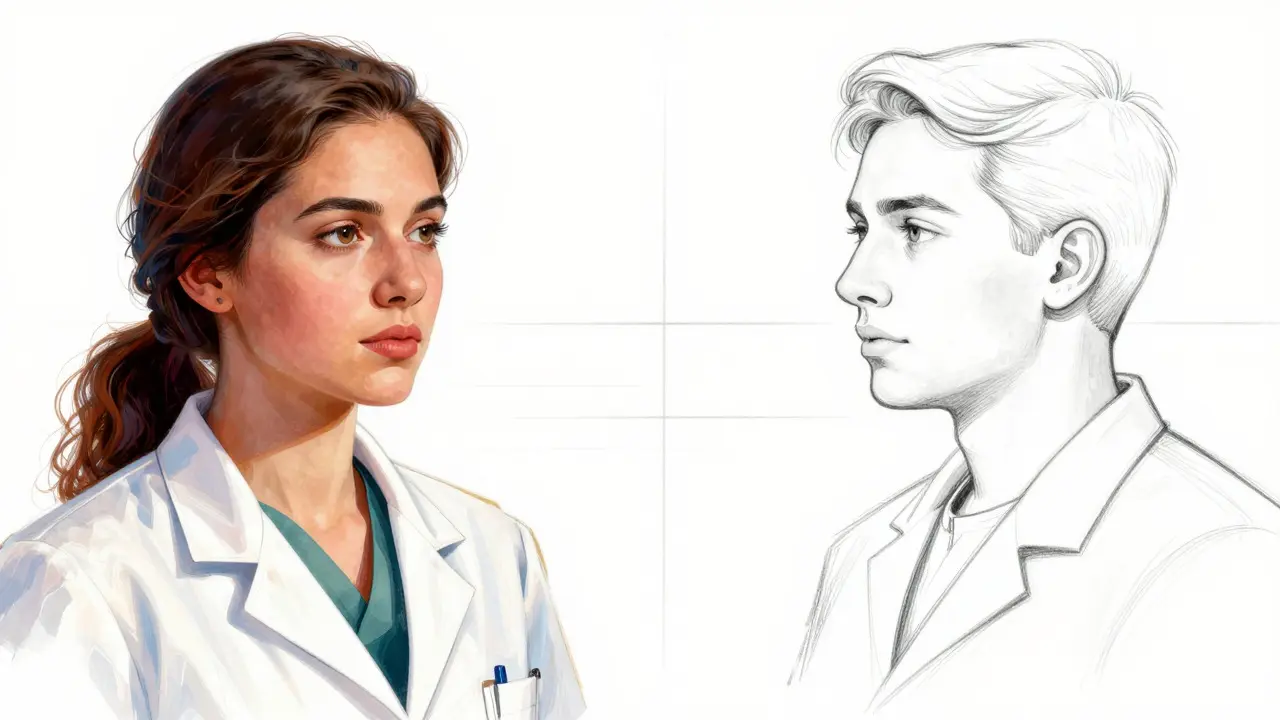
The most visible form of bias on the platform is the underrepresentation of women. While men make up the majority of editors, they also dominate the subjects covered. A woman needs to meet higher thresholds of notability to get an article created compared to a man. If a female athlete wins one national championship, her article might be deleted for being "notable enough," whereas a male athlete with similar achievements often retains his page. This creates a feedback loop: fewer women are documented, so fewer women become role models, which discourages new female editors from joining.
- Notability Standards: The criteria for what counts as "significant coverage" are applied unevenly based on gender.
- Biographical Stubs: Articles about women are more likely to be short, lacking details on their personal lives or early careers.
- Image Representation: Female subjects are less likely to have infobox photos, affecting how readers perceive their importance.
Racial and Cultural Blind Spots
Bias doesn't stop at gender. It extends deeply into race and ethnicity. Historically, Western-centric perspectives have shaped what is considered "important" history or science. Topics related to non-Western cultures are often described through a European lens, missing local context or terminology. For example, indigenous concepts or regional political movements might be summarized using English-language sources that frame them as "conflicts" rather than complex social issues. This leads to a skewed view of global events where the Global North is the protagonist and the rest of the world is the backdrop.
This racial bias manifests in several ways:
- Sourcing Issues: Reliance on Anglophone sources means non-English news is rarely cited, ignoring local media narratives.
- Tone and Framing: Descriptions of protests or revolutions in Asia or Africa may use different adjectives than those used for similar events in Europe.
- Category Errors: Grouping diverse ethnic groups under broad, inaccurate labels that fail to reflect internal diversity.
Geographic Imbalance in Coverage
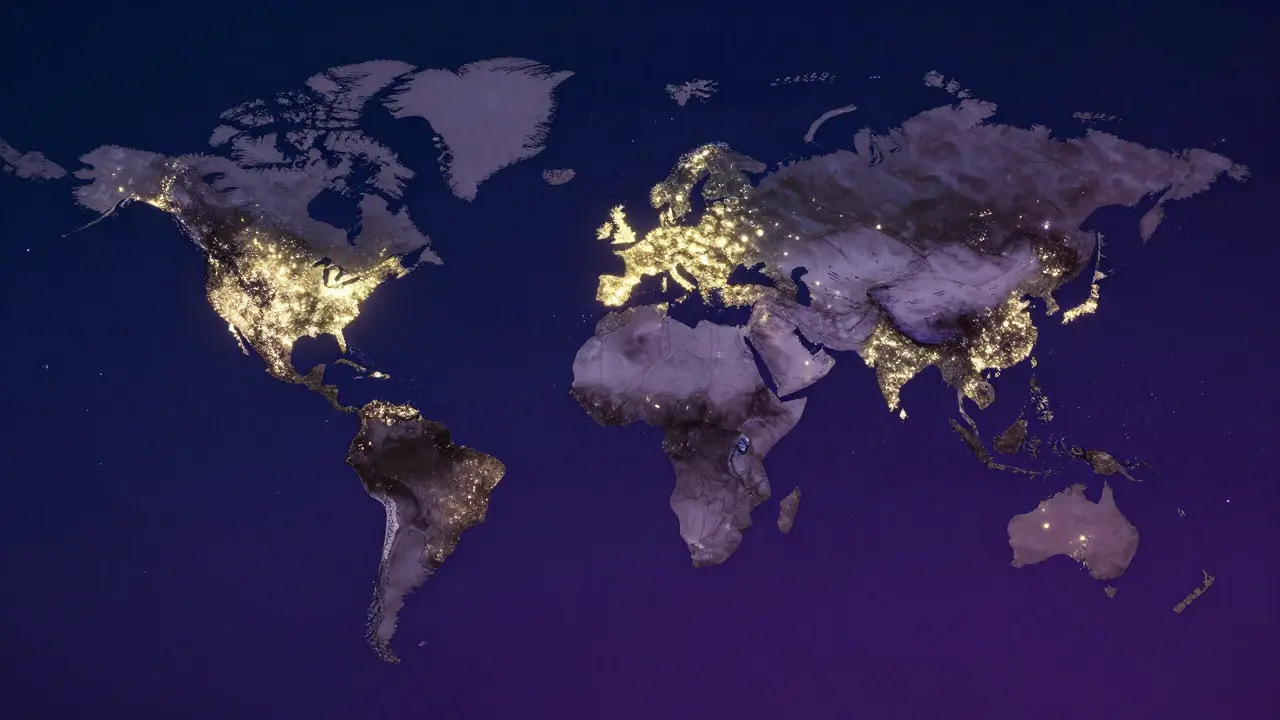
If you look at the distribution of articles by country, the map is lopsided. North America and Western Europe have dense clusters of detailed entries, while large parts of Africa, South Asia, and Latin America have sparse coverage. This isn't just about the number of articles; it's about depth. A small town in Ohio might have a 5,000-word article, while a major city in Nigeria might have only 1,000 words. This geographic skew affects how the world understands itself. Students researching international relations or global economics are left with incomplete data sets that favor certain regions over others.
| Dimension | Common Manifestation | Impact on Reader |
|---|---|---|
| Gender | Higher notability bar for women | Perception of male dominance in fields |
| Race | Western-centric sourcing | Misunderstanding of non-Western contexts |
| Geography | Dense coverage in US/EU, sparse elsewhere | Incomplete global knowledge base |
Why Does This Happen?
To fix the problem, we need to understand the root causes. The primary driver is the demographic makeup of the editor community. Since the launch of the project, the volunteer base has been predominantly male, white, and from high-income countries. When people edit what they know, the result mirrors their own experiences. If your social circle is mostly engineers from Boston, the articles about engineering and Boston will be robust, while articles about farming in rural India will remain thin. Additionally, the technical barrier to entry can exclude potential editors who don't have reliable internet access or familiarity with markup languages, further narrowing the pool of contributors.
Another factor is the "sunk cost" of existing content. It takes effort to rewrite a biased article. Editors often prefer creating new pages rather than fixing old ones. This allows initial biases to persist for decades, becoming entrenched in the text. The consensus-based model, which prevents quick changes, can also slow down corrections if there is disagreement among editors about what constitutes a neutral perspective.
Strategies for Mitigation
Despite these challenges, active communities are working to reduce these gaps. One effective strategy is the "WikiProject" model, where groups of editors focus on specific topics, such as Women in Science or African History. These projects set standards for quality and consistency within their niche. Another approach is leveraging external data. By cross-referencing academic databases or census data, editors can identify missing topics and prioritize them for creation.
- Editorial Diversity Initiatives: Outreach programs targeting underrepresented groups to join the editing community.
- Automated Tools: Bots that flag articles lacking images or citations, prompting human review.
- Source Expansion: Encouraging the use of non-English primary sources to balance perspectives.
The Role of Readers in Combating Bias
You don't need to be an editor to help. As a reader, you play a crucial role in identifying and reporting bias. If you notice an article that feels one-sided, check the talk page for ongoing discussions. Sometimes, a simple comment can start a conversation that leads to better content. Supporting organizations that fund translation and outreach also helps. The goal isn't to create a perfect encyclopedia overnight, but to move closer to a representation of reality that includes everyone. Every correction, no matter how small, contributes to a more accurate global record.