Advocacy Groups and Wikipedia: How External Voices Shape Free Knowledge
When you think of Wikipedia, you probably imagine volunteers editing articles late at night. But behind the scenes, advocacy groups, organizations that push for specific changes in how knowledge is created and shared. Also known as free knowledge advocates, they work to influence Wikipedia’s policies, funding, and public perception. These aren’t just lobbyists—they’re librarians, academics, journalists, and activists who believe Wikipedia should reflect more than just what’s already in books. Some fight for better coverage of marginalized voices. Others push back against corporate control of information. And a few are trying to stop AI companies from scraping Wikipedia without credit.
One major player is the Wikimedia Foundation, the nonprofit that runs Wikipedia and manages its global funding and legal defense. It doesn’t write articles, but it sets the rules for how money flows, how tools are built, and how conflicts with governments or tech giants get handled. Then there are GLAM-Wiki projects, initiatives that connect museums, libraries, and archives with Wikipedia editors. These aren’t just outreach programs—they’re acts of cultural repair, helping Indigenous communities, post-colonial nations, and small language groups reclaim their stories on a platform that once ignored them. Meanwhile, journalist roundtables and academic coalitions push Wikipedia to take news corrections and scholarly work more seriously, knowing that what’s on Wikipedia becomes what the world believes.
It’s not always smooth. Advocacy groups sometimes clash with Wikipedia’s core belief in neutrality. When a group pushes to add more content about climate change or gender equity, critics say they’re pushing an agenda. But Wikipedia’s neutrality isn’t silence—it’s balance. And balance requires voices that were never invited to the table. The real tension isn’t between advocates and editors—it’s between who gets to define what’s "important" enough to be documented. The posts below show how these forces play out: from copyright battles with AI firms to mentorship programs that keep new editors from quitting. You’ll see how edit filters protect news articles, how fundraising keeps Wikipedia free, and how tools like Huggle and the Wikipedia Library give volunteers real power. This isn’t just about policy. It’s about who gets to write history—and who gets left out.
Evaluating Think Tanks and Advocacy Groups as Wikipedia Sources
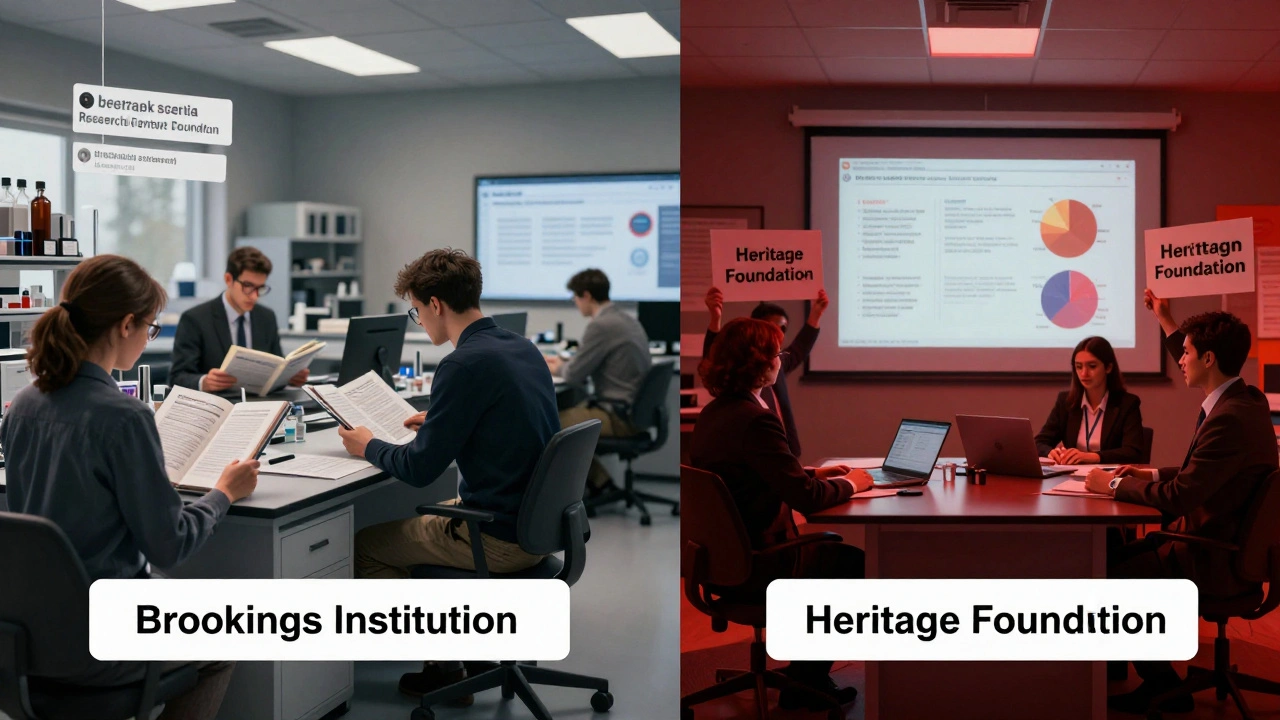
Think tanks and advocacy groups are common sources on Wikipedia, but they often carry bias. Learn how to evaluate them properly to maintain neutrality and avoid presenting opinion as fact.

How to Evaluate Think Tanks and Advocacy Groups as Sources on Wikipedia
Learn how to evaluate think tanks and advocacy groups as sources on Wikipedia. Discover red flags, verification methods, and when these sources are acceptable-or not.