Collaborative Research on Wikipedia: How Volunteers Build Knowledge Together
When you think of research, you might picture scientists in labs or scholars buried in archives. But collaborative research, a system where thousands of unpaid volunteers jointly verify, write, and improve knowledge. Also known as crowdsourced scholarship, it’s the engine behind Wikipedia — the world’s largest encyclopedia built not by experts alone, but by ordinary people working together. This isn’t theory. It’s daily practice. Every edit, every citation added, every disputed claim resolved — it’s all part of a quiet, ongoing experiment in collective intelligence.
What makes this work isn’t magic. It’s structure. Wikipedia policies, open, community-written rules that guide how information is added and checked ensure consistency. WikiProject, volunteer groups focused on specific topics like history, science, or politics help organize effort. And community consensus, the process where editors debate and agree on content through discussion, not votes or authority keeps things fair. You don’t need a degree to join. You just need to care enough to check a source, fix a typo, or ask a question.
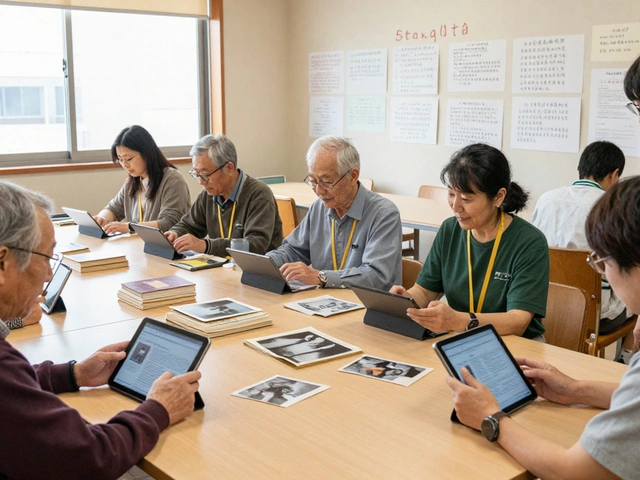
That’s why this collection matters. These posts don’t just describe Wikipedia — they show how it actually works from the inside. You’ll see how edit-a-thons bring new editors into the fold, how tools like TemplateWizard cut down mistakes, and how policies like conflict of interest rules keep bias in check. You’ll learn how editors verify breaking news, how search works under the hood, and why geographic bias still lingers despite decades of effort. This isn’t a fan page. It’s a behind-the-scenes look at the system that turns scattered contributions into something reliable — and why that system still needs you.
How to Use Wikipedia Talk Pages to Teach Scholarly Debate
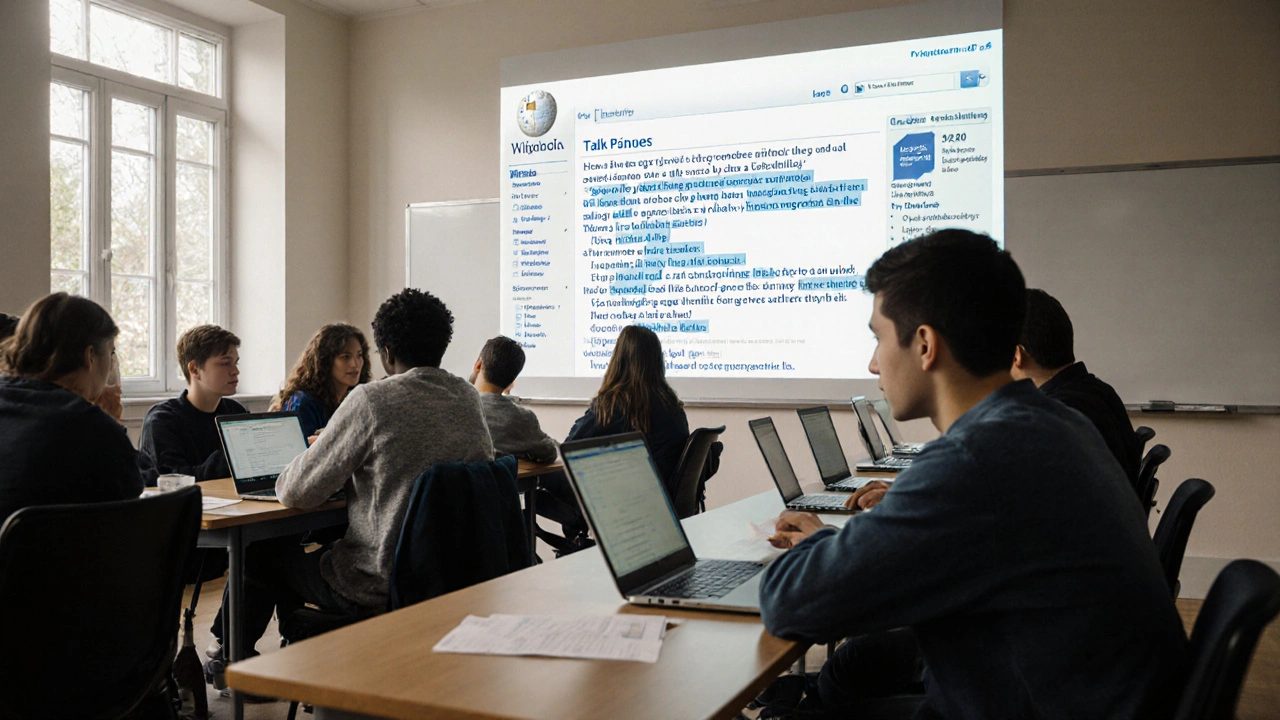
Wikipedia talk pages offer a real-world classroom for teaching evidence-based debate, source evaluation, and collaborative knowledge-building. Students learn to argue with facts, not opinions.