Editor Ethics on Wikipedia: Rules, Risks, and Real-World Impact
When you edit Wikipedia, you’re not just fixing a typo—you’re taking part in a global system built on editor ethics, the unwritten and written rules that demand honesty, transparency, and fairness from every contributor. Also known as Wikipedia integrity, it’s what keeps millions of people trusting the site as a reliable source—even when no professional fact-checker is watching. This isn’t about being perfect. It’s about being clear. If you work for a company and edit its Wikipedia page, you must say so. If you’re using fake accounts to push a viewpoint, you’ll get caught. If you copy text from a blog and pretend it’s original, the system will flag it. These aren’t optional guidelines. They’re the foundation.
Editor ethics on Wikipedia connect directly to other critical systems. Conflict of interest policy, the rule requiring editors to disclose personal ties to topics they edit. Also known as COI, it stops paid promoters, PR teams, and activists from quietly rewriting history. Without it, Wikipedia would become a lobbying tool. Then there’s sockpuppetry, the use of fake accounts to manipulate discussions, votes, or edits. Also known as fake editing networks, it’s one of the most serious breaches because it hides influence behind anonymity. The community doesn’t just react to these violations—they investigate them. Bots track edit patterns. Volunteers dig through edit histories. And when someone’s caught, they’re blocked—not just from one article, but from the whole site.
These rules aren’t just about punishment. They’re about trust. When a librarian edits a medical article, or a student cites a peer-reviewed journal, or a volunteer rewrites a biased section—they’re reinforcing a system where truth beats popularity. The same ethics that stop a corporation from whitewashing its record also protect activists in authoritarian countries who edit articles about human rights abuses. That’s why Wikipedia doesn’t rely on algorithms alone. It relies on people who choose to do the right thing, even when no one’s looking.
What you’ll find in this collection aren’t abstract debates. These are real stories: how a single disclosure changed a policy, how a bot uncovered a state-backed editing ring, how a student’s quiet rewrite fixed years of misinformation. Every article here shows how editor ethics aren’t just rules on a page—they’re the reason Wikipedia still works.
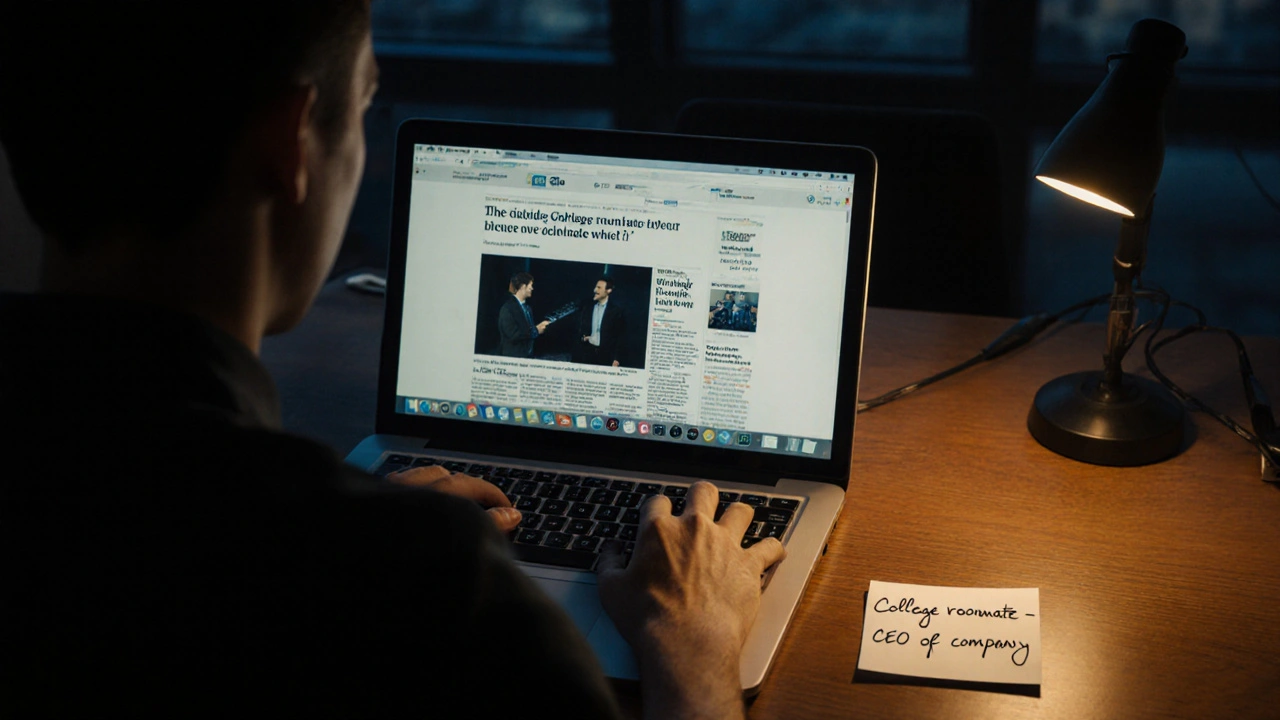
Conflict of Interest Policy: How Editors Stay Neutral When Personal Ties Clash With Professional Duty
Conflict of interest policies in journalism ensure editors don’t let personal ties affect their reporting. Learn how these rules evolved, what they cover today, and why transparency matters more than ever.