Fact-check Wikipedia: How to Verify Info and Spot Reliable Edits
When you fact-check Wikipedia, you're not just checking a website—you're tracing how knowledge gets built, tested, and corrected by real people. Wikipedia, a free, collaborative encyclopedia edited by millions of volunteers worldwide. Also known as the world's largest reference work, it doesn't rely on paid experts—it relies on transparent processes, verifiable sources, and a community that calls out errors. That’s why, despite myths, studies like the one from Nature in 2005 found Wikipedia’s science articles as accurate as Encyclopædia Britannica’s. But accuracy doesn’t happen by accident. It’s the result of systems designed to catch mistakes before they stick.
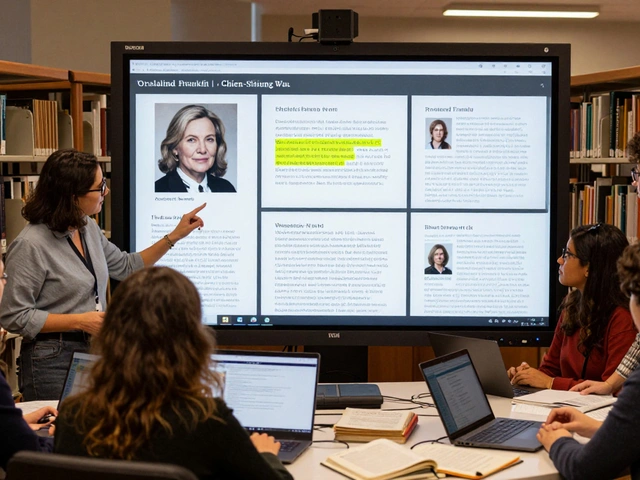
Behind every good Wikipedia article is a chain of checks. Editors use reliable sources, books, academic journals, and trusted news outlets that are publicly accessible and authoritative. Also known as primary and secondary sources, these are the backbone of every claim. If a sentence doesn’t have a citation, it’s a red flag. If the source is a blog, a personal website, or a tabloid, it’s likely to get removed. Tools like the media literacy, the ability to critically assess information and identify misleading or false content. Also known as source evaluation, it’s a skill every Wikipedia editor learns by doing. You don’t need a degree—you just need to ask: Who wrote this? Why? Is this the original source, or a secondhand summary?
Wikipedia’s editing tools make fact-checking part of the workflow. The diff tool lets you see exactly what changed between edits. The history tab shows who made each change and when. Bots automatically flag spam, vandalism, and unsourced claims. And talk pages? They’re where editors debate evidence, not opinions. This isn’t chaos—it’s a structured, public review system. When you fact-check Wikipedia, you’re not doubting the platform—you’re using its own tools to confirm its integrity.
That’s why educators, librarians, and researchers trust it—not because it’s flawless, but because it’s open to correction. If you see something wrong, you can fix it. If you’re unsure, you can check the references. If you’re learning, you can see how debates unfold. Below, you’ll find real guides on how to spot bad citations, use Wikipedia’s search and editing tools, and understand why some articles are more reliable than others. These aren’t theory pieces—they’re hands-on tools for anyone who wants to use Wikipedia without being fooled by misinformation.
How to Verify Information During Wikipedia Breaking News Events
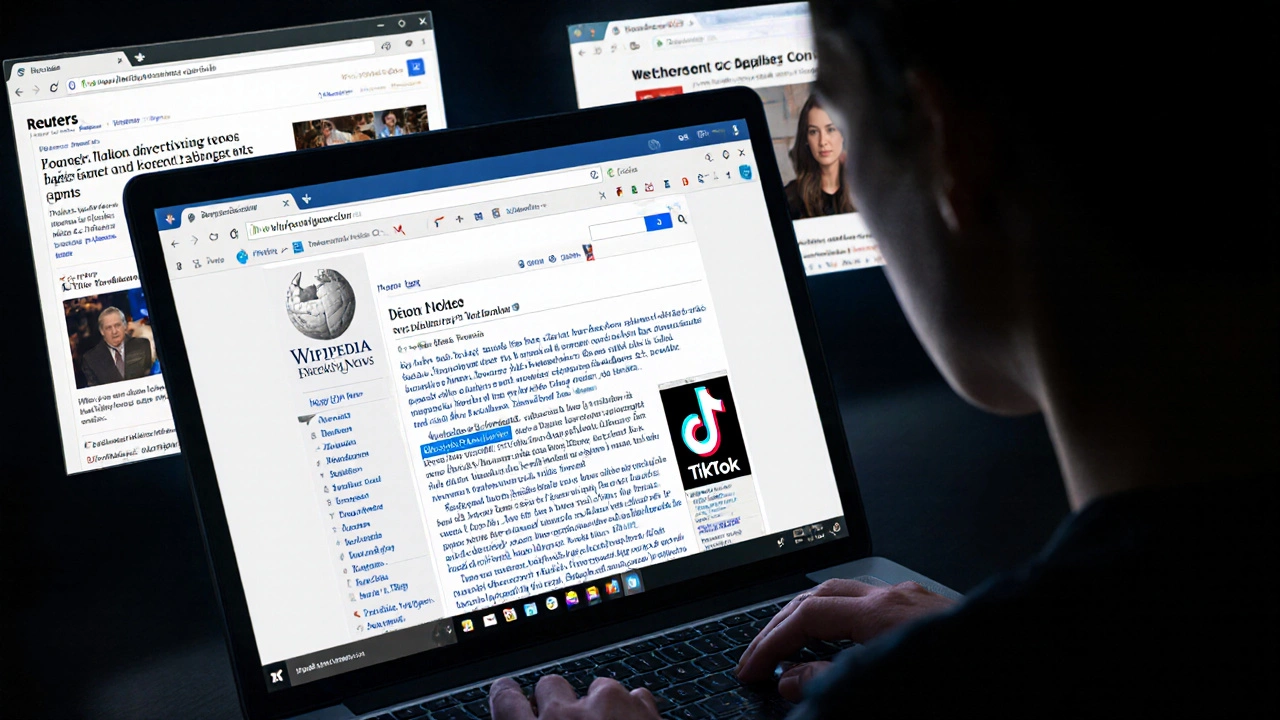
Wikipedia updates faster than any news outlet during breaking events-but not always accurately. Learn how to verify information by checking citations, edit history, and trusted sources to avoid misinformation.