If you’re a Wikipedian who’s ever spent weeks putting together a community event, a tool for better editing, or a campaign to bring in new contributors-only to hit a wall because you didn’t have the money to cover it-you know how frustrating it can be. The good news? Wikimedia Foundation offers a way out: the Rapid Fund. It’s designed for small, quick projects that need funding fast. But here’s the catch: you only get a few weeks each year to apply. Miss the window, and you wait until next time.
What Is the Rapid Fund?
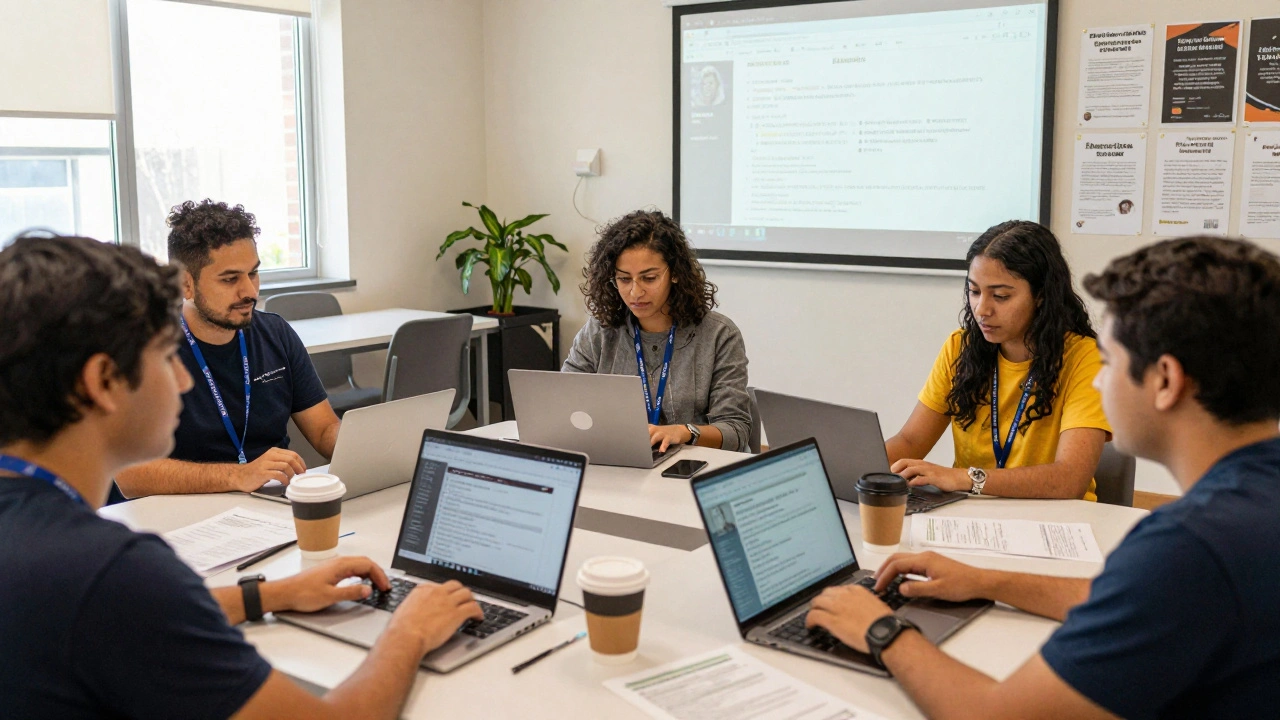
The Rapid Fund is part of Wikimedia’s broader grant system, meant for small-scale, time-sensitive projects that can’t wait for the longer, more complex grant cycles. It’s not for big research studies or multi-year initiatives. It’s for the stuff that needs to happen now: a local edit-a-thon to improve articles on underrepresented topics, a series of workshops for new editors in rural areas, or even buying a projector so a small chapter can host public outreach events.
Unlike the larger Individual Engagement Grants or Project Grants, the Rapid Fund doesn’t require a 10-page proposal. You fill out a simple form. You explain what you want to do, how much it costs, and why it needs to happen soon. The review team looks for clear goals, realistic budgets, and evidence that the project will actually make a difference on Wikipedia or its sister sites.
Projects funded through the Rapid Fund typically get between $500 and $5,000. Most awards land around $1,500. The money can cover things like venue rentals, printing materials, translation services, internet access for participants, or even small stipends for volunteer facilitators. It can’t pay for salaries or personal equipment like laptops.
When Are the Application Windows?
The Rapid Fund opens for applications twice a year. For 2026, the windows are:
- January 15 to February 15
- July 15 to August 15
These dates are fixed. No extensions. No exceptions. If you’re planning a project for March, you have to wait until July. If you want to run something in December, you need to apply in January. There’s no middle ground.
Applications open at 00:00 UTC on the first day of each window and close at 23:59 UTC on the last day. That means if you’re in New York, you have until 7:59 PM EST on the closing date. If you’re in Sydney, you have until 10:59 AM the next day. Set a calendar reminder. Don’t rely on your memory.
The results are usually announced within three to four weeks after the window closes. If approved, funds are disbursed within 10 business days. That speed is the whole point.
Who Can Apply?
You don’t need to be a registered nonprofit or even part of an official Wikimedia chapter. Individual editors, small groups of volunteers, and informal collectives are all eligible. You just need to be actively contributing to Wikimedia projects-editing Wikipedia, Wikidata, Commons, or other sister sites.
You can’t apply if you’re already receiving another Wikimedia grant for the same project. But you can apply for a different project even if you’ve gotten funding before. Many editors have received Rapid Fund awards multiple times, each for a separate initiative.
Projects must benefit Wikimedia’s mission: to collect and share free knowledge. That means your event or tool must improve content on Wikipedia, make it easier for people to contribute, or help underrepresented communities get involved. A fundraiser for a personal blog? No. A workshop to teach Indigenous editors how to add local history to Wikipedia? Yes.
What Makes a Strong Application?
Most applications get rejected-not because they’re bad, but because they’re too vague. Here’s what works:
- Be specific about the problem. Instead of saying, “We want to improve articles on women scientists,” say: “We’ll host three edit-a-thons in Lima, Peru, targeting university students to add biographies of 50 Peruvian women scientists missing from Spanish Wikipedia.”
- Break down your budget. Don’t just say “$2,000 for materials.” List: $500 for printing flyers, $800 for snacks and coffee during events, $400 for Zoom Pro accounts for remote participants, $300 for translation help. Show you’ve thought it through.
- Include a timeline. “We’ll run the edit-a-thons on March 10, 17, and 24. We’ll track edits made and new editors recruited. We’ll publish a summary report by April 15.”
- Prove there’s demand. Have you talked to potential participants? Are there existing groups you can partner with? Mention them. Even a simple “We reached out to 12 local educators and 9 said they’d help promote this” counts.
Examples of successful projects from 2024: A group in Lagos used $1,200 to buy mobile hotspots so students without home internet could join a weekend edit-a-thon. A volunteer in Ukraine used $1,800 to translate 200 Wikipedia articles from English into Ukrainian about local flora and fauna. Both had measurable outcomes and clear plans.
What Gets Rejected?
Here are the top three reasons applications get turned down:
- No clear connection to Wikimedia. If your project doesn’t directly improve Wikipedia, Wikidata, Commons, or related projects, it won’t qualify. A podcast about Wikipedia history? Maybe. A podcast about your favorite books? No.
- Too broad or vague. “We want to make Wikipedia better” isn’t enough. You need a specific goal, a target group, and a way to measure success.
- Missing budget details. If you say “$1,000 for outreach” without explaining what that covers, reviewers can’t judge if it’s reasonable. Be transparent.
Also, don’t apply for something you could do without funding. The Rapid Fund isn’t for covering your regular editing costs. It’s for things that can’t happen unless you get help.
How to Prepare Before the Window Opens
Don’t wait until January 15 to start thinking. Use the time between windows to get ready:
- Join the Wikimedia Grants Discord or mailing list. You’ll get updates and see examples of past winning proposals.
- Reach out to past recipients. Many are happy to share their applications.
- Start drafting your idea. Write a rough version of your goal, budget, and timeline now. You’ll thank yourself when the window opens.
- Identify potential partners. Local universities, libraries, or cultural groups can help you strengthen your case.
Also, check the official Rapid Fund page for the latest guidelines. Rules change slightly each year. For 2026, the maximum award increased from $4,000 to $5,000, and the application form was simplified.
What Happens After You Apply?
Once you submit, you’ll get an automated confirmation email. That’s it. No updates until the results are posted. The review team usually consists of five to seven experienced Wikimedia volunteers. They don’t know who you are-they only see your application. That’s by design. It keeps things fair.
If you’re approved, you’ll get an email with next steps: signing a simple agreement, providing your bank details, and submitting receipts after you spend the money. You’ll also need to write a short report within 30 days after your project ends. It doesn’t have to be long-just explain what you did, how much it cost, and what changed because of it.
If you’re rejected, you’ll get a short note explaining why. Don’t take it personally. Most rejections are about fit, not quality. Use the feedback. Revise. Apply again next window.
Why This Matters
Wikipedia isn’t just a website. It’s a living archive built by thousands of volunteers. But not everyone has the same access to tools, time, or money. The Rapid Fund helps level the playing field. It lets someone in a small town in Bolivia, or a refugee camp in Jordan, or a university dorm in Tokyo, run a project that makes Wikipedia more complete, more accurate, and more inclusive.
Every edit counts. But sometimes, an edit needs a little help to happen. The Rapid Fund is that help. It’s not a big grant. It’s not a prize. It’s a tool. And if you’re ready to use it, the next window is just weeks away.