Free Knowledge Platforms: How Wikipedia and Others Share Info Without Paywalls
When you think of free knowledge platforms, online spaces where information is created, shared, and updated by volunteers without paywalls or corporate control. Also known as open knowledge networks, they include Wikipedia, Wikinews, and other Wikimedia projects—all built by people who believe knowledge should be free for everyone. These aren’t just websites. They’re communities that run on trust, transparency, and a shared rule: no ads, no paywalls, no corporate owners.
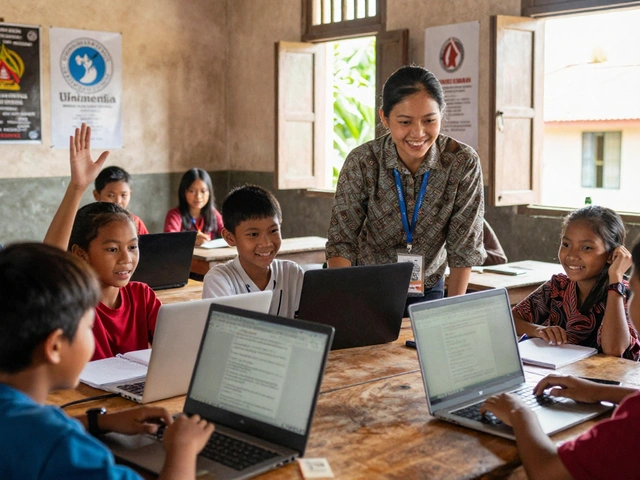
What makes these platforms different? Most websites make money by tracking you or selling your attention. Free knowledge platforms make money through donations and run on volunteer work. A teacher in Nairobi edits a Wikipedia article on malaria prevention. A retired engineer in Berlin translates a Wikinews report about climate policy into German. A student in Mexico City fixes a broken link in a Spanish-language article about local history. These aren’t rare exceptions—they’re the norm. And it’s why Wikipedia gets over 500 million visits a day, while staying ad-free. The tools behind this? Things like TemplateWizard to help new editors avoid mistakes, CirrusSearch to find info fast, and bots that block spam before it ever shows up. These aren’t magic. They’re built by people who care about accuracy, not clicks.
But it’s not perfect. Geographic bias means most editors live in North America and Europe, so topics from the Global South often get less detail. Language editions vary wildly—some have thousands of articles on local history, others barely scratch the surface. That’s why outreach efforts like Edit-A-Thons and translation tools matter. They’re not just nice additions—they’re fixes for real gaps. And when governments try to censor Wikipedia, the Wikimedia Foundation fights back in court. Because free knowledge isn’t just a feature—it’s the whole point.
You’ll find posts here that show how this all works in practice: how editors verify facts during breaking news, how accessibility tools help students with disabilities, how translation features make content reach more languages, and how tools like Toolforge let volunteers build bots that keep the site running. These aren’t abstract ideas. They’re real systems, used daily by real people. Whether you’re a student, a teacher, a researcher, or just someone who’s ever looked something up on Wikipedia, you’re part of this. And this collection shows exactly how it’s built—and how you can help keep it alive.
Wikipedia's Sister Projects Explained: Wikidata, Wikisource, and More
Wikipedia’s sister projects-like Wikidata, Wikisource, and Wikimedia Commons-support the encyclopedia with structured data, original texts, and free media. They’re essential for accurate, verifiable knowledge and open to everyone.