Galleries and Wikipedia
When you think of Wikipedia, you probably picture text—long articles, citations, footnotes. But what you don’t see is just as important. Behind every well-written page is a gallery of images, diagrams, maps, and videos that make facts stick. Wikimedia Commons, the free media repository that hosts over 100 million files used across Wikipedia and its sister projects. Also known as the visual backbone of Wikipedia, it’s where photos from museums, volunteer photographers, and public domain archives come together to turn abstract ideas into something you can see and understand. Without these galleries, Wikipedia wouldn’t just be less engaging—it would be less accurate. A diagram of the human heart, a map of ancient trade routes, or a photo of a rare bird isn’t decoration. It’s evidence. And Wikipedia’s rules demand that every image be properly licensed, clearly labeled, and directly tied to the content it supports.
These galleries aren’t just for show. They help bridge gaps in language and literacy. Someone who can’t read English might still understand a chart showing climate change trends or a photo of a historical event. That’s why editors in smaller language editions rely heavily on Commons files translated through metadata, not text. And when vandalism happens—like someone uploading a fake logo or a misleading image—tools like Huggle and community patrols spring into action. The system isn’t perfect, but it’s built on transparency: every upload has a history, every edit is tracked, and every file can be reviewed by anyone, anywhere.
There’s a reason you’ll find galleries in nearly every high-traffic article. They reduce confusion. They increase trust. And they make knowledge feel real. But not all images are created equal. Some are uploaded by professionals. Others come from school projects, edit-a-thons, or cultural heritage projects that digitize local archives. And then there are the gaps—places where no one has taken a photo, or where cultural bias means certain topics are underrepresented. That’s why improving image coverage isn’t just about adding more files. It’s about asking: who gets to be seen? And who’s left out?
What you’ll find in the posts below are real stories about how galleries shape Wikipedia’s credibility, how editors fight misinformation through images, and how tools and policies keep the visual side of the encyclopedia honest. You’ll see how a single photo can fix a misunderstanding, how a missing map can distort history, and why a volunteer in Nairobi uploading a photo of a local market matters just as much as a museum curator in Paris. This isn’t about pretty pictures. It’s about who gets to tell the world what it looks like.
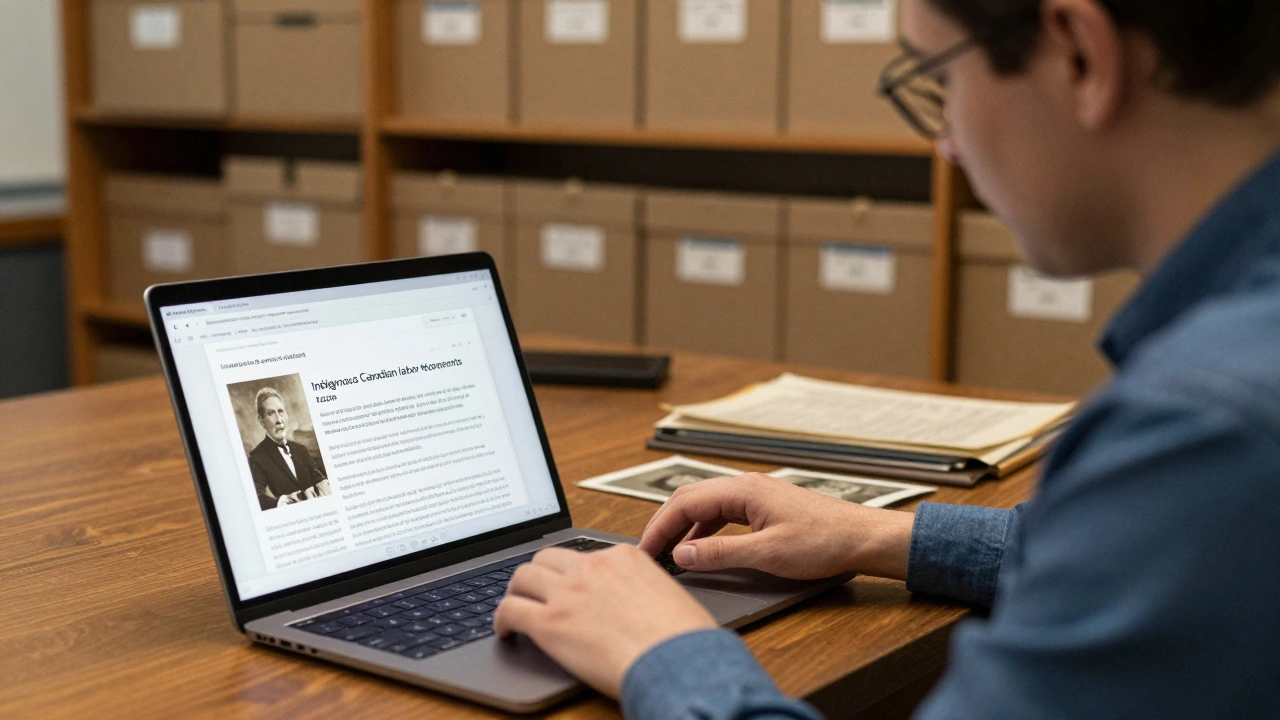
GLAM-Wiki Partnerships: Recent Collaborations with Wikipedia
GLAM-Wiki partnerships connect museums, libraries, and archives with Wikipedia to improve public knowledge. Recent collaborations have expanded access to cultural heritage, corrected historical biases, and empowered underrepresented communities.